
How to Pump Air Evenly Using Hand Pump: Easy Guide

Pumping air evenly with a hand pump involves securing the pump head properly, using smooth, full strokes, and monitoring the pressure gauge. Distribute your weight evenly and avoid jerky motions for a consistent air flow, ensuring your tires are inflated to the recommended PSI.
Ever struggled to get your tires perfectly inflated with a hand pump? It’s a common frustration! You might end up with uneven pressure, a wobbly wheel, or just plain exhaustion. But don’t worry, it doesn’t have to be a workout. With the right technique, you can achieve even, accurate inflation every time.
This guide will walk you through the steps to master the art of using a hand pump. We’ll cover everything from choosing the right pump to perfecting your pumping technique. By the end, you’ll be able to inflate your tires like a pro, ensuring a smooth and safe ride. Let’s get started!
Choosing the Right Hand Pump

Before we dive into the technique, let’s make sure you have the right tool for the job. Not all hand pumps are created equal. Consider these factors when choosing a hand pump:
Pump Type
There are two main types of hand pumps:
- Floor Pumps (Track Pumps): These are larger pumps that stand on the floor and use your body weight for leverage. They are more efficient and easier to use for high-pressure tires.
- Mini Pumps: These are compact and portable, designed to be carried on your bike. They are less efficient than floor pumps but are essential for on-the-road repairs.
Valve Compatibility
Make sure the pump head is compatible with your bike’s valves. There are two common types:
- Presta Valves: These are narrow valves with a small locking nut at the tip, commonly found on road bikes and some high-performance bikes.
- Schrader Valves: These are wider valves, similar to those found on car tires, typically used on mountain bikes, hybrid bikes, and kids’ bikes.
Some pumps have dual heads that can accommodate both Presta and Schrader valves. Others require you to switch internal parts or use an adapter.
Pressure Gauge
A pressure gauge is crucial for accurate inflation. Look for a pump with an easy-to-read gauge that displays pressure in both PSI (pounds per square inch) and bar (metric unit of pressure).
Build Quality
A durable pump will last longer and provide more reliable performance. Look for pumps made from high-quality materials like aluminum or steel.
Recommended Hand Pumps
Here’s a quick table summarizing some recommended hand pumps for different needs:
| Pump Type | Model | Features | Pros | Cons |
|---|---|---|---|---|
| Floor Pump | Lezyne Classic Floor Drive | Aluminum construction, accurate gauge, ABS chuck | Durable, efficient, easy to use | Slightly more expensive |
| Floor Pump | Topeak JoeBlow Sport III | Steel construction, large gauge, comfortable handle | Affordable, reliable, stable base | Plastic parts may wear over time |
| Mini Pump | Crankbrothers Sterling S | Compact, lightweight, Presta/Schrader compatible | Portable, versatile, easy to switch valves | Requires more effort for high pressure |
| Mini Pump | Lezyne Road Drive | Aluminum construction, flexible hose, high pressure | Durable, efficient, reduces valve stress | More expensive than basic mini pumps |
Choosing the right pump is the first step toward easy and accurate inflation. Now, let’s move on to the actual pumping technique.
Step-by-Step Guide to Evenly Pumping Air

Follow these steps to pump air evenly and accurately using a hand pump:
1. Prepare Your Bike and Pump
- Position Your Bike: Place your bike on a stable surface, either on the ground or in a bike stand.
- Remove Valve Cap: Unscrew the valve cap from the tire valve and set it aside.
- Prepare the Valve (Presta): If you have Presta valves, loosen the small locking nut at the tip by turning it counterclockwise. Press the valve stem briefly to release any remaining air and ensure it’s not stuck.
2. Attach the Pump Head
- Select the Correct Nozzle: If your pump has a dual head, select the side that matches your valve type (Presta or Schrader).
- Attach the Pump Head: Firmly press the pump head onto the valve. Make sure it’s fully seated to create a tight seal. For some pumps, you may need to flip a lever to lock the pump head in place.
- Check the Seal: Ensure there are no air leaks around the valve stem. If you hear hissing, readjust the pump head until the seal is tight.
3. Position Yourself Correctly
- Stance: Stand with your feet shoulder-width apart, straddling the pump if using a floor pump.
- Grip: Grip the pump handle firmly with both hands.
- Body Weight: For floor pumps, position your body weight over the pump to help push the handle down.
4. Begin Pumping
- Smooth Strokes: Use smooth, full strokes, pushing the handle down and pulling it back up in a controlled motion. Avoid jerky or rapid movements.
- Even Pressure: Apply even pressure throughout the stroke. Focus on using your body weight and arm strength together for a consistent pumping action.
- Listen for Airflow: Listen for a steady airflow into the tire. If the pump feels too easy or too hard, check the pump head connection and valve alignment.
5. Monitor the Pressure Gauge
- Check Frequently: Keep an eye on the pressure gauge as you pump.
- Target Pressure: Inflate the tire to the recommended pressure, which is usually printed on the tire sidewall.
- Avoid Over-Inflation: Be careful not to over-inflate the tire, as this can lead to a blowout.
6. Detach the Pump Head
- Release the Lever (if applicable): If your pump has a locking lever, flip it to release the pump head.
- Remove the Pump Head: Gently pull the pump head straight off the valve.
- Secure the Valve (Presta): If you have Presta valves, tighten the small locking nut at the tip by turning it clockwise.
- Replace Valve Cap: Screw the valve cap back onto the valve.
7. Check Tire Pressure
- Use a Separate Gauge (Optional): For maximum accuracy, use a separate tire pressure gauge to double-check the pressure.
- Adjust as Needed: If the pressure is too high or too low, adjust accordingly by releasing or adding air.
Tips for Even Pumping
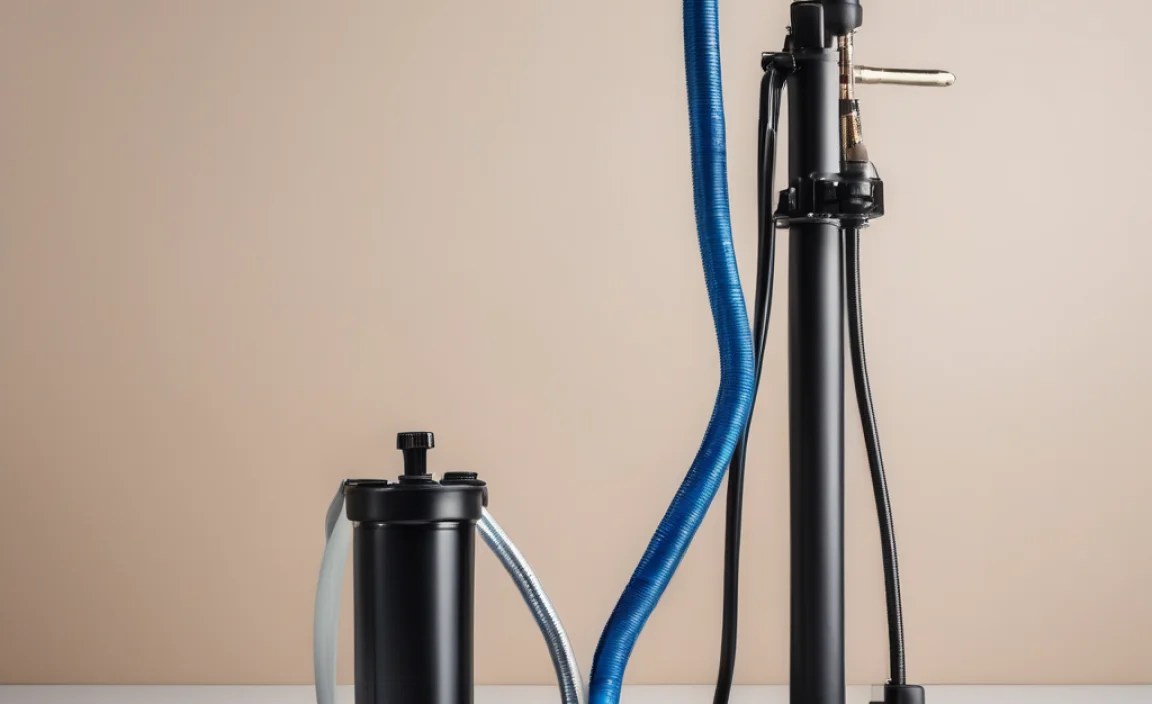
Here are some additional tips to help you pump air evenly and efficiently:
- Use Your Body Weight: For floor pumps, use your body weight to assist with the pumping action. This will make it easier to achieve higher pressures.
- Maintain a Straight Posture: Keep your back straight and avoid bending too much at the waist. This will help prevent back pain and improve your pumping efficiency.
- Lubricate the Pump: Periodically lubricate the pump’s internal parts with a silicone-based lubricant. This will keep the pump working smoothly and extend its lifespan.
- Check for Leaks: Regularly inspect the pump hose and connections for leaks. Replace any worn or damaged parts.
- Practice Makes Perfect: The more you practice, the better you’ll become at pumping air evenly. Don’t be discouraged if you don’t get it right away.
Troubleshooting Common Issues
Even with the best technique, you may encounter some common issues when pumping air. Here’s how to troubleshoot them:
| Issue | Possible Cause | Solution |
|---|---|---|
| Air Leaking Around Valve | Loose pump head, damaged valve, incorrect nozzle | Readjust pump head, replace valve, use correct nozzle |
| Pump Feels Too Hard | High tire pressure, pump malfunction, incorrect pumping technique | Check tire pressure, lubricate pump, use body weight |
| Pump Not Inflating Tire | Blocked valve, damaged pump head, air leak | Clean valve, replace pump head, check for leaks |
| Pressure Gauge Inaccurate | Damaged gauge, calibration issue | Replace gauge, calibrate pump |
Maintaining Your Hand Pump
Proper maintenance will keep your hand pump working efficiently and extend its lifespan. Here are some tips:
- Clean Regularly: Wipe down the pump with a clean cloth after each use to remove dirt and debris.
- Lubricate Moving Parts: Periodically lubricate the pump’s internal parts with a silicone-based lubricant.
- Inspect for Damage: Regularly inspect the pump hose, pump head, and gauge for any signs of wear or damage. Replace any worn or damaged parts.
- Store Properly: Store the pump in a dry, protected location to prevent rust and corrosion.
FAQ: Pumping Air Evenly Using a Hand Pump
Here are some frequently asked questions about pumping air evenly using a hand pump:
What PSI should my tires be?
The recommended PSI (pounds per square inch) for your tires is usually printed on the tire sidewall. It varies depending on the type of tire, your weight, and riding conditions. Always stay within the recommended range to ensure optimal performance and safety.
How often should I check my tire pressure?
It’s a good idea to check your tire pressure before each ride, especially if you haven’t ridden in a while. Tires can lose air over time, so regular checks will help maintain optimal pressure.
Can I use a car tire pump on my bike?
While it’s possible to use a car tire pump on a bike with Schrader valves, it’s not recommended. Car tire pumps are designed for higher volumes of air and can easily over-inflate bike tires. It’s best to use a pump specifically designed for bikes.
What’s the difference between Presta and Schrader valves?
Presta valves are narrow valves with a small locking nut at the tip, commonly found on road bikes. Schrader valves are wider valves, similar to those found on car tires, typically used on mountain bikes and hybrid bikes. They require different pump head attachments.
How do I know if my pump is compatible with my valve type?
Check the pump head to see if it’s designed for Presta, Schrader, or both. Some pumps have dual heads that can accommodate both valve types. Others require you to switch internal parts or use an adapter.
What if I don’t have a pressure gauge on my pump?
If your pump doesn’t have a pressure gauge, it’s difficult to inflate your tires accurately. Consider purchasing a separate tire pressure gauge to check the pressure after inflating. Alternatively, upgrade to a pump with a built-in gauge.
Why is it so hard to pump air into my tires?
Pumping air into tires can be challenging, especially at higher pressures. Make sure you’re using your body weight and arm strength together for a consistent pumping action. Also, check the pump head connection and valve alignment to ensure there are no air leaks.
Conclusion
Mastering the art of pumping air evenly with a hand pump might seem daunting at first, but with the right tools and techniques, it becomes second nature. By choosing the right pump, following our step-by-step guide, and troubleshooting common issues, you’ll be able to maintain your tires at the optimal pressure for a smooth and safe ride.
Remember to check your tire pressure regularly, maintain your pump, and practice your technique. With a little effort, you’ll be pumping like a pro in no time, enjoying every mile of your cycling adventures. Happy riding!


