
How Often Should a Heat Pump Cycle? A Simple Guide

Quick Summary: A heat pump should cycle 3-8 times per hour under normal conditions. Short cycling (turning on and off rapidly) or excessively long cycles indicate potential problems like refrigerant leaks, dirty filters, or incorrect sizing. Monitoring cycle frequency helps maintain efficiency and prevent costly repairs.
Is your heat pump turning on and off too frequently? Or maybe it seems to run forever? Understanding how often your heat pump should cycle is key to ensuring it’s working efficiently and preventing future headaches. Many homeowners find it frustrating to diagnose HVAC issues, but don’t worry! This guide will walk you through the ideal cycling frequency, what causes abnormal patterns, and how to troubleshoot common problems. By the end, you’ll be equipped to keep your heat pump running smoothly for years to come.
Understanding Heat Pump Cycling
A heat pump works by transferring heat, rather than generating it. In the winter, it extracts heat from the outside air (even when it’s cold!) and moves it inside. In the summer, it reverses the process, removing heat from your home and releasing it outside. This cycle of heating and cooling is what we refer to as a “cycle.”
What is a “Normal” Cycle?
A normal heat pump cycle typically lasts for 10-20 minutes. Ideally, your heat pump should cycle 3 to 8 times per hour, depending on factors like:
- Outdoor Temperature: Colder temperatures in winter will cause longer and more frequent cycles.
- Indoor Temperature Setting: A higher temperature setting in winter (or lower in summer) will also increase cycle frequency and duration.
- Insulation: Good insulation helps maintain a consistent temperature, reducing the need for frequent cycling.
- Heat Pump Size: An appropriately sized heat pump will cycle efficiently. An oversized or undersized unit will lead to problems.
Why Cycling Frequency Matters
The frequency of your heat pump’s cycles directly impacts:
- Energy Efficiency: Frequent short cycles consume more energy than longer, consistent cycles.
- Comfort: Inconsistent temperatures can make your home uncomfortable.
- Equipment Lifespan: Short cycling puts extra strain on components, potentially shortening the lifespan of your heat pump.
Identifying Abnormal Cycling Patterns
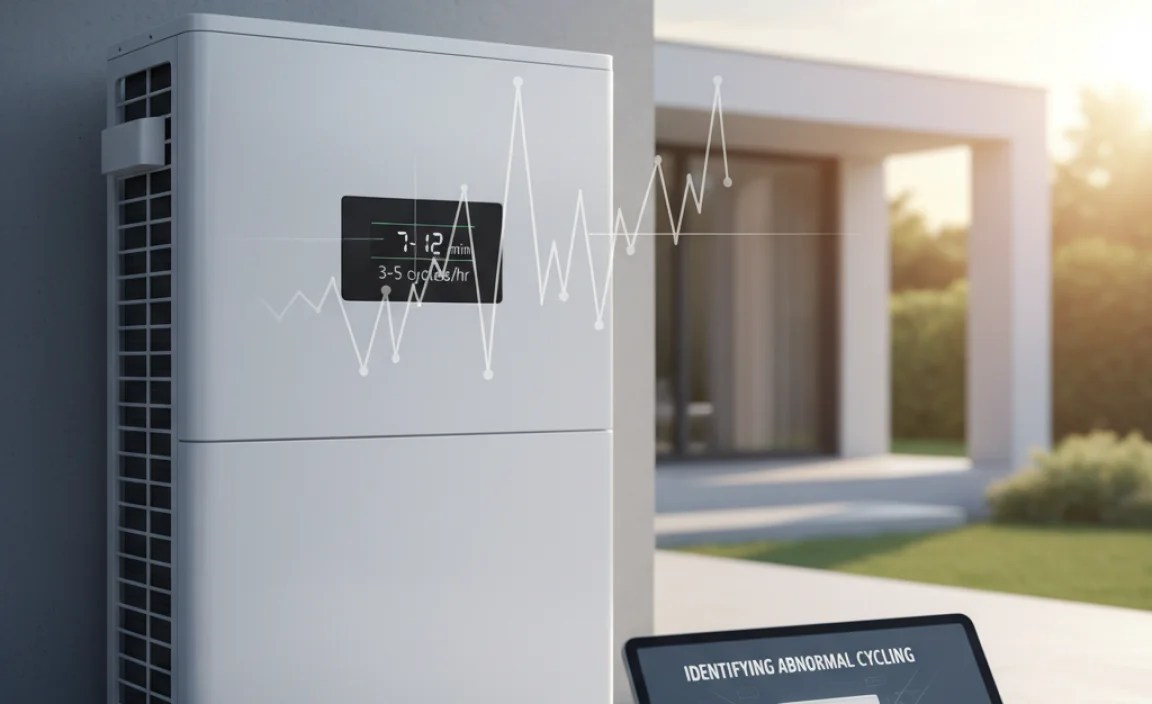
Two common abnormal cycling patterns are short cycling and excessively long cycles. Recognizing these issues early can save you money and prevent major repairs.
Short Cycling
Short cycling refers to a heat pump turning on and off too frequently, often running for only a few minutes at a time. This is a common problem that can lead to:
- Increased Energy Bills: The heat pump uses more energy to start up than to run continuously.
- Uneven Heating/Cooling: The short cycles don’t allow enough time to properly heat or cool the space.
- Premature Wear and Tear: Frequent starts and stops put stress on the compressor and other components.
Causes of Short Cycling
- Dirty Air Filter: A clogged filter restricts airflow, causing the heat pump to overheat and shut down prematurely.
- Refrigerant Leaks: Low refrigerant levels can prevent the heat pump from operating efficiently.
- Oversized Heat Pump: An oversized unit cools or heats the space too quickly and then shuts off, leading to short cycles.
- Electrical Issues: Problems with wiring or the thermostat can cause erratic cycling.
Excessively Long Cycles
On the other hand, excessively long cycles occur when the heat pump runs for extended periods without shutting off. This can indicate:
- Inefficient Heating/Cooling: The heat pump struggles to reach the desired temperature.
- High Energy Consumption: Continuous operation leads to increased energy bills.
- Potential Component Failure: Overworking the system can cause components to overheat and fail.
Causes of Excessively Long Cycles
- Dirty Coils: Dirty evaporator or condenser coils reduce the heat transfer efficiency.
- Undersized Heat Pump: An undersized unit has to work harder and longer to maintain the set temperature.
- Poor Insulation: Inadequate insulation allows heat to escape in winter (or enter in summer), forcing the heat pump to run longer.
- Air Leaks: Drafts from windows, doors, or ductwork can make it difficult to maintain a consistent temperature.
Troubleshooting Common Cycling Problems
Now that you know what to look for, let’s explore some troubleshooting steps you can take to address abnormal cycling patterns.
Addressing Short Cycling
- Check the Air Filter: Replace a dirty air filter with a clean one. Aim to change your filter every 1-3 months, or more often if you have pets or allergies.
- Inspect the Coils: Clean the evaporator and condenser coils. You can use a fin comb and a coil cleaner specifically designed for HVAC systems.
- Verify Thermostat Settings: Ensure the thermostat is set correctly and functioning properly. Try replacing the batteries or resetting the thermostat.
- Check for Refrigerant Leaks: If you suspect a refrigerant leak, contact a qualified HVAC technician. Refrigerant leaks require professional repair.
Addressing Excessively Long Cycles
- Check Airflow: Make sure vents are open and not blocked by furniture or other objects.
- Improve Insulation: Add insulation to your attic, walls, and crawl spaces to reduce heat loss or gain.
- Seal Air Leaks: Caulk and weatherstrip around windows and doors to minimize drafts.
- Inspect Ductwork: Seal any leaks in your ductwork to prevent air loss. You can use duct tape or mastic sealant.
DIY vs. Professional Help
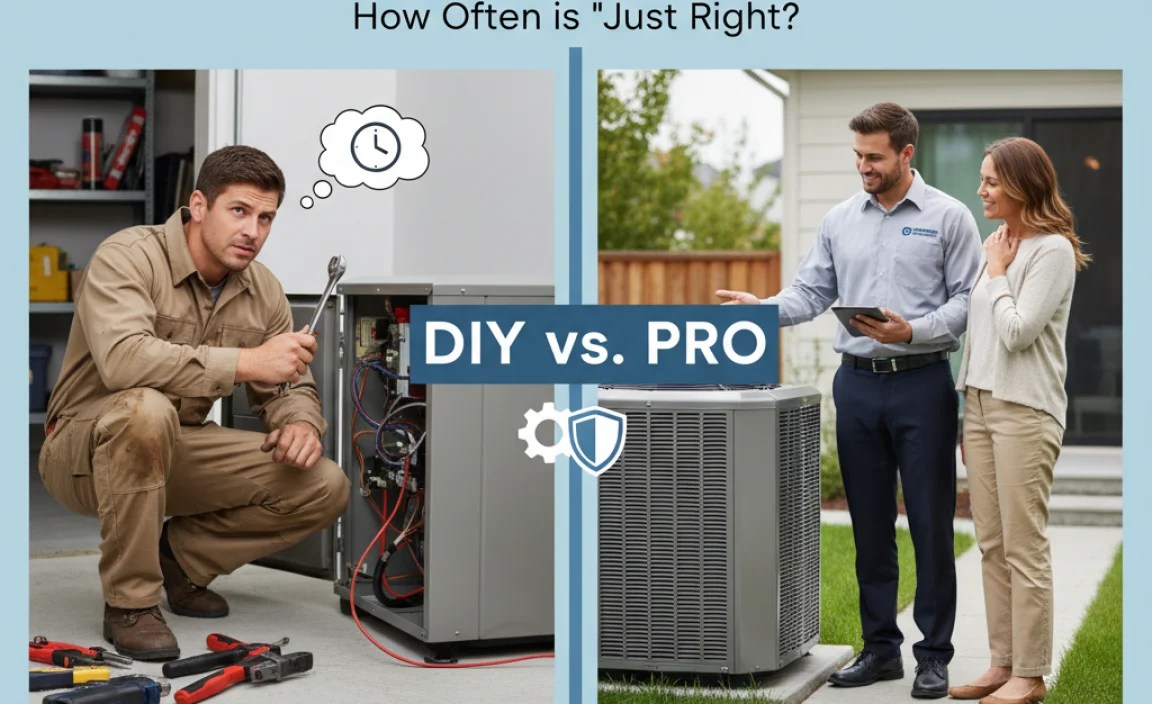
Some troubleshooting steps, like changing the air filter or cleaning coils, are easy to do yourself. However, other issues, such as refrigerant leaks or electrical problems, require the expertise of a qualified HVAC technician. When in doubt, it’s always best to call a professional to avoid further damage or injury.
When to Call a Professional
Contact a qualified HVAC technician if you experience any of the following:
- Refrigerant Leaks: This requires specialized equipment and knowledge.
- Electrical Issues: Working with electricity can be dangerous.
- Compressor Problems: The compressor is the heart of the heat pump, and repairs are complex.
- Unusual Noises: Grinding, hissing, or banging sounds can indicate serious mechanical problems.
- Persistent Cycling Problems: If you’ve tried troubleshooting and the problem persists, it’s time to call a professional.
Maintaining Optimal Heat Pump Performance
Regular maintenance is key to ensuring your heat pump operates efficiently and reliably. Here’s a maintenance checklist to keep your system in top condition:
- Monthly Air Filter Replacement: Check and replace the air filter regularly.
- Annual Professional Inspection: Schedule an annual inspection with a qualified HVAC technician.
- Coil Cleaning: Clean the evaporator and condenser coils at least once a year.
- Check Refrigerant Levels: Have a professional check refrigerant levels periodically.
- Inspect Ductwork: Inspect ductwork for leaks and damage.
- Clear Debris: Keep the area around the outdoor unit clear of debris, such as leaves, snow, and vegetation.
Factors Affecting Heat Pump Cycling
Several external and internal factors can influence how often your heat pump cycles. Understanding these factors can help you optimize your system’s performance.
External Factors
- Climate: Colder climates will generally result in more frequent and longer cycles during the heating season.
- Weather Conditions: Extreme weather conditions, such as heat waves or cold snaps, can also impact cycling frequency.
- Sun Exposure: Homes with significant sun exposure may experience more frequent cooling cycles.
Internal Factors
- Home Size and Layout: Larger homes or homes with complex layouts may require longer cycles to maintain a consistent temperature.
- Occupancy: The number of people living in the home and their activity levels can affect heating and cooling demands.
- Appliance Usage: Using appliances that generate heat, such as ovens or dryers, can impact cooling cycles.
Optimizing Your Heat Pump’s Efficiency
There are several steps you can take to improve your heat pump’s efficiency and reduce cycling frequency.
- Upgrade to a Smart Thermostat: Smart thermostats can learn your heating and cooling preferences and adjust the temperature accordingly.
- Improve Insulation: Adding insulation can significantly reduce heat loss or gain.
- Seal Air Leaks: Sealing air leaks can prevent drafts and maintain a more consistent temperature.
- Regular Maintenance: Following a regular maintenance schedule can keep your system running efficiently.
Heat Pump Cycling and Energy Consumption
The relationship between heat pump cycling and energy consumption is crucial to understand for cost savings and environmental impact.
The Impact of Short Cycling on Energy Bills
Short cycling is particularly wasteful because the heat pump consumes more energy during start-up. Frequent short cycles mean the unit is constantly starting up, leading to higher energy bills. A heat pump that runs efficiently with longer cycles uses less energy overall.
How Long Cycles Affect Energy Use
While long cycles might seem efficient, excessively long cycles can also indicate a problem. If your heat pump is running constantly without reaching the set temperature, it’s likely working harder than it should, which increases energy consumption. It is essential to find the right balance to optimize energy use.
Estimating Energy Consumption Based on Cycling Patterns
You can estimate your heat pump’s energy consumption by monitoring its cycling patterns. Use a smart thermostat or energy monitoring system to track how often your heat pump runs. Comparing this data with your energy bills can help you identify potential inefficiencies and make informed decisions about maintenance or upgrades.
Heat Pump Size and Cycling Frequency
The size of your heat pump relative to your home’s heating and cooling needs is a critical factor in determining its cycling frequency.
Oversized Heat Pumps and Short Cycling
An oversized heat pump can cool or heat your home too quickly and then shut off, leading to short cycles. This not only wastes energy but also puts unnecessary wear and tear on the system. Ideally, the unit should run long enough to distribute heat evenly, which an oversized heat pump fails to do.
Undersized Heat Pumps and Long Cycles
On the other hand, an undersized heat pump will struggle to maintain the desired temperature, resulting in excessively long cycles. This can overwork the system and lead to premature failure. An undersized unit runs constantly, consuming more energy and potentially causing discomfort.
How to Determine the Right Size Heat Pump
Determining the right size heat pump involves considering factors such as your home’s square footage, insulation levels, climate, and window efficiency. A professional HVAC technician can perform a load calculation to determine the appropriate size for your home. Using the right size heat pump ensures efficient operation and minimizes cycling issues.
Heat Pump Maintenance and Cycling Frequency
Regular maintenance is vital to ensuring your heat pump cycles efficiently and reliably.
The Role of Air Filters
Clean air filters are essential for maintaining proper airflow. Dirty filters restrict airflow, causing the heat pump to work harder and cycle more frequently. Aim to change your air filter every 1-3 months, or more often if you have pets or allergies.
Coil Cleaning
Dirty evaporator and condenser coils reduce the heat transfer efficiency of your heat pump. Clean the coils at least once a year to ensure optimal performance. You can use a fin comb and a coil cleaner specifically designed for HVAC systems.
Professional Inspections
Schedule an annual inspection with a qualified HVAC technician. A professional can identify potential problems, check refrigerant levels, and ensure all components are functioning properly. Regular professional maintenance can extend the lifespan of your heat pump and prevent costly repairs.
Here’s a table summarizing common issues, causes, and solutions:
| Issue | Possible Cause | Troubleshooting Step |
|---|---|---|
| Short Cycling | Dirty air filter | Replace air filter |
| Short Cycling | Refrigerant leak | Call a professional |
| Long Cycling | Dirty coils | Clean evaporator and condenser coils |
| Long Cycling | Poor insulation | Improve insulation in your home |
| Inefficient Heating/Cooling | Air leaks | Seal air leaks around windows and doors |
| High Energy Bills | Incorrect thermostat settings | Verify and adjust thermostat settings |
FAQ: Heat Pump Cycling
Here are some frequently asked questions about heat pump cycling to help you better understand your system.
- Q: How do I know if my heat pump is short cycling?
- A: If your heat pump turns on and off every few minutes, rather than running for 10-20 minutes at a time, it’s likely short cycling.
- Q: Can a dirty air filter cause short cycling?
- A: Yes, a dirty air filter restricts airflow, causing the heat pump to overheat and shut down prematurely, leading to short cycles.
- Q: What should I do if I suspect a refrigerant leak?
- A: Contact a qualified HVAC technician immediately. Refrigerant leaks require professional repair.
- Q: How often should I change my air filter?
- A: Aim to change your air filter every 1-3 months, or more often if you have pets or allergies.
- Q: Is it normal for my heat pump to run constantly in very cold weather?
- A: It’s normal for a heat pump to run more frequently and for longer periods in very cold weather, but it shouldn’t run constantly without ever shutting off. If it does, there may be an underlying issue.
- Q: Can I clean the heat pump coils myself?
- A: Yes, you can clean the evaporator and condenser coils using a fin comb and a coil cleaner specifically designed for HVAC systems. Be sure to turn off the power to the unit before cleaning.
- Q: How can I improve my home’s insulation to reduce heat pump cycling?
- A: Add insulation to your attic, walls, and crawl spaces to reduce heat loss or gain. Seal air leaks around windows and doors to minimize drafts.
Conclusion
Understanding how often your heat pump should cycle is crucial for maintaining its efficiency, ensuring your comfort, and prolonging its lifespan. By monitoring cycling patterns, troubleshooting common issues, and performing regular maintenance, you can keep your system running smoothly for years to come. Remember, while some tasks are DIY-friendly, others require the expertise of a qualified HVAC professional. Don’t hesitate to seek professional help when needed to ensure your heat pump is operating safely and efficiently. A little knowledge and proactive care can go a long way in keeping your home comfortable and your energy bills manageable.
“`


