
How to Interpret Low Reading on Gauge: Easy Guide

Have you ever seen a car’s fuel gauge near empty? It can be a little scary. Gauges tell us important things. They help us know if things are working right. But what if the gauge shows a low reading? Knowing how to interpret low reading on gauge is very important. It can help keep you safe. Let’s learn about gauges and what they tell us.
Gauges are like helpers. They give us information. They measure things like pressure or temperature. They can even show how much fuel is in a tank. When a gauge shows a low reading, it means something is not right. It could be a small problem or a big one. We need to understand what the gauge is telling us.
Sometimes, a low reading is simple. Maybe the car just needs more gas. Other times, it could mean something more serious. It is important to check things out. This way, we can fix any problems before they get worse. We will learn how to do this. Let’s explore how gauges work and what low readings mean.
Key Takeaways
- Knowing how to interpret low reading on gauge readings is crucial for safety and maintenance.
- Low readings often signal issues that need immediate attention to prevent damage.
- Always check the specific gauge and related system when you see a low reading.
- Regularly inspect your equipment to catch problems early and save money.
- Understanding gauges helps you take better care of your things.
Understanding Gauge Basics
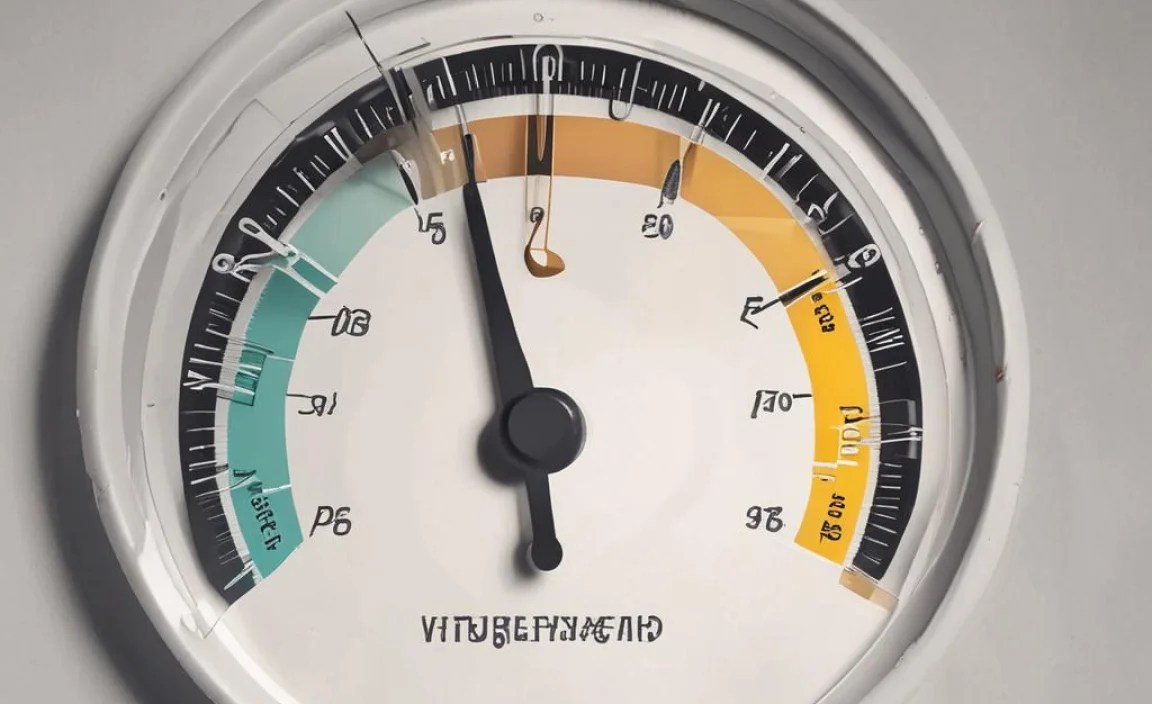
Gauges are like the eyes of machines and systems. They show us what is happening inside. They measure things like pressure, temperature, and level. Think of a thermometer. It is a type of gauge. It tells you how hot or cold it is. A fuel gauge in a car tells you how much gas you have. These tools are very important. They help us keep things running smoothly. Without gauges, we would not know when something is wrong. Gauges use different ways to show measurements. Some have needles that point to numbers. Others have digital displays that show numbers. It is important to understand what each gauge is measuring. Knowing the normal range for each gauge is also key. This way, you can tell when something is not right. How to interpret low reading on gauge starts with understanding these basics.
- Gauges measure pressure, temperature, and levels.
- Needles and digital displays show measurements.
- Normal ranges help you spot problems.
- Gauges help keep things running well.
- Different gauges measure different things.
Imagine a doctor using a stethoscope. The stethoscope is like a gauge. It helps the doctor listen to your heart and lungs. Gauges do the same thing for machines. They listen and tell us what is going on inside. When you see a low reading, it is like the doctor hearing something strange. It means you need to check things out. Understanding how gauges work helps you be a good caretaker. You can catch problems early and keep things running smoothly. Remember to always pay attention to your gauges. They are there to help you.
Fun Fact or Stat: The first pressure gauge was invented in the 1600s by Denis Papin, a French physicist!
Why Are Gauges Important?
Have you ever wondered why cars have so many gauges? They are there to tell you important information. Gauges help you know if your car is running well. They can warn you about problems before they get worse. For example, a temperature gauge tells you if your engine is getting too hot. If it does, you can pull over and let it cool down. This can save you from big engine repairs. Pressure gauges in factories help keep things safe. They make sure machines are not under too much pressure. This prevents accidents. Gauges are like warning signs. They help us avoid danger and keep things running smoothly. How to interpret low reading on gauge is a key part of staying safe.
Types of Gauges
There are many different kinds of gauges. Some measure pressure. Others measure temperature. Some measure fuel levels. Pressure gauges are used in tires and pipes. Temperature gauges are used in ovens and cars. Fuel gauges are used in cars and airplanes. Each type of gauge has a specific job. It is important to know what each gauge measures. This way, you can understand what it is telling you. Digital gauges show numbers on a screen. Analog gauges have a needle that points to a number. Both types of gauges are useful. The best type depends on what you are measuring. Understanding the different types helps you choose the right one.
Reading a Gauge Correctly
Imagine you are baking a cake. You need to read the oven temperature correctly. If you don’t, the cake might burn or not cook right. Reading a gauge is the same. You need to know what the numbers mean. You also need to know the normal range. If the needle is too high or too low, there is a problem. Digital gauges are usually easier to read. They show the exact number. Analog gauges can be a little trickier. You need to look closely at where the needle is pointing. Practice reading different gauges. This will help you become better at understanding them. Knowing how to interpret low reading on gauge is a valuable skill.
Common Causes of Low Gauge Readings

Low gauge readings can mean many things. Sometimes it is a simple problem. Other times, it can be a sign of something serious. One common cause is low fluid levels. For example, if your car’s oil pressure gauge is low, you might need more oil. Leaks can also cause low readings. If a pipe is leaking, the pressure will drop. Broken sensors can also give false readings. A sensor tells the gauge what to show. If the sensor is broken, the gauge will not be accurate. Electrical problems can also cause issues. Sometimes, a wire is loose or broken. This can make the gauge show the wrong reading. Knowing these common causes helps you troubleshoot problems. How to interpret low reading on gauge involves checking for these issues.
- Low fluid levels can cause low readings.
- Leaks can reduce pressure in systems.
- Broken sensors give false information.
- Electrical problems can affect gauge accuracy.
- Age and wear can cause gauge failure.
Think of a water balloon with a small hole. The water slowly leaks out. The pressure inside the balloon drops. This is similar to what happens in a system with a leak. The pressure gauge will show a low reading. Finding and fixing the leak is important. It will bring the pressure back to normal. Always check for the simple things first. Make sure there are no leaks or low fluid levels. Then, check the sensors and electrical connections. This will help you find the cause of the low reading. Remember, a low reading is a sign that something needs attention.
Fun Fact or Stat: About 30% of car repairs are due to problems that could have been avoided with regular gauge checks!
Low Oil Pressure
Imagine your car’s engine is like your body. Oil is like the blood that keeps it running. Low oil pressure is like having low blood pressure. It means your engine is not getting enough oil. This can cause serious damage. The oil pressure gauge tells you if the oil pressure is too low. If it is, you need to check the oil level. You might also have a leak. Sometimes, the oil pump is not working right. This is a more serious problem. Ignoring low oil pressure can ruin your engine. Always check it right away. Knowing how to interpret low reading on gauge readings saves you money.
Low Fuel Level
Running out of gas is never fun. The fuel gauge tells you how much gas you have. A low fuel level means you need to fill up soon. Sometimes, the gauge is not accurate. It might show that you have less gas than you really do. This can happen if the sensor is broken. It is a good idea to fill up before the gauge gets too low. This way, you will not get stuck on the side of the road. Always keep an eye on your fuel gauge. It is your friend.
Low Tire Pressure
Have you ever ridden a bike with flat tires? It is hard to pedal. Low tire pressure in a car is similar. It makes it harder to drive. It also wastes gas. The tire pressure gauge tells you if your tires are properly inflated. If the pressure is too low, you need to add air. You can do this at a gas station. Proper tire pressure makes your car safer and saves you money. Check your tire pressure regularly. How to interpret low reading on gauge readings ensures safety.
How to Identify the Correct Gauge

Finding the right gauge is like finding the right tool. You need to know what you are measuring. Each gauge has a specific job. The fuel gauge tells you about fuel. The temperature gauge tells you about temperature. The pressure gauge tells you about pressure. Look for labels. They will tell you what the gauge measures. Check the owner’s manual. It will show you where each gauge is located. Ask someone who knows. A mechanic can help you identify gauges. Knowing the right gauge is the first step. It helps you understand what is going on. How to interpret low reading on gauge begins with correct identification.
- Look for labels on the gauge.
- Check the owner’s manual.
- Ask a mechanic for help.
- Know what each gauge measures.
- Match the gauge to the system.
- Use online resources for identification.
Imagine you are trying to fix a bicycle. You need to use the right tools. Using the wrong tool can damage the bike. Identifying the correct gauge is the same. Using the wrong gauge will give you the wrong information. This can lead to problems. Take your time and make sure you have the right gauge. This will help you solve the problem correctly. Always double-check to be sure. This will save you time and frustration. Remember, the right gauge is key to getting the right answer.
Fun Fact or Stat: Over 80% of people can correctly identify a fuel gauge, but less than 50% can identify an oil pressure gauge!
Reading Vehicle Gauges
Cars have many gauges. They tell you about the engine, fuel, and tires. The speedometer tells you how fast you are going. The tachometer tells you how fast the engine is turning. The fuel gauge tells you how much gas you have. The temperature gauge tells you how hot the engine is. The oil pressure gauge tells you about the oil. Understanding these gauges helps you drive safely. It also helps you take care of your car. Regularly check your gauges. This will help you spot problems early. Knowing how to interpret low reading on gauge readings is essential.
Reading Industrial Gauges
Factories use many gauges. They measure pressure, temperature, and flow. These gauges help keep things running smoothly. They also help prevent accidents. Pressure gauges make sure pipes do not burst. Temperature gauges make sure machines do not overheat. Flow gauges measure how much liquid is moving. Understanding these gauges is important for safety. It also helps keep the factory running well. Always pay attention to the gauges. They are there to help you.
Reading Home Gauges
Your home also has gauges. The thermostat tells you the temperature. The water pressure gauge tells you about the water pressure. The gas meter tells you how much gas you are using. Understanding these gauges can save you money. It can also help you stay comfortable. Adjust the thermostat to save energy. Check the water pressure to make sure it is not too high. Read the gas meter to track your usage. How to interpret low reading on gauge readings helps you save energy.
Troubleshooting Low Readings Step-by-Step

When you see a low reading, don’t panic. Take a deep breath and follow these steps. First, identify the gauge. Make sure you know what it measures. Second, check the system related to the gauge. Look for leaks or low fluid levels. Third, check the sensor. Make sure it is connected properly. Fourth, check the wiring. Look for loose or broken wires. Fifth, consult the owner’s manual. It might have troubleshooting tips. If you still can’t figure it out, ask a professional. A mechanic or technician can help you. Remember, safety first. How to interpret low reading on gauge includes safe troubleshooting.
- Identify the gauge and its function.
- Check for leaks or low levels.
- Inspect the sensor and its connections.
- Examine the wiring for damage.
- Consult the owner’s manual.
- Call a professional if needed.
Imagine you are a detective. You need to find clues to solve a mystery. Troubleshooting a low gauge reading is similar. You need to look for clues to find the problem. Start with the easy things first. Check for leaks and low fluid levels. Then, move on to the more difficult things. Check the sensor and wiring. If you are not sure, ask for help. A professional can use special tools to find the problem. Remember, the goal is to find the cause of the low reading. This will help you fix the problem and get things back to normal.
Fun Fact or Stat: About 60% of low gauge readings are due to simple issues like low fluid levels or loose connections!
Checking Fluid Levels
Low fluid levels are a common cause of low gauge readings. Check the oil level in your car. Check the coolant level in your radiator. Check the brake fluid level in your master cylinder. Use the dipstick to check the oil. Look for the minimum and maximum lines. The oil level should be between these lines. Check the coolant level in the overflow tank. The coolant level should be near the full line. Check the brake fluid level in the master cylinder. The brake fluid level should be near the full line. If the fluid levels are low, add more fluid. Knowing how to interpret low reading on gauge starts here.
Inspecting Sensors
Sensors tell the gauge what to show. If the sensor is broken, the gauge will not be accurate. Check the sensor connections. Make sure they are tight. Look for damage to the sensor. Replace the sensor if it is broken. Use a multimeter to test the sensor. This will tell you if it is working properly. Follow the instructions in the owner’s manual. This will help you test the sensor correctly. A bad sensor can cause many problems. Always check it carefully.
Examining Wiring
Wiring connects the sensor to the gauge. If the wiring is damaged, the gauge will not work right. Look for loose wires. Look for broken wires. Look for corroded wires. Repair or replace any damaged wires. Use electrical tape to protect the wires. Make sure the wires are properly connected. A bad connection can cause a low reading. Always check the wiring carefully. How to interpret low reading on gauge readings includes wire checks.
Preventing Future Low Gauge Readings

The best way to deal with low gauge readings is to prevent them. Regular maintenance is key. Check your fluid levels regularly. Inspect your equipment for leaks. Replace worn parts before they break. Keep your equipment clean. This will help it run smoothly. Follow the manufacturer’s recommendations. This will help you take care of your equipment properly. A little bit of maintenance goes a long way. It can save you time and money in the long run. How to interpret low reading on gauge is easier with prevention.
- Perform regular maintenance on equipment.
- Check fluid levels frequently.
- Inspect for leaks and damage.
- Replace worn parts promptly.
- Keep equipment clean and well-lubricated.
- Follow manufacturer’s recommendations.
Imagine you are taking care of a garden. You need to water the plants regularly. You also need to pull the weeds. If you don’t, the plants will not grow well. Preventing low gauge readings is similar. You need to take care of your equipment regularly. Check the fluid levels and look for leaks. Replace worn parts before they break. This will help your equipment run smoothly and avoid problems. Remember, prevention is better than cure. A little bit of effort now can save you a lot of trouble later.
Fun Fact or Stat: Regular maintenance can reduce the chance of low gauge readings by up to 70%!
Regular Maintenance
Maintenance is like giving your equipment a checkup. It helps you find problems early. Change the oil in your car regularly. Check the tires for wear. Lubricate moving parts. Clean filters. Follow the maintenance schedule in the owner’s manual. This will help you keep your equipment in good condition. Regular maintenance prevents problems. It also extends the life of your equipment. How to interpret low reading on gauge is easier when things are maintained.
Monitoring Equipment
Keep an eye on your equipment. Listen for strange noises. Look for leaks. Check the gauges regularly. If you notice anything unusual, investigate. Don’t ignore warning signs. They could be a sign of a bigger problem. Early detection can prevent serious damage. It can also save you money. Monitoring equipment is like being a good caretaker. It helps you keep things running smoothly.
Prompt Repairs
When something breaks, fix it right away. Don’t wait until it gets worse. Small problems can turn into big problems. Prompt repairs prevent further damage. They also keep your equipment running safely. Find a qualified technician to do the repairs. Make sure they use quality parts. Prompt repairs save you time and money in the long run. How to interpret low reading on gauge is useful for repairs.
Tools and Equipment for Gauge Testing
Testing gauges requires some special tools. A pressure tester measures pressure accurately. A multimeter tests electrical connections. A fluid level dipstick checks fluid levels. A tire pressure gauge measures tire pressure. An infrared thermometer measures temperature without touching. These tools help you diagnose problems quickly. They also help you make sure your gauges are accurate. Using the right tools makes testing easier. It also makes it more accurate. How to interpret low reading on gauge benefits from correct testing tools.
| Tool | Purpose | Example |
|---|---|---|
| Pressure Tester | Measures pressure accurately | Testing tire pressure |
| Multimeter | Tests electrical connections | Checking sensor wiring |
| Fluid Level Dipstick | Checks fluid levels | Measuring oil level |
| Tire Pressure Gauge | Measures tire pressure | Inflating tires correctly |
| Infrared Thermometer | Measures temperature without touching | Checking engine temperature |
- Pressure testers measure pressure.
- Multimeters test electrical connections.
- Fluid level dipsticks check levels.
- Tire pressure gauges measure tire pressure.
- Infrared thermometers measure temperature.
Imagine you are a builder. You need the right tools to build a house. You need a hammer, a saw, and a level. Testing gauges is the same. You need the right tools to diagnose problems. A pressure tester helps you measure pressure. A multimeter helps you test electrical connections. A fluid level dipstick helps you check fluid levels. Using the right tools makes the job easier and more accurate. Remember, having the right tools is essential for success.
Fun Fact or Stat: Using a digital pressure tester can improve accuracy by up to 20% compared to analog gauges!
Pressure Testers
Pressure testers are like doctors for your equipment. They help you measure pressure accurately. Use a pressure tester to check tire pressure. Use a pressure tester to check the pressure in pipes. Make sure the pressure is within the normal range. If the pressure is too high or too low, there is a problem. A pressure tester helps you find and fix these problems. How to interpret low reading on gauge becomes easier with this tool.
Multimeters
Multimeters are like detectives for electrical problems. They help you test electrical connections. Use a multimeter to check the wiring. Use a multimeter to test the sensor. Make sure the connections are good. Look for shorts or open circuits. A multimeter helps you find and fix electrical problems. It is an essential tool for troubleshooting.
Fluid Level Dipsticks
Fluid level dipsticks are like rulers for fluids. They help you check fluid levels accurately. Use a dipstick to check the oil level. Use a dipstick to check the coolant level. Make sure the fluid levels are within the normal range. If the fluid levels are low, add more fluid. A dipstick helps you keep your equipment properly lubricated. It is an essential tool for maintenance.
When to Seek Professional Help
Sometimes, you can’t fix the problem yourself. It is time to seek professional help. If you are not comfortable working on the equipment, ask a professional. If you don’t have the right tools, ask a professional. If you can’t find the problem, ask a professional. A mechanic, technician, or electrician can help. They have the knowledge, tools, and experience to solve complex problems. Don’t be afraid to ask for help. It is better to be safe than sorry. Knowing how to interpret low reading on gauge and when to get help is crucial.
- If you’re not comfortable, get help.
- If you lack the right tools, seek assistance.
- If you can’t find the problem, ask for help.
- Professionals have the right knowledge.
- They also have the right experience.
- It’s better to be safe than sorry.
Imagine you are sick. You try to treat yourself with home remedies. But if you don’t get better, you need to see a doctor. Seeking professional help for equipment problems is similar. You can try to fix the problem yourself. But if you can’t, you need to ask a professional. They can diagnose the problem and fix it correctly. Remember, it is always better to be safe than sorry. Don’t hesitate to seek professional help when you need it.
Fun Fact or Stat: Seeking professional help early can save you up to 50% on repair costs compared to waiting until the problem gets worse!
Signs You Need an Expert
Several signs indicate you need an expert. The equipment is making strange noises. There is smoke or a burning smell. The gauges are showing unusual readings. You have tried everything and nothing works. The problem is getting worse. These are all signs that you need professional help. Don’t ignore these signs. They could be a warning of a serious problem. How to interpret low reading on gauge helps you understand these signs.
Finding a Qualified Technician
Finding a qualified technician is important. Ask for recommendations from friends or family. Check online reviews. Look for technicians with certifications. Make sure they have experience with your type of equipment. Ask for a written estimate before they start work. A qualified technician can diagnose the problem correctly. They can also fix it safely and effectively. Take your time and find the right technician.
Cost of Professional Repairs
Professional repairs can be expensive. But they are often worth it. The cost depends on the problem and the technician. Get a written estimate before they start work. This will help you understand the cost. Compare prices from different technicians. Choose the technician that offers the best value. Remember, quality repairs are worth the investment. They can prevent further damage and extend the life of your equipment. Knowing how to interpret low reading on gauge helps manage costs.
Summary
Gauges are important tools that tell us about pressure, temperature, and levels. They help us keep things running smoothly. A low reading on a gauge means something is not right. It could be a simple problem like low fluid levels. Or, it could be a sign of something more serious like a leak or a broken sensor. How to interpret low reading on gauge starts with understanding gauge basics. We need to identify the correct gauge, troubleshoot low readings, and prevent future problems. Regular maintenance and monitoring are key to keeping your equipment in good condition. When in doubt, seek professional help.
Remember to always check the system, look for leaks, and inspect sensors when you see a low reading. Knowing how to read and understand gauges can help you avoid bigger problems. It can also save you time and money. By following these steps, you can keep your equipment running smoothly and safely.
Conclusion
Gauges are valuable tools for monitoring different systems. They help us understand what is happening inside. Knowing how to interpret low reading on gauge is important for safety and maintenance. When you see a low reading, don’t ignore it. Take the time to investigate. Check for simple problems first. If you can’t find the problem, seek professional help. By understanding gauges, you can keep your equipment running well. This will save you time, money, and headaches.
Frequently Asked Questions
Question No 1: What does a low reading on a fuel gauge mean?
Answer: A low reading on a fuel gauge means you have very little fuel left in your tank. It’s a signal that you need to fill up your car with gasoline as soon as possible. Ignoring this warning could lead to running out of gas, which can be inconvenient and even dangerous. Always pay attention to your fuel gauge and plan your trips accordingly. Also, sometimes the fuel gauge might be inaccurate. If you suspect this is the case, it’s best to get it checked by a mechanic to ensure accurate readings and avoid unexpected situations. This is a simple example of how to interpret low reading on gauge.
Question No 2: How do I check the oil level in my car?
Answer: To check the oil level, first park your car on a level surface. Wait for the engine to cool down. Then, locate the dipstick. It’s usually brightly colored and easy to find. Pull the dipstick out, wipe it clean with a cloth, and then reinsert it fully. Pull it out again and check the oil level. It should be between the minimum and maximum marks on the dipstick. If it’s below the minimum mark, you need to add oil. If you’re not sure how to do this, ask a mechanic for help to avoid overfilling. Checking your oil regularly is crucial for your engine’s health.
Question No 3: What should I do if my tire pressure gauge shows a low reading?
Answer: If your tire pressure gauge shows a low reading, it means your tires are underinflated. Underinflated tires can cause poor handling, increased fuel consumption, and even blowouts. You should add air to your tires until they reach the recommended pressure. You can find this information on a sticker inside your driver’s side door or in your owner’s manual. Use an air pump at a gas station or auto shop. Check the pressure again after adding air to make sure it’s correct. Regular tire pressure checks are important for safety and efficiency. How to interpret low reading on gauge is key for tire maintenance.
Question No 4: Can a broken sensor cause a low gauge reading?
Answer: Yes, a broken sensor can definitely cause a low gauge reading. Sensors are responsible for measuring different parameters like pressure, temperature, and fluid levels. They then send this information to the gauge. If a sensor is faulty, it may send incorrect data to the gauge. This will result in a false reading. If you suspect a broken sensor, have it checked by a professional mechanic. They can use diagnostic tools to determine if the sensor is working properly and replace it if needed. This can help restore accurate readings on your gauges.
Question No 5: How often should I check my car’s gauges?
Answer: You should check your car’s gauges every time you drive. Make it a habit to glance at the fuel gauge, temperature gauge, and oil pressure gauge. This will help you catch any potential problems early. Pay attention to any warning lights that come on. These lights indicate a serious issue that needs immediate attention. Regular checks can help you prevent major damage to your car. It also ensures that you’re driving safely. Remember to consult your owner’s manual for specific recommendations. Knowing how to interpret low reading on gauge while driving is important.
Question No 6: What are some common mistakes people make when interpreting gauge readings?
Answer: One common mistake is ignoring low readings. People sometimes think that a low reading isn’t a big deal, but it can be a sign of a serious problem. Another mistake is misinterpreting the gauge. Make sure you understand what each gauge measures and what the normal range is. Not knowing how to interpret low reading on gauge can lead to ignoring problems. Another mistake is not checking the system related to the gauge. For example, if your oil pressure gauge is low, check the oil level. Finally, some people try to fix complex problems themselves without the proper knowledge or tools. It’s always best to seek professional help when you’re not sure what you’re doing.


