
How Often Should a Heat Pump Cycle On and Off?

Quick Summary: A heat pump should cycle on and off a few times per hour under normal conditions. Short cycling (turning on and off rapidly) is a sign of a problem, such as a refrigerant leak or a dirty filter. Longer cycles are generally more efficient. If your heat pump cycles excessively or not at all, it’s time to investigate the cause and potentially call a professional.
Is your heat pump turning on and off more than it should? Or maybe it seems to be running constantly. Figuring out the right cycling frequency can be confusing. It’s a common issue that many homeowners face, and it can lead to frustration and higher energy bills. But don’t worry, you’re not alone!
In this guide, we’ll break down what’s normal, what’s not, and what you can do about it. We’ll cover common causes of cycling issues, simple troubleshooting steps, and when it’s time to call in a pro. By the end, you’ll have a clear understanding of how your heat pump should be working and how to keep it running smoothly.
Understanding Heat Pump Cycling


Before diving into troubleshooting, let’s cover the basics of heat pump operation. This will give you a solid foundation for understanding what’s happening with your system.
What is a Heat Pump?
A heat pump is a heating and cooling system that moves heat rather than generating it. In the winter, it extracts heat from the outside air (even when it’s cold) and transfers it inside. In the summer, it reverses the process, removing heat from your home and releasing it outside. This makes it an energy-efficient alternative to traditional furnaces and air conditioners.
The Normal Cycling Process
A heat pump doesn’t run constantly. Instead, it cycles on and off to maintain the set temperature. Here’s what a normal cycle looks like:
- Thermostat Call: The thermostat senses the room temperature is different from your set point and signals the heat pump to turn on.
- Start-Up: The heat pump starts, and the compressor begins circulating refrigerant. The outdoor unit will start, followed by the indoor blower fan.
- Heating/Cooling: The heat pump extracts or releases heat, gradually changing the room temperature.
- Reaching Set Point: Once the room temperature reaches the set point, the thermostat signals the heat pump to turn off.
- Rest Period: The heat pump remains off until the room temperature drifts away from the set point again, restarting the cycle.
Ideal Cycling Frequency
So, how often should this cycle happen? A typical heat pump might cycle 2 to 4 times per hour. However, this can vary depending on several factors:
- Outdoor Temperature: On milder days, the heat pump might cycle less frequently. On very cold or hot days, it might run more often or even continuously to maintain the set temperature.
- Indoor Temperature: If the difference between the indoor temperature and the set point is large, the heat pump will run longer to close the gap.
- Insulation: A well-insulated home will lose heat or gain heat more slowly, resulting in fewer cycles.
- Heat Pump Size: An improperly sized heat pump (too large or too small) will cycle more frequently or run constantly.
It’s important to remember that there’s no one-size-fits-all answer. The key is to recognize what’s normal for your specific situation and to identify any significant changes in cycling behavior.
Common Cycling Problems and Their Causes
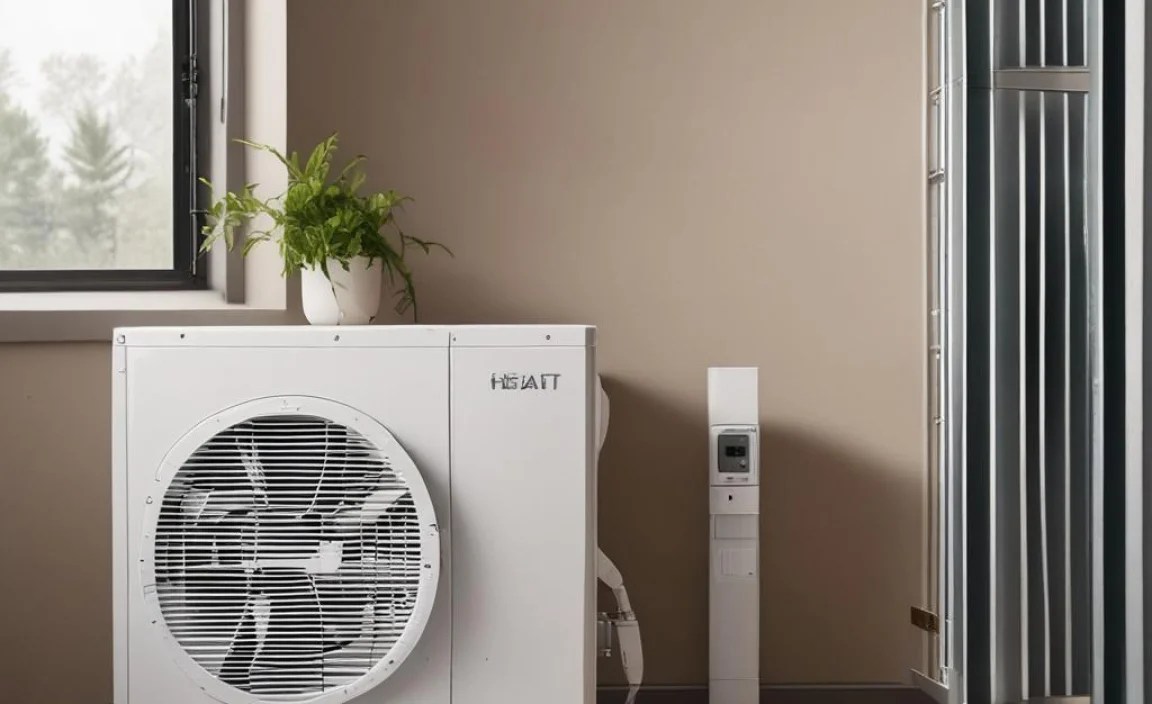
When your heat pump isn’t cycling correctly, it can lead to discomfort, higher energy bills, and potential damage to the system. Here are some common issues and their underlying causes:
Short Cycling
Short cycling is when the heat pump turns on and off very frequently, often running for only a few minutes at a time. This is a major problem because it reduces efficiency and puts extra wear and tear on the compressor.
Causes of Short Cycling:
- Oversized Heat Pump: If the heat pump is too large for your home, it will quickly reach the set temperature and shut off, only to restart again soon after. This is a very common cause of short cycling.
- Dirty Air Filter: A clogged air filter restricts airflow, causing the heat pump to overheat and shut down prematurely. This is one of the easiest problems to fix, so always check the filter first.
- Refrigerant Leaks: Low refrigerant levels reduce the heat pump’s ability to cool or heat effectively, leading to short cycles.
- Frozen Evaporator Coil: Ice buildup on the evaporator coil restricts airflow and reduces heat transfer, causing the system to shut down.
- Electrical Issues: Faulty wiring, a failing capacitor, or a malfunctioning control board can cause the heat pump to cycle erratically.
Continuous Running
On the other end of the spectrum is continuous running, where the heat pump seems to never turn off. While it’s normal for a heat pump to run for extended periods on very cold or hot days, it shouldn’t be running constantly under normal conditions.
Causes of Continuous Running:
- Undersized Heat Pump: If the heat pump is too small for your home, it will struggle to maintain the set temperature and run continuously trying to keep up.
- Thermostat Problems: A faulty thermostat might not be reading the temperature correctly or might not be signaling the heat pump to turn off.
- Air Leaks: Drafty windows, doors, or ductwork can cause heat to escape, forcing the heat pump to work harder and run longer.
- Dirty Air Filter: Just like with short cycling, a dirty air filter can also cause continuous running by restricting airflow and reducing efficiency.
- Defrost Issues: In winter, heat pumps need to defrost periodically. If the defrost cycle isn’t working correctly, ice can build up and cause the system to run continuously.
Other Cycling Issues
Besides short cycling and continuous running, there are other cycling-related problems you might encounter:
- Delayed Start: The heat pump takes a long time to start after the thermostat calls for heating or cooling. This could be due to a failing capacitor or other electrical issues.
- No Start: The heat pump doesn’t start at all when the thermostat calls for heating or cooling. This could be due to a tripped breaker, a faulty thermostat, or a more serious electrical problem.
- Loud Noises During Cycling: Unusual noises like banging, hissing, or grinding during the start-up or operation of the heat pump can indicate mechanical problems.
Troubleshooting Heat Pump Cycling Issues: A Step-by-Step Guide

Now that you know the common cycling problems and their causes, let’s get into troubleshooting. Here’s a step-by-step guide to help you diagnose and fix the issue.
Step 1: Check the Air Filter
This is the first and easiest thing to check. A dirty air filter is a common culprit behind many heat pump problems.
- Locate the Air Filter: The air filter is usually located in the indoor unit, either in the blower compartment or in a wall-mounted return air grille.
- Inspect the Filter: Remove the filter and hold it up to the light. If you can’t see light through it, it’s dirty and needs to be replaced.
- Replace or Clean the Filter: If it’s a disposable filter, replace it with a new one of the same size and type. If it’s a washable filter, clean it with water and let it dry completely before reinstalling.
Step 2: Check the Thermostat
The thermostat controls the heat pump, so make sure it’s working correctly.
- Check the Batteries: If your thermostat is battery-powered, make sure the batteries are fresh. Low batteries can cause erratic behavior.
- Verify the Settings: Make sure the thermostat is set to the correct mode (heat or cool) and that the set temperature is appropriate. Also, ensure the fan is set to “auto” rather than “on.”
- Check for Calibration Issues: If you suspect the thermostat is reading the temperature incorrectly, compare it to a separate thermometer. If there’s a significant difference, you might need to recalibrate or replace the thermostat.
Step 3: Inspect the Outdoor Unit
The outdoor unit is exposed to the elements, so it’s important to keep it clean and clear of obstructions.
- Clear Debris: Remove any leaves, branches, or other debris that might be blocking the unit. Make sure there’s at least 2 feet of clearance around the unit.
- Check for Ice Buildup: In winter, check for ice buildup on the coils. If you see a thick layer of ice, it could indicate a defrost problem. Energy.gov has additional details on heat pump systems and defrost cycles.
- Listen for Unusual Noises: Turn on the heat pump and listen for any unusual noises like banging, hissing, or grinding. These could indicate mechanical problems.
Step 4: Check for Air Leaks
Air leaks can make your heat pump work harder and run longer. Seal any obvious leaks to improve efficiency.
- Inspect Windows and Doors: Check for drafts around windows and doors. Seal any gaps with weather stripping or caulk.
- Check Ductwork: Inspect your ductwork for leaks, especially in unconditioned spaces like attics or crawl spaces. Seal any leaks with duct tape or mastic sealant.
- Insulate Your Home: Adding insulation to your attic, walls, and floors can reduce heat loss and improve energy efficiency.
Step 5: Reset the Heat Pump
Sometimes, a simple reset can resolve minor issues.
- Turn Off the Power: Turn off the power to the heat pump at the breaker box. Wait for about 30 minutes.
- Turn the Power Back On: Turn the power back on at the breaker box. This will reset the heat pump and may resolve minor glitches.
When to Call a Professional

While you can troubleshoot some heat pump cycling issues yourself, others require the expertise of a qualified HVAC technician. Here are some situations where it’s best to call a pro:
- Refrigerant Leaks: Refrigerant leaks require specialized equipment to detect and repair. Handling refrigerant is also regulated, so it’s best left to the professionals.
- Electrical Issues: Electrical problems can be dangerous and should only be handled by qualified technicians.
- Compressor Problems: The compressor is the heart of the heat pump, and any issues with it require specialized knowledge and tools to diagnose and repair.
- Defrost Problems: If your heat pump is icing up frequently, it could indicate a problem with the defrost cycle. A technician can diagnose and repair the issue.
- Unusual Noises: Loud or unusual noises coming from the heat pump can indicate mechanical problems that require professional attention.
It’s always better to err on the side of caution and call a professional if you’re not comfortable working on the heat pump yourself or if you suspect a serious problem. Regular maintenance can prevent many of these issues from arising.
Tips for Maintaining Optimal Heat Pump Cycling
Preventive maintenance is key to keeping your heat pump running efficiently and preventing cycling problems. Here are some tips to help you maintain optimal heat pump cycling:
- Change the Air Filter Regularly: Replace or clean the air filter every 1-3 months, depending on the type of filter and the air quality in your home. This is the single most important thing you can do to maintain your heat pump.
- Schedule Regular Maintenance: Have your heat pump professionally inspected and serviced at least once a year. A technician can identify and fix potential problems before they become major issues.
- Keep the Outdoor Unit Clean: Regularly clear debris from around the outdoor unit to ensure proper airflow.
- Monitor the System’s Performance: Pay attention to how the heat pump is cycling and listen for any unusual noises. If you notice any changes, investigate them promptly.
- Consider a Smart Thermostat: A smart thermostat can help you optimize your heating and cooling schedule and monitor your energy usage. Some models even offer features like geofencing and energy reports.
Understanding SEER and HSPF Ratings
When choosing a heat pump, it’s important to understand SEER and HSPF ratings. These ratings indicate the efficiency of the system.
- SEER (Seasonal Energy Efficiency Ratio): This rating measures the cooling efficiency of the heat pump. The higher the SEER rating, the more efficient the system is. Look for a SEER rating of at least 15 for good efficiency.
- HSPF (Heating Seasonal Performance Factor): This rating measures the heating efficiency of the heat pump. The higher the HSPF rating, the more efficient the system is. Look for an HSPF rating of at least 8 for good efficiency.
Choosing a heat pump with high SEER and HSPF ratings can save you money on your energy bills and reduce your carbon footprint.
Heat Pump Cycling: Key Factors
How Often Should A Heat Pump Cycle On And Off? – CountyOffice.org
Here is a table summarizing the key factors affecting heat pump cycling:
| Factor | Effect on Cycling |
|---|---|
| Outdoor Temperature | Colder temperatures lead to longer and more frequent cycles. |
| Indoor Temperature | Larger difference between set point and room temperature leads to longer cycles. |
| Insulation | Better insulation leads to fewer cycles. |
| Heat Pump Size | Oversized units short cycle; undersized units run continuously. |
| Air Filter | Dirty filters can cause short cycling or continuous running. |
| Thermostat | Faulty thermostats can cause erratic cycling. |
| Air Leaks | Air leaks can lead to longer and more frequent cycles. |
FAQ: Heat Pump Cycling
Here are some frequently asked questions about heat pump cycling:
1. Is it normal for my heat pump to run constantly in very cold weather?
Yes, it’s normal for a heat pump to run continuously in very cold weather as it works hard to maintain the set temperature. However, it should still be able to reach the set point eventually.
2. How can I tell if my heat pump is short cycling?
If your heat pump turns on and off very frequently, running for only a few minutes at a time, it’s likely short cycling. This is usually accompanied by inconsistent temperatures in your home.
3. Can a dirty air filter really cause my heat pump to cycle improperly?
Absolutely! A dirty air filter restricts airflow, causing the heat pump to overheat and cycle improperly. It’s one of the most common causes of cycling problems.
4. What should I do if I suspect a refrigerant leak?
If you suspect a refrigerant leak, call a qualified HVAC technician immediately. Refrigerant leaks can be harmful and require specialized equipment to repair.
5. How often should I have my heat pump professionally serviced?
It’s recommended to have your heat pump professionally inspected and serviced at least once a year. Regular maintenance can help prevent problems and keep your system running efficiently.
6. Can an oversized heat pump cause problems?
Yes, an oversized heat pump can cause short cycling, which reduces efficiency and puts extra wear and tear on the system. It’s important to choose the right size heat pump for your home.
7. What are the benefits of using a smart thermostat with my heat pump?
A smart thermostat can help you optimize your heating and cooling schedule, monitor your energy usage, and even learn your preferences over time. This can lead to improved efficiency and comfort.
Conclusion
Understanding how often your heat pump should cycle on and off is crucial for maintaining a comfortable and energy-efficient home. While a normal cycling pattern involves a few cycles per hour, issues like short cycling or continuous running indicate underlying problems that need attention. By regularly checking your air filter, keeping the outdoor unit clean, and addressing any air leaks, you can ensure your heat pump operates smoothly.
Remember, if you encounter complex issues like refrigerant leaks or electrical problems, it’s always best to consult a qualified HVAC technician. Regular professional maintenance can also help prevent many of these problems from arising in the first place. With the right knowledge and proactive care, you can keep your heat pump running efficiently for years to come, saving money and ensuring your home stays comfortable year-round.


