
How to Clean Your Repair Kit After Use: Easy Guide

Cleaning your bike repair kit after use is crucial for keeping your tools in top shape and ready for the next fix. Wipe down tools after each use, organize your kit regularly, and replace any damaged items. A clean kit means a reliable ride every time!
Your bike repair kit is your lifeline on the road or trail. But after fixing a flat tire or adjusting your brakes, your tools can get covered in grease, dirt, and grime. Ignoring this mess can lead to rusty tools, a disorganized kit, and a headache the next time you need a quick repair. Luckily, keeping your repair kit clean and organized is simple and doesn’t take much time. This guide will walk you through the steps to keep your tools ready for any roadside emergency. Let’s get started!
Why Clean Your Repair Kit?
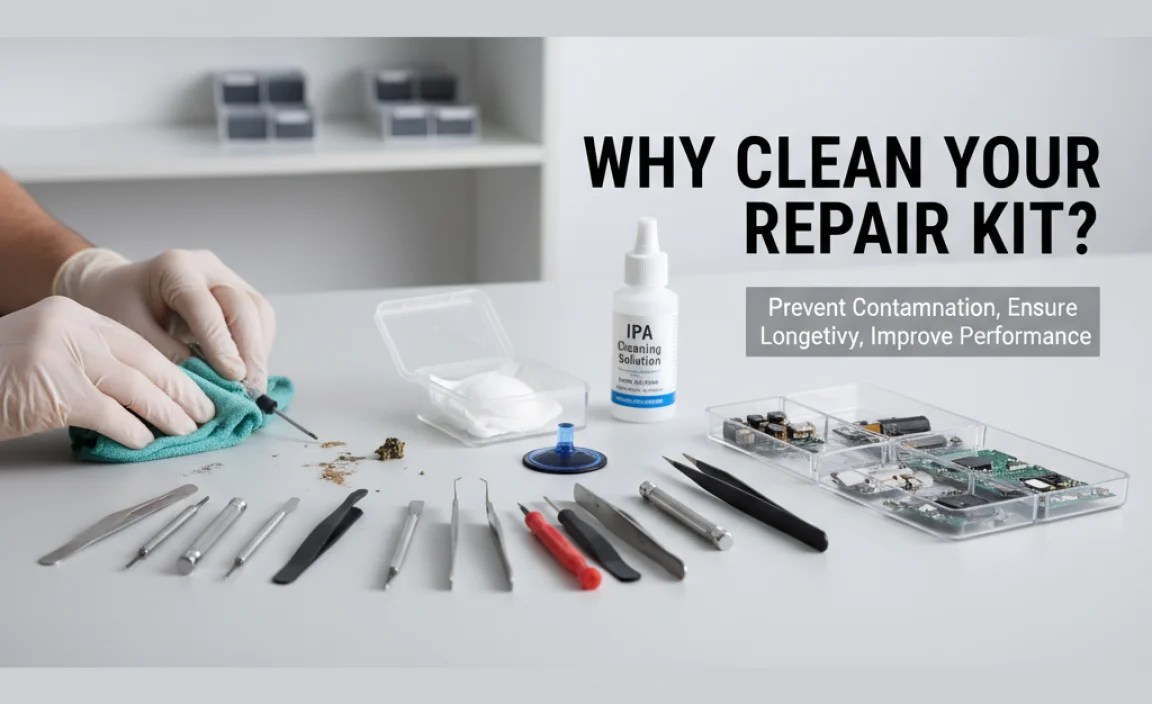
Keeping your bike repair kit clean isn’t just about appearances. It’s about ensuring your tools are ready when you need them most. Here’s why it matters:
- Prevents Rust and Corrosion: Grease, dirt, and moisture can cause rust and corrosion, shortening the lifespan of your tools.
- Maintains Tool Performance: Clean tools work better. Grime can interfere with the precision of your tools, making repairs harder.
- Ensures Organization: A clean kit is an organized kit. You’ll find what you need quickly and easily.
- Extends Tool Life: Regular cleaning prevents wear and tear, helping your tools last longer.
- Saves Time and Money: Well-maintained tools reduce the need for frequent replacements.
What You’ll Need

Before you start cleaning, gather these essential supplies:
- Clean Rags or Paper Towels: For wiping down tools.
- Degreaser: To remove grease and grime. A citrus-based degreaser works well.
- Mild Soap and Water: For general cleaning.
- Small Brush: An old toothbrush or small parts cleaning brush for getting into tight spots.
- Lubricant: Such as WD-40 or a similar product, to prevent rust.
- Tool Organizer: To keep everything in its place.
- Gloves (Optional): To protect your hands from grease and chemicals.
Step-by-Step Guide to Cleaning Your Repair Kit

Follow these steps to keep your bike repair kit in top condition:
Step 1: Empty Your Kit
Start by removing all the tools and items from your repair kit. Lay them out on a clean surface. This allows you to see everything clearly and assess what needs cleaning.
Step 2: Wipe Down Each Tool
Use a clean rag or paper towel to wipe down each tool individually. Remove any loose dirt, grease, or grime. For stubborn spots, use a degreaser.
Pro Tip: Fold the rag to use a clean section for each wipe. This prevents spreading the grime around.
Step 3: Deep Clean with Degreaser
For tools with heavy grease or grime, apply a small amount of degreaser to a rag and scrub the affected areas. Use a small brush to get into tight spots, such as the teeth of a cassette tool or the threads of a chain tool.
Caution: Always follow the manufacturer’s instructions when using degreasers. Some degreasers can damage certain materials, so test in an inconspicuous area first.
Step 4: Wash with Soap and Water
If degreaser isn’t enough, wash the tools with mild soap and water. Use a brush to scrub away any remaining dirt. Rinse thoroughly and dry immediately with a clean rag.
Step 5: Dry Thoroughly
Drying your tools is crucial to prevent rust. Use a clean, dry rag to wipe each tool thoroughly. Pay special attention to joints, threads, and other areas where moisture can accumulate.
Step 6: Apply Lubricant
To protect your tools from rust, apply a light coat of lubricant such as WD-40 or a similar product. Spray a small amount onto a rag and wipe down each tool. This creates a protective barrier against moisture.
Note: Avoid over-lubricating, as this can attract more dirt and grime.
Step 7: Inspect for Damage
While cleaning, take the opportunity to inspect each tool for damage. Look for cracks, bends, or excessive wear. Replace any damaged tools immediately to ensure your kit is always ready for use.
Step 8: Organize Your Kit
Once your tools are clean and dry, organize them back into your repair kit. Use a tool organizer or designated compartments to keep everything in its place. This makes it easier to find what you need during a repair.
Tip: Consider labeling compartments or using color-coded tape to identify tools quickly.
Step 9: Clean Your Kit Container
Don’t forget to clean the container itself. Wipe down the inside and outside with a damp cloth to remove any dirt or grease. Allow it to dry completely before replacing the tools.
Step 10: Restock Consumables
Check your kit for consumables like spare tubes, tire levers, and patch kits. Restock any items that are running low or have expired. A well-stocked kit ensures you’re prepared for any common roadside repair.
Specific Tool Cleaning Tips
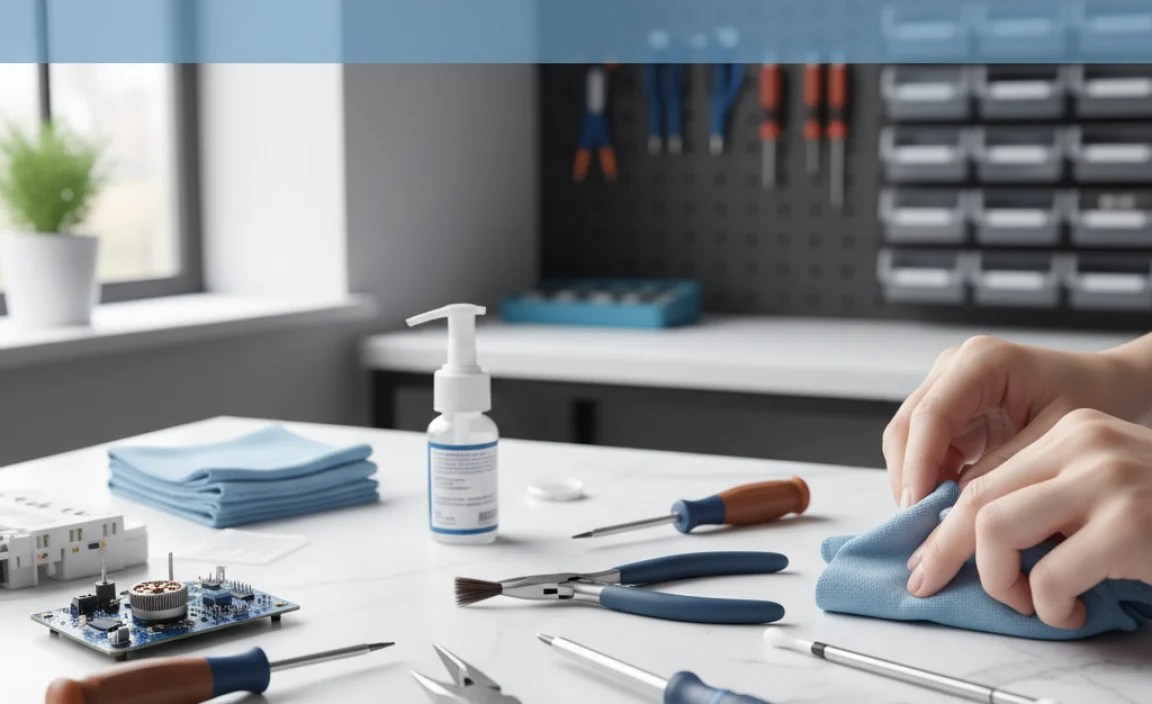
Some tools require special attention during cleaning. Here are a few tips for specific items:
- Chain Tool: Use a small brush and degreaser to clean the pins and threads. Ensure it moves freely after cleaning.
- Multi-Tool: Clean each individual tool on the multi-tool. Use a small brush to remove dirt from the joints.
- Tire Levers: Wash with soap and water to remove dirt and grime. Inspect for cracks or damage.
- Wrenches and Allen Keys: Wipe down with a rag and degreaser. Pay attention to the edges and corners where dirt can accumulate.
- Pumps: Wipe down the external surfaces with a damp cloth. Check the hose and nozzle for blockages.
Maintaining Your Repair Kit

Regular maintenance is key to keeping your repair kit in top condition. Here are a few tips to follow:
- Clean After Each Use: Wipe down tools after each repair to prevent grime buildup.
- Inspect Regularly: Check your kit periodically for damage or wear.
- Restock Consumables: Keep your kit stocked with spare tubes, patch kits, and other essentials.
- Store Properly: Store your kit in a dry, cool place to prevent rust and corrosion.
Choosing the Right Cleaning Products
Selecting the right cleaning products is essential for maintaining your repair kit. Here are some recommendations:
- Degreasers: Citrus-based degreasers are effective and environmentally friendly.
- Lubricants: WD-40 or similar products protect against rust.
- Soaps: Mild dish soap is suitable for general cleaning.
- Brushes: Small parts cleaning brushes or old toothbrushes work well for tight spots.
Organizing Your Repair Kit
An organized repair kit saves time and frustration. Here are some tips for keeping your kit organized:
- Use a Tool Organizer: A tool roll, pouch, or box with designated compartments keeps everything in its place.
- Label Compartments: Label each compartment with the tool it contains for easy identification.
- Color-Code Tools: Use color-coded tape to identify tools quickly.
- Keep a Checklist: Maintain a checklist of all the items in your kit to ensure nothing is missing.
DIY vs. Professional Cleaning
While you can easily clean your repair kit at home, there are situations where professional cleaning might be beneficial:
| Scenario | DIY Cleaning | Professional Cleaning |
|---|---|---|
| Regular Maintenance | Sufficient for most users. | Not necessary. |
| Heavy Grime and Rust | May require more effort and specialized products. | Offers thorough cleaning and rust removal. |
| Extensive Tool Collection | Time-consuming but manageable. | Saves time and ensures all tools are properly cleaned. |
| Lack of Time or Resources | Can be challenging. | Provides a convenient solution. |
Common Mistakes to Avoid
Avoid these common mistakes when cleaning your repair kit:
- Using Abrasive Cleaners: These can damage the finish of your tools.
- Over-Lubricating: This attracts dirt and grime.
- Neglecting to Dry Tools: This leads to rust and corrosion.
- Ignoring Damage: Replace damaged tools immediately.
- Forgetting to Restock: Keep your kit stocked with consumables.
How Often Should You Clean Your Kit?
The frequency of cleaning depends on how often you use your repair kit. Here’s a general guideline:
- After Each Use: Wipe down tools to remove loose dirt and grease.
- Monthly: Perform a deep clean and inspection.
- Seasonally: Thoroughly clean and organize your kit, especially after heavy use.
Troubleshooting Common Issues
Here are some solutions to common issues you might encounter while cleaning your repair kit:
| Issue | Solution |
|---|---|
| Stubborn Grease | Use a stronger degreaser or let the degreaser soak for a few minutes before scrubbing. |
| Rust | Use a rust remover or steel wool to remove rust. Apply lubricant to prevent future rust. |
| Sticky Tools | Disassemble the tool and clean each part individually. Apply lubricant to moving parts. |
| Missing Tools | Create a checklist and compare it to your kit. Replace any missing tools. |
Benefits of a Clean Repair Kit
Here’s a quick recap of the benefits of keeping your bike repair kit clean:
- Improved Tool Performance: Clean tools work more efficiently.
- Extended Tool Life: Regular cleaning prevents wear and tear.
- Better Organization: Easy to find what you need quickly.
- Reduced Downtime: Ensures your tools are ready for any repair.
- Cost Savings: Reduces the need for frequent tool replacements.
FAQ
1. What is the best way to remove grease from my bike tools?
Use a citrus-based degreaser and a small brush to scrub away the grease. Wipe clean with a rag.
2. How can I prevent my tools from rusting?
Dry your tools thoroughly after cleaning and apply a light coat of lubricant like WD-40.
3. What should I use to clean my multi-tool?
Use a small brush and degreaser to clean each tool on the multi-tool. Ensure all joints move freely.
4. How often should I clean my bike repair kit?
Wipe down tools after each use, and perform a deep clean monthly or seasonally, depending on usage.
5. What if I don’t have a degreaser?
You can use mild soap and water as an alternative, but degreaser is more effective for heavy grease.
6. Can I use WD-40 to clean my tools?
WD-40 is better as a lubricant and rust preventer. Use a degreaser for cleaning, then apply WD-40 afterward.
7. How do I organize my repair kit effectively?
Use a tool organizer with labeled compartments or color-coded tape to quickly identify tools.
Conclusion
Keeping your bike repair kit clean doesn’t have to be a chore. By following these simple steps, you can ensure your tools are always ready for the next repair. Regular cleaning not only extends the life of your tools but also makes your bike maintenance tasks easier and more efficient. So, take a few minutes after each ride to wipe down your tools, and enjoy the peace of mind that comes with a well-maintained repair kit. Happy riding!


