
How to Mount Saddle Rail Bag Without Shock Link Issue

Have you ever been on a bike ride and wished you had a place to put your snacks? Saddle rail bags are great for carrying small items. But what if your bike has a shock link? It can be tricky to figure out how to mount a saddle rail bag without interfering with the shock link. Don’t worry! This article will help you learn the best ways to attach your bag safely.
These bags attach under your seat. They can hold tools, snacks, or even a small jacket. Let’s learn how to make sure your bag fits well. We want it to stay out of the way of your bike’s moving parts. This keeps you safe and your ride smooth.
Key Takeaways
- Always check for shock link clearance when you install a saddle rail bag.
- Use straps or mounting systems that keep the bag secure and away from moving parts.
- Test your setup on a short ride before going on a long trip.
- Consider a smaller bag if space is limited on your bike.
- Understanding how to mount a saddle rail bag without interfering with the shock link is key for safety.
How to Choose the Right Saddle Bag

Choosing the right saddle bag is important for a good bike ride. You need to think about the size of the bag. How much stuff do you want to carry? Also, think about how the bag attaches to your bike. Some bags use straps. Other bags use special mounts. Make sure the bag will not rub against your tires. You also want to be sure it does not hit your shock link. A bag that is too big can get in the way. It can even be dangerous if it blocks your shock link. A smaller bag might be a better choice if you have limited space. Think about what you need to carry and choose a bag that fits well on your bike. This will help you have a safe and fun ride. Always measure the space on your bike before you buy a bag.
- Check the bag’s size.
- Think about how it attaches.
- Make sure it won’t rub.
- Consider a smaller bag if needed.
- Measure your bike’s space first.
Think about the material of the bag. Is it waterproof? Does it have reflectors? These features can make your ride safer and more comfortable. A waterproof bag will keep your stuff dry in the rain. Reflectors will help cars see you at night. Some bags have extra pockets. These are great for organizing your things. Look for a bag that is easy to open and close. You don’t want to struggle to get your snacks out! Make sure the zippers are strong. Read reviews online to see what other riders think. A good saddle bag can make a big difference on your bike rides. It can hold everything you need. It can also keep you safe and comfortable.
Fun Fact or Stat: Did you know that saddle bags have been used by cyclists for over 100 years? They were first made of leather and used to carry tools and repair kits.
What Size Bag Do You Need?
How much stuff do you usually carry on your bike rides? If you only need to carry a few small tools and a snack, a small bag will work. These bags are usually around 0.5 to 1 liter in size. If you want to carry more, like a spare tube, a pump, and a rain jacket, you’ll need a bigger bag. These bags can be 1.5 to 2 liters or even larger. Think about your longest bike ride. What would you need to bring with you? A larger bag might seem like a good idea, but it can also get in the way. It can rub against your legs or your tire. It can also make your bike feel heavier. Choose a bag that is just big enough for what you need. This will keep your ride comfortable and safe.
What Material Is Best?
Imagine you’re riding your bike, and it starts to rain. Would you want your stuff to get wet? Probably not! That’s why the material of your saddle bag is important. Many bags are made of nylon or polyester. These materials are strong and can handle some rain. But if you ride in the rain a lot, you might want a waterproof bag. Waterproof bags are usually made of a special material that keeps water out. They might also have zippers that keep water out. Some bags also have a cover that you can put over them when it rains. Think about the weather where you live. If it rains a lot, a waterproof bag is a good choice. If it doesn’t rain much, a regular bag might be fine.
How Easy Is It to Attach?
Attaching your saddle bag should be easy. You don’t want to spend a lot of time trying to get it on your bike. Most bags attach with straps or clips. Some straps go around the seat post. Others go around the saddle rails. Make sure the straps are strong and won’t come loose. Some bags have a special mount that attaches to the seat post. These mounts can be more secure than straps. They can also make it easier to take the bag on and off. Read reviews online to see how easy other riders find the bag to attach. Look for a bag that is easy to use. You want to spend more time riding your bike and less time messing with your bag.
Understanding Your Bike’s Shock Link

The shock link on your bike is a very important part. It helps your bike handle bumps and rough roads. The shock link connects the frame of your bike to the rear suspension. When you hit a bump, the shock link allows the rear wheel to move up and down. This makes your ride smoother and more comfortable. If you have a full-suspension bike, you definitely have a shock link. It is usually located near the rear wheel and the bottom of the seat post. It’s important to know where your shock link is before you try to attach a saddle bag. You don’t want the bag to get in the way of the shock link. If the bag interferes with the shock link, it can damage your bike. It can also make your ride less safe. Take a good look at your bike and find the shock link before you start.
- The shock link helps with bumps.
- It connects the frame to the suspension.
- It lets the rear wheel move.
- Find it before attaching a bag.
- Don’t let the bag interfere.
Imagine your bike is like a car. The shock link is like the suspension in a car. It helps to absorb the bumps in the road. Without a good shock link, your bike ride would be very bumpy and uncomfortable. The shock link also helps you stay in control of your bike. When you hit a bump, the shock link keeps the rear wheel on the ground. This helps you steer and stay balanced. Some bikes have more complicated shock link systems than others. These systems can be adjusted to make the ride even smoother. If you’re not sure where your shock link is, ask a bike mechanic. They can show you how it works and how to keep it in good condition. Understanding your bike’s shock link is important for a safe and comfortable ride.
Fun Fact or Stat: The first mountain bikes did not have suspension. Riders quickly realized they needed suspension to handle rough trails. The shock link was a key invention in mountain bike technology.
Why Is It Important?
Have you ever ridden your bike over a big bump? Did you feel it all the way up your spine? That’s what it’s like without a good shock link. The shock link makes your ride smoother. It absorbs the bumps so you don’t have to. This is especially important if you ride on rough roads or trails. A good shock link also helps you stay in control of your bike. It keeps your wheels on the ground, even when you hit a bump. This means you can steer and brake more easily. The shock link also protects your bike from damage. It absorbs the impact of bumps, which can prevent cracks and other problems. So, the shock link is important for your comfort, your safety, and the life of your bike.
Where Is It Located?
Finding the shock link on your bike is like finding a hidden treasure. It’s not always obvious, but it’s there! The shock link is usually located near the rear wheel. It connects the frame of your bike to the rear suspension. Look for a set of arms or linkages that move when the rear wheel goes up and down. The shock link might be hidden behind the frame or the rear tire. If you have a full-suspension bike, you will definitely have a shock link. If you have a hardtail bike, you won’t have one. A hardtail bike only has suspension in the front fork. If you’re not sure where your shock link is, ask a bike mechanic. They can point it out to you and explain how it works.
How Does It Affect Saddle Bag Placement?
Imagine you’re trying to put a puzzle together. You need to make sure all the pieces fit! The same is true for your saddle bag and your shock link. You need to make sure the bag doesn’t get in the way of the shock link. If the bag rubs against the shock link, it can damage your bike. It can also make your ride less safe. The shock link needs to be able to move freely. The bag should not block its movement. When you attach your saddle bag, check to see if it touches the shock link. If it does, you need to move the bag. You might need to adjust the straps or the mount. You might even need to get a smaller bag. The most important thing is to keep the shock link clear. This will keep your bike working properly and keep you safe on your rides.
Step-by-Step Guide: Mounting the Bag
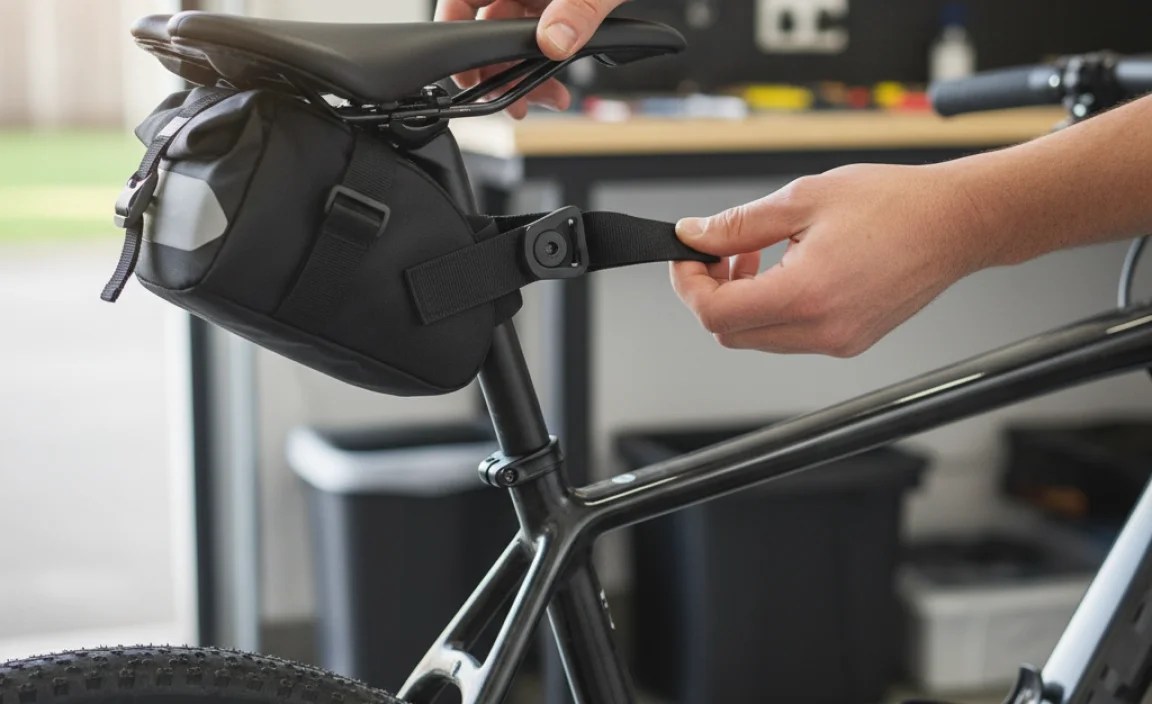
Mounting a saddle bag might seem hard, but it’s not! First, gather your tools. You’ll need the saddle bag and any straps or mounts that come with it. You might also need a screwdriver or wrench. Now, find the best spot for the bag under your seat. Make sure it won’t rub against your tire or your legs. Also, be sure it won’t interfere with the shock link. Attach the bag using the straps or mounts. Tighten them securely, but don’t over-tighten. You don’t want to damage the bag or your bike. Once the bag is attached, check to make sure it’s stable. Give it a little shake to see if it moves around. If it does, tighten the straps or mounts some more. Take your bike for a short ride to test the bag. Make sure it doesn’t get in the way while you’re riding. If everything feels good, you’re ready to go!
- Gather your tools first.
- Find the best spot.
- Attach the bag securely.
- Check for stability.
- Test it on a short ride.
Let’s say you’re putting up a tent. You wouldn’t just throw the tent on the ground and hope it stays up! You would carefully follow the instructions and make sure everything is secure. Mounting a saddle bag is similar. You need to take your time and do it right. Read the instructions that come with the bag. They will tell you how to attach it properly. If you’re not sure about something, ask a bike mechanic for help. They can show you the best way to mount the bag on your bike. They can also help you make sure it doesn’t interfere with the shock link. A little bit of extra effort can make a big difference. It can keep your bag secure and your bike working properly.
Fun Fact or Stat: Some professional cyclists use saddle bags during races. They carry extra tubes and tools in case they get a flat tire. This can save them time and help them win the race.
Finding the Right Position
Imagine you’re trying to park a car. You need to find the right spot so you don’t hit anything! Finding the right position for your saddle bag is similar. You need to make sure it doesn’t rub against your tire or your legs. You also need to make sure it doesn’t interfere with the shock link. The best position is usually under the seat, close to the seat post. But every bike is different. You might need to experiment to find the perfect spot. Try moving the bag forward or backward. Try moving it up or down. Keep checking to see if it touches anything. Once you find a position that works, mark it with a piece of tape. This will help you remember where to put the bag next time.
Using Straps and Mounts
Straps and mounts are like the seatbelts for your saddle bag. They keep it secure and prevent it from falling off. Most saddle bags come with straps that you can use to attach them to your bike. These straps usually go around the seat post and the saddle rails. Make sure the straps are strong and won’t come loose. Some bags also come with special mounts. These mounts attach to the seat post and provide a more secure connection. If your bag doesn’t come with a mount, you can buy one separately. When you use straps or mounts, make sure they are tight enough. You don’t want the bag to move around while you’re riding. But don’t over-tighten them, or you could damage the bag or your bike.
Checking for Interference
You’ve got your saddle bag attached. Now, pretend you are a detective! It is time to inspect your setup for any potential problems. One of the most important things you need to check for is interference with the shock link. The shock link needs to be able to move freely. Your saddle bag must not get in the way of this movement. To check for interference, push down on your seat. This will make the rear suspension move. Watch the shock link carefully. Does the saddle bag touch it? If so, you need to adjust the position of the bag. You might need to move it forward, backward, up, or down. Keep checking until the bag doesn’t touch the shock link at all. This will ensure that your bike works properly and that you have a safe ride.
Alternative Mounting Solutions
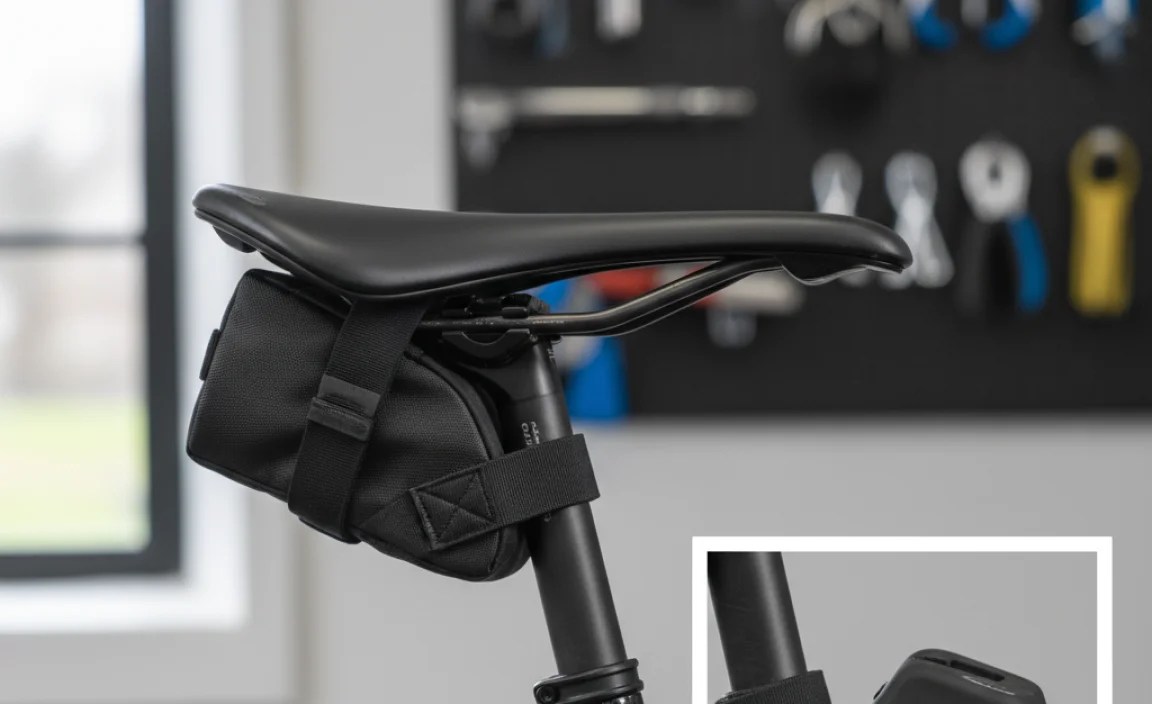
Sometimes, a regular saddle bag just won’t work. Maybe your bike has a weird frame. Or maybe you just don’t like the way saddle bags look. Luckily, there are other options! One option is a frame bag. Frame bags attach to the inside of your bike’s frame. They can hold a lot of stuff, and they don’t get in the way. Another option is a handlebar bag. Handlebar bags attach to your handlebars. They are great for carrying things you need to access quickly, like snacks or a map. You could also use a backpack. Backpacks are a good option if you need to carry a lot of stuff. But they can be uncomfortable on long rides. Think about what you need to carry and choose the option that works best for you. Also, consider how to mount a saddle rail bag without interfering with the shock link.
- Try a frame bag instead.
- Use a handlebar bag.
- Consider a backpack.
- Think about your needs.
- Choose the best option.
Imagine you’re going on a picnic. You wouldn’t just throw all your food into a plastic bag! You would carefully pack it into a basket or a cooler. The same is true for your bike gear. You need to choose the right bag for the job. A frame bag is like a picnic basket. It’s great for carrying a lot of stuff, and it keeps everything organized. A handlebar bag is like a snack bag. It’s perfect for carrying things you need to grab quickly. A backpack is like a cooler. It’s good for carrying heavy items, but it can be uncomfortable. Think about what you’re carrying and choose the bag that makes the most sense. This will make your ride more enjoyable and more comfortable.
Fun Fact or Stat: Bikepacking is a growing trend. It involves riding your bike for several days or weeks, carrying all your gear with you. Bikepackers often use a combination of frame bags, saddle bags, and handlebar bags to carry their stuff.
Frame Bags: Pros and Cons
Frame bags are like secret compartments for your bike. They fit inside the frame and can hold a lot of gear. But are they right for you? One big pro is space. They let you carry more without feeling bulky. Another pro is balance. The weight is low and centered, improving handling. But there are also cons. They can sometimes be hard to reach while riding. They might also not fit every bike frame perfectly. Think about your needs and your bike before choosing a frame bag.
Handlebar Bags: Quick Access
Imagine you’re on a long bike ride, and you’re really hungry. You don’t want to stop and dig through your saddle bag! That’s where a handlebar bag comes in handy. It’s like a mini-fridge for your bike. You can keep snacks, maps, and other essentials right at your fingertips. Handlebar bags are easy to reach while you’re riding. They’re also great for keeping your phone or camera handy. But they can also affect your steering. And they might not be the best choice for rough trails. Think about what you need to access quickly, and decide if a handlebar bag is right for you.
Backpacks: Carrying Larger Loads
Backpacks are like the SUVs of bike bags. They can carry a lot of stuff! If you need to bring extra clothes, books, or even a small tent, a backpack might be your best bet. Backpacks are great for carrying larger loads. They distribute the weight across your back and shoulders. But they can also be uncomfortable on long rides. They can make your back sweaty, and they can affect your balance. If you’re going on a short ride and don’t need to carry much, a saddle bag or frame bag might be a better choice. But if you need to haul a lot of gear, a backpack can be a lifesaver.
Troubleshooting Common Issues
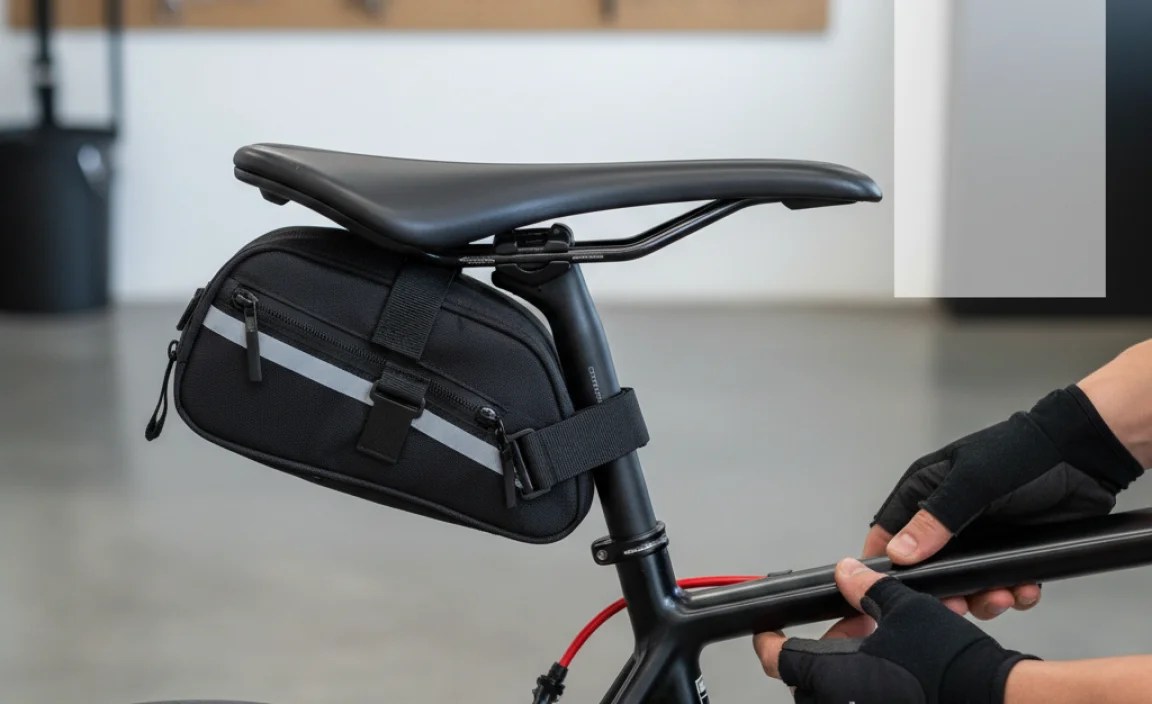
Sometimes, things don’t go as planned. Your saddle bag might rub against your tire. It might come loose while you’re riding. Or it might interfere with the shock link. Don’t worry! These are common problems, and they’re usually easy to fix. If your bag is rubbing against your tire, try moving it up or back. If it’s coming loose, tighten the straps or mounts. If it’s interfering with the shock link, try a different mounting position. You might even need to get a smaller bag. The key is to be patient and keep trying. With a little bit of effort, you can solve most saddle bag problems.
- Bag rubs against tire? Adjust it.
- Bag comes loose? Tighten straps.
- Interferes with shock link? Remount.
- Try a smaller bag if needed.
- Be patient and keep trying.
Imagine you’re building a Lego set. Sometimes, the pieces don’t fit together perfectly. You might need to try different combinations or use a little bit of force. The same is true for your saddle bag. You might need to adjust the straps, the mounts, or even the bag itself. Don’t be afraid to experiment. Try different things until you find a solution that works. If you’re still having trouble, ask a bike mechanic for help. They have seen all sorts of saddle bag problems before. They can give you advice and help you find a solution that works for your bike.
Fun Fact or Stat: Many bike shops offer saddle bag installation services. If you’re not comfortable installing the bag yourself, you can pay a mechanic to do it for you. This can save you time and ensure that the bag is installed correctly.
Bag Rubs Against the Tire
Oh no! Your saddle bag is rubbing against your tire. This can damage both the bag and the tire. It can also make it harder to pedal. The first thing to do is stop riding. You don’t want to make the problem worse. Then, take a look at the bag. Is it too low? Is it too far back? Try moving it up or forward. You might need to loosen the straps or mounts to adjust the position. Make sure the bag is securely attached after you move it. Spin the rear wheel to make sure it’s not rubbing anymore. If the bag is still rubbing, you might need to get a smaller bag. A smaller bag will give you more clearance and prevent the rubbing.
Bag Comes Loose While Riding
Imagine you’re riding your bike, and suddenly your saddle bag falls off! This can be dangerous. It can also be embarrassing. The best way to prevent this is to make sure your bag is securely attached. Before every ride, check the straps or mounts. Make sure they are tight and not worn out. If the straps are old and frayed, replace them. If the mounts are loose, tighten them with a wrench. You can also use a little bit of threadlocker on the bolts to keep them from coming loose. If your bag comes loose while you’re riding, stop immediately. Reattach the bag and tighten the straps or mounts. Then, continue riding, but keep an eye on the bag. If it comes loose again, you might need to find a different way to attach it.
Interference With the Shock Link
You’re trying to enjoy your bike ride. But your saddle bag keeps bumping into the shock link. This can damage your bike and make your ride uncomfortable. The first thing to do is adjust the position of the bag. Try moving it forward or backward. Try moving it up or down. The goal is to find a position where the bag doesn’t touch the shock link at all. If you can’t find a position that works, you might need to get a smaller bag. A smaller bag will give you more clearance. You might also need to try a different type of bag. A frame bag or a handlebar bag might be a better option if you can’t get a saddle bag to fit properly.
Maintaining Your Saddle Bag
Taking care of your saddle bag will help it last longer. Clean it regularly with soap and water. This will remove dirt and grime. Check the straps and mounts for wear and tear. Replace them if they are damaged. Store the bag in a dry place when you’re not using it. This will prevent mold and mildew. Don’t overload the bag with too much weight. This can damage the straps and the zippers. By following these simple tips, you can keep your saddle bag in good condition for years to come. This will help you carry your gear safely and comfortably on all your bike rides. Remember, how to mount a saddle rail bag without interfering with the shock link is only half the battle; proper maintenance is key.
- Clean it with soap and water.
- Check straps and mounts.
- Store it in a dry place.
- Don’t overload the bag.
- Keep it in good condition.
Imagine you have a favorite toy. You would want to take care of it so it lasts a long time! You would clean it, fix it if it breaks, and store it safely. The same is true for your saddle bag. It’s an important piece of equipment that helps you enjoy your bike rides. By taking care of it, you can make sure it lasts for many years. A well-maintained saddle bag will be more reliable and more comfortable. It will also look better! So, take a few minutes to clean and inspect your saddle bag regularly. It’s a small investment that will pay off in the long run.
Fun Fact or Stat: Some saddle bags come with a warranty. This means that the manufacturer will repair or replace the bag if it breaks within a certain period of time. Check the warranty information before you buy a saddle bag.
Cleaning and Storage Tips
Your saddle bag is like a sponge. It soaks up dirt, sweat, and grime from your bike rides. That’s why it’s important to clean it regularly. Use a mild soap and water to wipe down the bag. Pay special attention to the zippers and straps. These areas can get especially dirty. After you clean the bag, let it air dry completely. Don’t put it in the dryer, as this can damage the material. When you’re not using the bag, store it in a dry place. This will prevent mold and mildew from growing. You can also put a desiccant packet inside the bag to absorb moisture.
Checking for Wear and Tear
Your saddle bag is like a superhero. It works hard to carry your gear on every bike ride. But even superheroes need to rest and recover! Regularly check your saddle bag for signs of wear and tear. Look for frayed straps, broken zippers, and holes in the material. If you find any damage, repair it as soon as possible. You can often repair small tears with a needle and thread. You can also replace worn-out straps and zippers. If the damage is too severe, you might need to replace the entire bag. By catching problems early, you can prevent them from getting worse.
Extending the Lifespan of Your Bag
You want your saddle bag to last as long as possible. So you can keep enjoying your bike rides. One of the best ways to extend the lifespan of your bag is to avoid overloading it. Don’t put too much weight inside the bag. This can strain the straps and zippers. It can also cause the material to tear. Another way to extend the lifespan of your bag is to protect it from the sun. The sun can fade the color of the bag and weaken the material. Store the bag in a shady place when you’re not using it. You can also use a UV protectant spray to protect the bag from the sun’s rays. By following these tips, you can keep your saddle bag looking and performing its best for years to come.
Safety Considerations
Safety is the most important thing when you’re riding your bike. Make sure your saddle bag doesn’t block your lights or reflectors. If it does, move them to a different location. Use reflective tape on the bag to make yourself more visible. Check the bag regularly to make sure it’s secure. A loose bag can be dangerous. Don’t put heavy objects in the bag. They can affect your balance. Always wear a helmet when you’re riding your bike. And follow all traffic laws. By taking these safety precautions, you can help prevent accidents and injuries. Safe cycling is fun cycling! Always think about how to mount a saddle rail bag without interfering with the shock link for a safer ride.
- Don’t block lights/reflectors.
- Use reflective tape.
- Check bag security often.
- Avoid heavy objects.
- Always wear a helmet.
Imagine you’re driving a car. You would want to make sure your mirrors are clean and that your seatbelt is fastened. You would also want to follow the speed limit and pay attention to the road. The same is true for riding your bike. You need to make sure your bike is in good condition and that you’re following all the rules of the road. A saddle bag can be a useful accessory. But it’s important to use it safely. By taking the necessary precautions, you can enjoy your bike rides without putting yourself or others at risk.
Fun Fact or Stat: According to the National Highway Traffic Safety Administration, bicycle accidents result in thousands of injuries and hundreds of deaths each year. Taking safety precautions can help reduce your risk of being involved in an accident.
Visibility and Reflectors
You’re riding your bike at dusk. The sun is going down, and it’s getting harder to see. That’s why it’s so important to be visible to other drivers. One of the best ways to increase your visibility is to use reflectors. Reflectors are shiny pieces of plastic that reflect light. They can be attached to your bike, your clothing, or your saddle bag. Make sure your saddle bag doesn’t block your reflectors. If it does, move the reflectors to a different location. You can also add reflective tape to your saddle bag. Reflective tape is a special type of tape that reflects light very brightly. It’s a great way to make yourself more visible to other drivers.
Weight Distribution and Balance
Imagine you’re carrying a heavy backpack. If all the weight is on one side, you’ll feel off balance. The same is true for your bike. If you put too much weight in your saddle bag, it can affect your balance. Try to distribute the weight evenly in the bag. Put heavier items at the bottom and lighter items at the top. Avoid putting heavy objects in the bag, such as books or tools. If you need to carry heavy items, consider using a backpack instead. A backpack will distribute the weight more evenly across your back and shoulders. This will help you maintain your balance and control of your bike.
Regular Checks for Security
Your saddle bag is like a passenger on your bike. You need to make sure it’s securely fastened! Before every ride, check the straps and mounts. Make sure they are tight and not worn out. If the straps are old and frayed, replace them. If the mounts are loose, tighten them with a wrench. Give the bag a little shake to make sure it’s not moving around. If it is, tighten the straps or mounts some more. If you’re going on a long ride, check the bag periodically. Stop every few miles to make sure it’s still secure. A loose saddle bag can be dangerous. It can fall off and cause an accident. By checking the bag regularly, you can prevent accidents and injuries.
| Factor | Importance | How to Check |
|---|---|---|
| Clearance | Critical | Ensure the bag doesn’t touch the tire or shock link. |
| Security | High | Confirm straps/mounts are tight before each ride. |
| Visibility | Medium | Ensure reflectors are not blocked. |
| Weight | Medium | Avoid heavy items that affect balance. |
Summary
Choosing and mounting a saddle bag correctly is important. You need to pick the right size and type of bag. You also need to make sure it’s securely attached to your bike. If your bike has a shock link, you need to be extra careful. You don’t want the bag to interfere with the shock link. There are several ways to mount a saddle bag without interfering with the shock link. You can use a smaller bag, adjust the mounting position, or try a different type of bag. Regular maintenance will help your saddle bag last longer. You should clean it, check it for wear and tear, and store it in a dry place. Remember, safety is always the most important thing. Make sure your saddle bag doesn’t block your lights or reflectors. Use reflective tape to make yourself more visible. And always wear a helmet when you’re riding your bike.
Conclusion
Adding a saddle bag to your bike can make your rides more convenient. You can carry tools, snacks, and other essentials with you. However, it’s important to choose the right bag and mount it correctly. If your bike has a shock link, you need to be especially careful. Make sure the bag doesn’t interfere with the shock link. By following the tips in this article, you can enjoy the benefits of a saddle bag without compromising your safety or the performance of your bike. Happy riding!
Frequently Asked Questions
Question No 1: Why is it important to avoid interfering with the shock link when mounting a saddle bag?
Answer: The shock link is a crucial part of your bike’s suspension system. It allows the rear wheel to move up and down, absorbing bumps and making your ride smoother. If a saddle bag interferes with the shock link, it can restrict its movement. This can make your ride less comfortable and less safe. It can also damage the shock link itself. By making sure your saddle bag doesn’t touch the shock link, you can keep your bike working properly and enjoy a smoother, safer ride.
Question No 2: What are some signs that my saddle bag is interfering with the shock link?
Answer: There are several signs that your saddle bag might be interfering with the shock link. You might notice that your ride is bumpier than usual. You might hear a rubbing or clicking sound coming from the rear of your bike. You might see wear marks on the saddle bag or the shock link. If you notice any of these signs, stop riding and check your saddle bag. Make sure it’s not touching the shock link. If it is, adjust the position of the bag or try a different mounting solution. Ignoring these signs can lead to damage to your bike and a less enjoyable ride. Always check how to mount a saddle rail bag without interfering with the shock link.
Question No 3: What are some alternative mounting solutions if I can’t use a traditional saddle bag?
Answer: If you’re having trouble mounting a traditional saddle bag, there are several alternative solutions you can try. One option is a frame bag. Frame bags attach to the inside of your bike’s frame and can hold a lot of gear. Another option is a handlebar bag. Handlebar bags attach to your handlebars and are great for carrying things you need to access quickly. You could also use a backpack. Backpacks are a good option if you need to carry a lot of stuff, but they can be uncomfortable on long rides. Think about what you need to carry and choose the option that works best for you.
Question No 4: How can I make sure my saddle bag is securely attached to my bike?
Answer: Making sure your saddle bag is securely attached to your bike is essential for safety. Before every ride, check the straps or mounts. Make sure they are tight and not worn out. If the straps are old and frayed, replace them. If the mounts are loose, tighten them with a wrench. Give the bag a little shake to make sure it’s not moving around. If it is, tighten the straps or mounts some more. If you’re going on a long ride, check the bag periodically. Stop every few miles to make sure it


