
How to Prevent Hand Injuries During Inflation: Easy Tips

Quick Summary: To prevent hand injuries while inflating tires or other items, use proper techniques. Wear gloves, ensure a secure grip, use ergonomic tools, and avoid overexertion. Regularly inspect and maintain your equipment. Take breaks and stretch your hands to reduce strain. With these tips, you can inflate safely and comfortably.
Inflating tires, balls, or mattresses can be a real pain—literally! If you’re not careful, you can easily strain your hands, wrists, and even your arms. Repetitive motions and awkward grips can lead to discomfort and injuries over time. But don’t worry, it doesn’t have to be that way. By using the right techniques and tools, you can make inflation a breeze and protect your hands in the process.
In this guide, I’ll walk you through simple steps to prevent hand injuries during inflation. We’ll cover everything from choosing the right pump to mastering the best grip. You’ll learn how to maintain your equipment and protect your body. So, let’s get started and make inflation a pain-free task!
Choosing the Right Inflation Tools

The right tools can make all the difference in preventing hand injuries. Ergonomic designs and efficient mechanisms reduce strain and make inflation easier. Here’s what to look for:
Types of Pumps
There are several types of pumps available, each with its own pros and cons. Selecting the right one can significantly reduce hand strain.
- Hand Pumps: Compact and portable, but require more manual effort.
- Foot Pumps: Allow you to use your legs for pumping, reducing hand strain.
- Electric Pumps: Provide effortless inflation, ideal for frequent use or high-pressure needs.
- CO2 Inflators: Quick and convenient for emergencies, but offer less control.
Features to Look For
When choosing a pump, consider these features to minimize hand injuries:
- Ergonomic Handles: Look for handles with a comfortable grip and a design that fits your hand well.
- Stable Base: A wide, stable base keeps the pump steady, reducing the need to grip tightly.
- Pressure Gauge: Helps you avoid over-inflation, preventing blowouts and unnecessary strain.
- Long Hose: A longer hose allows for more flexible positioning, reducing awkward angles.
Recommended Tools
Here are some tools I recommend for injury-free inflation:
- Lezyne Micro Floor Drive HP: A high-pressure hand pump with a footpad for stability and an ergonomic handle.
- Topeak JoeBlow Sport III: A floor pump with a comfortable handle and a large, easy-to-read gauge.
- Schwalbe Tire Booster: A tubeless tire inflator that makes seating tubeless tires easier.
Mastering the Proper Inflation Technique
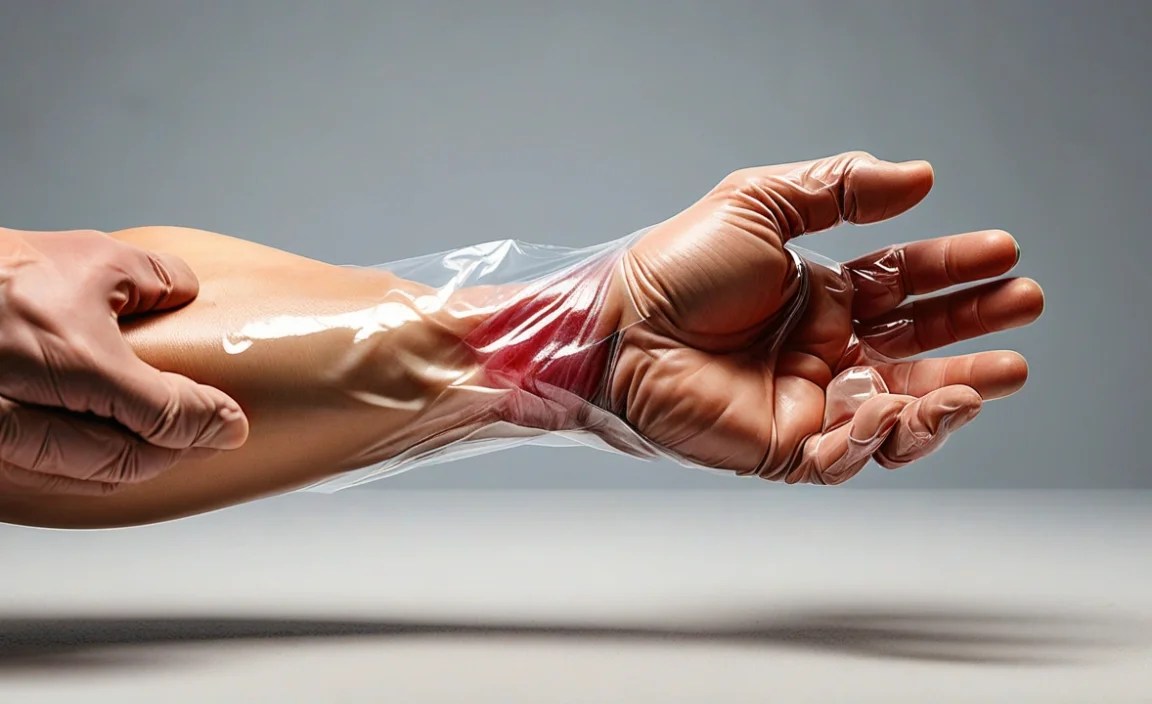
Using the correct technique is crucial to preventing hand injuries during inflation. Here’s how to do it:
Secure Grip
A firm, comfortable grip is essential. Avoid gripping too tightly, which can lead to hand fatigue and strain. Instead, focus on a balanced hold.
- Use Gloves: Gloves can improve your grip and provide cushioning, reducing strain.
- Position Your Hands: Place your hands in a position that allows for maximum leverage and minimal strain.
- Avoid Slipping: Ensure your hands and the pump handle are dry to prevent slipping.
Body Positioning
Your body position plays a significant role in reducing strain. Use your body weight to assist with the pumping action, rather than relying solely on your arm strength.
- Stand Correctly: Keep your back straight and your feet shoulder-width apart for stability.
- Use Your Legs: For floor pumps, use your legs to push down, reducing the strain on your arms and hands.
- Avoid Leaning: Leaning over the pump can put unnecessary stress on your back and hands.
Smooth Pumping Motion
A smooth, consistent pumping motion is more efficient and less stressful on your hands. Avoid jerky, forceful movements.
- Use Full Strokes: Use the full range of motion of the pump to maximize efficiency.
- Maintain a Rhythm: Establish a steady rhythm to avoid sudden bursts of effort.
- Avoid Overexertion: If you feel pain or fatigue, take a break.
Maintaining Your Inflation Equipment
Regular maintenance ensures your equipment works efficiently, reducing the effort needed for inflation. Here’s how to keep your pump in top condition:
Regular Cleaning
Keep your pump clean to prevent dirt and debris from affecting its performance. Wipe down the pump body and hose regularly with a damp cloth.
- Clean the Nozzle: Use a small brush or cotton swab to clean the nozzle and remove any buildup.
- Check for Cracks: Inspect the hose and pump body for cracks or damage.
- Lubricate Moving Parts: Apply a small amount of lubricant to moving parts to keep them working smoothly.
Checking for Wear and Tear
Regularly inspect your pump for signs of wear and tear. Replace worn parts promptly to maintain efficiency and prevent accidents.
- Hose Condition: Check the hose for cracks, kinks, or leaks.
- Handle Condition: Inspect the handle for damage or looseness.
- Valve Condition: Ensure the valve is in good working order and seals properly.
Proper Storage
Proper storage protects your pump from damage and prolongs its lifespan. Store your pump in a dry, clean place away from direct sunlight and extreme temperatures.
- Avoid Moisture: Moisture can cause corrosion and damage to the pump.
- Protect from Sun: Direct sunlight can degrade the hose and other plastic parts.
- Store Upright: Storing your pump upright can prevent damage to the hose and valve.
Taking Care of Your Hands
Protecting your hands is just as important as using the right tools and techniques. Here’s how to take care of your hands during and after inflation:
Warm-Up Exercises
Before you start inflating, do some simple warm-up exercises to prepare your hands and wrists. This can help prevent strain and injury.
- Wrist Rotations: Rotate your wrists clockwise and counterclockwise for 30 seconds each.
- Finger Stretches: Extend your fingers and then make a fist, repeating 10-15 times.
- Hand Clenches: Squeeze a soft ball or stress ball for 30 seconds.
Taking Breaks
Take frequent breaks during inflation to rest your hands and prevent fatigue. Even short breaks can make a big difference.
- Rest Your Hands: Put the pump down and let your hands relax for a few minutes.
- Stretch Your Fingers: Extend and stretch your fingers to relieve tension.
- Shake Your Hands: Shake your hands gently to improve circulation.
Cool-Down Stretches
After you finish inflating, do some cool-down stretches to help your hands recover. This can reduce muscle soreness and prevent stiffness.
- Wrist Flexes: Gently flex your wrists up and down, holding each position for 15 seconds.
- Finger Extensions: Extend your fingers and gently pull them back towards your body, holding for 15 seconds.
- Massage Your Hands: Massage your hands and wrists to relieve tension and improve circulation.
Ergonomic Considerations
Ergonomics is the science of designing tools and environments to fit the human body. Applying ergonomic principles to inflation can significantly reduce the risk of hand injuries.
Handle Design
The handle design of your pump is crucial for comfort and efficiency. Look for handles that are ergonomically shaped and provide a comfortable grip.
- Contoured Handles: Handles that are contoured to fit the shape of your hand can reduce pressure points.
- Non-Slip Grips: Non-slip grips prevent your hands from slipping, reducing the need to grip tightly.
- Padded Handles: Padded handles provide cushioning and reduce vibration.
Pump Height
The height of your pump should be appropriate for your body size. Using a pump that is too short or too tall can lead to awkward postures and strain.
- Adjustable Height: Some pumps have adjustable height settings to accommodate different users.
- Proper Posture: Maintain a straight back and avoid bending over excessively while pumping.
- Stable Base: Ensure the pump has a stable base to prevent it from tipping over.
Work Environment
Your work environment can also affect your risk of hand injuries. Make sure you have enough space to move around comfortably and that the lighting is adequate.
- Adequate Space: Ensure you have enough space to position yourself comfortably and move freely.
- Good Lighting: Good lighting reduces eye strain and improves visibility.
- Stable Surface: Work on a stable, level surface to prevent the pump from tipping over.
Advanced Techniques for High-Pressure Inflation
Inflating to high pressures, such as those required for road bike tires, can be particularly challenging. Here are some advanced techniques to make it easier and safer:
Using a Floor Pump with a Pressure Gauge
A floor pump with a pressure gauge allows you to monitor the pressure as you inflate, preventing over-inflation and reducing strain.
- Set the Desired Pressure: Check the recommended pressure range for your tires and set the gauge accordingly.
- Monitor the Gauge: Keep an eye on the gauge as you inflate to avoid exceeding the recommended pressure.
- Use Short Bursts: Inflate in short bursts, allowing the pump to cool down and preventing overheating.
Leveraging Body Weight
Use your body weight to assist with the pumping action, rather than relying solely on your arm strength. This can significantly reduce hand strain.
- Position Yourself Over the Pump: Position yourself directly over the pump to maximize leverage.
- Use Your Legs: Use your legs to push down on the pump handle, reducing the strain on your arms and hands.
- Maintain a Smooth Motion: Maintain a smooth, consistent pumping motion to avoid jerky movements.
Using a Tubeless Tire Inflator
For tubeless tires, a tubeless tire inflator can make seating the tire beads much easier, reducing the need for high-pressure bursts and minimizing hand strain.
- Charge the Inflator: Charge the inflator according to the manufacturer’s instructions.
- Connect to the Tire: Connect the inflator to the tire valve.
- Release the Air: Release the air from the inflator in a controlled manner to seat the tire beads.
When to Seek Professional Help
While many hand injuries can be managed with self-care, some may require professional medical attention. Here are some signs that you should see a doctor or physical therapist:
- Persistent Pain: Pain that does not improve with rest and over-the-counter pain relievers.
- Swelling: Swelling or inflammation in your hands or wrists.
- Numbness or Tingling: Numbness or tingling in your fingers or hands.
- Weakness: Weakness in your grip or difficulty performing everyday tasks.
- Limited Range of Motion: Difficulty moving your fingers, hands, or wrists.
Seeking professional help early can prevent minor injuries from becoming chronic problems. A doctor or physical therapist can diagnose your condition and recommend appropriate treatment options.
Table: Comparing Pump Types
| Pump Type | Pros | Cons | Best For |
|---|---|---|---|
| Hand Pump | Compact, portable | Requires more manual effort | Emergency repairs, occasional use |
| Foot Pump | Uses legs for pumping, reduces hand strain | Less portable than hand pumps | Home use, general inflation tasks |
| Electric Pump | Effortless inflation, fast | Requires power source, less portable | Frequent use, high-volume inflation |
| CO2 Inflator | Quick and convenient | Limited use, requires cartridges | Emergency repairs, racing |
Table: Troubleshooting Common Inflation Issues
| Issue | Possible Causes | Solutions |
|---|---|---|
| Pump is hard to push | Low lubrication, clogged valve | Lubricate moving parts, clean valve |
| Air leaking from valve | Damaged valve, incorrect attachment | Replace valve, ensure proper attachment |
| Tire not inflating | Puncture, valve issue | Patch puncture, check valve |
| Hand pain during pumping | Incorrect technique, overexertion | Improve technique, take breaks |
FAQ: Preventing Hand Injuries During Inflation
What are the most common hand injuries from inflating tires?
The most common hand injuries include strains, sprains, carpal tunnel syndrome, and tendonitis. These are often caused by repetitive motions, excessive force, or poor posture.
How can I improve my grip while using a hand pump?
Wear gloves with a good grip, ensure your hands and the pump handle are dry, and focus on a balanced hold rather than gripping too tightly.
Are electric pumps better for preventing hand injuries?
Yes, electric pumps can significantly reduce hand strain as they require minimal manual effort. They are ideal for frequent use or high-pressure needs.
What warm-up exercises should I do before inflating tires?
Simple warm-up exercises like wrist rotations, finger stretches, and hand clenches can help prepare your hands and wrists, reducing the risk of strain and injury.
How often should I take breaks during inflation?
Take frequent breaks, even short ones, to rest your hands and prevent fatigue. A few minutes of rest can make a big difference.
What should I do if I experience pain while inflating tires?
Stop inflating immediately and rest your hands. If the pain persists, consider seeking professional medical advice.
How important is pump maintenance in preventing injuries?
Regular maintenance is crucial as it ensures your pump works efficiently, reducing the effort needed for inflation and minimizing the risk of hand injuries.
Conclusion
Preventing hand injuries during inflation is all about using the right tools, mastering proper techniques, maintaining your equipment, and taking care of your hands. By following these simple steps, you can inflate tires, balls, and mattresses safely and comfortably. Remember, a little preparation and attention to detail can go a long way in protecting your hands and keeping you active and pain-free. So, go ahead and inflate with confidence, knowing you’re taking the necessary steps to prevent injuries and enjoy your activities to the fullest. Happy inflating!


