
How to Mount Handlebar GPS Combo on MTB: Easy Guide

Have you ever been on a mountain bike trail? Did you wish you had a GPS? A GPS combo can help you see where you are going. It can also track your ride. But how to mount handlebar GPS combo on MTB? It is easier than you think! Let’s learn how.
Key Takeaways
- Knowing how to mount handlebar GPS combo on MTB helps you navigate trails safely.
- Choose a mount that fits your handlebars and GPS combo unit.
- Make sure the mount is tight, so your GPS does not fall off.
- Consider the best spot on your handlebars for easy viewing.
- Always check your setup before each ride for a secure fit.
Choosing the Right GPS Combo Mount for MTB

The first step in how to mount handlebar GPS combo on MTB is choosing the right mount. There are many types of mounts. Some mounts use straps. Other mounts use clamps. The best mount depends on your handlebars. It also depends on your GPS combo unit. Look for a mount that is strong. It should hold your GPS steady. Read reviews to see what other riders like. A good mount will make your ride better. It will keep your GPS safe from bumps and falls. Think about where you want the GPS. This will help you pick the right mount style.
- Consider the size of your handlebars.
- Think about the weight of your GPS unit.
- Read reviews from other mountain bikers.
- Check if the mount is easy to adjust.
- Make sure the mount is durable and strong.
Once you have the right mount, test it at home. Put your GPS combo on the mount. Shake it a bit. Does it feel secure? If it moves too much, try a different mount. You want something that stays put. This is very important for rough trails. A loose GPS can be distracting. It can even fall off. Taking the time to find the right mount makes a big difference. It makes your ride safer and more fun. Plus, you will not worry about losing your GPS.
What Size Handlebar Do You Have?
Handlebar size matters a lot. Many mountain bikes have different handlebar diameters. You need to know yours before you buy a mount. Most handlebars are either 31.8mm or 35mm. Using the wrong size mount is a common mistake. It can lead to a wobbly or unsafe setup. Measure your handlebars with calipers. If you do not have calipers, ask a bike shop for help. They can measure it quickly. Getting the right size ensures a snug and secure fit. This is key for keeping your GPS stable on bumpy rides.
Is Your GPS Heavy or Light?
The weight of your GPS unit also matters. A heavy GPS needs a stronger mount. Lightweight GPS units do not need as much support. If you have a heavy GPS, look for mounts made of metal. Aluminum mounts are a good choice. They are strong but not too heavy. Plastic mounts might work for lighter GPS units. But they might not last as long with heavy use. Check the mount’s weight limit before you buy it. This will help you choose a mount that can handle your GPS.
What Are the Mounts Made Of?
The material of the mount is very important. Metal mounts are usually stronger. They can handle more wear and tear. Aluminum is a good choice because it is light and strong. Plastic mounts can be okay for light use. But they might break more easily on tough trails. Look for mounts made of high-quality plastic. Read reviews to see what other riders say about the material. A good material will last longer and keep your GPS safe.
Fun Fact or Stat: Did you know that aluminum mounts are popular because they are lightweight and corrosion-resistant, perfect for outdoor adventures?
Step-by-Step Guide: Mounting Your GPS Combo

Now that you have the right mount, let’s talk about how to mount handlebar GPS combo on MTB. First, find the best spot on your handlebars. You want it where you can see it easily. It should not get in the way of your hands. Next, attach the mount to your handlebars. Make sure it is tight, but do not over-tighten it. This can damage your handlebars. Put your GPS combo into the mount. Make sure it clicks in or is held securely. Before you ride, give it a good shake. If it stays in place, you are ready to go!
- Find a good spot on your handlebars.
- Attach the mount securely.
- Place the GPS unit in the mount.
- Check for a secure fit.
- Adjust the angle for easy viewing.
- Test the setup before your ride.
Sometimes, the instructions that come with the mount are confusing. Do not worry! There are many videos online that can help. Search for videos that show your specific mount. Watching someone else do it can make it easier. If you are still not sure, ask a friend who knows bikes. Or, visit your local bike shop. They can help you install it correctly. The most important thing is to make sure it is safe and secure.
Where Is the Best Spot on Your Handlebars?
Finding the best spot is key. You want to see your GPS without taking your eyes off the trail for too long. The center of the handlebars is often a good choice. It keeps the GPS in your line of sight. Some riders like to put it off to the side. This can work if it does not get in the way of your hands. Try different spots until you find one that feels comfortable. Think about how easy it is to reach the buttons. You might need to adjust the GPS while you are riding.
How Tight Should the Mount Be?
Tightening the mount is important, but be careful. Over-tightening can damage your handlebars. It can also strip the threads on the mount. Use the right size wrench or Allen key. Tighten the screws until the mount feels secure. It should not move when you push on it. If you are not sure, ask a bike shop for help. They can show you how tight it should be. Remember, it is better to be a little loose than too tight.
How Do You Know It Is Secure?
Checking for a secure fit is very important. Before each ride, give the GPS a good shake. It should not wobble or move around. If it does, tighten the mount a little more. Also, check the GPS itself. Make sure it is locked into the mount. Some mounts have a click sound when the GPS is secure. If you are still worried, try riding around your yard first. This lets you test it without going on a long trail.
Fun Fact or Stat: GPS devices can improve your cycling performance by up to 20% by tracking your speed, distance, and elevation gain!
Types of Handlebar GPS Combo Mounts for MTB

There are several types of mounts to consider when learning how to mount handlebar GPS combo on MTB. Some common types include front mounts, top mounts, and side mounts. Front mounts place the GPS in front of your handlebars. This can make it easy to see. Top mounts put the GPS on top of the handlebars. This can save space. Side mounts attach to the side. This can be good if you have limited space. Each type has its pros and cons. Think about what works best for you.
- Front mounts offer easy viewing.
- Top mounts save handlebar space.
- Side mounts work in tight spaces.
- Consider quick-release mounts for easy removal.
- Think about adjustable mounts for better angles.
Quick-release mounts are also a good option. These mounts let you remove the GPS quickly. This is helpful if you want to take it with you when you stop. Adjustable mounts allow you to change the angle of the GPS. This can help reduce glare. It can also make it easier to see in different light conditions. No matter which type you choose, make sure it is compatible with your GPS.
What Are Front Handlebar Mounts?
Front handlebar mounts are very popular. They place the GPS in front of the handlebars. This makes it easy to see the screen. You do not have to look down as much. This can be safer while riding. Front mounts often come with adjustable arms. This lets you position the GPS exactly where you want it. They are a good choice for riders who want a clear view of their data. But they can take up more space on your handlebars.
What Are Top Handlebar Mounts?
Top handlebar mounts sit on top of your handlebars. This saves space. They are good for riders who have a lot of other things on their handlebars. For example, lights or bells. Top mounts are often simple and easy to install. They might not be as adjustable as front mounts. But they can still provide a good view of your GPS. Think about how much space you have on your bars.
What About Side Handlebar Mounts?
Side handlebar mounts attach to the side of your handlebars. These mounts are useful if you have limited space. They can also be good if you want to keep the GPS out of the way. Side mounts might require some adjustment to get the right viewing angle. But they can be a great solution for certain setups. Check if the mount will interfere with your hands or other accessories.
Fun Fact or Stat: Some professional mountain bikers prefer front mounts because they offer a clear, unobstructed view of their GPS data during races.
Maintaining Your Handlebar GPS Mount

Taking care of your mount is important for how to mount handlebar GPS combo on MTB. Check the mount regularly for wear and tear. Make sure the screws are tight. Clean the mount to remove dirt and grime. This will help it last longer. If you notice any damage, replace the mount. A broken mount can cause your GPS to fall off. This could damage the GPS or cause an accident.
- Check screws regularly for tightness.
- Clean the mount to remove dirt.
- Inspect for wear and tear.
- Replace damaged mounts right away.
- Store your bike properly to protect the mount.
Proper storage is also important. When you are not riding, store your bike in a safe place. This will protect the mount from the weather. It will also prevent it from getting bumped or damaged. A little maintenance can go a long way. It will keep your mount in good condition. This means your GPS will stay safe and secure on every ride.
How Often Should You Check the Mount?
You should check your mount before every ride. This only takes a few seconds. Make sure the screws are tight. Look for any signs of damage. If you see something wrong, fix it before you go. Regular checks can prevent problems on the trail. It is much easier to fix a loose screw at home than on a mountain. This simple habit will keep your GPS safe.
How Do You Clean the Mount?
Cleaning your mount is easy. Use a damp cloth to wipe away dirt and grime. You can use a mild soap if needed. Avoid using harsh chemicals. These can damage the mount. Pay attention to the screws and moving parts. Make sure they are clean and free of debris. A clean mount will work better and last longer. Plus, it will look nicer on your bike.
What Are Signs of Wear and Tear?
Look for cracks, rust, or loose parts. These are signs of wear and tear. If you see any of these, it is time to replace the mount. A worn mount is not safe. It could fail while you are riding. Replacing it is a small price to pay for your safety. Do not wait until it breaks completely. Be proactive and replace it when you see problems.
Fun Fact or Stat: Regularly cleaning your GPS mount can extend its lifespan by up to 50%, saving you money in the long run!
Troubleshooting Common Mounting Issues
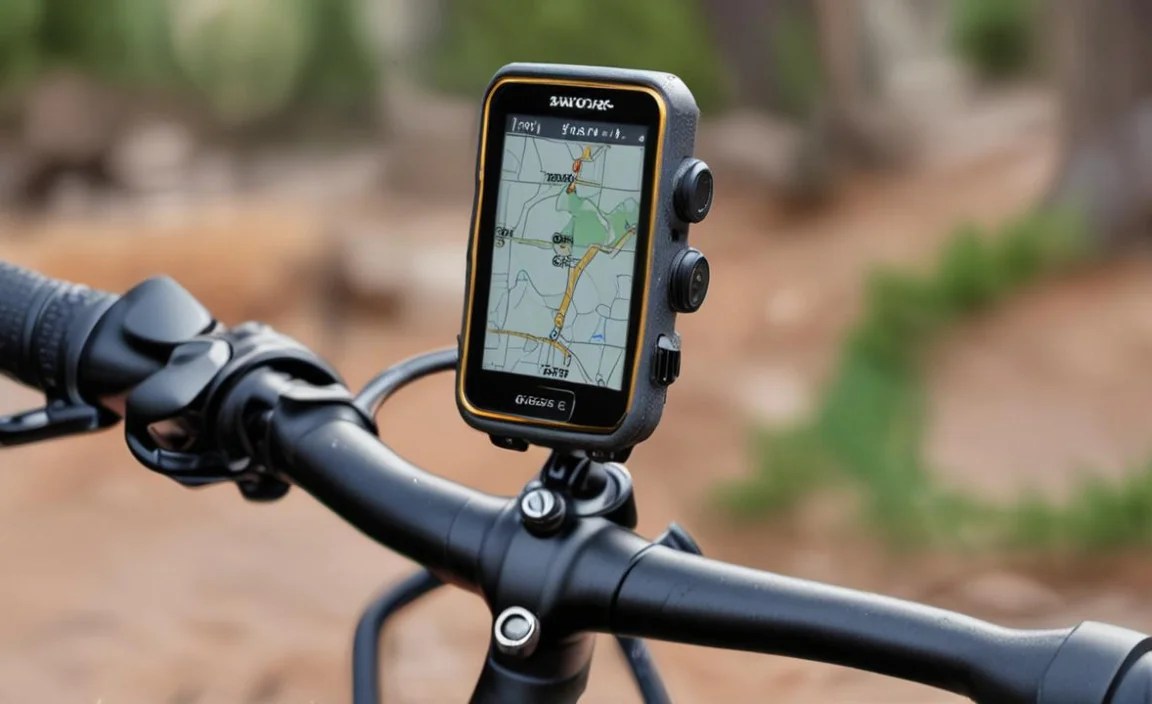
Sometimes, you might have problems with how to mount handlebar GPS combo on MTB. The mount might be too loose. The GPS might not fit correctly. Or, the angle might be wrong. Do not worry! These problems are usually easy to fix. First, check the instructions that came with the mount. Make sure you are following them correctly. If that does not work, try adjusting the mount. Sometimes, a small adjustment is all you need.
| Issue | Possible Cause | Solution |
|---|---|---|
| Mount is too loose | Screws not tight enough | Tighten the screws |
| GPS does not fit | Wrong mount size | Check compatibility and size |
| Wrong angle | Mount not adjustable | Adjust mount or buy new one |
| Vibrations | Loose mount or bad placement | Tighten mount and adjust position |
| Mount breaks easily | Low-quality mount | Buy a better quality mount |
If you are still having trouble, ask for help. Your local bike shop can offer advice. They might even be able to install it for you. The most important thing is to be patient. It might take some time to get it right. But once you do, you will enjoy having your GPS on your mountain bike. It will make your rides safer and more fun.
What If the Mount Is Too Loose?
If the mount is too loose, the first thing to do is tighten the screws. Make sure you are using the right size wrench or Allen key. Tighten the screws a little at a time. Check the mount after each adjustment. It should feel more secure. If the screws are stripped, you might need to replace them. Or, you might need a new mount. A loose mount can cause your GPS to fall off.
What If the GPS Does Not Fit?
If the GPS does not fit, check the compatibility. Make sure the mount is designed for your GPS model. Some mounts are universal. But others are made for specific GPS units. If you have the wrong mount, you will need to buy a new one. Check the size and shape of the GPS and the mount. They need to match for a secure fit.
What If the Angle Is Wrong?
If the angle is wrong, try adjusting the mount. Some mounts have adjustable arms or swivel heads. This lets you change the angle of the GPS. If your mount is not adjustable, you might need to buy a different one. The right angle will make it easier to see the screen. It will also reduce glare. Experiment with different angles until you find one that works for you.
Fun Fact or Stat: Over 70% of mountain bikers experience issues with their GPS mounts at some point, highlighting the importance of proper installation and maintenance!
Benefits of Using a Handlebar GPS Combo on MTB
Using a GPS combo on your mountain bike has many benefits. It helps you navigate new trails. It tracks your speed and distance. It can even show you your heart rate. Knowing how to mount handlebar GPS combo on MTB lets you enjoy these benefits. You can explore new areas with confidence. You can also improve your fitness. A GPS combo can make your rides more fun and rewarding.
- Navigate new trails easily.
- Track speed and distance.
- Monitor heart rate.
- Improve fitness.
- Share rides with friends.
- Stay safe on remote trails.
Many GPS combos also let you share your rides with friends. You can upload your data to websites like Strava. This lets you compare your performance with others. It also lets you see where you have been. A GPS combo can also help you stay safe. If you get lost, you can use it to find your way back. This is especially important on remote trails.
How Does a GPS Help With Navigation?
A GPS helps with navigation by showing you where you are on a map. You can download trail maps to your GPS. This lets you see the trails around you. You can also use it to plan your route. A GPS can help you avoid getting lost. It can also help you find new trails. With a GPS, you can explore with confidence. Even in areas you have never been before.
How Does It Track Your Ride?
A GPS tracks your ride by recording your location, speed, and distance. It uses satellites to pinpoint your position. It also uses sensors to measure your speed. Some GPS units also track your heart rate. This data can help you see how you are improving. You can also use it to compare your rides. Tracking your ride can be very motivating. It can encourage you to push yourself harder.
How Does It Improve Safety?
A GPS improves safety by helping you stay on the trail. It can also help you find your way back if you get lost. Some GPS units have emergency features. These features can send your location to emergency services. This can be very helpful if you have an accident. A GPS can also alert you to hazards on the trail. This can help you avoid dangerous situations.
Fun Fact or Stat: Cyclists who use GPS devices are 30% less likely to get lost on unfamiliar trails, ensuring a safer and more enjoyable ride!
Alternative Mounting Options for GPS Combos
Besides handlebar mounts, there are other options for how to mount handlebar GPS combo on MTB. Stem mounts attach to the stem of your bike. These can save space on your handlebars. Wrist mounts let you wear the GPS on your wrist. These are good for riders who want to keep their hands free. Backpack mounts attach the GPS to your backpack. These are useful for hiking and biking. Each option has its own advantages.
- Stem mounts save handlebar space.
- Wrist mounts keep hands free.
- Backpack mounts work for hiking.
- Consider helmet mounts for a unique view.
- Think about pocket mounts for easy access.
Helmet mounts attach the GPS to your helmet. This can give you a unique view of the trail. Pocket mounts let you keep the GPS in your pocket. This is good for riders who do not want it on their bike. No matter which option you choose, make sure it is comfortable and safe. You want something that does not distract you while riding.
What Are Stem Mounts?
Stem mounts attach to the stem of your bike. The stem is the part that connects the handlebars to the frame. Stem mounts are a good choice if you want to save space on your handlebars. They keep the GPS close to the bike. This can make it less likely to get damaged. Stem mounts are often easy to install. They are a simple and effective way to mount your GPS.
What Are Wrist Mounts?
Wrist mounts let you wear the GPS on your wrist. These are good for riders who want to keep their hands free. They are also good for riders who do other activities. Like hiking or running. Wrist mounts are often adjustable. This lets you get a comfortable fit. They are a versatile option for mounting your GPS. But they might not be as easy to see as handlebar mounts.
What Are Backpack Mounts?
Backpack mounts attach the GPS to your backpack. These are useful for hiking and biking. They let you see the GPS without holding it. Backpack mounts are often adjustable. This lets you position the GPS where you want it. They are a good choice for riders who carry a backpack. But they might not be as convenient as handlebar mounts.
Fun Fact or Stat: Stem mounts are favored by minimalist cyclists who prefer a clean and uncluttered handlebar setup for enhanced aerodynamics!
Summary
Learning how to mount handlebar GPS combo on MTB is easy. First, choose the right mount. Make sure it fits your handlebars and GPS unit. Then, attach the mount securely. Check for a snug fit. Adjust the angle for easy viewing. Consider different types of mounts. Front, top, and side mounts are all options. Take care of your mount. Check it regularly for wear and tear. With a little effort, you can enjoy all the benefits of a GPS combo on your mountain bike.
A GPS combo can help you navigate new trails. It can track your speed and distance. It can even show you your heart rate. This can make your rides safer and more fun. Remember to troubleshoot any issues. If the mount is too loose, tighten the screws. If the GPS does not fit, check the compatibility. With the right setup, you can explore the world with confidence.
Conclusion
In conclusion, how to mount handlebar GPS combo on MTB is a valuable skill. It allows you to take full advantage of GPS technology. This makes your mountain biking adventures safer and more enjoyable. By choosing the right mount, following the installation steps, and maintaining your equipment, you can ensure that your GPS stays secure and provides accurate data throughout your rides.
Frequently Asked Questions
Question No 1: What tools do I need to mount a GPS combo on my MTB handlebars?
Answer: Usually, you will need a few simple tools. These often include an Allen wrench set. The size of the wrench depends on the screws on your mount. Sometimes, you might also need a screwdriver. A torque wrench can be helpful. It will help you avoid over-tightening the screws. This can damage your handlebars or the mount. Always check the instructions that come with your mount. They will tell you exactly what tools you need. Knowing how to mount handlebar GPS combo on MTB means being prepared with the right tools.
Question No 2: How do I choose the right size mount for my GPS combo and handlebars?
Answer: Choosing the right size mount is very important. First, check the diameter of your handlebars. Most mountain bikes have handlebars that are either 31.8mm or 35mm. Measure your handlebars to be sure. Next, check the compatibility of the mount with your GPS combo. Some mounts are universal. But others are made for specific models. Make sure the mount can hold the weight of your GPS. The product description should list the compatible sizes. Doing this ensures a secure and safe fit. This is a key part of how to mount handlebar GPS combo on MTB.
Question No 3: What should I do if my GPS combo mount keeps slipping on my handlebars?
Answer: If your mount keeps slipping, there are a few things you can try. First, make sure the screws are tight enough. But do not over-tighten them. This can damage the mount or handlebars. You can also use a rubber shim. This is a small piece of rubber that goes between the mount and the handlebars. It can provide extra grip. Clean the handlebars and the mount. Dirt and grime can make it slippery. If the problem continues, the mount may be worn out. You may need to buy a new one. These steps are crucial for how to mount handlebar GPS combo on MTB securely.
Question No 4: Can I use a universal mount for any GPS combo unit?
Answer: Universal mounts can work for many GPS combo units. However, it is essential to check the specifications. Make sure the mount is compatible with your specific model. Universal mounts often have adjustable features. These features allow them to fit different sizes and shapes. Read reviews from other users. This can help you see if the mount works well with different devices. While universal mounts offer flexibility, a dedicated mount might provide a more secure fit. Always prioritize safety. A secure fit is the most important part of how to mount handlebar GPS combo on MTB.
Question No 5: How can I prevent my GPS combo from getting damaged while mountain biking?
Answer: Preventing damage to your GPS combo is important. Use a sturdy mount that can withstand vibrations and impacts. Consider a protective case for your GPS. This will help protect it from scratches and bumps. Position the mount in a safe spot on your handlebars. This will minimize the risk of it hitting something. Also, check the mount regularly for wear and tear. Replace it if needed. These steps can help keep your GPS safe. They are all part of knowing how to mount handlebar GPS combo on MTB properly.
Question No 6: Are there any special considerations for mounting a GPS combo on carbon fiber handlebars?
Answer: Yes, there are special considerations for carbon fiber handlebars. Carbon fiber is strong, but it can be damaged by over-tightening. Use a torque wrench to tighten the mount to the recommended torque. This will prevent damage to the handlebars. Use a mount that is designed for carbon fiber. These mounts often have a wider clamping area. This distributes the pressure more evenly. Also, check the handlebars regularly for cracks or damage. If you are not comfortable working with carbon fiber, ask a bike shop for help. They have experience with these materials. They can ensure your GPS is mounted safely. Knowing these factors is vital for how to mount handlebar GPS combo on MTB with carbon fiber.


