
Mountain Bike Climbing Techniques: Ride Uphill Easy!

Mastering Mountain Bike Climbing Techniques: A Beginner’s Guide
Quick Summary: Conquer any hill! The key to mountain bike climbing is staying balanced and using the right gears. Shift to an easier gear before the hill gets steep. Keep your weight centered, look ahead, and pedal smoothly. Practice these techniques, and you’ll be climbing like a pro in no time!
Struggling to get up those steep climbs on your mountain bike? It’s a common challenge! Many riders find themselves walking their bikes up hills they thought they could conquer. But don’t worry, it’s totally fixable. With the right techniques, you can improve your climbing skills and enjoy the ride. This guide will break down essential mountain bike climbing techniques into easy-to-follow steps. We’ll cover everything from gear selection to body positioning, helping you tackle those tough climbs with confidence. Get ready to conquer any hill!
Understanding the Basics of Mountain Bike Climbing

Before diving into specific techniques, let’s cover some fundamental concepts. Climbing on a mountain bike is about more than just brute strength. It’s about efficiency, balance, and understanding how your bike and body work together.
Gear Selection: Your Secret Weapon
Choosing the right gear is crucial for climbing. You want a gear that allows you to pedal at a comfortable cadence (pedal speed) without excessive strain. Here’s how to think about it:
- Easier Gears: Use these for steeper climbs or when you’re starting to tire. They require less force to turn the pedals.
- Harder Gears: These are for flatter sections or when you want to go faster. They require more force to turn the pedals.
Pro Tip: Shift before the hill gets steep. It’s much easier to shift when you’re not under pressure. Anticipate the terrain and adjust your gears accordingly.
Cadence: Finding Your Rhythm
Cadence refers to how fast you’re pedaling, measured in revolutions per minute (RPM). Finding the right cadence is key to efficient climbing.
- Too Low (Grinding): Pedaling too slowly puts a lot of strain on your knees and muscles.
- Too High (Spinning): Pedaling too fast can lead to fatigue and loss of power.
Aim for a cadence that feels sustainable and allows you to maintain a steady effort. Most riders find a cadence between 60-80 RPM works well for climbing. A bike computer with a cadence sensor can help you monitor your RPM.
Body Position: Staying Balanced
Your body position plays a vital role in maintaining traction and balance while climbing. Here are the key elements:
- Weight Distribution: Keep your weight centered over the bike. Avoid leaning too far forward or backward.
- Elbows Bent: Maintain a slight bend in your elbows to absorb bumps and maintain control.
- Core Engagement: Engage your core muscles to stabilize your body and transfer power to the pedals.
Step-by-Step Mountain Bike Climbing Techniques

Now that we’ve covered the basics, let’s break down the specific techniques you can use to improve your climbing.
1. The Seated Climb: Efficient Power
The seated climb is the most efficient way to tackle moderate hills. It allows you to use your body weight to generate power and maintain traction.
- Gear Selection: Choose a gear that allows you to maintain a comfortable cadence.
- Body Position: Sit upright with your weight centered over the saddle.
- Pedaling Technique: Pedal smoothly and consistently, focusing on a full pedal stroke.
- Look Ahead: Keep your eyes focused on the trail ahead to anticipate changes in terrain.
Pro Tip: Imagine scraping mud off the bottom of your shoe with each pedal stroke. This helps engage your glutes and hamstrings for more power.
2. The Standing Climb: Powering Through Steep Sections
The standing climb is useful for short, steep sections where you need extra power. It allows you to use your body weight to generate more force on the pedals.
- Gear Selection: Shift to a slightly harder gear than you would use for a seated climb.
- Body Position: Stand up out of the saddle, keeping your weight centered over the bike.
- Pedaling Technique: Use your body weight to push down on the pedals, maintaining a smooth and consistent stroke.
- Handlebar Grip: Grip the handlebars firmly but not too tightly. Avoid pulling up on the bars, as this wastes energy.
Pro Tip: Sync your breathing with your pedal strokes. Inhale as you push down on one pedal and exhale as you push down on the other.
3. The “Attack” Position: Getting Ready for Anything
The attack position is a versatile technique that allows you to quickly adapt to changes in the terrain. It’s useful for navigating technical climbs with roots, rocks, and other obstacles.
- Gear Selection: Choose a gear that allows you to maintain a steady cadence.
- Body Position: Stand up slightly out of the saddle, with your elbows bent and your weight centered.
- Vision: Look ahead and scan the trail for obstacles.
- Adaptation: Be prepared to shift your weight and adjust your body position as needed to maintain traction and balance.
Pro Tip: Practice the attack position on flat ground to get comfortable with the feeling of being slightly out of the saddle. This will help you react quickly when you encounter obstacles on the trail.
4. Maintaining Momentum: Keeping the Wheels Turning
Momentum is your friend when climbing. The more momentum you have, the easier it will be to overcome obstacles and maintain your speed.
- Anticipate: Look ahead and anticipate changes in the terrain.
- Smooth Pedaling: Maintain a smooth and consistent pedal stroke.
- Avoid Braking: Use your brakes sparingly, as braking kills momentum.
- Choose Your Line: Pick the smoothest and most direct line up the hill.
Pro Tip: If you start to lose momentum, shift to an easier gear and focus on maintaining a high cadence.
5. Conquering Switchbacks: Navigating Tight Turns
Switchbacks can be tricky, especially on steep climbs. Here’s how to navigate them effectively:
- Wide Entry: Enter the switchback as wide as possible to give yourself more room to maneuver.
- Look Through the Turn: Keep your eyes focused on the exit of the turn.
- Lean In: Lean your body into the turn to maintain traction and balance.
- Inside Pedal Up: Keep your inside pedal up to avoid hitting the ground.
- Momentum: Carry as much momentum as possible through the turn.
Pro Tip: Practice switchbacks on a flat surface before attempting them on a steep climb. This will help you get a feel for the technique.
Advanced Climbing Techniques
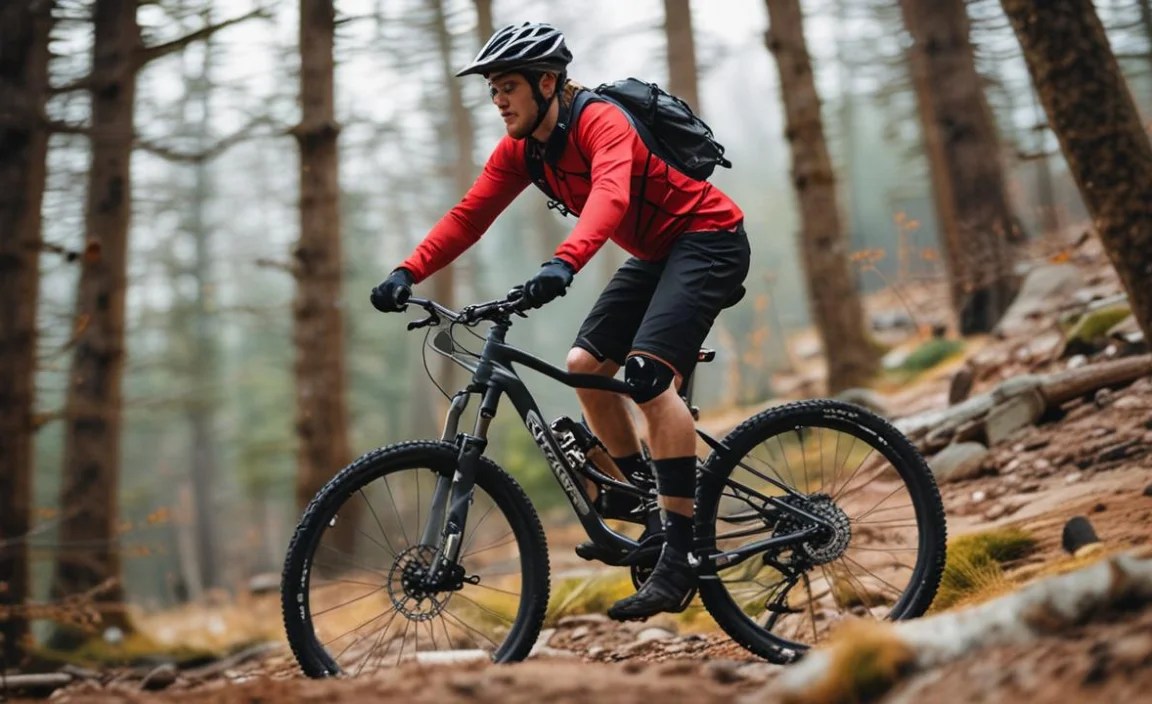
Once you’ve mastered the basic techniques, you can start experimenting with more advanced strategies.
The Track Stand: Staying Put on Steep Terrain
The track stand is a technique where you balance on your bike without moving forward. It’s useful for waiting for other riders, taking a break on a steep climb, or preparing for a technical section.
- Find Your Balance Point: Shift your weight slightly forward or backward until you find a point where you can balance easily.
- Use Your Brakes: Use your brakes to control your speed and maintain your balance.
- Small Adjustments: Make small adjustments to your handlebars and pedals to stay balanced.
Pro Tip: Practice the track stand on a flat surface before attempting it on a climb. It takes time and patience to master.
The Power Burst: Overcoming Short, Steep Obstacles
The power burst is a technique where you generate a short burst of power to overcome a steep obstacle, such as a rock or root.
- Gear Selection: Choose a gear that’s slightly harder than you would normally use.
- Body Position: Stand up out of the saddle and lean forward slightly.
- Pedaling Technique: Push down hard on the pedals, using your body weight to generate power.
- Momentum: Carry as much momentum as possible into the obstacle.
Pro Tip: The power burst is a high-intensity technique that can quickly lead to fatigue. Use it sparingly.
The “Ratchet” Technique: Negotiating Technical Climbs
The ratchet technique involves repeatedly pedaling forward a short distance, then pausing to reposition your pedals. This allows you to maintain momentum and avoid pedal strikes on technical climbs.
- Gear Selection: Choose an easy gear.
- Pedal Forward: Pedal forward a short distance.
- Pause and Reposition: Pause and reposition your pedals so that your leading pedal is in a good position to generate power.
- Repeat: Repeat steps 2 and 3 as needed to navigate the technical section.
Pro Tip: The ratchet technique requires good bike handling skills and a feel for the terrain. Practice it on easier trails before attempting it on more challenging climbs.
Essential Gear for Mountain Bike Climbing

Having the right gear can make a big difference in your climbing performance.
- Mountain Bike: Choose a mountain bike with a good climbing geometry. Look for a bike with a steep seat tube angle and a lightweight frame.
- Tires: Use tires with good traction and low rolling resistance. Consider running tubeless tires for better grip and puncture resistance.
- Gearing: Make sure your bike has a wide range of gears. A 1x drivetrain with a large cassette is a good option for climbing.
- Shoes and Pedals: Use clipless pedals and shoes for maximum power transfer.
- Clothing: Wear comfortable and breathable clothing. Consider using padded shorts to reduce chafing.
- Helmet: Always wear a helmet when mountain biking.
- Gloves: Wear gloves to protect your hands and improve your grip.
- Hydration Pack: Carry plenty of water to stay hydrated on long climbs.
Troubleshooting Common Climbing Problems
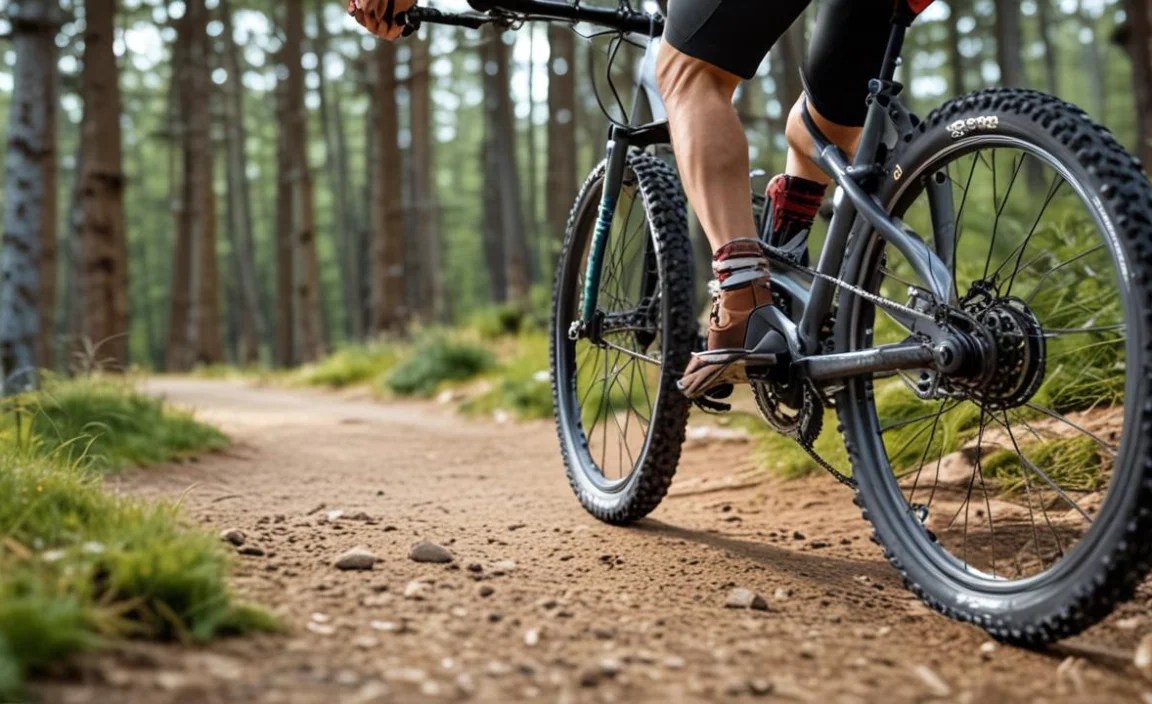
Even with the right techniques, you may encounter some common climbing problems.
| Problem | Possible Cause | Solution |
|---|---|---|
| Loss of Traction | Weight too far back, tires overinflated, loose terrain | Shift weight forward, lower tire pressure, choose a different line |
| Spinning Out | Gear too hard, weight too far forward, loose terrain | Shift to an easier gear, shift weight back, choose a different line |
| Fatigue | Gear too hard, cadence too low, not enough hydration | Shift to an easier gear, increase cadence, drink more water |
| Pedal Strikes | Poor line choice, not lifting pedals over obstacles | Choose a smoother line, lift pedals over obstacles, use the ratchet technique |
Training Tips for Better Climbing
Improving your climbing ability takes time and practice. Here are some training tips to help you get better:
- Ride Hills Regularly: The best way to improve your climbing is to ride hills regularly.
- Interval Training: Incorporate interval training into your rides. This involves alternating between high-intensity efforts and periods of rest.
- Strength Training: Strength training can help you build the muscles you need for climbing. Focus on exercises that target your legs, core, and upper body.
- Endurance Training: Endurance training can help you improve your stamina and reduce fatigue.
- Practice Technical Skills: Practice your technical skills on easier trails before attempting them on more challenging climbs.
FAQ: Mountain Bike Climbing Techniques
Here are some frequently asked questions about mountain bike climbing techniques:
Conclusion
Mastering mountain bike climbing techniques takes time and practice, but it’s well worth the effort. By understanding the basics of gear selection, cadence, and body position, and by practicing the techniques outlined in this guide, you can improve your climbing skills and conquer any hill. Remember to choose the right gear, maintain a smooth pedal stroke, and keep your weight centered over the bike. With patience and persistence, you’ll be climbing like a pro in no time. Now get out there and start climbing!


