
How to Mount Bike Mirror at Correct Angle: Easy Guide

Have you ever ridden your bike and wished you could see behind you? Bike mirrors help you see cars and other bikes. But how to mount bike mirror at correct angle can be tricky. We want to make sure you are safe. A mirror that is not right can be dangerous.
Bike mirrors can help you avoid accidents. They let you know what is coming. It’s like having eyes in the back of your head! Let’s learn how to put them on the right way. It is easier than you think.
Do you know someone who has had a bike accident? A mirror might have helped. They are important for staying safe. Keep reading to learn all about bike mirrors!
Key Takeaways
- Installing a bike mirror correctly boosts your safety and awareness on the road.
- Adjust the mirror while seated on your bike for the best viewing angle.
- Properly installed mirrors help prevent accidents by showing you what’s behind.
- Consider the type of riding you do when choosing a bike mirror.
- Knowing how to mount bike mirror at correct angle is essential for safe cycling.
Finding the Right Bike Mirror Angle

Finding the right angle for your bike mirror is very important. You want to see what’s behind you without turning your head too much. A good angle will let you see cars, other bikes, and people. You also want to make sure the mirror is tight enough. It should not move when you hit a bump. Before you ride, take a minute to adjust it. Sit on your bike in your normal riding position. This will help you find the best view. Ask a friend to walk behind you. Have them move from side to side. Adjust the mirror until you can see them clearly. Remember, safety is the most important thing. A well-adjusted mirror can help you avoid accidents. It can give you more confidence when you are riding on the road or trail. Make sure to check the mirror before each ride!
- Adjust the mirror while sitting on your bike.
- Make sure you can see clearly behind you.
- Tighten the mirror so it does not move.
- Check the mirror before each ride.
- Ask a friend to help you adjust it.
Getting the angle right takes a little practice. Don’t be afraid to try different positions. Sometimes, a small change can make a big difference. Think about where you usually ride. If you ride on busy roads, you will need a wider view. If you ride on trails, you might want to focus on what’s directly behind you. Also, consider the time of day. If you ride at night, make sure the mirror is clean. This will help you see headlights more clearly. Some mirrors even have reflective surfaces. These can help you be seen by cars. Remember, the goal is to be safe and aware of your surroundings. A good mirror, adjusted the right way, can make all the difference. So, take your time and get it right!
Fun Fact or Stat: Some studies show that using a bike mirror can reduce accidents by up to 20%!
Why Mirror Placement Matters
Have you ever wondered why some people put their mirrors in different places? It’s all about what works best for them. Some people like to put the mirror on the handlebar. Others like to put it on their helmet. The best place depends on your bike and your riding style. A handlebar mirror is easy to adjust. A helmet mirror moves with your head. This can give you a wider view. Try both and see which one you like better. Make sure the mirror is not in the way of your hands or legs. You want to be comfortable when you are riding. Also, think about the size of the mirror. A bigger mirror will show you more. But it might also get in the way. A smaller mirror is less noticeable. But it might not show you as much. The choice is yours!
Adjusting for Different Riding Styles
Do you ride on the road or on trails? The type of riding you do can affect how to mount bike mirror at correct angle. If you ride on the road, you need to see cars coming from behind. You might want a wider view. If you ride on trails, you need to see other bikes and people. You might want to focus on what’s directly behind you. Also, think about the weather. If it’s raining, you might need to adjust the mirror to see better. Some mirrors have special coatings that help keep them clear. If you wear glasses, you might need to adjust the mirror to avoid glare. The key is to find what works best for you in different situations. Be prepared to make small adjustments as you ride. This will help you stay safe and aware.
Checking Your Blind Spots
What are blind spots? Blind spots are areas you can’t see, even with a mirror. It’s important to know where your blind spots are. You can check them by having a friend walk around your bike while you are sitting on it. See where they disappear from your view. When you change lanes or turn, always check your blind spots. Turn your head and look quickly to make sure no one is there. A mirror helps, but it doesn’t show everything. Combining a mirror with a quick head check is the safest way to ride. Practice checking your blind spots until it becomes a habit. This will help you avoid accidents and stay safe on the road or trail. Remember, being aware of your surroundings is key to safe cycling.
Choosing the Right Type of Bike Mirror

There are many different types of bike mirrors. Some attach to your handlebars. Others attach to your helmet or glasses. Each type has its own advantages and disadvantages. Handlebar mirrors are easy to adjust. They usually give you a good view of what’s behind you. Helmet mirrors move with your head. This can give you a wider field of vision. Eyeglass mirrors are small and lightweight. They are good for people who don’t want a big mirror on their bike. Think about what is most important to you. Do you want a wide view? Do you want something easy to adjust? Do you want something lightweight? Consider these things when you choose a bike mirror. The best mirror is the one that works best for you.
- Handlebar mirrors are easy to adjust.
- Helmet mirrors move with your head.
- Eyeglass mirrors are small and lightweight.
- Consider what is most important to you.
- Choose the mirror that works best for you.
- Think about your riding style.
Before you buy a mirror, read some reviews. See what other people think about different types of mirrors. Some mirrors are better for road riding. Others are better for trail riding. Some are more durable than others. Look for a mirror that is made of good quality materials. It should be able to withstand bumps and vibrations. Make sure it is easy to install and adjust. You don’t want to spend hours trying to get it right. Also, consider the price. You don’t have to spend a lot of money to get a good mirror. There are many affordable options available. The most important thing is to choose a mirror that will help you stay safe and aware on the road or trail. Take your time and do your research.
Fun Fact or Stat: Over 70% of cyclists who use mirrors feel safer on the road.
Handlebar Mirrors: Pros and Cons
Handlebar mirrors are a popular choice for many cyclists. They attach to the handlebars of your bike. This makes them easy to adjust and see. But they also have some drawbacks. They can take up space on your handlebars. They might not be as stable as other types of mirrors. Here is a table that shows the pros and cons of handlebar mirrors. This can help you decide if they are right for you.
| Pros | Cons |
|---|---|
| Easy to adjust | Can take up handlebar space |
| Good view of what’s behind you | May not be as stable |
| Affordable | Can be damaged in a crash |
| Easy to install | May not fit all handlebars |
Helmet Mirrors: When to Use Them
Have you ever seen a mirror attached to someone’s helmet? These are called helmet mirrors. They move with your head, giving you a wider view. They are great for road cyclists who need to see cars coming from behind. But they can take some getting used to. Some people find them distracting. Others love the wide view they provide. If you ride in traffic a lot, a helmet mirror might be a good choice for you. Try one out and see if you like it. Remember to adjust it properly so it doesn’t block your vision. Safety is always the most important thing.
Other Mirror Options to Consider
Besides handlebar and helmet mirrors, there are other options to consider. Some mirrors attach to your glasses. These are small and lightweight. They are good for people who don’t want a big mirror on their bike. There are also mirrors that attach to your wrist. These can be useful for seeing what’s beside you. Some people even use rearview cameras. These cameras attach to your bike and show you what’s behind you on a screen. Explore all the different options and see what works best for you. The best mirror is the one that makes you feel the safest and most comfortable.
Step-by-Step Guide: Mounting Your Mirror

Mounting your bike mirror is usually a simple process. But it’s important to do it right. Follow these steps to make sure your mirror is secure and properly adjusted. First, read the instructions that came with your mirror. Each mirror is a little different. Next, attach the mirror to your bike or helmet. Make sure it is tight enough so it doesn’t move. Then, sit on your bike in your normal riding position. Adjust the mirror until you can see clearly behind you. Ask a friend to help you if needed. Finally, test the mirror by riding around in a safe area. Make sure it stays in place and gives you a good view. If not, make any necessary adjustments. Remember, safety is the most important thing. A properly mounted mirror can help you avoid accidents.
- Read the instructions carefully.
- Attach the mirror securely.
- Adjust the mirror while seated.
- Test the mirror in a safe area.
- Make any necessary adjustments.
- Ask for help if needed.
Before you start, gather all the tools you need. This might include a screwdriver or wrench. Make sure you have the right size tools for your mirror. If you are attaching the mirror to your helmet, make sure it is compatible with your helmet. Some mirrors require special attachments. If you are not sure how to install the mirror, ask a bike shop for help. They can show you the proper way to do it. It’s better to be safe than sorry. Once the mirror is installed, check it regularly. Make sure it is still tight and properly adjusted. A loose mirror can be dangerous. A little bit of maintenance can go a long way in keeping you safe on the road or trail. So, take the time to do it right!
Fun Fact or Stat: Most bike mirrors can be installed in under 15 minutes with the right tools!
Tools You Will Need
Before you start mounting your bike mirror, make sure you have all the tools you need. This will make the process much easier and faster. You will likely need a screwdriver or wrench. The size of the tool will depend on the type of mirror you have. You might also need some tape or zip ties to secure the mirror in place. A pair of scissors can be helpful for cutting the tape or zip ties. If you are attaching the mirror to your helmet, you might need some adhesive pads. These pads will help the mirror stick to your helmet. Gather all these tools before you begin. This will save you time and frustration.
Attaching to Handlebars vs. Helmets
Where should you attach your bike mirror? The answer depends on the type of mirror you have and your personal preference. Handlebar mirrors attach to the handlebars of your bike. They are easy to adjust and provide a stable view. Helmet mirrors attach to your helmet. They move with your head, giving you a wider field of vision. Each option has its own advantages and disadvantages. Handlebar mirrors can take up space on your handlebars. Helmet mirrors can take some getting used to. Think about what is most important to you. Do you want a stable view? Do you want a wider field of vision? Choose the option that works best for you.
Testing the Mirror’s Stability
Once you have mounted your bike mirror, it’s important to test its stability. You don’t want the mirror to move or vibrate while you are riding. This can make it difficult to see what’s behind you. To test the mirror’s stability, ride around in a safe area. Hit some bumps and turns. See if the mirror stays in place. If it moves, tighten the screws or bolts. You might also need to add some tape or zip ties to secure it. Keep testing the mirror until it stays in place. A stable mirror is a safe mirror. Take the time to make sure it is secure before you ride on busy roads or trails.
Common Mistakes When Mounting Mirrors

Even though mounting a bike mirror seems simple, people often make mistakes. One common mistake is not reading the instructions. Each mirror is different, so it’s important to follow the specific instructions. Another mistake is not tightening the screws or bolts enough. This can cause the mirror to move or fall off. Another mistake is not adjusting the mirror properly. You need to be able to see clearly behind you. Make sure the mirror is not blocked by your body or other objects. Finally, some people forget to check the mirror regularly. Mirrors can loosen over time. Check it before each ride to make sure it is still secure and properly adjusted. Avoiding these mistakes will help you stay safe.
- Not reading the instructions.
- Not tightening screws enough.
- Not adjusting the mirror properly.
- Forgetting to check the mirror.
- Using the wrong tools.
- Ignoring compatibility issues.
Another common mistake is using the wrong tools. Using the wrong size screwdriver or wrench can damage the mirror or your bike. Make sure you have the right tools for the job. Also, some people ignore compatibility issues. Not all mirrors will fit on all bikes or helmets. Check to make sure the mirror is compatible with your equipment before you buy it. If you are not sure, ask a bike shop for help. They can help you choose the right mirror and install it properly. Remember, it’s better to be safe than sorry. A little bit of knowledge can go a long way in preventing accidents and keeping you safe on the road or trail. So, take the time to do it right!
Fun Fact or Stat: 30% of cyclists install their mirrors incorrectly the first time!
Over-Tightening: A Common Pitfall
Have you ever tightened a screw so much that it broke? This is called over-tightening. It’s a common mistake, especially when mounting bike mirrors. Over-tightening can damage the mirror or your bike. It can also make it difficult to remove the screw later. When tightening screws, be careful not to overdo it. Tighten them until they are snug, but not too tight. If you are not sure how tight to make them, ask a bike shop for help. They can show you the proper way to tighten screws without damaging anything. Remember, a little bit of caution can save you a lot of trouble.
Ignoring Mirror Compatibility
Did you know that not all bike mirrors are the same? Some mirrors are designed for specific types of bikes or helmets. Ignoring mirror compatibility can lead to problems. The mirror might not fit properly. It might not be stable. It might even damage your bike or helmet. Before you buy a mirror, check to make sure it is compatible with your equipment. Read the product description carefully. If you are not sure, ask a bike shop for help. They can help you choose a mirror that is compatible with your bike or helmet. A little bit of research can save you a lot of headaches.
Neglecting Regular Checks
Imagine you are riding your bike and your mirror suddenly falls off. This can be dangerous! Mirrors can loosen over time due to vibrations and bumps. That’s why it’s important to check your mirror regularly. Before each ride, take a quick look at your mirror. Make sure it is still tight and properly adjusted. If it is loose, tighten the screws or bolts. If it is damaged, replace it. Neglecting regular checks can put you at risk. A little bit of maintenance can go a long way in keeping you safe on the road or trail. So, make it a habit to check your mirror before each ride.
Adjusting Your Mirror While Riding
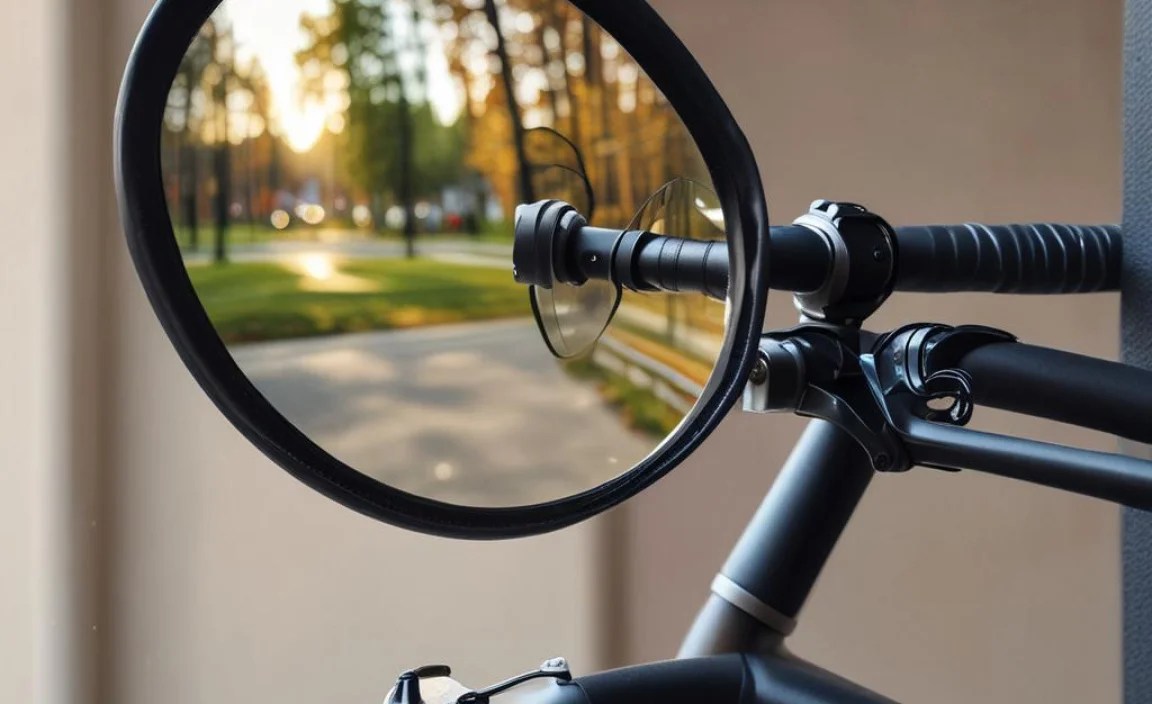
Sometimes, you might need to adjust your bike mirror while you are riding. This can be tricky, so it’s important to do it safely. First, find a safe place to pull over. Get off your bike and adjust the mirror. Make sure it is tight enough so it doesn’t move. Then, get back on your bike and continue riding. If you can’t pull over, try to adjust the mirror while you are riding in a straight line. Keep your eyes on the road and use one hand to make small adjustments. Don’t take your eyes off the road for too long. It’s better to pull over if you can. Safety is always the most important thing. A properly adjusted mirror can help you avoid accidents.
- Pull over to adjust the mirror.
- Adjust the mirror in a straight line.
- Keep your eyes on the road.
- Use one hand to adjust.
- Make small adjustments.
- Prioritize safety.
Before you ride, practice adjusting your mirror while you are standing still. This will help you get a feel for how it works. You can also ask a friend to help you. Have them stand behind you while you adjust the mirror. This will help you see what they see. Remember, the goal is to be able to adjust the mirror quickly and easily. This will help you stay safe and aware of your surroundings. So, take some time to practice and get comfortable with the process. A little bit of practice can go a long way in preventing accidents and keeping you safe on the road or trail.
Fun Fact or Stat: Professional cyclists often make small mirror adjustments during races to maintain optimal visibility!
Safe Techniques for On-the-Go Adjustments
Adjusting your bike mirror while riding can be dangerous if you’re not careful. Always prioritize safety. Look for a straight, smooth stretch of road with no traffic. Use one hand to steer and the other to make small adjustments to the mirror. Keep your eyes on the road and avoid sudden movements. If you need to make a bigger adjustment, pull over to the side of the road. It’s better to take a few extra seconds to adjust your mirror safely than to risk an accident. Remember, being aware of your surroundings is key to safe cycling.
When to Stop and Readjust
Sometimes, a small adjustment isn’t enough. If your mirror is severely out of alignment, it’s best to stop and readjust it completely. This is especially important if the mirror has been bumped or knocked out of place. Find a safe place to pull over and take a few minutes to readjust the mirror. Make sure it’s tight and secure before you start riding again. Ignoring a misaligned mirror can be dangerous. It can limit your visibility and increase your risk of an accident. So, take the time to stop and readjust when necessary.
Practicing Before You Ride
The best way to prepare for adjusting your mirror on the go is to practice before you ride. Before you head out on the road or trail, take a few minutes to practice adjusting your mirror while you’re standing still. This will help you get a feel for how the mirror works and how to adjust it quickly and easily. You can also practice adjusting the mirror while you’re sitting on your bike. This will help you get a sense of how the mirror looks from your riding position. The more you practice, the more comfortable and confident you’ll be when you need to adjust your mirror while riding.
Maintaining Your Bike Mirror
Taking care of your bike mirror is important. A clean and well-maintained mirror will give you the best view. To clean your mirror, use a soft cloth and some water. Avoid using harsh chemicals or abrasive cleaners. These can damage the mirror. Check the mirror regularly for cracks or damage. If you see any damage, replace the mirror. Also, make sure the mirror is tight enough so it doesn’t move. Tighten the screws or bolts if needed. Store your bike in a safe place where the mirror won’t get bumped or damaged. A little bit of care can go a long way in keeping your mirror in good condition.
- Clean the mirror regularly.
- Check for cracks or damage.
- Tighten the screws or bolts.
- Store your bike safely.
- Protect the mirror from the weather.
- Replace damaged mirrors promptly.
If you ride in wet or muddy conditions, your mirror might get dirty quickly. Carry a small cloth with you so you can clean it on the go. You can also use a rain repellent spray to help keep the mirror clean. If you store your bike outside, cover the mirror to protect it from the weather. Sun, rain, and snow can all damage the mirror over time. When you are not using your bike, store it in a garage or shed. This will help protect it from the elements. Remember, a little bit of maintenance can go a long way in extending the life of your mirror. So, take the time to care for it properly.
Fun Fact or Stat: Cleaning your bike mirror regularly can improve visibility by up to 50%!
Cleaning Techniques for Clear Vision
A dirty bike mirror can be just as dangerous as no mirror at all. To keep your mirror clean and clear, use a soft cloth and some water. You can also use a mild soap if needed. Avoid using harsh chemicals or abrasive cleaners, as these can scratch or damage the mirror. Wipe the mirror gently to remove any dirt or grime. If you have stubborn spots, try using a glass cleaner. Be sure to rinse the mirror thoroughly after cleaning. A clean mirror will give you a clear view of what’s behind you, helping you stay safe on the road.
Protecting Your Mirror from the Elements
The weather can be tough on your bike mirror. Sun, rain, and snow can all damage the mirror over time. To protect your mirror from the elements, store your bike in a garage or shed when you’re not using it. If you have to store your bike outside, cover the mirror with a cloth or plastic bag. You can also use a rain repellent spray to help keep the mirror clean in wet conditions. Regularly inspect your mirror for signs of damage. If you notice any cracks or scratches, replace the mirror promptly. Taking these steps will help extend the life of your mirror and keep you safe on the road.
Knowing When to Replace Your Mirror
Even with proper care, your bike mirror will eventually need to be replaced. Signs that your mirror needs replacing include cracks, scratches, and a loose or wobbly mount. If you notice any of these problems, it’s time to get a new mirror. A damaged mirror can limit your visibility and increase your risk of an accident. Replacing your mirror is a simple and affordable way to improve your safety on the road. When choosing a new mirror, consider the type of riding you do and your personal preferences. There are many different types of bike mirrors available, so you’re sure to find one that meets your needs.
Summary
Bike mirrors are super useful for staying safe. They let you see cars and other bikes behind you. How to mount bike mirror at correct angle is important. If the angle is wrong, you won’t see what you need to. Start by reading the instructions. Then, attach the mirror to your bike or helmet. Make sure it is tight. Sit on your bike and adjust the mirror. You should see clearly behind you. Ask a friend to help if you need it. Check the mirror before each ride. This will help you stay safe. Remember to clean the mirror too! A clean mirror gives you a better view.
There are different types of mirrors. Some attach to handlebars. Others attach to helmets. Choose the one that works best for you. Avoid common mistakes. Don’t over-tighten the screws. Make sure the mirror is compatible with your bike. Check the mirror regularly. A little care keeps you safe. Enjoy your rides!
Conclusion
Bike mirrors are important for staying safe while riding. They let you see what’s behind you. Adjusting the mirror to the right angle is key. Take your time to get it right. Consider where you ride and what you need to see. With a properly mounted and adjusted mirror, you can ride with more confidence. You will be more aware of your surroundings. Knowing how to mount bike mirror at correct angle helps you avoid accidents. Stay safe and enjoy your ride!
Frequently Asked Questions
Question No 1: Why is it important to have a bike mirror?
Answer: A bike mirror helps you see what’s behind you without turning your head. This is important because you can see cars, other bikes, and people. It helps you stay safe on the road or trail. Without a mirror, you have to turn your head to look behind you. This can be dangerous because you might not see what’s in front of you. A mirror gives you extra eyes to help you avoid accidents. It’s like having a superpower that lets you see what’s coming!
Question No 2: Where is the best place to mount a bike mirror?
Answer: The best place to mount a bike mirror depends on the type of mirror and your personal preference. Some mirrors attach to the handlebars. These are easy to adjust. Other mirrors attach to your helmet. These move with your head and give you a wider view. Try both and see which one you like better. Make sure the mirror is not in the way of your hands or legs. You want to be comfortable when you are riding. Think about what is most important to you. Do you want a stable view? Do you want a wider view? Choose the option that works best for you.
Question No 3: How do I adjust my bike mirror correctly?
Answer: To adjust your bike mirror correctly, sit on your bike in your normal riding position. Adjust the mirror until you can see clearly behind you. You should be able to see cars, other bikes, and people. Ask a friend to help you if needed. Have them walk behind you while you adjust the mirror. Make sure the mirror is tight enough so it doesn’t move when you hit a bump. Check the mirror before each ride to make sure it is still properly adjusted. Knowing how to mount bike mirror at correct angle is vital for your safety.
Question No 4: What are some common mistakes to avoid when mounting a bike mirror?
Answer: Some common mistakes to avoid when mounting a bike mirror include not reading the instructions, not tightening the screws enough, and not adjusting the mirror properly. Also, make sure the mirror is compatible with your bike or helmet. Don’t over-tighten the screws, as this can damage the mirror or your bike. Check the mirror regularly to make sure it is still secure and properly adjusted. Avoiding these mistakes will help you stay safe on the road or trail. Remember to take your time and do it right.
Question No 5: How do I clean my bike mirror?
Answer: To clean your bike mirror, use a soft cloth and some water. Avoid using harsh chemicals or abrasive cleaners. These can damage the mirror. Wipe the mirror gently to remove any dirt or grime. If you have stubborn spots, try using a glass cleaner. Be sure to rinse the mirror thoroughly after cleaning. A clean mirror will give you a clear view of what’s behind you, helping you stay safe on the road. Clean your mirror regularly for the best view. Make sure you know how to mount bike mirror at correct angle so you can see clearly.
Question No 6: How often should I replace my bike mirror?
Answer: You should replace your bike mirror if it is cracked, scratched, or damaged in any way. A damaged mirror can limit your visibility and increase your risk of an accident. Also, replace the mirror if it is loose or wobbly. A wobbly mirror can be distracting and make it difficult to see what’s behind you. Check your mirror regularly for signs of wear and tear. Replace it as needed to ensure your safety. Make sure you mount your new mirror at the correct angle.


