
What to Do If Your Bike Pump Cycles Too Quickly: A Cyclist’s Guide

Quick Summary: If your bike pump cycles too quickly, it’s often due to a leak in the hose, valve, or pump head. Check for obvious damage and tighten connections. For floor pumps, inspect the piston and seals. For smaller pumps, ensure the valve is properly engaged and the hose is securely attached. Regular maintenance and occasional replacement of worn parts will keep your pump working efficiently.
Hey there, cycling friends! Raymond Ammons here, from BicyclePumper.com. Ever been ready to hit the road or trail, only to find your bike pump is acting up? Specifically, is it cycling way too fast, leaving your tires flat and your motivation deflated? You’re not alone! This is a super common issue, and thankfully, usually pretty easy to fix. A pump that cycles too quickly means it’s not building pressure properly – air is escaping somewhere. Don’t worry, we’re going to walk through the simple steps to diagnose and resolve this problem, so you can get back to enjoying your ride. Let’s get started!
Understanding Why Your Bike Pump is Cycling Too Quickly

Before we dive into the fixes, let’s understand why this happens. A bike pump works by creating pressure inside its chamber. When you push down on the handle (or squeeze a hand pump), air is forced through the hose and into your tire. If the pump cycles too quickly, it means that the air isn’t being efficiently transferred into the tire; it’s leaking out somewhere along the way.
Here are the most common reasons:
- Leaks in the Hose: Cracks or loose connections in the hose are frequent culprits.
- Valve Issues: The valve on your tire (Presta or Schrader) might not be sealing correctly.
- Pump Head Problems: The pump head, which attaches to the valve, may be worn or damaged.
- Piston or Seal Problems (Floor Pumps): The piston inside a floor pump can wear down, causing air to escape. The seals around the piston can also degrade over time.
- Loose Connections: Any loose connection in the pump’s assembly can cause air to leak.
Step-by-Step Guide to Fixing a Fast-Cycling Bike Pump

Alright, let’s get those tires pumped! Here’s a step-by-step guide to troubleshooting and fixing your bike pump.
Step 1: Inspect the Hose
The first thing you’ll want to do is give your pump’s hose a good once-over. Look for any visible signs of damage, like cracks, cuts, or kinks. Pay close attention to the areas where the hose connects to the pump and the pump head. These are high-stress areas and prone to leaks.
- Visual Inspection: Carefully examine the entire length of the hose.
- Check Connections: Ensure the hose is securely connected to the pump body and the pump head. Tighten any loose connections with a wrench, but be careful not to overtighten and damage the fittings.
- Listen for Leaks: While pumping (even if it’s cycling quickly), listen closely for hissing sounds along the hose. This can help pinpoint small leaks.
Step 2: Check the Valve Connection
Next, let’s focus on the connection between the pump head and your tire’s valve. A poor seal here is a very common cause of fast cycling.
- Proper Attachment: Make sure the pump head is securely attached to the valve. For Presta valves, ensure the valve core is open (unscrewed) before attaching the pump head. For Schrader valves, simply press the pump head firmly onto the valve.
- Lever or Locking Mechanism: If your pump head has a lever or locking mechanism, make sure it’s fully engaged. This helps create a tight seal.
- Test for Leaks: Once the pump head is attached, listen for leaks around the valve. If you hear hissing, try adjusting the pump head’s position or reattaching it.
- Valve Core Tightness: For Presta valves, the valve core itself might be loose. Use a valve core tool to gently tighten it.
Step 3: Examine the Pump Head
The pump head is a crucial component, and its condition directly affects the pump’s efficiency. Over time, the rubber seals inside the pump head can wear out or become damaged.
- Inspect the Seals: Look inside the pump head for any signs of wear or damage to the rubber seals. If they appear cracked, dry, or deformed, it’s time to replace them. Many pump manufacturers sell replacement seal kits.
- Clean the Pump Head: Dirt and debris can accumulate inside the pump head, preventing a good seal. Use a clean cloth or brush to remove any visible dirt.
- Check the Internal Parts: Some pump heads can be disassembled for a more thorough inspection. Check for any broken or worn parts, and replace them as needed.
Step 4: Inspect the Piston and Seals (Floor Pumps)
If you’re using a floor pump, the piston and its seals are essential for creating pressure. Over time, these components can wear down, causing air to leak back into the pump body.
- Access the Piston: Most floor pumps have a way to access the piston, usually by unscrewing the top handle or removing a cap. Refer to your pump’s manual for specific instructions.
- Inspect the Piston: Once you have access to the piston, examine it for any signs of damage or wear. Look for scratches, cracks, or deformation.
- Check the Seals: The seals around the piston are usually made of rubber or a similar material. Inspect them for cracks, dryness, or deformation. If the seals are damaged, replace them. You can often find replacement seals online or at your local bike shop.
- Lubricate the Piston and Seals: After inspecting and replacing any damaged parts, lubricate the piston and seals with a silicone-based grease. This will help them move smoothly and create a better seal.
Step 5: Tighten All Connections
Loose connections anywhere in the pump’s assembly can cause air leaks. Go through the entire pump and tighten any screws, bolts, or fittings that appear loose. Be careful not to overtighten, as this could damage the components.
- Handle Connection: Check the connection between the handle and the pump body.
- Base Connection: If it’s a floor pump, check the connection between the pump body and the base.
- Hose Connections: Double-check all the hose connections, as mentioned in Step 1.
Step 6: Test and Adjust
After making any repairs or adjustments, it’s time to test the pump and see if the problem is resolved.
- Reattach the Pump Head: Securely attach the pump head to your tire’s valve.
- Pump the Tire: Start pumping and observe how the pump cycles. If it’s still cycling too quickly, go back through the previous steps and look for any overlooked issues.
- Listen for Leaks: Pay close attention to any hissing sounds that might indicate a leak.
- Adjust as Needed: If you find any leaks, try tightening connections or replacing worn parts.
Tools You Might Need

Having the right tools on hand will make the repair process much smoother. Here’s a list of tools that might come in handy:
- Wrenches: For tightening loose connections.
- Screwdrivers: For disassembling and reassembling parts of the pump.
- Valve Core Tool: For tightening or replacing Presta valve cores.
- Silicone Grease: For lubricating the piston and seals.
- Replacement Seals: For replacing worn or damaged seals.
- Clean Cloth or Brush: For cleaning dirt and debris from the pump.
Preventative Maintenance for Your Bike Pump

Like any piece of equipment, your bike pump will last longer and perform better with regular maintenance. Here are a few tips to keep your pump in top condition:
- Regular Cleaning: Keep the pump clean by wiping it down with a damp cloth after each use.
- Proper Storage: Store the pump in a dry place, away from direct sunlight and extreme temperatures.
- Lubrication: Periodically lubricate the piston and seals (for floor pumps) with silicone grease.
- Inspect Regularly: Regularly inspect the hose, valve connection, and pump head for any signs of wear or damage.
- Replace Worn Parts: Don’t wait until the pump fails completely. Replace worn parts as soon as you notice them.
Troubleshooting Table
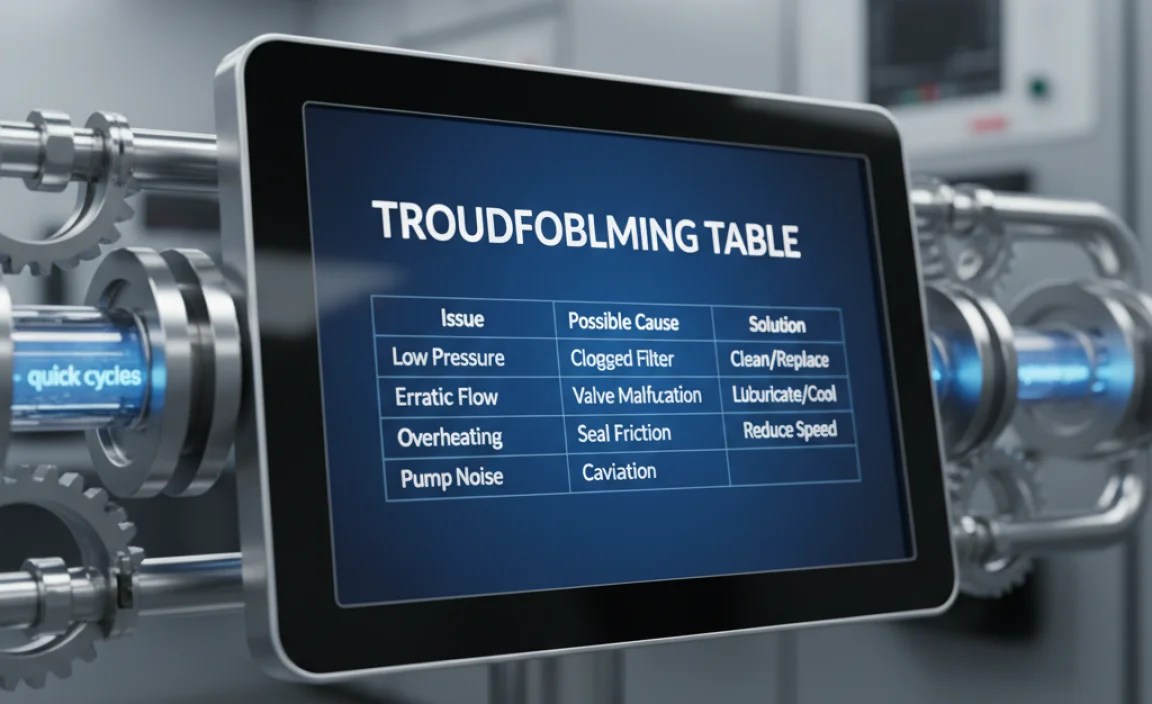
Here’s a handy table to help you troubleshoot common issues with bike pumps that cycle too quickly:
| Problem | Possible Cause | Solution |
|---|---|---|
| Pump cycles too quickly | Leak in the hose | Inspect hose for cracks or loose connections; replace if necessary. |
| Hissing sound at the valve | Poor valve connection | Ensure pump head is securely attached; check valve core tightness. |
| Pump feels weak | Worn piston seals (floor pump) | Inspect and replace piston seals; lubricate with silicone grease. |
| Pump head won’t stay on the valve | Damaged pump head | Replace the pump head or its internal components. |
| Inconsistent pressure | Loose connections | Tighten all screws, bolts, and fittings on the pump. |
Choosing the Right Bike Pump
If you’ve tried everything and your pump is still giving you trouble, it might be time for a new one. Here are some factors to consider when choosing a bike pump:
- Type of Pump: Floor pumps are great for home use, while hand pumps are more portable for on-the-go inflation.
- Valve Compatibility: Make sure the pump is compatible with both Presta and Schrader valves, or choose one specifically designed for your valve type. Some pumps have “smart” heads that automatically adjust.
- Pressure Gauge: A pressure gauge is essential for accurately inflating your tires. Look for a pump with a clear, easy-to-read gauge.
- Build Quality: Choose a pump made from durable materials that will withstand regular use.
- Price: Bike pumps range in price from inexpensive to high-end. Consider your budget and how often you’ll be using the pump.
Floor Pump vs. Hand Pump
Choosing between a floor pump and a hand pump depends on your needs. Here’s a comparison:
| Feature | Floor Pump | Hand Pump |
|---|---|---|
| Ease of Use | Easier to use, more leverage | Requires more effort |
| Inflation Speed | Faster inflation | Slower inflation |
| Portability | Less portable | Highly portable |
| Accuracy | More accurate pressure gauge | Less accurate, often no gauge |
| Best For | Home use, frequent inflation | On-the-go repairs, emergencies |
The Importance of Tire Pressure
Maintaining the correct tire pressure is crucial for a comfortable and efficient ride. Overinflated tires can lead to a harsh ride and increased risk of punctures, while underinflated tires can cause sluggish handling and pinch flats. Always check the recommended tire pressure on the sidewall of your tires and inflate accordingly. You can also use online tire pressure calculators to determine the best pressure for your weight, riding style, and terrain. Resources like the Silca Professional Tire Pressure Calculator can provide tailored recommendations. Silca’s Calculator is a great place to start.
When to Call a Professional
While many bike pump issues can be resolved with DIY repairs, there are times when it’s best to call a professional. If you’re not comfortable disassembling the pump or if you’ve tried everything and it’s still not working, take it to your local bike shop. They have the expertise and tools to diagnose and repair more complex problems. Plus, supporting your local bike shop helps keep the cycling community thriving!
FAQ: Quick Bike Pump Cycles
Here are some frequently asked questions about bike pumps cycling too quickly:
- Why is my bike pump so hard to push?
- A bike pump that’s hard to push is often due to a blockage or needing lubrication. Check for kinks in the hose and try applying silicone grease to the piston if it’s a floor pump.
- Can I use a car tire pump on my bike?
- Yes, but you’ll need an adapter. Car tire pumps use Schrader valves, so if your bike has Presta valves, you’ll need an adapter to make the connection.
- How often should I lubricate my floor pump?
- You should lubricate your floor pump every 3-6 months, or whenever you notice it becoming harder to pump. Use a silicone-based grease for best results.
- What’s the difference between Presta and Schrader valves?
- Presta valves are narrow and have a locking nut at the tip, commonly found on road bikes. Schrader valves are wider and similar to car tire valves, often used on mountain bikes and hybrid bikes.
- My pump head keeps popping off the valve. What should I do?
- Make sure the pump head is fully engaged and the lever (if present) is locked. If it still pops off, the rubber seal inside the pump head might be worn and need replacement.
- Is it normal for my pump to get warm when I use it?
- Yes, it’s normal for a pump to get slightly warm during use due to the compression of air. However, excessive heat could indicate a problem, like a blocked hose.
- Where can I buy replacement parts for my bike pump?
- You can find replacement parts for your bike pump at your local bike shop or online retailers that specialize in cycling equipment. Check the pump manufacturer’s website for specific parts.
Conclusion
So, there you have it! A comprehensive guide to tackling that pesky bike pump that’s cycling too quickly. Remember to take it one step at a time, starting with the simplest solutions like checking the hose and valve connections. Regular maintenance is key to keeping your pump in good working order, and don’t hesitate to replace worn parts when needed. With a little bit of care and attention, you’ll be back on the road in no time, enjoying the freedom and adventure that cycling brings. Happy pumping!
“`


