
How to Clean a Bike Pump Chuck: Easy Guide

Quick Summary: Cleaning your bike pump chuck is easy! First, gather your supplies: dish soap, water, a small brush, and lubricant. Disassemble the chuck, wash each part with soapy water, and scrub gently. Rinse well, dry completely, and apply a small amount of lubricant before reassembling. Regular cleaning prevents leaks and ensures accurate tire inflation.
Is your bike pump struggling to inflate your tires? Does it feel like you’re losing air around the valve? A dirty bike pump chuck could be the culprit! Over time, dirt, grime, and dried sealant can build up inside the chuck, causing leaks and making it difficult to get an accurate pressure reading. Don’t worry, cleaning it is a simple task that can significantly improve your pump’s performance. This guide will walk you through each step, so you can get back on the road quickly.
Why Clean Your Bike Pump Chuck?

Cleaning your bike pump chuck might seem like a small detail, but it can make a big difference in your cycling experience. Here’s why it’s important:
- Prevents Leaks: Dirt and debris can create gaps between the chuck and the valve, causing air to leak out.
- Ensures Accurate Pressure Readings: A clean chuck seals properly, giving you a more accurate tire pressure reading.
- Extends Pump Life: Regular cleaning prevents wear and tear, helping your pump last longer.
- Improves Inflation Efficiency: A clean chuck allows for smoother airflow, making it easier to inflate your tires.
Tools and Materials You’ll Need

Before you start, gather these simple tools and materials:
- Small Adjustable Wrench or Pliers: For disassembling the chuck.
- Small Brush: An old toothbrush or a small parts cleaning brush works well.
- Dish Soap: To clean away dirt and grime.
- Clean Water: For rinsing the parts.
- Clean Rags or Paper Towels: For drying the parts.
- Lubricant: A lightweight oil or silicone grease to keep the chuck moving smoothly. (e.g., Finish Line Dry Lube or similar)
- Small Container: To hold small parts during cleaning.
Step-by-Step Guide to Cleaning Your Bike Pump Chuck

Follow these steps to thoroughly clean your bike pump chuck:
Step 1: Disassemble the Chuck
Carefully disassemble the chuck. The exact method varies depending on the pump model, but here are general steps:
- Release Air Pressure: Ensure there’s no pressure in the pump hose.
- Identify Components: Look for any screws, nuts, or threaded parts holding the chuck together.
- Loosen Connections: Use a small wrench or pliers to gently loosen these connections. Be careful not to overtighten or strip any threads.
- Separate the Parts: Carefully separate the chuck into its individual components. This might include the chuck body, rubber seals, valve pins, and other small parts.
- Keep Track of Parts: Place all the parts in a small container to prevent losing them.
Step 2: Clean the Components
Now it’s time to clean each part individually:
- Prepare Soapy Water: Mix a small amount of dish soap with warm water in a bowl or container.
- Wash Each Part: Dip each component into the soapy water and use a small brush to scrub away any dirt, grime, or sealant buildup. Pay close attention to small openings and threads.
- Rinse Thoroughly: Rinse each part thoroughly with clean water to remove all traces of soap.
- Inspect for Damage: While cleaning, inspect each part for signs of wear, damage, or cracks. Replace any damaged parts as needed.
Step 3: Dry the Components
Make sure everything is completely dry before reassembling:
- Wipe with a Clean Rag: Use a clean rag or paper towel to wipe each part dry.
- Air Dry: Allow the parts to air dry completely before reassembling. This might take a few hours, depending on the humidity.
- Ensure No Moisture: Make sure there is no moisture left on any of the components before moving on to the next step.
Step 4: Lubricate the Components
Apply a small amount of lubricant to the moving parts of the chuck:
- Apply Lubricant: Use a lightweight oil or silicone grease to lubricate the threads, seals, and any other moving parts of the chuck.
- Use Sparingly: Apply the lubricant sparingly. Too much lubricant can attract dirt and grime.
- Even Distribution: Ensure the lubricant is evenly distributed on the moving parts.
Step 5: Reassemble the Chuck
Carefully reassemble the chuck in the reverse order of disassembly:
- Follow Disassembly Steps: Refer to the steps you took during disassembly to ensure you reassemble the chuck correctly.
- Tighten Connections: Use a small wrench or pliers to gently tighten any screws, nuts, or threaded parts. Be careful not to overtighten.
- Ensure Proper Alignment: Make sure all the parts are properly aligned before tightening.
- Test the Chuck: After reassembling, test the chuck by attaching it to a tire valve and inflating the tire. Check for any leaks or issues.
Troubleshooting Common Issues
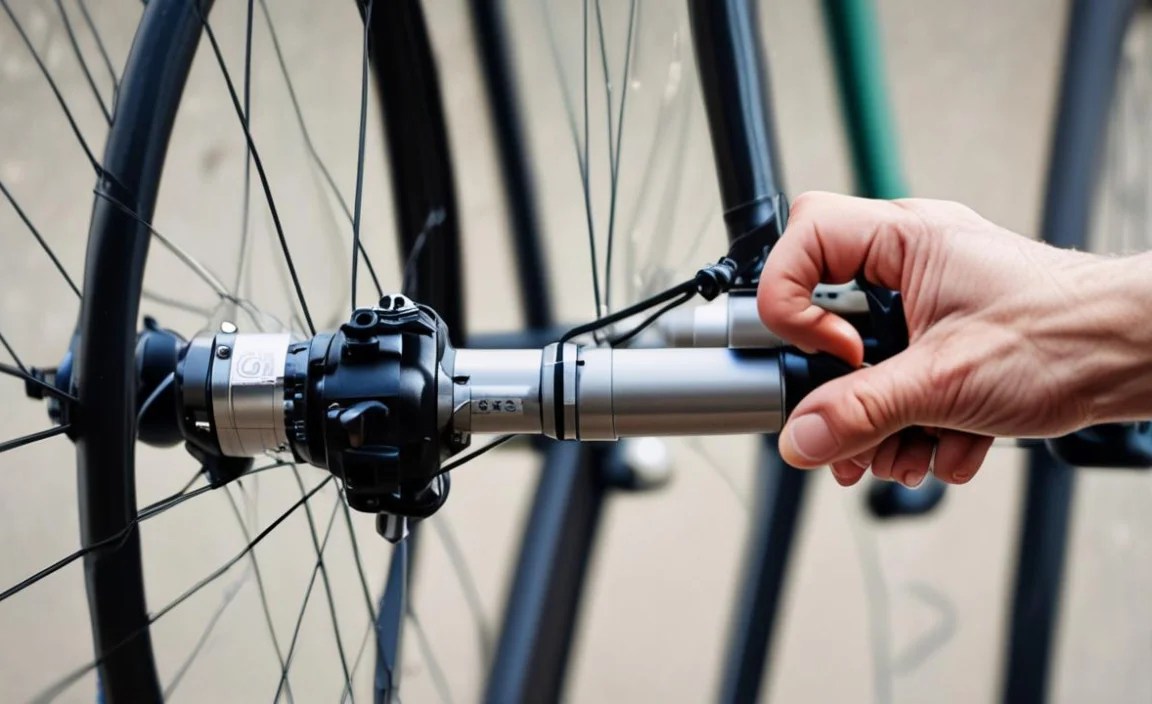
Sometimes, even after cleaning, you might still encounter issues with your bike pump chuck. Here are some common problems and how to fix them:
Issue 1: Leaks Around the Valve
Possible Cause: Worn or damaged rubber seals.
Solution: Replace the rubber seals. You can usually find replacement seals at your local bike shop or online.
Issue 2: Difficulty Attaching to the Valve
Possible Cause: Bent or damaged valve pin.
Solution: Straighten or replace the valve pin. If it’s severely damaged, it’s best to replace it.
Issue 3: Inaccurate Pressure Readings
Possible Cause: Clogged or damaged pressure gauge.
Solution: Clean the pressure gauge or replace it if necessary. Some pumps have replaceable gauges.
Issue 4: Chuck Won’t Stay on Valve
Possible Cause: Weak or worn spring mechanism.
Solution: Try lubricating the spring. If that doesn’t work, you may need to replace the entire chuck.
Choosing the Right Cleaning Supplies

Using the right cleaning supplies can make the job easier and more effective. Here are some recommendations:
Cleaning Solutions
- Dish Soap: A mild dish soap like Dawn is effective for removing dirt and grime without damaging the parts.
- Degreaser: For stubborn grease or sealant buildup, a mild degreaser can be helpful. Be sure to rinse thoroughly after using a degreaser.
- Isopropyl Alcohol: For cleaning sensitive parts or removing residue, isopropyl alcohol can be used. Use it sparingly and avoid prolonged contact with rubber seals.
Brushes and Tools
- Small Brush: An old toothbrush or a small parts cleaning brush is perfect for scrubbing small openings and threads.
- Pipe Cleaners: For cleaning narrow passages, pipe cleaners can be very useful.
- Cotton Swabs: For cleaning hard-to-reach areas, cotton swabs can be helpful.
Maintenance Tips to Keep Your Bike Pump Chuck Clean
Regular maintenance can prevent dirt and grime from building up in your bike pump chuck. Here are some tips to keep it clean:
- Wipe After Each Use: After each use, wipe the chuck with a clean rag to remove any dirt or moisture.
- Store Properly: Store your bike pump in a clean, dry place to prevent dirt from accumulating.
- Regular Inspections: Periodically inspect the chuck for signs of dirt or damage.
- Use a Valve Cap: Using valve caps on your tires can help keep dirt and debris out of the valve, reducing the amount of grime that gets into your pump chuck.
When to Replace Your Bike Pump Chuck
Even with regular cleaning and maintenance, a bike pump chuck will eventually wear out. Here are some signs that it’s time to replace it:
- Persistent Leaks: If you’re experiencing persistent leaks even after cleaning and replacing the seals, it’s time to replace the chuck.
- Visible Damage: If the chuck is cracked, broken, or otherwise damaged, it should be replaced.
- Difficulty Attaching: If the chuck is consistently difficult to attach to the valve, it may be worn out.
- Age: If your bike pump is several years old, it may be time to replace the chuck as a preventative measure.
Types of Bike Pump Chucks
Understanding the different types of bike pump chucks can help you choose the right one for your needs. Here’s a quick overview:
| Type | Description | Pros | Cons |
|---|---|---|---|
| Presta | Designed for Presta valves, which are commonly found on road bikes. | Provides a secure and airtight seal. | Not compatible with Schrader valves. |
| Schrader | Designed for Schrader valves, which are commonly found on mountain bikes and car tires. | Durable and easy to use. | May not provide as precise a seal as Presta chucks. |
| Dual Head | Compatible with both Presta and Schrader valves. | Versatile and convenient. | May be slightly bulkier than single-head chucks. |
| Thread-On | Screws onto the valve for a secure connection. | Provides a very secure and airtight seal. | Can be slower to use than other types of chucks. |
Recommended Bike Pump Chucks
If you’re in the market for a new bike pump chuck, here are some highly recommended options:
- Lezyne Dual Valve Pump Head: Known for its durability and precise inflation.
- Silca Hiro V.2: Premium chuck with excellent sealing and build quality.
- Topeak SmartHead DX3: Automatically adjusts to fit Presta and Schrader valves.
- Park Tool PMP-5 Replacement Head: Durable and reliable replacement head for Park Tool pumps.
Bike Pump Maintenance Schedule
Here’s a simple maintenance schedule to keep your bike pump in top condition:
| Frequency | Task | Description |
|---|---|---|
| After Each Use | Wipe Down Chuck | Wipe the chuck with a clean rag to remove dirt and moisture. |
| Monthly | Inspect Chuck | Check for signs of dirt, damage, or wear. |
| Every 3 Months | Clean Chuck | Disassemble, clean, and lubricate the chuck. |
| Annually | Replace Seals | Replace the rubber seals to maintain an airtight seal. |
FAQ: Cleaning Bike Pump Chucks
Q1: How often should I clean my bike pump chuck?
Answer: Aim to clean your bike pump chuck every 2-3 months, or more often if you frequently ride in dirty conditions.
Q2: Can I use WD-40 to lubricate my bike pump chuck?
Answer: No, WD-40 is not a suitable lubricant for bike pump chucks. It can attract dirt and dry out rubber seals. Use a lightweight oil or silicone grease instead.
Q3: What if I can’t disassemble my bike pump chuck?
Answer: Some bike pump chucks are not designed to be disassembled. In this case, try flushing the chuck with soapy water and using a small brush to clean the exterior.
Q4: Can I use compressed air to dry the components?
Answer: Yes, you can use compressed air to speed up the drying process, but be careful not to damage any sensitive parts.
Q5: How do I know if my bike pump chuck is worn out?
Answer: Signs of a worn-out bike pump chuck include persistent leaks, difficulty attaching to the valve, and visible damage.
Q6: Where can I buy replacement parts for my bike pump chuck?
Answer: You can find replacement parts at your local bike shop or online retailers that sell bike pump accessories.
Q7: Is it worth cleaning my bike pump chuck, or should I just buy a new one?
Answer: Cleaning your bike pump chuck is definitely worth trying! It’s a simple and inexpensive way to improve your pump’s performance. If cleaning doesn’t solve the problem, then consider replacing it.
Conclusion
Keeping your bike pump chuck clean is a simple yet essential part of bike maintenance. By following these steps, you can prevent leaks, ensure accurate pressure readings, and extend the life of your pump. So grab your tools, get cleaning, and enjoy smoother, more efficient rides! Happy cycling!


