
What is a CO2 Inflator Chuck? Easy Guide!

Quick Summary: A CO2 inflator chuck is a small but essential tool for cyclists. It connects a CO2 cartridge to your tire valve, allowing you to quickly inflate a flat tire on the road or trail. It’s compact, lightweight, and a lifesaver when you need a fast and reliable inflation solution.
Getting a flat tire is every cyclist’s least favorite thing. It always seems to happen at the worst possible time, right? But don’t worry! With the right tools, you can get back on your bike quickly. One of those essential tools is a CO2 inflator chuck. Many riders find themselves asking, “What exactly *is* a CO2 inflator chuck, and how does it work?”
In this guide, we’ll break down everything you need to know about CO2 inflator chucks. We’ll cover what they are, how to use them, and why they’re a must-have for any cyclist. By the end, you’ll feel confident in using a CO2 inflator chuck to tackle those unexpected flats.
What is a CO2 Inflator Chuck?

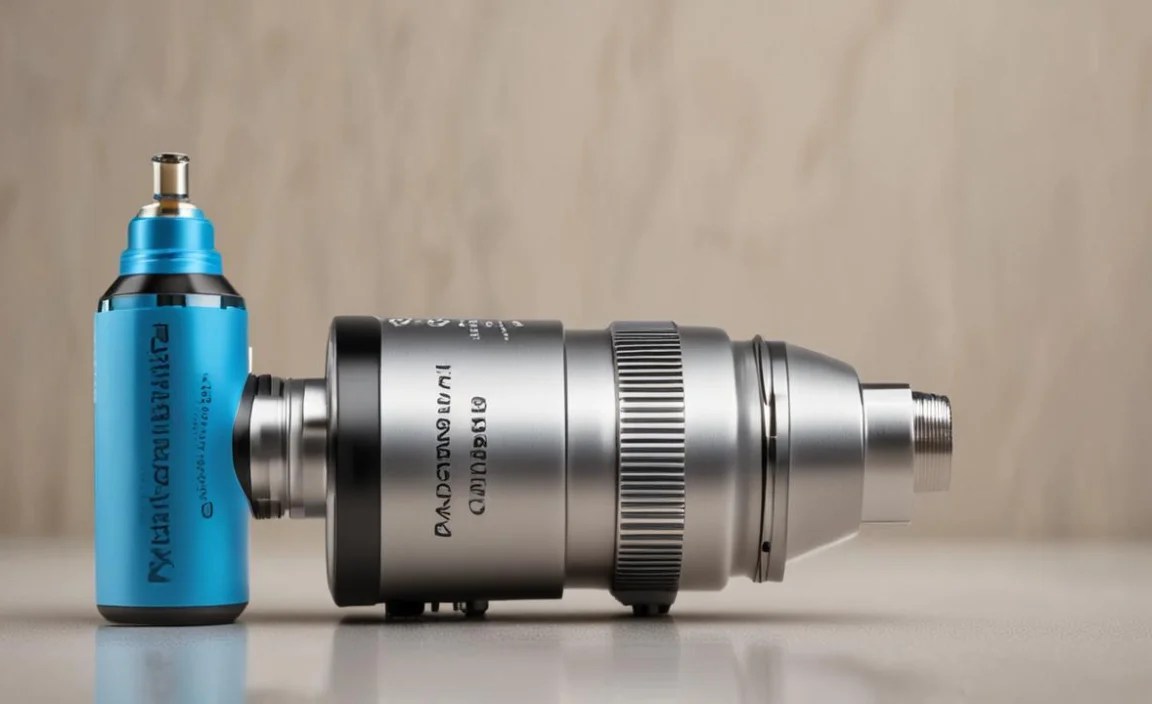
A CO2 inflator chuck is a device that allows you to inflate your bicycle tires using a CO2 cartridge. It’s designed to quickly and efficiently transfer CO2 gas from the cartridge into your tire. Think of it as a specialized nozzle that connects the CO2 cartridge to your tire valve (either Presta or Schrader).
Here’s why they are so popular:
- Speed: Inflates tires much faster than a hand pump.
- Portability: Small and lightweight, easy to carry in a saddlebag or cycling jersey pocket.
- Convenience: No need to manually pump, saving you time and effort.
Types of CO2 Inflator Chucks
CO2 inflator chucks come in various designs, but they generally fall into a few main categories:
- Threaded vs. Push-On: Threaded chucks screw onto the CO2 cartridge, providing a secure connection. Push-on chucks are simpler to use but might be less secure.
- With or Without Control Valves: Some chucks have control valves that allow you to regulate the flow of CO2, while others release the entire cartridge at once.
- Presta vs. Schrader Compatibility: Some chucks are designed for Presta valves, some for Schrader, and some are dual-compatible.
Choosing the right type depends on your personal preference and the type of valves on your bike’s tires.
Why Use a CO2 Inflator Chuck?
There are several compelling reasons to carry a CO2 inflator chuck when you ride:
- Speed and Efficiency: As mentioned, CO2 inflators are incredibly fast. You can inflate a tire in seconds, which is a huge advantage when you’re on the road or trail.
- Space Saving: CO2 inflators are much smaller and lighter than hand pumps, making them ideal for cyclists who want to minimize weight and bulk.
- Ease of Use: With a little practice, using a CO2 inflator is very simple. It requires less physical effort than using a hand pump, which can be a lifesaver when you’re tired or injured.
- Reliability: CO2 inflators are generally very reliable. As long as you have a full cartridge, you can count on them to inflate your tire.
However, there are also a few potential drawbacks to consider:
- One-Time Use: Each CO2 cartridge can only be used once. You need to carry multiple cartridges for multiple flats.
- Cost: CO2 cartridges can add up over time, especially if you get frequent flats.
- Environmental Impact: CO2 cartridges are single-use items, which can contribute to waste. Consider recycling options if available.
- Cold: The rapid release of CO2 can make the chuck and cartridge very cold, potentially causing frostbite. Always wear gloves.
How to Use a CO2 Inflator Chuck: A Step-by-Step Guide

Using a CO2 inflator chuck is straightforward, but it’s important to follow the correct steps to ensure a successful inflation. Here’s a detailed guide:
Step 1: Gather Your Supplies
Before you start, make sure you have everything you need:
- CO2 inflator chuck
- CO2 cartridge (ensure it’s the correct size for your tire)
- Spare tube or patch kit (if you have a flat)
- Tire levers (to remove the tire)
- Gloves (to protect your hands from the cold)
Step 2: Remove the Flat Tire
If you have a flat, you’ll need to remove the wheel and replace or patch the tube:
- Use tire levers to carefully remove one side of the tire from the rim.
- Pull out the tube and inspect the tire for any sharp objects (glass, thorns, etc.). Remove any debris.
- If the tube is damaged beyond repair, replace it with a new one. If not, use a patch kit to repair the tube.
- Carefully reinstall the tube and tire, making sure the tire bead is seated properly in the rim.
Step 3: Prepare the CO2 Inflator Chuck and Cartridge
Now, get your CO2 inflator ready:
- If your chuck is threaded, screw the CO2 cartridge into the chuck until it’s snug. Be careful not to overtighten it. For push-on chucks, follow the manufacturer’s instructions for attaching the cartridge.
- If your chuck has a control valve, make sure it’s in the closed position.
- Wear gloves to protect your hands from the cold.
Step 4: Attach the Chuck to the Tire Valve
Connect the chuck to your tire valve:
- For Presta valves, unscrew the valve nut.
- Firmly press the chuck onto the valve. Make sure it’s securely attached to prevent leaks.
Step 5: Inflate the Tire
Inflate the tire with CO2:
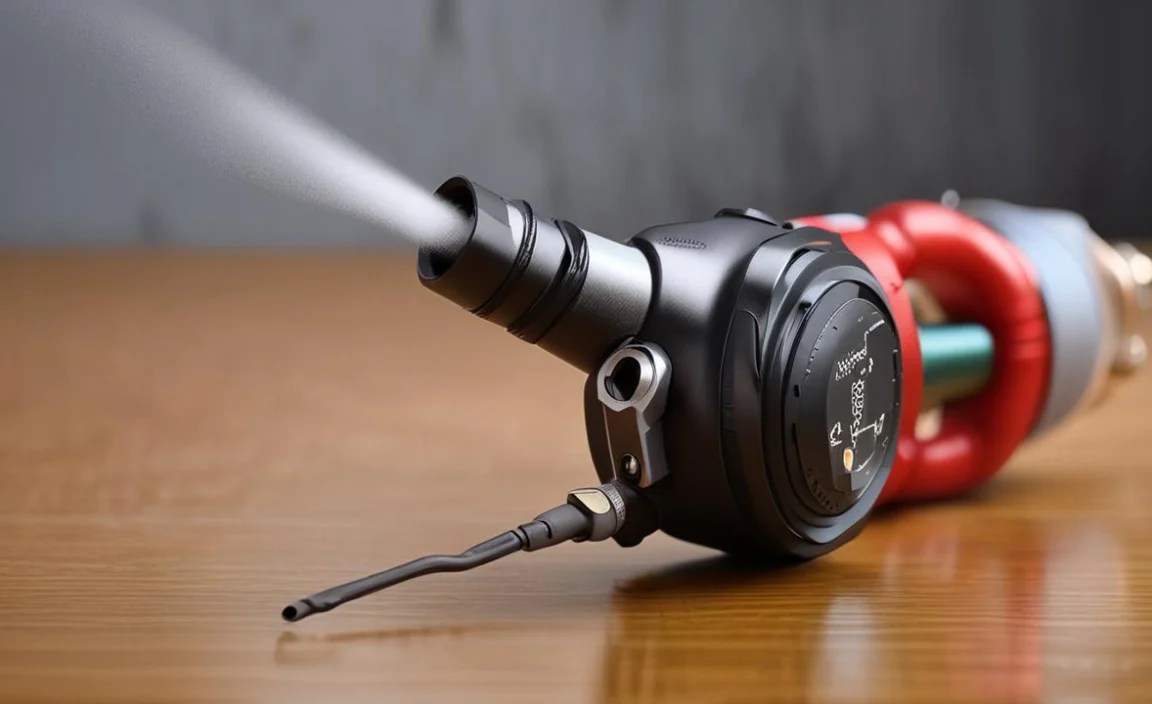
- If your chuck has a control valve, slowly open the valve to release CO2 into the tire. If it doesn’t have a valve, the CO2 will release as soon as you puncture the cartridge.
- Hold the chuck firmly in place to prevent leaks.
- Inflate the tire to the desired pressure. Be careful not to overinflate, as CO2 inflates tires very quickly.
Step 6: Remove the Chuck and Close the Valve
Once the tire is inflated, remove the chuck:
- Carefully remove the chuck from the tire valve.
- For Presta valves, tighten the valve nut.
Step 7: Check the Tire Pressure
Make sure the tire pressure is correct:
- Use a tire pressure gauge to check the pressure. Adjust as needed.
- If you don’t have a gauge, you can usually tell if the tire is properly inflated by squeezing it. It should feel firm but not rock hard.
Step 8: Dispose of the Used Cartridge
Safely dispose of the empty CO2 cartridge:
- CO2 cartridges can get very cold after use, so handle them with care.
- Dispose of the cartridge properly. Some recycling centers accept them, so check your local guidelines.
Tips for Using CO2 Inflator Chucks
Here are some additional tips to help you get the most out of your CO2 inflator chuck:
- Practice: Practice using your CO2 inflator at home before you need it on the road. This will help you become familiar with the process and avoid mistakes.
- Carry Extra Cartridges: Always carry at least two CO2 cartridges in case you get multiple flats or have a failed inflation.
- Use Gloves: Always wear gloves to protect your hands from the cold CO2 cartridge.
- Check Compatibility: Make sure your CO2 inflator chuck is compatible with your tire valves (Presta or Schrader).
- Avoid Overinflation: CO2 inflates tires very quickly, so be careful not to overinflate. Use a control valve if possible, and check the pressure frequently.
- Consider a Hybrid Pump: Some pumps combine a mini-pump with CO2 inflation for redundancy.
CO2 Inflator Chucks: Presta vs. Schrader Valves

Understanding the difference between Presta and Schrader valves is crucial for using a CO2 inflator chuck effectively. Here’s a breakdown:
| Feature | Presta Valve | Schrader Valve |
|---|---|---|
| Appearance | Narrower, with a valve nut at the tip | Wider, similar to a car tire valve |
| Common Usage | Road bikes, high-performance bikes | Mountain bikes, hybrid bikes, car tires |
| Inflation | Requires unscrewing the valve nut before inflation | No need to unscrew anything before inflation |
| Pressure Retention | Generally better at retaining pressure | Can sometimes leak pressure over time |
| CO2 Chuck Compatibility | Requires a Presta-compatible chuck or adapter | Requires a Schrader-compatible chuck |
Make sure your CO2 inflator chuck is compatible with the type of valve on your tires. Some chucks are dual-compatible, which can be very convenient.
Maintaining Your CO2 Inflator Chuck
To keep your CO2 inflator chuck in good working condition, follow these maintenance tips:
- Clean Regularly: After each use, wipe down the chuck with a clean cloth to remove any dirt or debris.
- Check for Leaks: Periodically check the chuck for leaks by attaching it to a CO2 cartridge and listening for hissing sounds. If you detect a leak, replace the chuck.
- Store Properly: Store the chuck in a dry place to prevent corrosion.
- Replace O-Rings: If your chuck has O-rings, inspect them regularly and replace them if they are cracked or worn.
Troubleshooting Common Issues
Even with proper technique, you might encounter some issues when using a CO2 inflator chuck. Here are some common problems and how to solve them:
| Problem | Possible Cause | Solution |
|---|---|---|
| CO2 Leaks | Loose connection, damaged O-ring | Tighten the connection, replace the O-ring |
| Tire Not Inflating | Empty cartridge, clogged chuck | Replace the cartridge, clean the chuck |
| Chuck Freezing | Rapid CO2 release | Wear gloves, use a chuck with a control valve |
| Valve Damage | Forcing the chuck onto the valve | Be gentle, use the correct chuck for the valve type |
CO2 Inflator Chucks: Safety First
Using a CO2 inflator chuck is generally safe, but it’s important to take some precautions:
- Wear Gloves: Always wear gloves to protect your hands from the cold CO2 cartridge.
- Avoid Overinflation: CO2 inflates tires very quickly, so be careful not to overinflate. Overinflating can cause the tire to burst.
- Point Away From Face: When inflating, point the chuck and tire away from your face and body.
- Dispose of Cartridges Properly: CO2 cartridges can be sharp after use, so dispose of them properly.
Alternatives to CO2 Inflator Chucks
While CO2 inflator chucks are a popular choice for many cyclists, there are also some alternatives to consider:
- Hand Pumps: Hand pumps are a reliable and reusable option. They require more effort than CO2 inflators but don’t rely on cartridges.
- Mini Pumps: Mini pumps are compact and lightweight, making them a good alternative to CO2 inflators. However, they can take longer to inflate a tire.
- Electric Pumps: Electric pumps are convenient and easy to use, but they require a power source and can be heavier than other options.
The best option for you depends on your personal preferences and riding style.
FAQ About CO2 Inflator Chucks
Here are some frequently asked questions about CO2 inflator chucks:
- What size CO2 cartridge do I need?
- The size of CO2 cartridge you need depends on the size of your tires. Road bikes typically use 16-gram cartridges, while mountain bikes may require 20 or 25-gram cartridges. Check the recommended pressure for your tires and choose a cartridge that will provide enough inflation.
- Can I reuse a CO2 cartridge?
- No, CO2 cartridges are single-use only. Once they are punctured, they cannot be reused.
- Are CO2 inflator chucks compatible with tubeless tires?
- Yes, CO2 inflator chucks can be used with tubeless tires. However, be aware that CO2 can cause sealant to dry out more quickly, so you may need to add more sealant after inflating with CO2.
- How do I know if my CO2 inflator chuck is compatible with Presta or Schrader valves?
- Check the product description or packaging. Some chucks are designed for Presta valves, some for Schrader, and some are dual-compatible. If you’re not sure, look for a chuck that comes with adapters for both valve types.
- Can I carry CO2 cartridges on an airplane?
- Regulations vary by airline and country, so it’s best to check with the airline before traveling with CO2 cartridges. In general, small CO2 cartridges are allowed in checked baggage but not in carry-on luggage. However, it’s always a good idea to confirm the specific rules with your airline.
- What should I do if I overinflate my tire with CO2?
- If you overinflate your tire, carefully release some of the air by pressing on the tire valve. Use a tire pressure gauge to check the pressure and adjust as needed. Be careful not to release too much air, as it’s better to be slightly overinflated than underinflated.
- Are there any environmental concerns with using CO2 cartridges?
- Yes, CO2 cartridges are single-use items, which can contribute to waste. Consider recycling options if available. Some manufacturers also offer recycling programs for used cartridges.
Conclusion
A CO2 inflator chuck is an invaluable tool for any cyclist. Its speed, portability, and ease of use make it an essential part of your repair kit. While there are some drawbacks, such as the one-time use of cartridges and potential environmental impact, the benefits often outweigh the costs, especially when you’re stranded with a flat tire.
By understanding how to use and maintain your CO2 inflator chuck, you can ride with confidence, knowing that you’re prepared for unexpected flats. So, gear up, hit the road, and enjoy the ride! With the right tools and knowledge, you can overcome any obstacle and keep rolling.


