
Cycle Pump All Parts: Find Yours Easily!

Quick Summary: A cycle pump has several key parts: a cylinder, piston, handle, hose, valve connector (like Schrader or Presta), and base. Each part plays a crucial role in inflating your tires. Knowing these parts and how they work helps you maintain your pump, troubleshoot problems, and keep your tires properly inflated for safe and enjoyable rides.
Ever struggled with a bike pump that just wouldn’t inflate your tires properly? It’s a common frustration for cyclists, and often, the issue lies with a single, overlooked part. Understanding the anatomy of your cycle pump is the first step to fixing problems and keeping your tires in top shape. Don’t worry, it’s simpler than you think! Let’s break down each component and how they work together so you can pump with confidence.
Understanding Your Cycle Pump: A Part-by-Part Guide
A cycle pump, whether it’s a floor pump or a mini pump, is a simple machine. Knowing its parts makes maintenance and troubleshooting much easier. Here’s a breakdown of the key components:
1. Cylinder
The cylinder is the main body of the pump. It’s a hollow tube, typically made of steel or aluminum, where air is compressed.
- Function: This is where the magic happens! The piston moves inside the cylinder, reducing the volume and increasing the air pressure.
- Material: Steel cylinders are durable but heavier. Aluminum cylinders are lighter but can be more prone to wear.
2. Piston
The piston is a component that moves up and down inside the cylinder. It has a seal (usually a rubber O-ring or cup) that creates an airtight fit against the cylinder walls.
- Function: The piston’s movement compresses the air within the cylinder.
- Seal: A worn or damaged seal is a common cause of pump failure. Check it regularly!
3. Handle
The handle is what you grip to operate the pump. It’s connected to the piston rod.
- Function: You use the handle to move the piston, which compresses the air.
- Ergonomics: Look for handles with comfortable grips, especially for floor pumps.
4. Piston Rod
The piston rod connects the handle to the piston, transferring the force you apply to compress the air.
- Material: Typically made of steel for strength and durability.
5. Base (Floor Pumps)
Floor pumps have a base that provides stability while you’re pumping.
- Function: Keeps the pump steady, allowing you to use both hands on the handle.
- Material: Bases can be made of steel, aluminum, or durable plastic. Wider bases offer more stability.
6. Hose
The hose connects the pump to the tire valve. It’s made of flexible material to allow easy maneuvering.
- Function: Transports the compressed air from the cylinder to the tire.
- Material: Hoses are typically made of rubber or reinforced plastic.
7. Valve Connector (Head)
The valve connector, also called the pump head, attaches to the tire valve. There are two main types:
- Schrader: Used on car tires and many mountain bikes.
- Presta: Narrower valve, common on road bikes and some higher-end mountain bikes.
Types of Valve Connectors:
- Dual Head: Fits both Schrader and Presta valves.
- Switchable Head: Can be adjusted to fit either valve type.
- Threaded: Screws onto the valve for a secure connection.
- Lever-Lock: Uses a lever to clamp onto the valve.
8. Check Valve
The check valve (or one-way valve) allows air to flow only in one direction – from the pump to the tire.
- Function: Prevents air from escaping back into the pump during the pumping action.
- Location: Often located near the base of the cylinder or within the valve connector.
9. Pressure Gauge (Floor Pumps)
Many floor pumps have a pressure gauge that displays the tire pressure in PSI (pounds per square inch) or BAR (a metric unit of pressure).
- Function: Helps you inflate your tires to the correct pressure.
- Accuracy: Digital gauges are generally more accurate than analog gauges.
10. Seals and O-Rings
Seals and O-rings are small, rubbery rings that create airtight seals between various parts of the pump, particularly in the piston and valve connector.
- Function: Prevent air leakage and maintain pressure.
- Maintenance: These are often the first parts to wear out and need replacement.
How a Cycle Pump Works: The Pumping Process
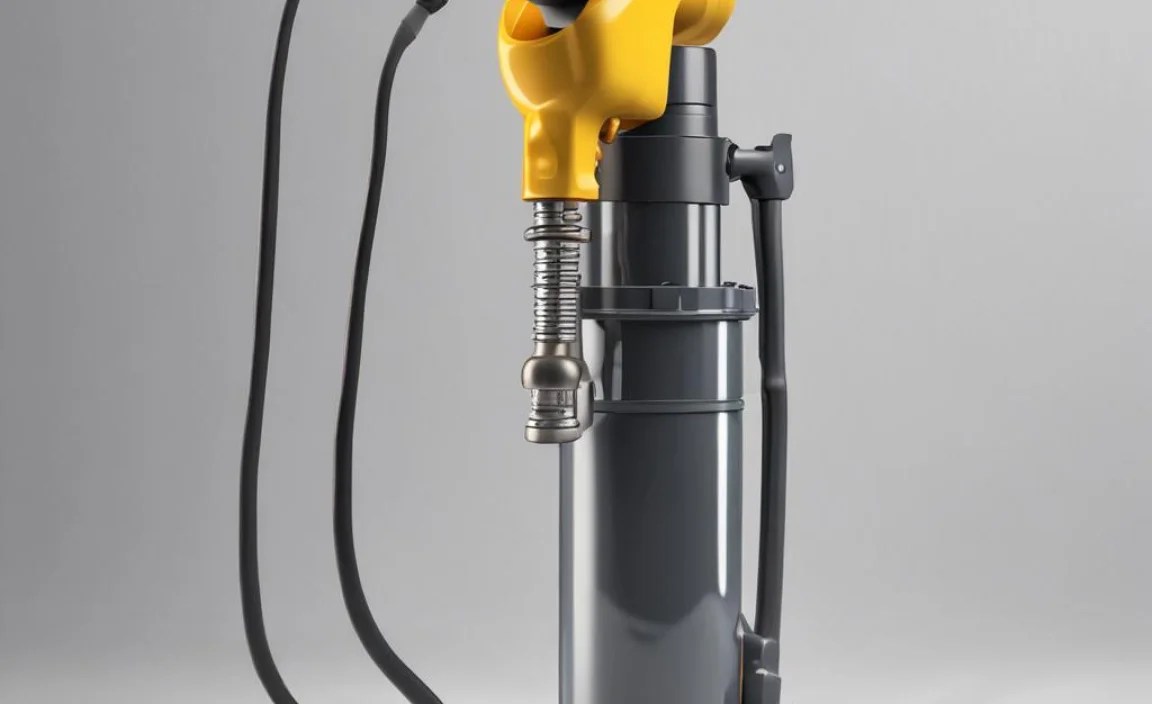
Now that you know the parts, let’s see how they work together:
- Intake Stroke: When you pull the handle up, the piston moves up inside the cylinder. This creates a vacuum that sucks air into the cylinder through an intake valve.
- Compression Stroke: When you push the handle down, the piston moves down, compressing the air inside the cylinder. The intake valve closes, and the compressed air is forced through the hose and into the tire via the valve connector.
- Check Valve Action: The check valve ensures that the air only flows into the tire and doesn’t flow back into the pump.
- Repeat: You repeat these strokes until the tire reaches the desired pressure, as indicated on the pressure gauge (if your pump has one).
Troubleshooting Common Pump Problems
Knowing the parts makes troubleshooting pump problems much easier. Here are some common issues and their solutions:
- Pump Not Inflating:
- Possible Cause: Worn piston seal.
- Solution: Replace the piston seal.
- Air Leaking from Valve Connector:
- Possible Cause: Damaged or misaligned valve connector.
- Solution: Check the connector for damage, ensure it’s properly attached to the valve, or replace the connector.
- Hose Leaking:
- Possible Cause: Crack or hole in the hose.
- Solution: Replace the hose.
- Gauge Inaccurate:
- Possible Cause: Faulty gauge.
- Solution: Replace the gauge or use a separate pressure gauge to verify the pressure.
- Pump Hard to Push:
- Possible Cause: Dry piston or cylinder.
- Solution: Lubricate the piston and cylinder with a small amount of silicone-based lubricant.
Maintaining Your Cycle Pump: Tips for Longevity
Regular maintenance will keep your cycle pump working smoothly for years. Here are some tips:
- Clean Regularly: Wipe down the pump with a damp cloth to remove dirt and grime.
- Lubricate: Apply a small amount of silicone-based lubricant to the piston and other moving parts periodically.
- Inspect Seals: Check the seals and O-rings for wear and tear. Replace them as needed.
- Store Properly: Store your pump in a dry place to prevent rust and corrosion.
Choosing the Right Cycle Pump: Features to Consider
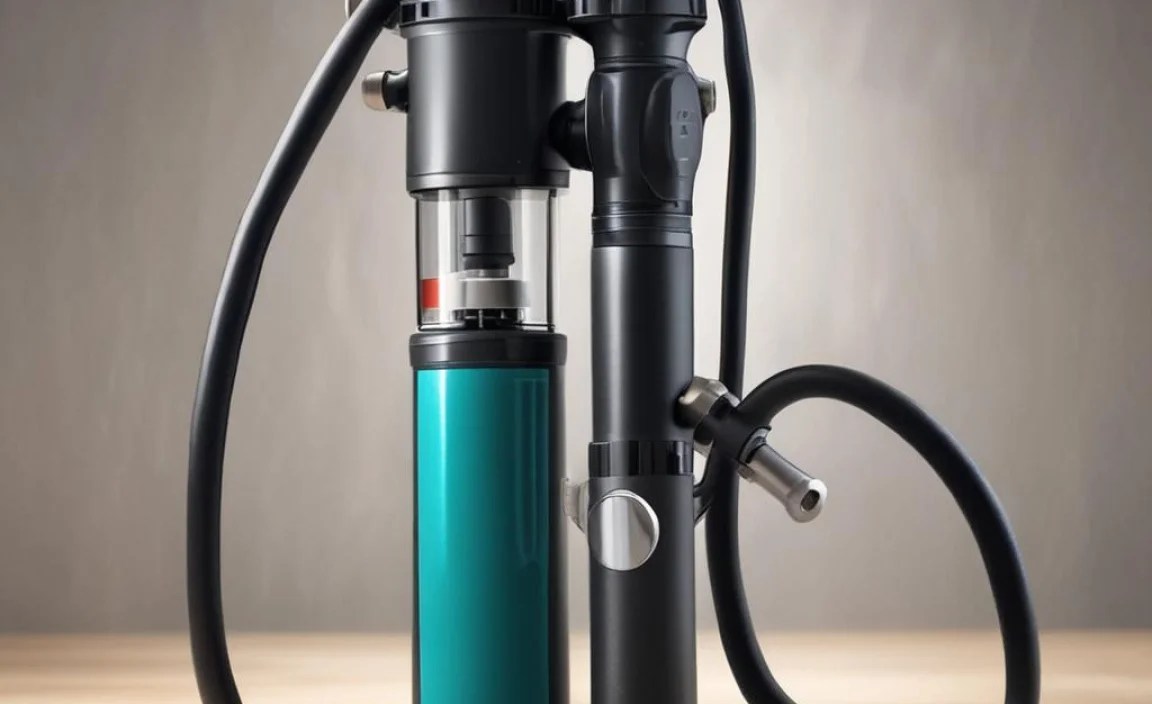
With a good understanding of pump parts, you’re ready to choose a new pump or upgrade your current one. Here are some features to consider:
- Pump Type:
- Floor Pump: Best for home use, offers high volume and pressure.
- Mini Pump: Portable, for on-the-road repairs.
- CO2 Inflator: Quick inflation, uses CO2 cartridges (for emergencies).
- Valve Compatibility: Ensure the pump is compatible with your bike’s valve type (Schrader or Presta).
- Pressure Gauge: A gauge is essential for accurate inflation, especially for road bikes.
- Ergonomics: Look for a comfortable handle and stable base (for floor pumps).
- Material: Aluminum pumps are lighter, while steel pumps are more durable.
Essential Tools for Cycle Pump Maintenance
Having a few basic tools on hand will make pump maintenance much easier:
- Screwdrivers: For disassembling and reassembling the pump.
- Pliers: For removing and installing seals and O-rings.
- Silicone Lubricant: For lubricating moving parts.
- Seal Kit: A set of replacement seals and O-rings.
- Rag: For cleaning the pump.
Table: Comparing Cycle Pump Types
| Pump Type | Pros | Cons | Best For |
|---|---|---|---|
| Floor Pump | High volume, high pressure, stable, accurate gauge | Less portable, for home use | Home maintenance, road bikes, high-pressure tires |
| Mini Pump | Portable, lightweight | Lower volume, can be tiring to use | On-the-road repairs, mountain bikes |
| CO2 Inflator | Fast inflation, very compact | Requires CO2 cartridges, can be wasteful | Emergency repairs, racing |
Table: Common Cycle Pump Parts and Their Functions
| Part | Function | Common Materials |
|---|---|---|
| Cylinder | Houses the piston and compresses air | Steel, Aluminum |
| Piston | Moves within the cylinder to compress air | Plastic, Rubber seals |
| Handle | Grip to operate the pump | Plastic, Wood, Metal |
| Hose | Transports air to the tire valve | Rubber, Reinforced Plastic |
| Valve Connector (Head) | Connects to the tire valve (Schrader or Presta) | Plastic, Metal |
| Check Valve | Allows air to flow in one direction only | Metal, Rubber |
| Pressure Gauge | Displays tire pressure (PSI or BAR) | Plastic, Metal |
| Seals and O-Rings | Create airtight seals to prevent leakage | Rubber |
Step-by-Step: Replacing a Piston Seal
A worn piston seal is a common cause of pump failure. Here’s how to replace it:
- Disassemble the Pump: Unscrew the pump head and remove the piston from the cylinder.
- Locate the Seal: The seal is usually a rubber O-ring or cup located on the piston.
- Remove the Old Seal: Use a small screwdriver or pick to carefully remove the old seal.
- Install the New Seal: Lubricate the new seal with silicone grease and carefully install it onto the piston.
- Reassemble the Pump: Reinsert the piston into the cylinder and reattach the pump head.
- Test the Pump: Inflate a tire to ensure the new seal is working properly.
External Resources for Further Learning
For additional information on cycle pump maintenance and repair, check out these resources:
- Park Tool Repair Help: A comprehensive resource for bike repair and maintenance.
- Sheldon Brown’s Website: A wealth of information on all things cycling.
FAQ: Cycle Pump Parts and Maintenance
What is the difference between a Schrader and Presta valve?
Schrader valves are wider and have a spring-loaded pin in the center, similar to car tires. Presta valves are narrower and have a locking nut that needs to be unscrewed before inflating.
How do I know if my piston seal is worn?
If your pump is not inflating properly or if you feel air leaking around the handle, the piston seal is likely worn and needs to be replaced.
What type of lubricant should I use on my cycle pump?
Use a silicone-based lubricant. Avoid petroleum-based lubricants, as they can damage rubber seals.
How often should I maintain my cycle pump?
Inspect your pump every few months and lubricate it as needed. Replace seals and other worn parts as soon as you notice any problems.
Can I use a car tire inflator on my bike tires?
Yes, but only if it has a Schrader valve connector. Be careful not to overinflate, as car tire inflators can deliver high pressure quickly. Many gas stations offer free air, but be cautious and check the pressure frequently with your own gauge.
What does PSI mean on a tire pressure gauge?
PSI stands for pounds per square inch, which is a unit of pressure. It indicates the amount of air pressure inside your tire.
Why is my pump hose getting so hot?
The hose heats up due to the compression of air. This is normal. However, if it gets excessively hot, it could indicate a blockage or a worn seal causing excessive friction. Inspect the hose and pump for any obstructions.
Conclusion
Understanding the parts of your cycle pump and how they work empowers you to maintain it properly and troubleshoot common problems. By keeping your pump in good condition, you’ll ensure your tires are always inflated to the correct pressure, making your rides safer and more enjoyable. So, take a little time to familiarize yourself with your pump – your bike (and your legs) will thank you!


