
How to Use a CO2 Inflator: Easy Guide

Have you ever had a flat tire while biking? It can be a big problem! You might be far from home. You might not have a pump. That’s where a CO2 inflator comes in handy. Learning how to use a CO2 inflator can save the day. It’s like magic for your tires!
Imagine you are racing your friends. Suddenly, your tire goes flat. What do you do? A CO2 inflator can quickly fill your tire. You can get back to racing in no time. It’s a small tool with a big job. Knowing how to use a CO2 inflator makes biking more fun.
Key Takeaways
- A CO2 inflator quickly fills tires, getting you back on your bike fast.
- Always carry extra CO2 cartridges when you go for a bike ride.
- Practice how to use a CO2 inflator at home before you need it outside.
- Make sure the CO2 inflator is compatible with your bike’s valve type.
- Be careful when using a CO2 inflator, as the cartridge gets very cold.
How to Use a CO2 Inflator: Getting Started

Learning how to use a CO2 inflator is easier than you think. First, you need a few things. You need the CO2 inflator itself. You also need a CO2 cartridge. Make sure the cartridge is full. Check your tire valve. There are two main types: Presta and Schrader. The inflator must match your valve. If not, it won’t work! Also, bring a spare CO2 cartridge. It is good to have one ready. Sometimes the first try doesn’t work. A spare can save you. Learning how to use this tool takes practice. Do it at home first. That way, you won’t be stuck on the road. Remember safety! The CO2 cartridge gets very cold. Be careful when you touch it. Use gloves if you have them. Now you are ready to start!
- Gather your CO2 inflator and cartridges.
- Check if your valve is Presta or Schrader.
- Bring a spare CO2 cartridge just in case.
- Practice using the inflator at home first.
- Wear gloves to protect your hands from the cold.
Now that you have everything, let’s talk about why this matters. Imagine you’re on a long bike ride. You’re far from home. Suddenly, your tire goes flat. Without a CO2 inflator, you’re stuck. You might have to walk your bike a long way. But with the inflator, you can fix it quickly. You’ll be back on the road in minutes. It’s like having a superpower. Learning how to use a CO2 inflator gives you confidence. You know you can handle a flat tire. It makes biking more enjoyable. You can explore new places without worry. So, take the time to learn. It will be worth it!
Why Use a CO2 Inflator?
Why should you use a CO2 inflator? It’s faster than a hand pump. A hand pump can take a long time. You have to pump many times. With a CO2 inflator, it’s quick. The tire fills up in seconds. This is great when you’re in a hurry. It’s also useful when it’s cold. Pumping by hand in the cold is hard. The CO2 inflator does the work for you. It is also small and easy to carry. It fits in your bike bag or pocket. A hand pump can be big and bulky. So, a CO2 inflator is more convenient. Plus, it impresses your friends. They’ll think you’re a bike expert. It’s a cool tool to have. It makes fixing a flat tire much easier. So, give it a try!
Different Types of Inflators
Did you know there are different CO2 inflators? Some are simple. They just attach to the valve. Others have more features. Some have a pressure gauge. This tells you how much air is in the tire. Some have a control valve. This lets you control the airflow. Some are made of plastic. Others are made of metal. Metal ones are usually stronger. The type you choose depends on your needs. If you want something simple, get a basic one. If you want more control, get one with a valve. If you want to know the pressure, get one with a gauge. Think about what is important to you. Then choose the best one for your bike. No matter what, practice using it. That way, you’ll be ready when you need it.
Practicing at Home
Practicing at home is very important. Don’t wait until you have a flat tire. Get your CO2 inflator and a spare tube. Go outside or to your garage. Follow the instructions. Attach the inflator to the valve. Release the CO2. Watch the tire fill up. Then, take it off. See how easy it is? Try it a few times. Get used to the feel. This will help you when you’re on the road. It’s better to make mistakes at home. That way, you’ll know what to do when it counts. Plus, you’ll feel more confident. You’ll know you can fix a flat tire. So, take the time to practice. It will make biking more fun. You won’t have to worry about flats.
Fun Fact or Stat: Did you know that a CO2 cartridge can inflate a tire in about 10–20 seconds? That’s faster than most hand pumps!
Step-by-Step: How a CO2 Inflator Works

Now let’s talk about how a CO2 inflator actually works. It’s not complicated. First, the CO2 inflator has a needle. This needle pierces the CO2 cartridge. When it pierces, the gas comes out. The gas flows into your tire. This fills the tire with air. Some inflators have a button. You press the button to release the gas. Others just release it when you screw it on. The key is to make sure it’s attached tightly. If it’s not tight, the gas will leak. You’ll waste the CO2 cartridge. Also, be careful not to over-inflate. Too much air can cause the tire to burst. Check the pressure on your tire. It will tell you how much air to put in. Follow these steps. You’ll be inflating tires like a pro!
- The inflator pierces the CO2 cartridge.
- Gas flows from the cartridge to the tire.
- Make sure the inflator is attached tightly.
- Don’t over-inflate the tire.
- Check the pressure on your tire’s sidewall.
Think of the CO2 inflator as a tiny air pump. But instead of using your muscles, it uses CO2 gas. The gas is stored in the small cartridge. It’s under high pressure. That means there’s a lot of air packed into a small space. When you release the gas, it rushes out. It fills the tire quickly. This is why it’s so fast. It’s much faster than using a hand pump. A hand pump requires you to push air in. This can take a lot of effort. Especially if the tire is very flat. The CO2 inflator does the hard work for you. It’s a great tool for any cyclist.
Attaching the Inflator
Attaching the inflator is a key step. Make sure you do it right. First, find the valve on your tire. Remove the valve cap. Then, check if your inflator matches the valve. If it’s a Presta valve, you might need to unscrew it a little. If it’s a Schrader valve, it’s ready to go. Now, carefully screw the inflator onto the valve. Make sure it’s tight. If it’s loose, the CO2 will leak. You’ll hear a hissing sound. That means you’re wasting gas. Once it’s tight, you’re ready to inflate. Some inflators have a lever. You need to flip the lever to release the gas. Others release it automatically. Just be ready for a quick burst of air!
Releasing the CO2
Releasing the CO2 is the exciting part. Once the inflator is attached, get ready. If your inflator has a button, press it gently. If it has a lever, flip it carefully. The CO2 will rush into the tire. It will fill up quickly. Hold the inflator steady. Don’t move it around too much. This can cause leaks. You’ll hear a loud hissing sound. That’s the gas going in. The tire will start to feel firm. Keep an eye on the pressure. Don’t over-inflate it. Once it’s full, stop releasing the gas. Remove the inflator from the valve. Be careful, the cartridge will be cold. Dispose of it properly.
Checking the Tire Pressure
Checking the tire pressure is very important. After you inflate, don’t just assume it’s right. Use a tire pressure gauge. This will tell you exactly how much air is in the tire. Look on the side of your tire. It will show a range of pressures. For example, it might say “60-80 PSI.” That means the tire should have between 60 and 80 pounds of pressure. Use the gauge to check. If it’s too low, add more air. If it’s too high, let some out. Getting the right pressure is important. It makes your ride smoother. It also helps prevent flats. So, always check the pressure after inflating. It’s a simple step that makes a big difference.
Fun Fact or Stat: A typical CO2 cartridge contains about 16 grams of CO2. That’s enough to fill most bike tires!
Safety Tips When Using a CO2 Inflator
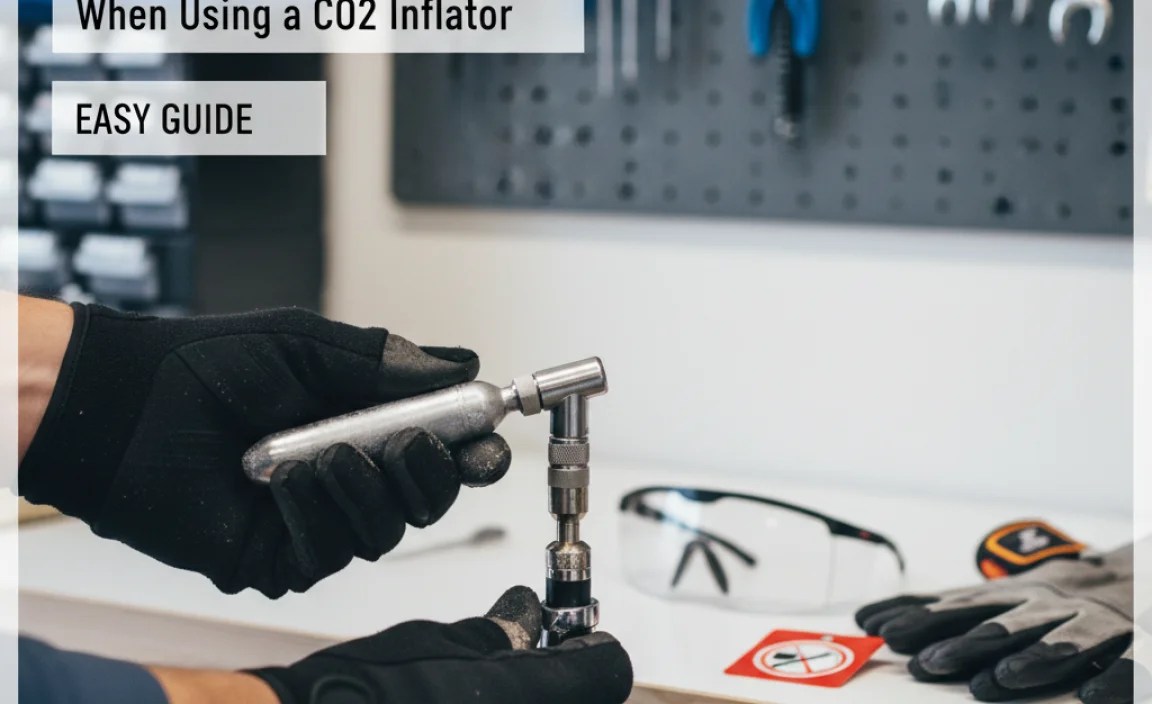
Safety is very important when using a CO2 inflator. The CO2 cartridge gets very cold. It can cause frostbite. Frostbite is when your skin freezes. It can be very painful. Always wear gloves when using the inflator. Gloves protect your hands from the cold. Also, don’t point the inflator at your face. If it leaks, the cold gas can hurt your eyes. Make sure the inflator is compatible with your tire valve. Using the wrong type can cause problems. It can also damage the valve. Always read the instructions before using the inflator. Follow them carefully. And never leave used CO2 cartridges lying around. They can be dangerous. Dispose of them properly. Safety first!
- Wear gloves to protect your hands from the cold.
- Don’t point the inflator at your face.
- Make sure the inflator matches your tire valve.
- Read the instructions carefully before using it.
- Dispose of used cartridges properly.
Think about a time when someone got hurt using a CO2 inflator. Maybe they didn’t wear gloves. Their hand got very cold and painful. Or maybe they pointed it at their face. The cold gas stung their eyes. These things can be avoided. Just be careful and follow the safety tips. Using a CO2 inflator is usually safe. But it’s important to be aware of the risks. Always take precautions. This will help you avoid accidents. You can enjoy the convenience of the inflator without getting hurt. So, remember to be safe. It’s the most important thing.
Wearing Gloves
Wearing gloves is a simple way to stay safe. The CO2 cartridge gets extremely cold. It can reach very low temperatures. This can cause frostbite on your skin. Gloves create a barrier between your hand and the cold cartridge. Any gloves will work. Even regular work gloves are okay. If you have bike gloves, those are even better. They are designed to be comfortable. They also give you a good grip. Put the gloves on before you start. This will protect your hands from the cold. Don’t touch the cartridge with your bare hands. It can happen quickly. You might not even realize it’s too cold until it’s too late. So, always wear gloves. It’s a simple way to avoid a painful injury.
Avoiding Face Contact
Avoiding face contact is another important safety tip. When you release the CO2, it comes out very fast. If the inflator is pointed at your face, the gas can hit your eyes. This can be very painful. It can also be dangerous. The cold gas can damage your eyes. Always point the inflator away from your face. Point it towards the ground or away from people. This will prevent the gas from hitting anyone. It’s also a good idea to wear eye protection. Sunglasses or safety glasses can help. They will shield your eyes from the gas. So, be careful where you point the inflator. It’s a simple way to protect your face and eyes.
Proper Cartridge Disposal
Proper cartridge disposal is important for the environment. Used CO2 cartridges are made of metal. They can rust and pollute the ground. Don’t just throw them in the trash. Recycle them if you can. Many recycling centers accept metal cartridges. If you can’t recycle them, dispose of them properly. Wrap them in paper or cardboard. This will protect sanitation workers. It will also prevent them from accidentally getting hurt. Some bike shops will also take used cartridges. They can dispose of them safely. So, don’t just throw them away. Take the time to dispose of them properly. It’s good for the environment and for the people who handle your trash.
Fun Fact or Stat: CO2 cartridges can reach temperatures as low as -78 degrees Celsius (-108 degrees Fahrenheit) when discharged!
Troubleshooting CO2 Inflator Issues
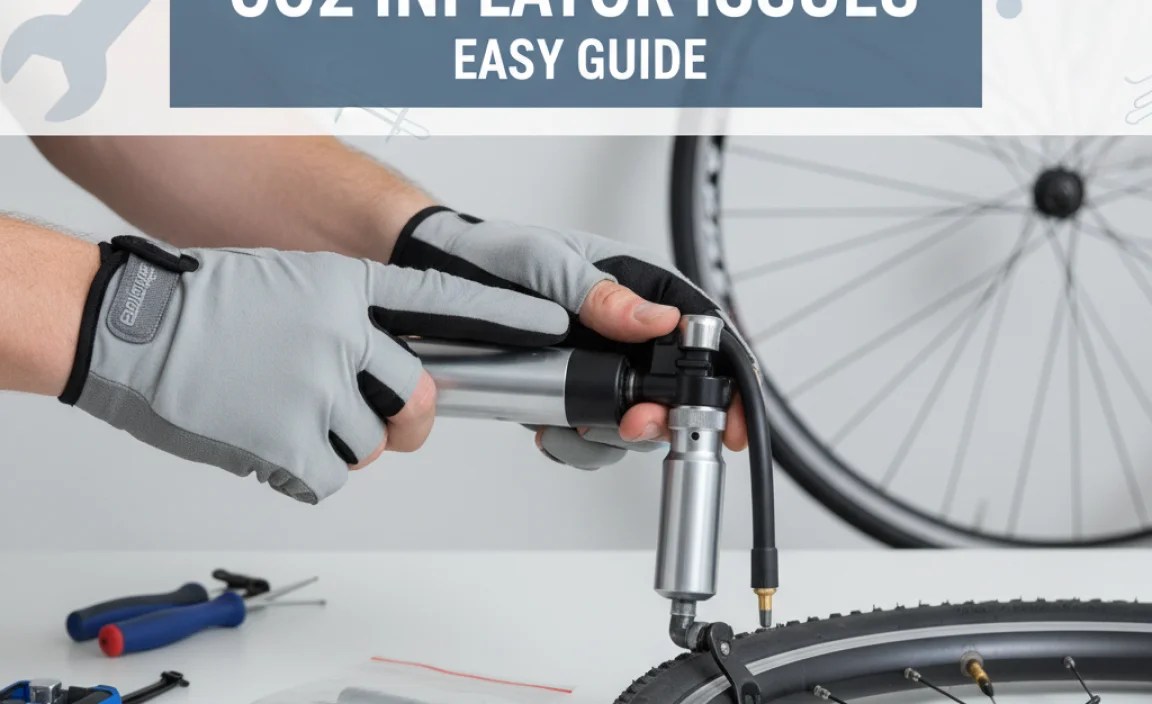
Sometimes, things go wrong when using a CO2 inflator. The inflator might not work. The CO2 cartridge might be empty. The tire might not inflate properly. Don’t worry, these problems are common. First, check the cartridge. Make sure it’s full. If it’s empty, replace it with a new one. Next, check the inflator. Make sure it’s attached tightly to the valve. If it’s loose, the CO2 will leak. Also, check the valve on your tire. Make sure it’s open. Sometimes the valve is closed. This prevents air from going in. If the tire still won’t inflate, check for leaks. There might be a hole in the tire. If so, you’ll need to replace the tube. Troubleshooting is part of biking. Don’t get discouraged. Just try again!
- Check if the CO2 cartridge is full.
- Make sure the inflator is tightly attached.
- Check that the tire valve is open.
- Look for leaks in the tire or tube.
- Carry spare tubes and cartridges.
Imagine you’re on a bike ride. You get a flat tire. You pull out your CO2 inflator. But it doesn’t work! This can be frustrating. But don’t give up. Take a deep breath. Check the simple things first. Is the cartridge full? Is the inflator attached properly? Is the valve open? Sometimes, it’s just a small mistake. Once you fix it, the inflator will work. If you’ve tried everything and it still doesn’t work, you might need a backup plan. Carry a hand pump with you. Or call a friend for help. The important thing is to stay calm. Don’t let a flat tire ruin your ride.
Cartridge Problems
Cartridge problems are common. Sometimes the cartridge is empty. This can happen if it’s been used before. Or if it has a leak. Always check the cartridge before you use it. Shake it gently. If it feels empty, replace it. Sometimes the cartridge is hard to puncture. This can happen if the needle on the inflator is dull. Try screwing the cartridge in tighter. If that doesn’t work, try a different inflator. It’s also a good idea to carry extra cartridges. That way, you’ll always have a backup. Don’t rely on just one cartridge. Be prepared for problems. This will make your bike rides more enjoyable.
Valve Issues
Valve issues can also cause problems. There are two main types of valves: Presta and Schrader. Make sure your inflator matches your valve type. If you have a Presta valve, you might need to unscrew it. This opens the valve. If you forget to do this, the tire won’t inflate. Schrader valves are usually open. But sometimes they can get stuck. Try pressing the valve core. This can loosen it up. Also, check for damage to the valve. If it’s bent or broken, you’ll need to replace the tube. Valve issues can be tricky. But with a little practice, you can learn to fix them.
Inflator Malfunctions
Inflator malfunctions can be frustrating. Sometimes the inflator just doesn’t work. The CO2 leaks out. Or the inflator won’t attach to the valve. First, check the inflator for damage. Look for cracks or broken parts. If you see any damage, replace the inflator. Also, make sure the inflator is clean. Dirt and debris can clog the mechanism. Try cleaning it with a cloth. If the inflator still doesn’t work, try a different one. It’s always a good idea to have a spare. Inflator malfunctions can happen. But with a little preparation, you can be ready for them.
Fun Fact or Stat: Some high-end CO2 inflators have built-in pressure gauges for precise inflation!
CO2 Inflator vs. Hand Pump: Which Is Better?

Choosing between a CO2 inflator and a hand pump can be tough. Both have their pros and cons. A CO2 inflator is faster. It fills the tire quickly. It’s also smaller and lighter. This makes it easy to carry. But it requires CO2 cartridges. These can run out. A hand pump takes longer. It requires more effort. But it doesn’t need cartridges. You can use it as many times as you want. It’s also cheaper in the long run. The best choice depends on your needs. If you want speed and convenience, choose a CO2 inflator. If you want reliability and cost savings, choose a hand pump. Or, carry both! That way, you’re prepared for anything.
| Feature | CO2 Inflator | Hand Pump |
|---|---|---|
| Speed | Very fast | Slow |
| Weight | Light | Heavier |
| Cost | More expensive (cartridges) | Less expensive |
| Reliability | Limited by cartridges | Unlimited |
Think about your typical bike ride. Are you usually in a hurry? Do you race or ride with a group? If so, a CO2 inflator might be the best choice. It will get you back on the road quickly. Are you going on a long ride? Will you be far from home? If so, a hand pump might be better. You won’t have to worry about running out of cartridges. Also, consider your budget. CO2 cartridges can add up over time. A hand pump is a one-time purchase. There’s no right or wrong answer. It depends on what’s important to you. So, think about your needs. Then choose the best option for your biking style.
Speed and Convenience
Speed and convenience are big advantages of CO2 inflators. When you have a flat tire, you want to fix it quickly. A CO2 inflator can fill your tire in seconds. This is much faster than a hand pump. It can take several minutes to fill a tire with a hand pump. This can be tiring. Especially if you’re already tired from riding. A CO2 inflator is also more convenient. It’s small and easy to carry. You can put it in your pocket or bike bag. A hand pump can be bulky. It can take up a lot of space. So, if you value speed and convenience, a CO2 inflator is a great choice.
Cost Considerations
Cost considerations are important too. CO2 inflators require cartridges. These cartridges cost money. You have to buy them regularly. This can add up over time. A hand pump is a one-time purchase. You don’t have to buy anything else. It’s also more environmentally friendly. CO2 cartridges are disposable. They can pollute the environment. A hand pump doesn’t create any waste. So, if you’re on a budget or concerned about the environment, a hand pump is a good choice. It might take longer to fill your tire. But it will save you money and help the planet.
Reliability on Long Rides
Reliability is crucial on long rides. When you’re far from home, you need to be prepared. A CO2 inflator can be unreliable. You might run out of cartridges. Or the inflator might malfunction. A hand pump is more reliable. You can use it as many times as you want. It doesn’t depend on cartridges or batteries. It just requires your effort. So, if you’re going on a long ride, a hand pump is a safer choice. It will give you peace of mind. You’ll know you can fix a flat tire, no matter what. It’s a good idea to carry both a CO2 inflator and a hand pump. That way, you’re prepared for anything.
Fun Fact or Stat: Professional cyclists often prefer CO2 inflators during races for their speed and efficiency!
Maintaining Your CO2 Inflator
Taking care of your CO2 inflator is important. This will help it last longer. It will also make sure it works when you need it. First, keep it clean. Wipe it down with a cloth after each use. This will remove dirt and debris. Also, check the threads. Make sure they’re not damaged. If they are, replace the inflator. Store the inflator in a dry place. This will prevent rust. Also, check the CO2 cartridges. Make sure they’re not leaking. If they are, dispose of them properly. By taking care of your inflator, you can ensure it’s always ready to use. This will give you peace of mind on your bike rides.
- Clean the inflator after each use.
- Check the threads for damage.
- Store the inflator in a dry place.
- Inspect CO2 cartridges for leaks.
- Replace the inflator if needed.
Imagine you have a favorite toy. You want to keep it in good condition. You clean it regularly. You store it carefully. You check it for damage. You do this because you want it to last. A CO2 inflator is like that toy. It’s a valuable tool. It can help you fix a flat tire quickly. But it needs to be taken care of. If you neglect it, it might break. Or it might not work when you need it. So, take the time to maintain your inflator. It’s a small effort that can make a big difference. You’ll be glad you did when you have a flat tire on the road.
Cleaning the Inflator
Cleaning the inflator is easy. Just wipe it down with a clean cloth. This will remove dirt and debris. Pay attention to the threads. These are the grooves that connect to the CO2 cartridge. If they’re dirty, the cartridge might not attach properly. You can use a small brush to clean the threads. Also, check for rust. If you see any rust, clean it off with a wire brush. Then, apply a little oil. This will prevent more rust from forming. Cleaning your inflator regularly will keep it in good condition. It will also help it work properly.
Checking the Threads
Checking the threads is very important. The threads are what connect the inflator to the CO2 cartridge. If the threads are damaged, the cartridge might not attach properly. This can cause leaks. It can also prevent the inflator from working. Inspect the threads carefully. Look for any signs of damage. If you see any cracks or breaks, replace the inflator. Also, make sure the threads are clean. Dirt and debris can clog the threads. This can make it difficult to attach the cartridge. Clean the threads with a small brush. Checking the threads regularly will help you avoid problems.
Proper Storage
Proper storage is essential. Store your CO2 inflator in a dry place. This will prevent rust. Rust can damage the inflator. It can also make it difficult to use. Avoid storing the inflator in direct sunlight. The sun can damage the plastic parts. Also, keep it away from extreme temperatures. Very hot or very cold temperatures can affect the inflator. Store it in a cool, dry place. A garage or shed is usually a good choice. Also, store the CO2 cartridges properly. Keep them away from heat and moisture. Proper storage will help your inflator last longer. It will also ensure it’s ready to use when you need it.
Fun Fact or Stat: A well-maintained CO2 inflator can last for many years, making it a worthwhile investment!
Summary
Learning how to use a CO2 inflator is a great skill for any cyclist. It allows you to quickly fix flat tires on the road. You can get back to riding in no time. Remember to gather your supplies. This includes the inflator, cartridges, and gloves. Practice at home before you need it on the road. Follow the safety tips. Be careful of the cold cartridge. Dispose of used cartridges properly. Choose between a CO2 inflator and a hand pump based on your needs. Maintain your inflator to keep it working well. With a little practice, you’ll be a pro at using a CO2 inflator.
Conclusion
CO2 inflators are useful tools for cyclists. They quickly inflate tires. This gets you back on the road fast. Remember safety. Always wear gloves. Point the inflator away from your face. Practice using it before you need it. By following these tips, you can learn how to use a CO2 inflator safely and effectively. Now you can ride with confidence!
Frequently Asked Questions
Question No 1: What is a CO2 inflator?
Answer: A CO2 inflator is a small device. It uses compressed carbon dioxide to inflate tires. It’s faster than a hand pump. Cyclists often use it on the road. The CO2 is stored in a small cartridge. The inflator punctures the cartridge. This releases the gas. The gas fills the tire. CO2 inflators are lightweight. They are also easy to carry. They’re a great tool for fixing flat tires quickly. You can get back to riding faster than using a hand pump. It’s a good idea to learn how to use a CO2 inflator.
Question No 2: How do I choose the right CO2 inflator?
Answer: Choosing the right CO2 inflator depends on your needs. Consider the valve type on your bike. There are two main types: Presta and Schrader. Make sure the inflator is compatible with your valve. Also, think about the size and weight of the inflator. You want something that’s easy to carry. Some inflators have extra features. This includes pressure gauges or control valves. These can be helpful. Read reviews before you buy. This will help you find a reliable inflator. Make sure the inflator is easy to use. Practice with it before you go on a ride.
Question No 3: Are CO2 inflators safe to use?
Answer: CO2 inflators are generally safe. But it’s important to follow safety precautions. The CO2 cartridge gets very cold when released. It can cause frostbite. Always wear gloves when using the inflator. Don’t point the inflator at your face. The cold gas can hurt your eyes. Make sure the inflator is attached properly. This prevents leaks. Dispose of used cartridges properly. Don’t leave them lying around. By following these tips, you can use a CO2 inflator safely. It’s a convenient way to fix flat tires on the road. Just be careful and responsible.
Question No 4: How many times can I use a CO2 cartridge?
Answer: You can only use a CO2 cartridge once. Once it’s been punctured, it’s empty. You’ll need to replace it with a new one. Always carry extra cartridges with you. This way, you’ll be prepared for multiple flats. Some cyclists carry three or four cartridges. It’s better to have too many than not enough. CO2 cartridges are small and lightweight. They’re easy to carry in your bike bag. Don’t rely on just one cartridge. Be prepared for the unexpected. This will make your bike rides more enjoyable. You won’t have to worry about getting stranded with a flat tire.
Question No 5: Can I reuse CO2 cartridges?
Answer: No, you cannot reuse CO2 cartridges. They are designed for single use only. Once the cartridge is punctured, the gas is released. The cartridge is then empty and cannot be refilled. Trying to refill a cartridge can be dangerous. The cartridge might explode. Always use a new cartridge each time you need to inflate a tire. Make sure you dispose of used cartridges properly. This helps protect the environment. It also prevents accidents. Remember, safety is always the most important thing. Using CO2 inflators correctly will keep you safe.
Question No 6: How do I dispose of used CO2 cartridges?
Answer: Disposing of used CO2 cartridges properly is important. They are made of metal. They can rust and pollute the ground. Don’t just throw them in the trash. Recycle them if you can. Many recycling centers accept metal cartridges. If you can’t recycle them, dispose of them carefully. Wrap them in paper or cardboard. This will protect sanitation workers. It will also prevent them from accidentally getting hurt. Some bike shops will take used cartridges. They can dispose of them safely. This ensures that you know how to use a CO2 inflator and can dispose of the used cartridges in a safe manner.


