
Pressure Drop Through Chuck Hose: The Smart Fix

Quick Summary: Pressure drop through your bike pump’s chuck hose means you’re losing valuable air before it reaches your tire. This is often due to leaks or blockages in the hose or chuck. Regularly inspect your hose for cracks, ensure the chuck is properly connected, and consider upgrading to a high-quality hose and chuck for more efficient inflation.
Ever pump up your bike tires and feel like you’re working harder than you should be? Maybe you’re not getting the pressure you expect, even after lots of effort. One common culprit is pressure drop in the chuck hose. This means some of the air you’re pumping is escaping before it even reaches your tire. Don’t worry, this is a fixable problem! We’ll walk you through diagnosing and solving pressure drop issues in your bike pump chuck hose, so you can get back to smooth rides.
Understanding Pressure Drop in Your Chuck Hose

Pressure drop refers to the reduction in air pressure as it travels through the chuck hose of your bike pump. Several factors can contribute to this, affecting how efficiently you inflate your tires. Let’s explore the common causes and why they matter.
Common Causes of Pressure Drop
- Leaks: Small cracks or punctures in the hose itself.
- Loose Connections: The chuck not being tightly connected to the valve stem.
- Damaged Chuck Seal: A worn-out or damaged rubber seal inside the chuck.
- Hose Kinks or Blockages: Kinks restricting airflow, or debris clogging the hose.
- Low-Quality Hose Material: Cheaper hoses can be more porous and prone to leaks.
Why Pressure Drop Matters
Pressure drop leads to:
- Inefficient Pumping: You expend more energy for less inflation.
- Inaccurate Tire Pressure: You might think you’re at the correct PSI, but you’re not.
- Increased Wear and Tear: On your pump, as you overwork it.
- Frustration: Nobody likes struggling to inflate their tires!
Diagnosing Pressure Drop
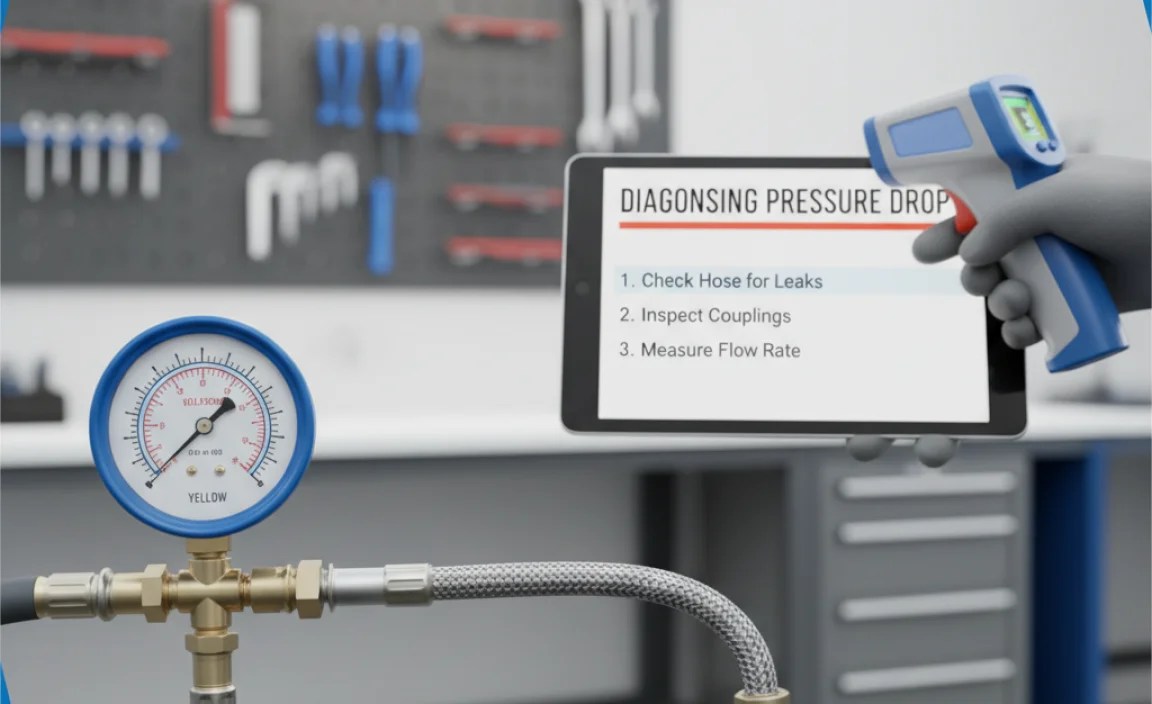
Before you start replacing parts, let’s pinpoint the source of the pressure drop. Here’s a step-by-step diagnostic process.
Step 1: Visual Inspection of the Hose
Carefully examine the entire length of the hose.
- Look for: Cracks, cuts, abrasions, or bulges.
- Bend the Hose: Gently bend the hose along its length, looking for cracks that open up.
Step 2: Check the Chuck Connection
Ensure the chuck is properly connected to the valve stem.
- Secure Fit: The chuck should fit snugly onto the valve stem without wobbling.
- Locking Mechanism: If your chuck has a lever or locking mechanism, make sure it’s fully engaged.
- Listen for Leaks: With the chuck connected, listen for hissing sounds indicating air escaping.
Step 3: Inspect the Chuck Seal
The rubber seal inside the chuck is crucial for an airtight connection.
- Check for Damage: Look for cracks, tears, or deformation of the rubber seal.
- Clean the Seal: Use a clean cloth to wipe away any dirt or debris that might be interfering with the seal.
Step 4: Test for Blockages
A blocked hose can restrict airflow and cause pressure drop.
- Disconnect the Hose: Remove the hose from both the pump and the chuck.
- Blow Through the Hose: Try blowing air through the hose to check for obstructions.
- Use a Thin Wire: If you suspect a blockage, gently use a thin wire or cable to clear it.
Step 5: The Water Test (Advanced)
This test can help identify tiny leaks that are hard to spot visually.
- Submerge the Hose: Connect the hose to the pump (without the chuck).
- Pump Air: Partially submerge the hose in water and gently pump air into it.
- Observe for Bubbles: Look for bubbles escaping from the hose, indicating leaks.
Fixing Pressure Drop Issues
Once you’ve identified the source of the pressure drop, you can take steps to fix it. Here are some common solutions.
Replacing the Chuck Hose
If the hose is damaged beyond repair, replacement is the best option.
- Measure the Hose: Determine the length and diameter of your current hose.
- Purchase a Replacement: Buy a compatible replacement hose from a bike shop or online retailer.
- Install the New Hose: Carefully disconnect the old hose and connect the new one, ensuring a secure fit at both ends.
Replacing the Chuck
A faulty chuck can be a major source of pressure drop.
- Choose a Quality Chuck: Look for a chuck made from durable materials with a reliable sealing mechanism.
- Consider Dual-Head Chucks: These can accommodate both Presta and Schrader valves, offering versatility.
- Install the New Chuck: Remove the old chuck and attach the new one, ensuring it’s properly tightened.
Tightening Connections
Loose connections can be easily fixed with a few simple steps.
- Check Threads: Make sure the threads on the hose and chuck are clean and undamaged.
- Use a Wrench: Gently tighten the connections using a wrench, but be careful not to overtighten.
- Apply Thread Sealant: For extra security, consider using a thread sealant like Teflon tape to create a tighter seal.
Cleaning the Chuck and Valve Stem
Dirt and debris can interfere with the seal between the chuck and valve stem.
- Use a Clean Cloth: Wipe the chuck and valve stem with a clean, dry cloth to remove any dirt.
- Use a Valve Core Tool: Periodically remove the valve core and clean it to ensure proper airflow.
Upgrading to a High-Quality Hose and Chuck
Investing in better components can improve your pumping efficiency and reduce pressure drop.
- Consider Braided Hoses: These are more durable and less prone to kinking.
- Look for Metal Chucks: Metal chucks are generally more robust and offer a better seal than plastic ones.
- Read Reviews: Check online reviews to see what other cyclists recommend.
Preventative Maintenance
Regular maintenance can help prevent pressure drop and keep your pump in good working order.
Regular Inspections
Make it a habit to inspect your hose and chuck regularly.
- Check for Damage: Look for any signs of wear and tear.
- Tighten Connections: Ensure all connections are secure.
Proper Storage
Store your pump in a cool, dry place to protect the hose and chuck.
- Avoid Extreme Temperatures: Extreme heat or cold can damage the rubber components.
- Keep it Clean: Store the pump in a clean environment to prevent dirt and debris from accumulating.
Lubrication
Periodically lubricate the chuck seal to keep it supple and prevent it from drying out.
- Use Silicone Grease: Apply a small amount of silicone grease to the seal.
- Avoid Petroleum-Based Lubricants: These can damage rubber components.
Tools You’ll Need
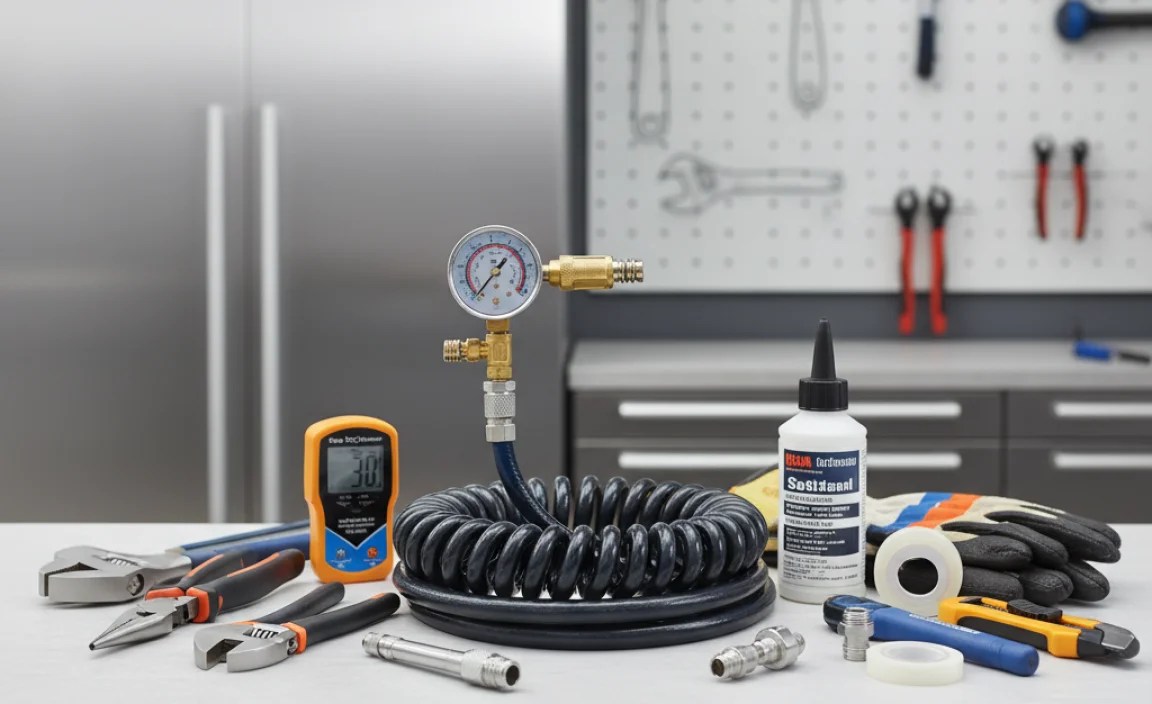
Having the right tools on hand will make diagnosing and fixing pressure drop much easier.
- Wrench Set: For tightening connections.
- Screwdrivers: For removing and installing components.
- Valve Core Tool: For removing and cleaning valve cores.
- Silicone Grease: For lubricating the chuck seal.
- Clean Cloth: For wiping away dirt and debris.
- Thread Sealant (Optional): For creating a tighter seal.
Troubleshooting Tips
Here are some additional tips to help you troubleshoot pressure drop issues.
- Check the Valve Stem: Make sure the valve stem on your inner tube is in good condition. A bent or damaged valve stem can prevent a proper seal.
- Try a Different Chuck: If you suspect the chuck is the problem, try using a different chuck to see if it makes a difference.
- Consult a Bike Mechanic: If you’re unable to diagnose or fix the problem yourself, take your pump to a qualified bike mechanic.
Choosing the Right Chuck Hose: A Comparison
Selecting the right chuck hose can significantly impact your pump’s performance and longevity. Here’s a comparison of common materials and features to consider.
| Feature | Rubber Hose | Braided Hose | Thermoplastic Hose |
|---|---|---|---|
| Durability | Moderate | High | Moderate to High |
| Flexibility | High | Moderate | High |
| Kink Resistance | Low | High | Moderate |
| Price | Low | Moderate to High | Moderate |
| Weight | Moderate | Moderate | Light |
| Best For | General use, budget-friendly | Heavy-duty use, durability | Lightweight, flexibility |
Presta vs. Schrader Valves: Choosing the Right Chuck
Understanding the difference between Presta and Schrader valves is crucial for selecting the correct chuck. Here’s a quick guide:
| Valve Type | Presta | Schrader |
|---|---|---|
| Appearance | Narrow, with a locking nut at the tip | Wider, similar to car tire valves |
| Common Usage | Road bikes, high-pressure tires | Mountain bikes, hybrid bikes, car tires |
| Inflation | Requires unlocking the nut before inflation | Inflates directly |
| Pressure Retention | Excellent | Good |
| Chuck Type | Dedicated Presta chuck or dual-head chuck | Dedicated Schrader chuck or dual-head chuck |
FAQ: Pressure Drop Through Chuck Hose
What is pressure drop in a bike pump hose?
Pressure drop is the loss of air pressure as air travels through the hose. It means less air is making it into your tire for each pump.
How do I know if I have a pressure drop problem?
If you’re pumping more than usual to reach your target PSI, or if the pump feels less effective, you might have pressure drop.
Can a leaky hose cause pressure drop?
Yes, even small leaks in the hose can significantly reduce the amount of air reaching your tire.
What’s the difference between a Presta and Schrader valve?
Presta valves are narrow with a locking nut, used on road bikes. Schrader valves are wider, like car tires, and common on mountain and hybrid bikes.
How often should I replace my pump hose?
Inspect your hose regularly. Replace it if you see cracks, wear, or if you notice a decrease in pumping efficiency.
Is it worth upgrading to a better chuck?
Yes, a high-quality chuck can provide a better seal and last longer than cheaper models, reducing pressure drop.
Can I fix a leaking chuck seal?
Sometimes. Try cleaning it first. If it’s damaged, replacing the entire chuck is usually the best option.
Conclusion
Dealing with pressure drop in your bike pump chuck hose can be frustrating, but with a little knowledge and some simple troubleshooting, you can keep your tires properly inflated and enjoy smoother rides. Remember to regularly inspect your hose and chuck, tighten connections, and consider upgrading to higher-quality components for improved performance. By following these tips, you’ll be able to maintain your pump and get the most out of every ride. Happy cycling!


