
Are Screw-On Chucks Better? Powerful Truth Revealed

Quick Summary: Screw-on chucks are generally not better than lever-operated or quick-release chucks for bike pumps. While they offer a secure connection, they can be difficult to remove and may damage valve stems. Lever-operated and quick-release chucks are easier to use and less likely to cause damage, making them the preferred choice for most cyclists.
Choosing the right chuck for your bike pump might seem like a small detail, but it can make a big difference in your cycling experience. Have you ever struggled to remove a pump chuck from your valve stem, worried you might bend or break it? Many cyclists face this frustration. Screw-on chucks, while offering a secure connection, often present challenges compared to other types. Let’s explore why screw-on chucks might not be the best option for most riders and what alternatives you should consider. We’ll cover ease of use, potential for damage, and overall convenience, so you can make an informed decision.
Understanding Bike Pump Chucks

A bike pump chuck is the part that connects to your bike’s valve, allowing you to inflate your tires. There are several types of chucks, each with its own advantages and disadvantages. Understanding these differences is crucial for choosing the right one for your needs.
Types of Bike Pump Chucks
Here’s a breakdown of the most common types of bike pump chucks:
- Screw-on Chucks: These chucks thread onto the valve stem, providing a secure connection.
- Lever-Operated Chucks: These chucks use a lever to clamp onto the valve stem, offering a quick and easy connection.
- Quick-Release Chucks: These chucks simply push onto the valve stem and are held in place by friction.
- Dual-Head Chucks: These chucks have two openings, one for Presta valves and one for Schrader valves.
Valve Types: Presta vs. Schrader
Before diving deeper, it’s important to understand the two main types of bike valves:
- Presta Valves: These valves are narrower and typically found on road bikes and high-performance bikes. They have a small locking nut that needs to be unscrewed before inflation.
- Schrader Valves: These valves are wider and similar to those found on car tires. They are commonly used on mountain bikes, hybrid bikes, and kids’ bikes.
The type of valve on your bike will influence the type of chuck you need. Many modern pumps come with dual-head chucks that can accommodate both Presta and Schrader valves.
Why Screw-On Chucks Might Not Be the Best Choice

While screw-on chucks offer a secure connection, they come with several drawbacks that make them less desirable for many cyclists.
Difficulty of Use
One of the main issues with screw-on chucks is the difficulty of use. They require you to carefully thread the chuck onto the valve stem, which can be fiddly and time-consuming. This is especially true in cold or wet conditions when your hands might not be as nimble.
Additionally, removing a screw-on chuck can be challenging. If the chuck is too tight, it can be difficult to unscrew, potentially leading to frustration and wasted time.
Risk of Damage to Valve Stems
Another significant concern with screw-on chucks is the risk of damaging the valve stem. Because you have to screw the chuck on and off, there’s a chance of bending or breaking the valve stem, especially with Presta valves, which are more delicate. Over time, this can lead to valve failure and the need for replacement.
Inconvenience
Compared to lever-operated or quick-release chucks, screw-on chucks are simply less convenient. The extra time and effort required to use them can be a nuisance, especially when you just want to quickly top off your tires before a ride.
Advantages of Lever-Operated and Quick-Release Chucks

Lever-operated and quick-release chucks offer several advantages over screw-on chucks, making them the preferred choice for most cyclists.
Ease of Use
Lever-operated and quick-release chucks are incredibly easy to use. With a lever-operated chuck, you simply place the chuck over the valve stem and flip the lever to create a secure seal. Quick-release chucks just push onto the valve stem.
This simplicity makes them ideal for quick tire inflation and adjustments, saving you time and effort.
Reduced Risk of Damage
Because lever-operated and quick-release chucks don’t require threading onto the valve stem, they significantly reduce the risk of damage. There’s no twisting or pulling on the valve, minimizing the chance of bending or breaking it.
Convenience
The convenience of lever-operated and quick-release chucks cannot be overstated. They allow you to quickly and easily inflate your tires, whether you’re at home or on the road. This is particularly useful for cyclists who frequently adjust their tire pressure to suit different riding conditions.
When Might a Screw-On Chuck Be Useful?

Despite their drawbacks, there are some situations where a screw-on chuck might be useful.
High-Pressure Inflation
Screw-on chucks can provide a more secure connection for high-pressure inflation, such as when inflating road bike tires to 100+ PSI. The threaded connection helps prevent air leaks, ensuring accurate inflation.
Specific Pump Designs
Some older or specialized pump designs may only be compatible with screw-on chucks. In these cases, you may not have a choice but to use a screw-on chuck.
Making the Switch: Upgrading Your Pump Chuck
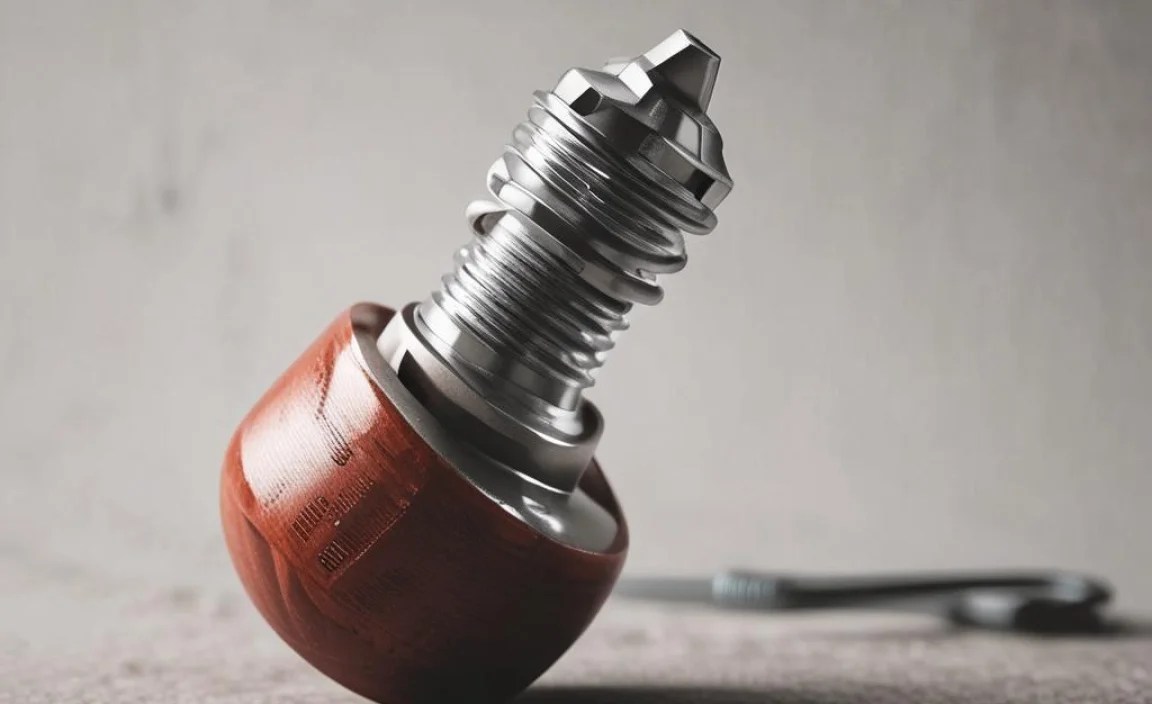
If you’re currently using a pump with a screw-on chuck and want to upgrade to a lever-operated or quick-release model, here’s what you need to know.
Check Compatibility
First, check the compatibility of your pump. Most modern pumps have a hose that can be easily detached from the chuck. Look for a threaded connection where the hose meets the chuck.
Purchase a Replacement Chuck
You can purchase replacement chucks online or at your local bike shop. Make sure to choose a chuck that is compatible with your pump’s hose and the type of valves you use (Presta, Schrader, or both).
Installation
Installing a new chuck is usually straightforward. Simply unscrew the old chuck from the hose and screw on the new one. Make sure the connection is tight to prevent air leaks.
Step-by-Step Guide: Replacing Your Pump Chuck
Here’s a detailed guide on how to replace your bike pump chuck:
- Gather Your Tools: You’ll need a wrench or pliers (depending on the chuck design) and your new chuck.
- Disconnect the Old Chuck: Use the wrench or pliers to loosen the old chuck from the hose. Be careful not to damage the hose.
- Remove the Old Chuck: Once the chuck is loose, unscrew it completely from the hose.
- Prepare the New Chuck: Check the threads on the new chuck and make sure they are clean and undamaged.
- Attach the New Chuck: Screw the new chuck onto the hose. Tighten it securely with the wrench or pliers, but be careful not to overtighten.
- Test the Connection: Inflate a tire to test the connection. Check for any air leaks around the chuck. If you find a leak, tighten the chuck slightly more.
Tips for Using Bike Pump Chucks
Whether you’re using a screw-on, lever-operated, or quick-release chuck, here are some tips to ensure proper inflation and prevent damage.
- Keep Your Chuck Clean: Dirt and debris can interfere with the seal between the chuck and the valve. Clean your chuck regularly with a damp cloth.
- Check for Wear and Tear: Inspect your chuck for signs of wear and tear, such as cracks or worn seals. Replace the chuck if necessary.
- Use the Correct Technique: When using a lever-operated chuck, make sure the lever is fully engaged to create a secure seal. With a screw-on chuck, avoid overtightening.
- Lubricate the Valve: A small amount of lubricant on the valve stem can help the chuck slide on and off more easily, reducing the risk of damage.
Comparing Chuck Types: A Detailed Table
Here’s a table comparing the different types of bike pump chucks:
| Chuck Type | Ease of Use | Risk of Damage | Convenience | Best For |
|---|---|---|---|---|
| Screw-on | Difficult | High | Low | High-pressure inflation, specific pump designs |
| Lever-Operated | Easy | Low | High | General use, quick inflation |
| Quick-Release | Very Easy | Low | High | General use, quick inflation |
| Dual-Head | Easy | Low | High | Both Presta and Schrader valves |
Troubleshooting Common Chuck Issues
Even with the best chuck, you might encounter some common issues. Here’s how to troubleshoot them:
- Air Leaks: If you’re experiencing air leaks around the chuck, make sure the connection is tight and the chuck is clean. You may also need to replace the chuck if the seals are worn.
- Difficulty Attaching: If you’re having trouble attaching the chuck to the valve, try lubricating the valve stem or cleaning the chuck.
- Bent Valve Stem: If you accidentally bend your valve stem, you may be able to straighten it with pliers. However, if the damage is severe, you’ll need to replace the valve.
Maintaining Your Bike Pump for Longevity
A well-maintained bike pump will last longer and perform better. Here are some tips for maintaining your pump:
- Store Your Pump Properly: Store your pump in a dry place to prevent rust and corrosion.
- Clean Your Pump Regularly: Clean the outside of your pump with a damp cloth to remove dirt and grime.
- Lubricate Moving Parts: Lubricate the pump’s moving parts with a light oil to keep them working smoothly.
- Replace Worn Parts: Replace any worn parts, such as seals or hoses, to maintain optimal performance.
Essential Tools for Bike Maintenance
Having the right tools can make bike maintenance much easier. Here are some essential tools every cyclist should have:
- Bike Pump: A reliable bike pump is a must-have for maintaining proper tire pressure.
- Tire Levers: Tire levers are used to remove tires from the rims.
- Multi-Tool: A multi-tool includes a variety of wrenches, screwdrivers, and other tools in a compact package.
- Chain Tool: A chain tool is used to break and reconnect the bike chain.
- Wrenches and Screwdrivers: A set of wrenches and screwdrivers in various sizes is essential for adjusting and repairing different parts of your bike.
FAQ: Bike Pump Chucks
Q: What is a bike pump chuck?
A: A bike pump chuck is the part of the pump that attaches to the valve on your bike’s tire, allowing you to inflate it.
Q: Are screw-on chucks better than lever-operated chucks?
A: Generally, no. Lever-operated chucks are easier to use and less likely to damage your valve stems.
Q: Can I replace the chuck on my bike pump?
A: Yes, most bike pumps have a replaceable chuck. Just make sure the new chuck is compatible with your pump and valve types.
Q: What’s the difference between Presta and Schrader valves?
A: Presta valves are narrow and usually found on road bikes, while Schrader valves are wider and similar to car tire valves.
Q: How do I prevent air leaks when using a bike pump?
A: Ensure the chuck is securely attached to the valve, and that the chuck’s seals are clean and in good condition. Replace the chuck if necessary.
Q: What tools do I need to replace a bike pump chuck?
A: You’ll typically need a wrench or pliers, depending on the chuck design, and your new replacement chuck.
Q: How often should I maintain my bike pump?
A: Regularly clean your pump and check for wear and tear. Lubricate moving parts as needed to keep it working smoothly.
Conclusion
While screw-on chucks might seem like a reliable option due to their secure connection, they often fall short compared to lever-operated and quick-release chucks in terms of ease of use, convenience, and the risk of damaging valve stems. For most cyclists, the advantages of lever-operated and quick-release chucks make them the better choice for everyday use. By understanding the differences between these chuck types and following the tips outlined in this guide, you can ensure proper tire inflation and keep your bike in top condition for every ride. So, ditch the frustration, upgrade your chuck if needed, and enjoy a smoother, more efficient pumping experience!


