
What Are Intermittent Pump Cycles? A Cyclist’s Guide

Quick Summary: Intermittent pump cycles refer to a pump turning on and off at regular intervals rather than running continuously. This cycling behavior is common in systems with pressure tanks, where the pump refills the tank until a set pressure is reached, then shuts off until the pressure drops again. Understanding why your pump cycles intermittently can help you troubleshoot issues and maintain optimal performance.
Ever noticed your water pump turning on and off frequently, even when you’re not using much water? It can be annoying and might even have you worrying about damage. Intermittent pump cycling is a common issue, but don’t panic! It usually indicates a simple problem, like low pressure in your pressure tank or a minor leak. This guide will walk you through the causes of intermittent pump cycles and how to fix them, so you can keep your system running smoothly. We’ll cover everything from checking your pressure tank to identifying leaks. Let’s get started!
Understanding Intermittent Pump Cycles

Intermittent pump cycles, also known as short cycling, happen when your water pump turns on and off more frequently than it should. Ideally, a pump should run for a reasonable amount of time to fill a pressure tank and then remain off until the pressure drops significantly. When a pump cycles intermittently, it doesn’t get a chance to run efficiently, and this can lead to several problems.
Why Intermittent Cycling Occurs
Several factors can cause intermittent pump cycling. Here are the most common:
- Low Air Pressure in the Pressure Tank: This is the most frequent cause. The air cushion in the tank helps maintain pressure and reduces the number of pump cycles.
- Waterlogged Pressure Tank: Over time, pressure tanks can become waterlogged, losing their air cushion entirely.
- Leaks in the System: Even small leaks can cause a pressure drop, triggering the pump to turn on.
- Faulty Check Valve: A check valve prevents water from flowing back into the well. If it fails, the pump has to work harder and cycle more often.
- Incorrect Pump Size: Using a pump that’s too powerful for your needs can lead to rapid cycling.
Diagnosing the Cause
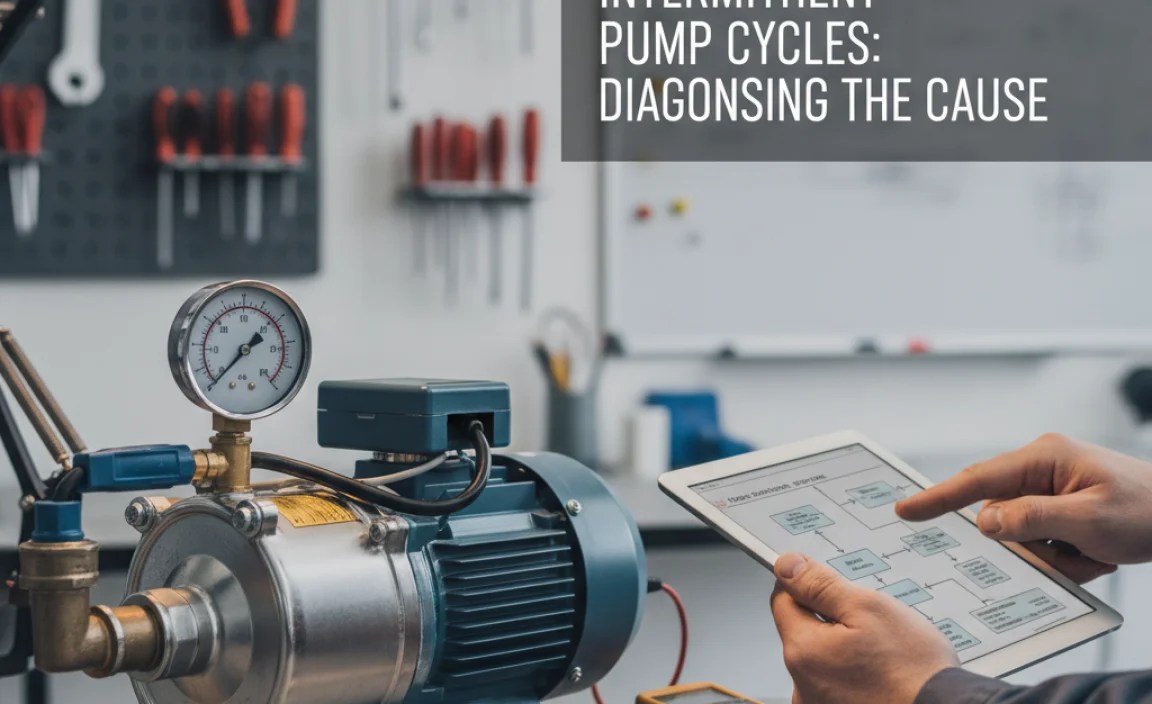
Before you start fixing anything, it’s important to figure out what’s causing the intermittent pump cycles. Here’s a step-by-step guide to help you diagnose the problem.
Step 1: Check the Pressure Tank’s Air Charge
The pressure tank stores water under pressure, providing a consistent supply and preventing the pump from constantly switching on and off. The air bladder inside the tank maintains this pressure. If the air pressure is too low, the pump will cycle more frequently. Here’s how to check it:
- Turn off the pump: Locate the circuit breaker for your well pump and switch it off.
- Drain the tank: Open a faucet somewhere in your house and let the water run until it stops. This depressurizes the tank.
- Check the air pressure: Locate the Schrader valve (like the one on your car tire) on top of the tank. Use a tire pressure gauge to measure the air pressure.
- Compare to the cut-in pressure: The air pressure should be 2 PSI below the pump’s cut-in pressure (the pressure at which the pump turns on). For example, if your pump’s cut-in pressure is 40 PSI, the air pressure in the tank should be 38 PSI.
- Adjust if necessary: If the air pressure is too low, use an air compressor to add air until it reaches the correct level. If water comes out of the Schrader valve, the bladder is likely damaged and the tank may need replacing.
Step 2: Inspect for Leaks
Leaks in your plumbing system can cause a drop in pressure, leading to the pump cycling on and off. Check all visible pipes, faucets, and connections for any signs of water. Don’t forget to check less obvious places, such as:
- Toilets: A running toilet can waste a lot of water and cause the pump to cycle.
- Outdoor faucets: Even a small drip from an outdoor faucet can add up over time.
- Under sinks: Check the pipes and connections under your sinks for any signs of leaks.
To pinpoint hidden leaks, consider conducting a pressure test. Turn off all faucets and water-using appliances, then watch the pressure gauge on the pump. If the pressure drops steadily, you likely have a leak somewhere in the system.
Step 3: Examine the Check Valve
The check valve is usually located near the pump and prevents water from flowing back down into the well. If the check valve is faulty, water can leak back, causing the pressure to drop and the pump to cycle. Here’s how to check it:
- Locate the check valve: It’s usually near the pump or inside the well.
- Inspect for leaks: Look for any signs of water leaking around the valve.
- Listen for backflow: Turn off the pump and listen for the sound of water flowing back into the well. This indicates a faulty check valve.
If you suspect the check valve is bad, you may need to replace it. This usually involves disconnecting the pipes on either side of the valve and installing a new one.
Step 4: Check the Pump Size and Settings
Using a pump that is too large for your home’s needs can also cause intermittent cycling. An oversized pump will fill the pressure tank very quickly, then shut off, only to cycle on again soon after. Check the pump’s specifications and compare them to your home’s water usage. Also, ensure the pressure switch settings are appropriate for your system. The cut-in and cut-out pressures should be set correctly to allow for efficient operation.
Fixing Intermittent Pump Cycles
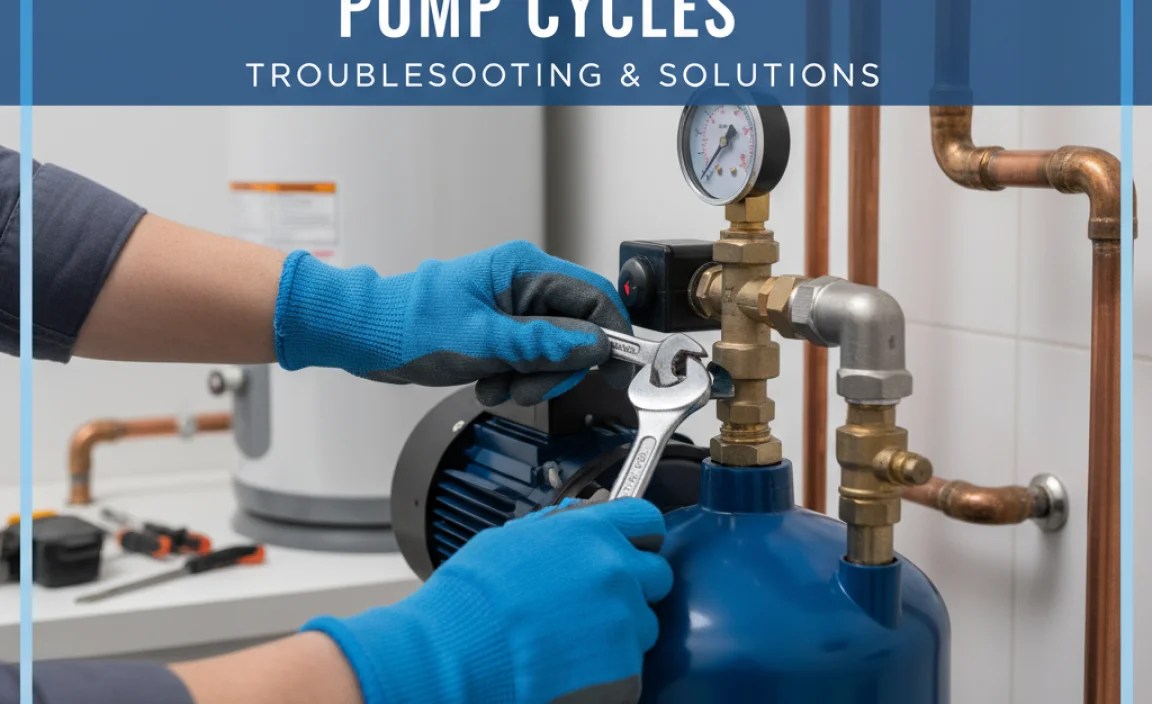
Once you’ve identified the cause of the problem, you can take steps to fix it. Here are some common solutions.
Solution 1: Adjusting the Pressure Tank’s Air Charge
As mentioned earlier, low air pressure in the pressure tank is a common cause of intermittent cycling. Here’s how to adjust it:
- Turn off the pump: Switch off the circuit breaker for the well pump.
- Drain the tank: Open a faucet and let the water run until the tank is empty.
- Check the air pressure: Use a tire pressure gauge to measure the air pressure at the Schrader valve.
- Adjust the air pressure: Use an air compressor to add air until the pressure is 2 PSI below the pump’s cut-in pressure.
- Turn the pump back on: Switch the circuit breaker back on and let the tank fill.
- Monitor the pump cycles: Observe how frequently the pump cycles. It should cycle less often now that the air pressure is correct.
Solution 2: Repairing Leaks
Fixing leaks is essential to maintaining consistent water pressure and preventing pump cycling. Here’s how to tackle common leaks:
- Tighten connections: Use a wrench to tighten any loose pipe connections.
- Replace worn parts: Replace any worn or damaged washers, O-rings, or pipes.
- Seal leaks: Use plumber’s tape or pipe sealant to seal any small leaks in threaded connections.
- Repair toilets: Replace flappers or fill valves in toilets that are running.
For more significant leaks, you may need to call a plumber. Ignoring leaks can lead to more serious problems, such as water damage and mold growth.
Solution 3: Replacing a Faulty Check Valve
A faulty check valve can cause water to flow back into the well, leading to pressure loss and pump cycling. Here’s how to replace it:
- Turn off the pump: Switch off the circuit breaker for the well pump.
- Drain the system: Open a faucet and let the water run until the pipes are empty.
- Disconnect the pipes: Use a wrench to disconnect the pipes on either side of the check valve.
- Remove the old valve: Remove the old check valve from the pipe.
- Install the new valve: Install the new check valve, making sure to orient it correctly (it should allow water to flow only in one direction).
- Reconnect the pipes: Use a wrench to reconnect the pipes to the new check valve.
- Turn the pump back on: Switch the circuit breaker back on and let the system fill.
- Check for leaks: Inspect the new check valve and connections for any leaks.
Solution 4: Replacing a Waterlogged Pressure Tank
If your pressure tank is waterlogged (meaning it has lost its air cushion), it may need to be replaced. Here’s how to do it:
- Turn off the pump: Switch off the circuit breaker for the well pump.
- Drain the system: Open a faucet and let the water run until the tank is empty.
- Disconnect the pipes: Use a wrench to disconnect the pipes connected to the old pressure tank.
- Remove the old tank: Carefully remove the old pressure tank. It may be heavy, so get help if needed.
- Install the new tank: Place the new pressure tank in the same location as the old one.
- Reconnect the pipes: Use a wrench to reconnect the pipes to the new pressure tank.
- Charge the tank: Follow the manufacturer’s instructions to pre-charge the tank with the correct air pressure.
- Turn the pump back on: Switch the circuit breaker back on and let the system fill.
- Check for leaks: Inspect the new tank and connections for any leaks.
Preventive Maintenance
Preventing intermittent pump cycles is easier than fixing them. Here are some tips to keep your system running smoothly:
- Regularly check the pressure tank’s air charge: Check the air pressure in your pressure tank every few months and adjust as needed.
- Inspect for leaks: Regularly inspect your plumbing system for any signs of leaks and repair them promptly.
- Flush your water heater: Sediment buildup in your water heater can reduce its efficiency and cause pressure fluctuations. Flush your water heater at least once a year.
- Monitor water usage: Be aware of your water usage and address any unusual increases that could indicate a leak or other problem.
Troubleshooting Chart
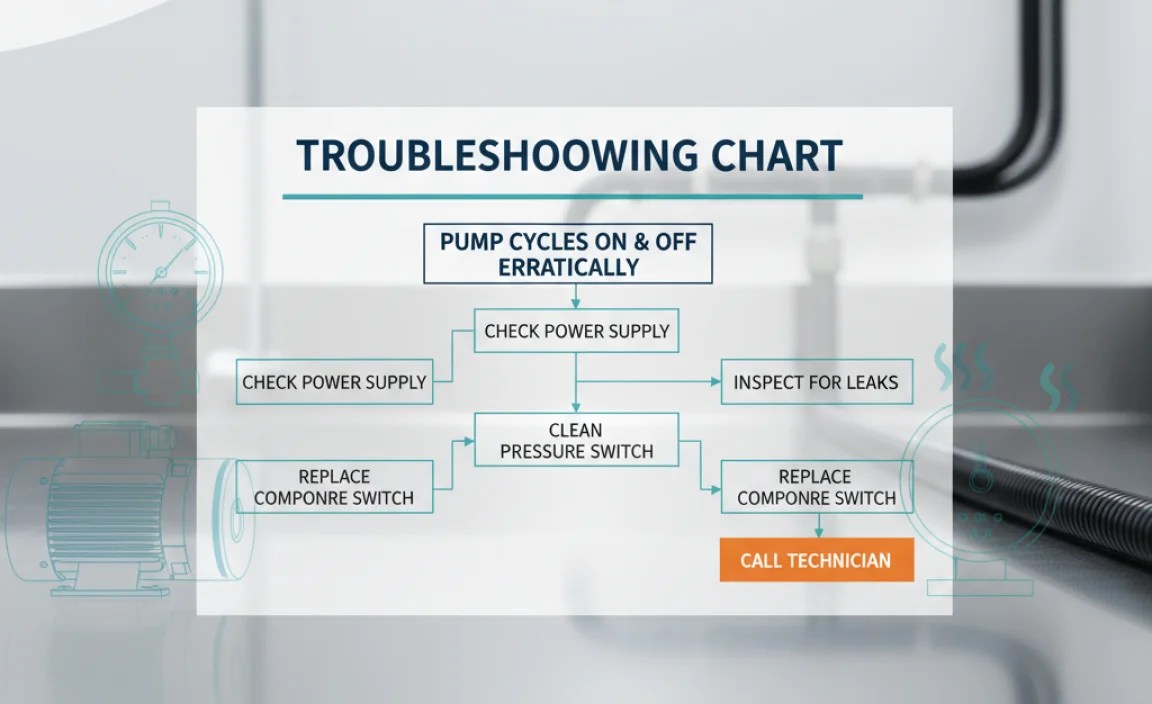
Here’s a quick reference table to help you diagnose and fix intermittent pump cycles:
| Problem | Possible Cause | Solution |
|---|---|---|
| Pump cycles on and off frequently | Low air pressure in pressure tank | Check and adjust air pressure in the tank |
| Pump cycles on and off frequently | Leaks in the plumbing system | Inspect and repair any leaks |
| Pump cycles on and off frequently | Faulty check valve | Replace the check valve |
| Pump cycles on and off frequently | Waterlogged pressure tank | Replace the pressure tank |
| Pump cycles on and off frequently | Incorrect pump size | Consult a professional to determine if you need a different pump |
When to Call a Professional
While many pump and plumbing issues can be resolved with DIY solutions, some situations require the expertise of a professional. Here are some scenarios when you should call a plumber or well technician:
- You can’t identify the source of the problem: If you’ve tried troubleshooting and still can’t figure out why your pump is cycling, it’s time to call a pro.
- You’re not comfortable working with plumbing or electrical systems: Working with water and electricity can be dangerous, so don’t hesitate to call a professional if you’re not comfortable.
- You suspect a problem with the well itself: If you think the problem might be related to the well itself (e.g., low water level, contaminated water), you’ll need to call a well technician.
- You have a complex plumbing system: If your home has a complex plumbing system, it’s best to leave repairs to a professional.
Cost Considerations
Fixing intermittent pump cycles can involve various costs, depending on the cause and the extent of the repair. Here’s a breakdown of potential expenses:
| Repair | Estimated Cost |
|---|---|
| Adjusting air pressure in pressure tank | $0 – $20 (DIY, cost of air compressor if needed) |
| Repairing minor leaks | $10 – $50 (DIY, cost of plumber’s tape, pipe sealant, or small parts) |
| Replacing a check valve | $30 – $100 (DIY, cost of the valve) or $150 – $300 (professional installation) |
| Replacing a pressure tank | $150 – $500 (DIY, cost of the tank) or $300 – $800 (professional installation) |
| Professional plumbing service call | $75 – $200 (depending on location and complexity) |
FAQ: Intermittent Pump Cycles
Here are some frequently asked questions about intermittent pump cycles:
- Why is my well pump turning on and off so often?
- Frequent cycling is usually due to low air pressure in the pressure tank, leaks in the system, or a faulty check valve. Check these components first.
- Can intermittent pump cycling damage my pump?
- Yes, frequent cycling can cause the pump to overheat and wear out prematurely. Addressing the issue promptly can extend the life of your pump.
- How do I know if my pressure tank is waterlogged?
- If water comes out of the Schrader valve when you check the air pressure, the bladder is likely damaged, and the tank is waterlogged. Another sign is if the pump cycles very quickly, even when you’re not using much water.
- Is it safe to drink water when my pump is cycling intermittently?
- In most cases, yes. However, if you suspect the cycling is due to contamination in the well, have your water tested before drinking it.
- How often should I check my pressure tank’s air pressure?
- It’s a good idea to check the air pressure every 3-6 months to ensure it’s at the correct level.
- Can a running toilet cause intermittent pump cycling?
- Yes, a running toilet can waste a significant amount of water and cause the pump to cycle more frequently. Fix any toilet leaks promptly.
- What is the cut-in pressure on my well pump?
- The cut-in pressure is the pressure at which the pump turns on. It’s usually set at 30 or 40 PSI. You can find this information on the pump’s label or in the owner’s manual.
Conclusion
Dealing with intermittent pump cycles can be frustrating, but with a little knowledge and some basic troubleshooting, you can often resolve the issue yourself. Remember to start by checking the pressure tank’s air charge and inspecting for leaks. If you’re not comfortable with DIY repairs, don’t hesitate to call a professional. By addressing intermittent pump cycles promptly, you can protect your pump, conserve water, and ensure a reliable water supply for your home. Now get out there and keep your system running smoothly!
“`


