
How to Remove Stuck Chuck From Presta Valve: Easy Fix!

Quick Summary: Got a stubborn pump chuck stuck on your Presta valve? Don’t panic! Gently wiggle the chuck while pulling it straight off. If that doesn’t work, try lubricating the valve with soapy water or a bit of silicone spray. For a really stuck chuck, use pliers with a cloth to protect the valve while carefully twisting and pulling. Patience is key to avoid bending or breaking the valve!
Ever finished pumping your tire only to find the pump chuck refusing to let go of your Presta valve? It’s a common cycling frustration! A stuck chuck can be annoying and even damage your valve if you’re not careful. But don’t worry, you’re not alone, and there are simple ways to safely remove it. I’ll guide you through easy steps to get that chuck off without causing any harm. We’ll cover everything from gentle wiggling to using household lubricants and even some basic tools if needed. Let’s get started and get you back on the road!
Understanding Presta Valves and Chucks
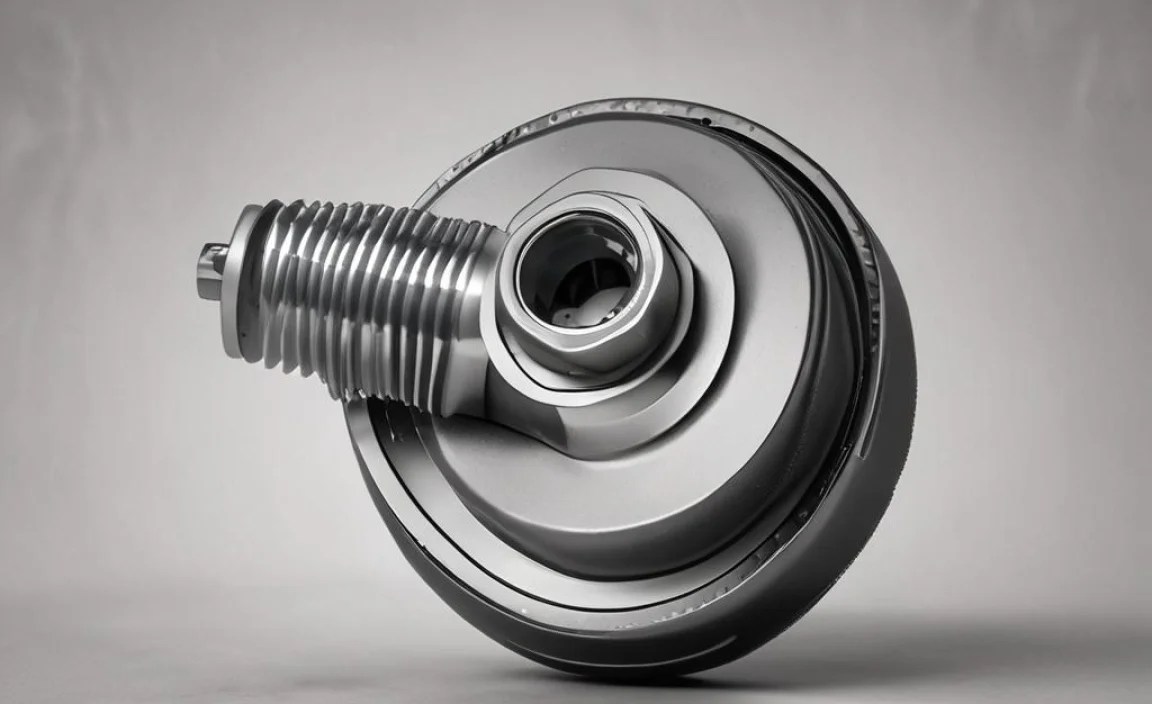

Before diving into removal techniques, let’s quickly cover the basics of Presta valves and pump chucks. Knowing how they work together will help you understand why they sometimes get stuck and how to prevent it.
What is a Presta Valve?
A Presta valve is a type of bicycle tire valve, also known as a Sclaverand or French valve. They are commonly found on high-performance road bikes and mountain bikes. Here’s what makes them unique:
- Narrower Diameter: Presta valves are thinner than Schrader valves (the type found on car tires), allowing for narrower rims on bikes.
- Locking Nut: They have a small nut at the top that you need to unscrew before inflating and tighten afterward.
- Higher Pressure: Presta valves are generally better at handling higher tire pressures.
What is a Pump Chuck?
A pump chuck is the part of your bike pump that attaches to the valve. There are two main types:
- Thread-on Chucks: These screw onto the Presta valve.
- Lever-locking Chucks: These clamp onto the valve with a lever mechanism.
Both types can sometimes get stuck, but lever-locking chucks are often the culprit due to their tighter grip.
Why Chucks Get Stuck
Several factors can cause a pump chuck to get stuck on a Presta valve:
- Tight Fit: Some chucks are designed with a very snug fit, making removal difficult.
- Valve Damage: A slightly bent or damaged valve can make it hard for the chuck to slide off.
- Dirt and Grime: Dirt or dried sealant can create friction between the chuck and valve.
- Over-Tightening: Thread-on chucks can get stuck if they’re screwed on too tightly.
Tools You Might Need

Fortunately, removing a stuck chuck usually doesn’t require a lot of specialized tools. Here’s a list of items that might come in handy:
- Your Hands: Often, that’s all you need!
- Small Pliers: For a more secure grip (use with caution).
- Clean Cloth: To protect the valve from scratches if using pliers.
- Lubricant: Soapy water, silicone spray, or even saliva can help.
- Valve Core Tool (Optional): If the valve core gets damaged, this tool can help replace it.
Step-by-Step Guide to Removing a Stuck Chuck
Now, let’s get to the main event! Here’s a step-by-step guide to safely removing that stuck pump chuck.
Step 1: The Gentle Wiggle
This is the first and often most effective method. Try the following:
- Grip the Chuck: Hold the chuck firmly with one hand.
- Wiggle Gently: Gently wiggle the chuck from side to side and up and down.
- Pull Straight Off: While wiggling, try to pull the chuck straight off the valve. Avoid bending or twisting the valve itself.
Patience is key here. Don’t force it! A little gentle movement can often do the trick.
Step 2: Lubrication
If wiggling alone doesn’t work, lubrication can help reduce friction.
- Choose a Lubricant: Soapy water works well, or you can use a silicone-based lubricant like those used for bike chains. Avoid oil-based lubricants, as they can damage the rubber valve seal over time.
- Apply Lubricant: Apply a small amount of lubricant around the base of the chuck where it connects to the valve.
- Wait a Moment: Give the lubricant a minute or two to seep in.
- Repeat Wiggle: Try the gentle wiggle and pull method again. The lubricant should help the chuck slide off more easily.
Step 3: Pliers (Use with Caution!)
If the chuck is really stuck, you might need to use pliers. However, this method requires extra care to avoid damaging the valve.
- Protect the Valve: Wrap the valve stem with a clean cloth to protect it from the pliers’ teeth.
- Grip the Chuck: Use the pliers to grip the chuck firmly, but not too tightly. You don’t want to crush it.
- Twist and Pull: Gently twist the chuck back and forth while pulling it straight off the valve.
- Check for Damage: After removing the chuck, inspect the valve for any signs of bending or damage.
Warning: Using pliers increases the risk of damaging the valve. Only use this method as a last resort and be very careful!
Step 4: Dealing with Thread-on Chucks
If you have a thread-on chuck, the removal process is slightly different.
- Grip the Chuck: Hold the chuck firmly.
- Unscrew: Twist the chuck counterclockwise to unscrew it from the valve.
- If Stuck, Lubricate: If it’s stuck, apply a bit of lubricant to the threads and try again.
- Pliers (If Necessary): If it’s still stuck, use pliers (with a cloth for protection) to gently grip the chuck and unscrew it.
Step 5: Check the Valve Core
Sometimes, the force of removing a stuck chuck can damage the valve core (the inner part of the Presta valve that controls airflow). Here’s how to check and replace it if needed:
- Deflate the Tire: Make sure the tire is completely deflated.
- Remove the Valve Core: Use a valve core tool to unscrew and remove the valve core.
- Inspect the Core: Look for any signs of damage, such as bending or cracking.
- Replace if Necessary: If the core is damaged, replace it with a new one.
- Reinstall: Use the valve core tool to screw the new core back into the valve.
- Inflate: Inflate the tire to the correct pressure and check for leaks.
Prevention Tips
The best way to deal with a stuck chuck is to prevent it from happening in the first place. Here are some tips:
- Use a High-Quality Chuck: Invest in a good quality pump with a reliable chuck. Some chucks are simply better designed and less prone to sticking.
- Keep Your Valve Clean: Regularly wipe down your Presta valves with a clean cloth to remove dirt and grime.
- Lubricate Regularly: Apply a small amount of silicone-based lubricant to the valve occasionally to keep it smooth.
- Avoid Over-Tightening: If you have a thread-on chuck, don’t screw it on too tightly.
- Check Your Valve: Inspect your valves regularly for any signs of damage, such as bending or cracks.
Troubleshooting
Sometimes, even with the best techniques, you might encounter specific issues. Here’s a quick troubleshooting guide:
| Problem | Possible Cause | Solution |
|---|---|---|
| Chuck still stuck after lubrication | Lubricant not reaching the right spot | Apply more lubricant and let it sit longer. Try a different type of lubricant. |
| Valve is bent | Excessive force during removal | If slightly bent, try to gently straighten it. If severely bent, replace the valve or tube. |
| Valve core is leaking | Valve core damaged during removal | Replace the valve core with a new one. |
| Chuck is damaged | Excessive force or wear and tear | Replace the pump chuck. |
Choosing the Right Pump and Chuck
The right pump can make a big difference in your cycling experience. Here’s what to consider when choosing a pump and chuck:
Pump Types
- Floor Pumps: These are great for home use and offer high volume and pressure. Look for one with a stable base and an easy-to-read gauge.
- Mini Pumps: These are portable and designed for on-the-road repairs. Choose one that’s lightweight and efficient.
- CO2 Inflators: These use CO2 cartridges to quickly inflate tires. They’re great for racing but can be less economical for everyday use.
Chuck Features
- Dual Head: Some pumps have dual heads that can accommodate both Presta and Schrader valves.
- Lever Lock: Look for a lever lock that’s easy to use and provides a secure seal.
- Thread-on vs. Lever-Lock: Consider your preference. Thread-on chucks can be more secure but are slower to attach and detach. Lever-lock chucks are faster but can sometimes leak.
Recommended Pumps
Here are a few popular and reliable bike pump options:
| Pump | Type | Features |
|---|---|---|
| Lezyne Floor Drive | Floor Pump | High pressure, accurate gauge, durable construction |
| Topeak Road Morph G | Mini Pump | Fold-out foot pad, integrated gauge, efficient inflation |
| Genuine Innovations Ultraflate CO2 Inflator | CO2 Inflator | Compact, easy to use, controlled inflation |
FAQ: Removing a Stuck Chuck
Here are some frequently asked questions about removing stuck chucks from Presta valves:
- Why does my pump chuck keep getting stuck?
- A tight fit, valve damage, dirt buildup, or over-tightening (for thread-on chucks) can all cause a chuck to get stuck.
- Can I use WD-40 to lubricate the valve?
- It’s best to avoid WD-40, as it can degrade the rubber seal in the valve over time. Use soapy water or a silicone-based lubricant instead.
- What if I accidentally bend the Presta valve?
- If the valve is only slightly bent, you can try to gently straighten it. If it’s severely bent, you’ll need to replace the valve or the entire tube.
- How often should I lubricate my Presta valves?
- Lubricating your valves every few months, or whenever you notice the chuck getting difficult to remove, is a good practice.
- Is it better to use a thread-on or lever-lock chuck?
- It’s a matter of personal preference. Thread-on chucks are generally more secure, while lever-lock chucks are faster to use. Choose the one that best suits your needs.
- What is a valve core tool used for?
- A valve core tool is used to remove and install the valve core, which is the inner part of the Presta valve that controls airflow. This tool is essential for replacing a damaged valve core.
- Can I prevent the chuck from sticking by not tightening the valve nut too much?
- Yes, avoid over-tightening the valve nut. Its primary function is to keep the valve from rattling, not to create an airtight seal. Over-tightening can damage the valve and make the chuck stick.
Conclusion
Removing a stuck pump chuck from a Presta valve doesn’t have to be a stressful experience. With a little patience and the right techniques, you can safely detach the chuck and get back to riding. Remember to start with gentle methods, use lubrication when needed, and exercise caution if using pliers. By following these steps and practicing preventive maintenance, you’ll minimize the chances of future stuck chucks and keep your bike in top condition. Happy cycling!


