
How to Fix Leaking Bike Pump Chuck: Easy Guide

Quick Summary: A leaky bike pump chuck often means you’re losing air before you can fully inflate your tires. Usually, it’s caused by a loose connection, worn-out rubber seals, or debris. To fix it, start by tightening the chuck, cleaning it thoroughly, and replacing any damaged O-rings or seals. With a little care, your pump will be back to its best in no time!
Is your bike pump hissing and sputtering, leaving your tires flat and your arms tired? A leaky bike pump chuck is a common frustration for cyclists. You pump and pump, but the air escapes before it reaches your tire. Don’t worry, you’re not alone, and more importantly, it’s usually an easy fix. We’ll guide you through simple steps to diagnose and repair your bike pump chuck, so you can get back on the road quickly. We’ll cover everything from tightening connections to replacing worn-out parts. Let’s get started!
Why Is My Bike Pump Chuck Leaking?

Before diving into the fixes, let’s understand the common reasons why your bike pump chuck might be leaking. Identifying the cause is the first step to a successful repair.
- Loose Connection: The chuck might not be properly tightened on the valve stem.
- Worn-Out O-Rings or Seals: Rubber parts degrade over time, causing leaks.
- Debris: Dirt, grit, or old sealant can interfere with the seal.
- Cracked or Damaged Chuck Body: Physical damage can lead to air leaks.
- Valve Stem Issues: Sometimes, the problem isn’t the pump but the valve stem on your tube.
Tools and Materials You’ll Need

Having the right tools on hand will make the repair process smoother and more efficient. Here’s what you should gather before you start:
- Bike Pump Repair Kit: Many kits include replacement O-rings and seals.
- Small Adjustable Wrench: For tightening connections.
- Small Screwdrivers: Both Phillips head and flathead may be needed.
- Clean Rags: For wiping away dirt and grease.
- Degreaser or Isopropyl Alcohol: For cleaning parts.
- Grease: A small amount of bike-specific grease or silicone grease.
- Needle-Nose Pliers: For removing small parts.
- Work Gloves: To keep your hands clean and protected.
Step-by-Step Guide to Fixing a Leaky Bike Pump Chuck

Follow these steps to diagnose and repair your bike pump chuck. We’ll start with the simplest solutions and move to more involved repairs if needed.
Step 1: Check and Tighten the Chuck Connection
The first thing to check is whether the chuck is properly connected to the valve stem. A loose connection is a common cause of leaks and an easy thing to fix.
- Inspect the Connection: Make sure the chuck is fully seated on the valve stem.
- Tighten the Chuck: If it’s a screw-on type, ensure it’s snug but not overly tight.
- Test for Leaks: Inflate the tire slightly and listen for hissing around the connection. If it still leaks, move to the next step.
Step 2: Clean the Chuck Thoroughly
Dirt and debris can prevent the chuck from sealing properly. Cleaning the chuck can often resolve minor leaks.
- Disassemble the Chuck (if possible): Some chucks can be partially disassembled for cleaning. Check your pump’s manual for instructions.
- Clean with Degreaser: Use a clean rag and degreaser or isopropyl alcohol to wipe away dirt and grime.
- Remove Stubborn Debris: Use a small brush or needle to dislodge any stubborn particles.
- Rinse and Dry: If you used degreaser, rinse the parts with water and let them dry completely before reassembling.
Step 3: Inspect and Replace O-Rings and Seals
Worn or damaged O-rings and seals are a frequent cause of leaks. Replacing them can restore your pump’s performance.
- Locate the O-Rings: These are usually found inside the chuck or around the piston.
- Inspect for Damage: Look for cracks, tears, or flattening.
- Remove Old O-Rings: Use a small screwdriver or needle-nose pliers to gently pry them out.
- Install New O-Rings: Lightly grease the new O-rings with bike-specific or silicone grease before installing them. This helps them seat properly and extends their lifespan.
- Reassemble the Chuck: Follow the manufacturer’s instructions to reassemble the chuck.
Step 4: Check and Adjust the Internal Piston
The piston inside the pump is responsible for pushing air. If it’s not working correctly, it can cause leaks. This step applies mainly to floor pumps.
- Access the Piston: This usually involves removing the handle and top cap of the pump.
- Inspect the Piston Seal: Look for wear or damage.
- Clean and Grease: Clean the piston and cylinder with a clean rag and apply a thin layer of grease to the piston seal.
- Adjust the Piston (if possible): Some pumps have adjustable pistons. Consult your pump’s manual for instructions.
- Reassemble the Pump: Carefully reassemble the pump, making sure all parts are properly aligned.
Step 5: Examine the Hose and Connections
Leaks can also occur in the hose that connects the pump to the chuck. Inspect the hose and its connections for damage.
- Inspect the Hose: Look for cracks, kinks, or punctures.
- Check the Connections: Make sure the hose is securely attached to the pump and the chuck.
- Tighten Connections: Use an adjustable wrench to tighten any loose connections. Be careful not to overtighten.
- Replace the Hose (if needed): If the hose is damaged, replace it with a new one. You can usually find replacement hoses at bike shops or online.
Step 6: Check the Valve Stem on Your Bike
Sometimes, the problem isn’t the pump but the valve stem on your bike’s inner tube. A damaged or faulty valve stem can cause air to leak, making it seem like the pump is the issue.
- Inspect the Valve Stem: Look for bends, cracks, or damage to the threads.
- Check the Valve Core (for Presta valves): Make sure the valve core is tightened. You can use a valve core tool for this.
- Clean the Valve Stem: Use a clean rag to wipe away dirt and debris.
- Replace the Inner Tube (if needed): If the valve stem is damaged, it’s best to replace the entire inner tube.
Advanced Troubleshooting
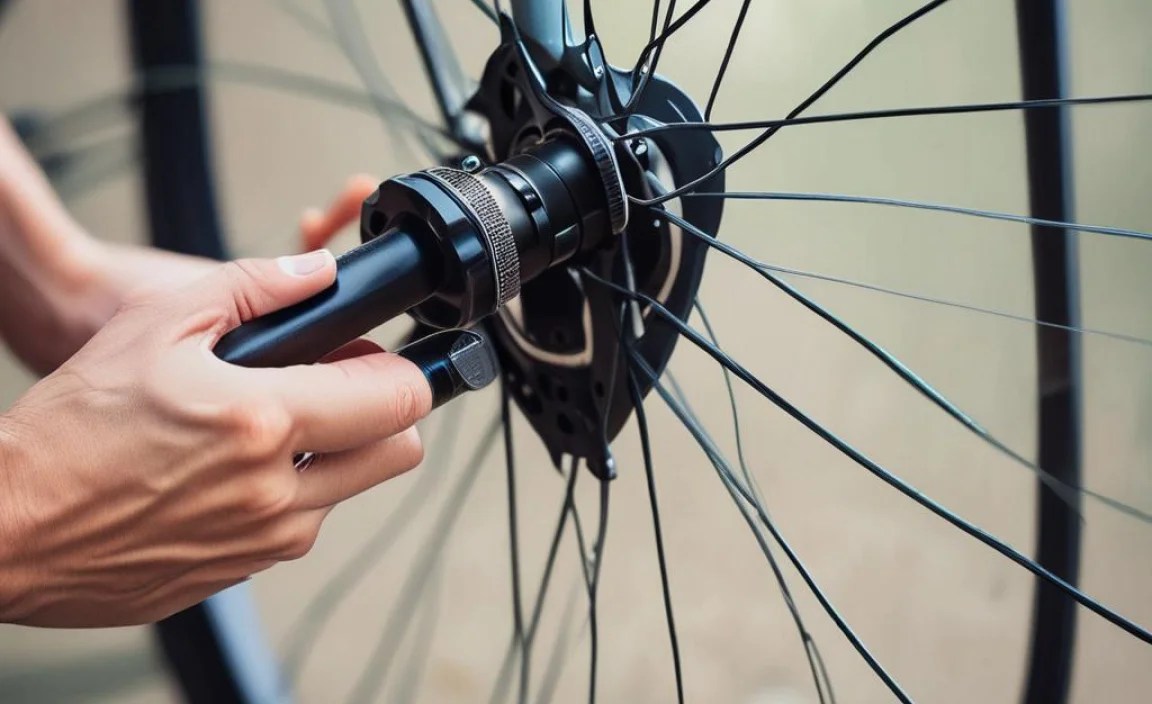
If you’ve tried the above steps and your bike pump chuck is still leaking, here are some more advanced troubleshooting tips.
Check Valve Compatibility
Ensure your pump chuck is compatible with the type of valve stem you’re using (Presta, Schrader, or Dunlop). Using the wrong chuck or an adapter improperly can cause leaks.
Inspect the Check Valve
Some pumps have a check valve that prevents air from flowing back into the pump. If this valve is faulty, it can cause leaks. Consult your pump’s manual for instructions on how to access and inspect the check valve.
Consider Professional Repair or Replacement
If you’re unable to fix the leak yourself, consider taking your pump to a bike shop for professional repair. In some cases, it may be more cost-effective to replace the pump entirely.
Preventative Maintenance for Your Bike Pump

Regular maintenance can prevent leaks and extend the life of your bike pump. Here are some tips:
- Clean Regularly: Wipe down your pump with a clean rag after each use.
- Lubricate Moving Parts: Apply a small amount of bike-specific grease to the piston and other moving parts every few months.
- Store Properly: Store your pump in a clean, dry place to prevent corrosion and damage.
- Replace Worn Parts: Replace O-rings and seals as soon as you notice signs of wear.
Troubleshooting Table for Common Issues
| Problem | Possible Cause | Solution |
|---|---|---|
| Leaking at the chuck-valve interface | Loose connection, dirty valve, or worn chuck | Tighten the connection, clean the valve and chuck, or replace the chuck. |
| Pump feels weak or doesn’t build pressure | Worn piston seal | Replace the piston seal. |
| Hose is cracked or leaking | Physical damage or aging | Replace the hose. |
| Air leaking from the pump body | Loose fittings or damaged internal components | Tighten fittings, inspect internal components, or seek professional repair. |
| Chuck not fitting properly on the valve | Incorrect chuck type or damaged chuck | Use the correct chuck type or replace the chuck. |
Valve Types and Compatibility Table
Understanding valve types and pump head compatibility is important for effective inflation. Here’s a quick overview:
| Valve Type | Description | Pump Head Compatibility |
|---|---|---|
| Presta | Narrower valve with a locking nut. Common on road bikes and high-performance bikes. | Presta-specific or dual-head pumps. Some pumps require switching an internal part to change compatibility. |
| Schrader | Wider valve similar to car tires. Common on mountain bikes, hybrid bikes, and kids’ bikes. | Schrader-specific or dual-head pumps. |
| Dunlop | Also known as Woods valve. Common in some European countries and older bikes. | Dunlop-specific or pumps with a universal adapter. |
Recommended Bike Pump Repair Kits
Having a good repair kit on hand can save you time and money. Here are some recommended bike pump repair kits:
- Lezyne Pump Rebuild Kit: Known for its high-quality components and comprehensive selection of O-rings and seals.
- Topeak Upgrade Kit: Offers a range of replacement parts for Topeak pumps, including pistons, hoses, and chucks.
- Generic Bike Pump Repair Kit: A more affordable option that includes a variety of O-rings and seals to fit most pumps.
FAQ: Common Questions About Bike Pump Chucks
Here are some frequently asked questions about bike pump chucks and their maintenance:
Why does my bike pump keep popping off the valve?
This usually happens because the chuck isn’t fully engaged or the valve stem is damaged. Ensure the chuck is securely attached and inspect the valve stem for any bends or damage.
How often should I replace the O-rings on my bike pump?
It depends on how often you use your pump, but a good rule of thumb is to check them every six months and replace them if you notice any cracks, tears, or flattening.
Can I use car tire inflator on my bike?
You can, but with caution. Car tire inflators typically deliver a high volume of air quickly, which can easily overinflate a bike tire. Use short bursts and monitor the pressure closely.
What type of grease should I use on my bike pump?
Bike-specific grease or silicone grease is best. Avoid using petroleum-based greases, as they can damage rubber seals.
Why does my pump leak when I try to inflate a Presta valve?
Make sure the Presta valve is fully open by unscrewing the nut at the top. Also, ensure your pump chuck is properly set for Presta valves.
How do I know if my bike pump hose needs replacing?
If the hose is cracked, kinked, or leaking, it’s time to replace it. A damaged hose will prevent the pump from building pressure effectively.
Can I fix a bent valve stem?
It’s not recommended to try and straighten a bent valve stem, as this can weaken it further and cause it to break. It’s best to replace the entire inner tube.
Conclusion
Fixing a leaky bike pump chuck is a manageable task that can save you money and frustration. By following these steps, you can diagnose the problem, replace worn parts, and keep your pump in top condition. Regular maintenance and prompt repairs will ensure your pump is always ready to keep your tires properly inflated, so you can enjoy smooth and safe rides. So, grab your tools, get your hands a little greasy, and breathe new life into your trusty bike pump. Happy cycling!


