
How to Force Defrost Cycle on Heat Pump: A Simple Guide

Quick Summary: To force a defrost cycle on your heat pump, first locate the test pins or button on the control board inside the outdoor unit. Consult your heat pump’s manual for the exact location. Short the test pins with a screwdriver or press the defrost button. The heat pump should then enter defrost mode. Remember to consult the heat pump’s manual for specific instructions and safety precautions.
Is your heat pump struggling to keep your home warm during those chilly months? One common issue is ice buildup on the outdoor unit. This ice can prevent the heat pump from efficiently drawing heat from the outside air. Luckily, most heat pumps have a defrost cycle to melt this ice away. Sometimes, however, the automatic defrost cycle might not kick in when needed. That’s when you might need to manually force a defrost cycle. Don’t worry; it’s simpler than you think! This guide will walk you through the process step-by-step, so you can get your heat pump back to peak performance in no time. Let’s get started!
Why Your Heat Pump Needs Defrosting

Heat pumps are designed to work efficiently in cold weather, but they can run into trouble when ice forms on the outdoor coil. Here’s why defrosting is crucial:
- Reduced Efficiency: Ice acts as an insulator, preventing the coil from absorbing heat from the outside air.
- Increased Energy Consumption: The heat pump has to work harder to compensate for the ice, leading to higher energy bills.
- Potential Damage: Excessive ice buildup can damage the coil and other components.
The good news is that most heat pumps have an automatic defrost cycle that activates when ice is detected. However, sometimes this cycle doesn’t work as expected, and you need to manually intervene. Here’s how you can do it.
Safety First! Important Precautions
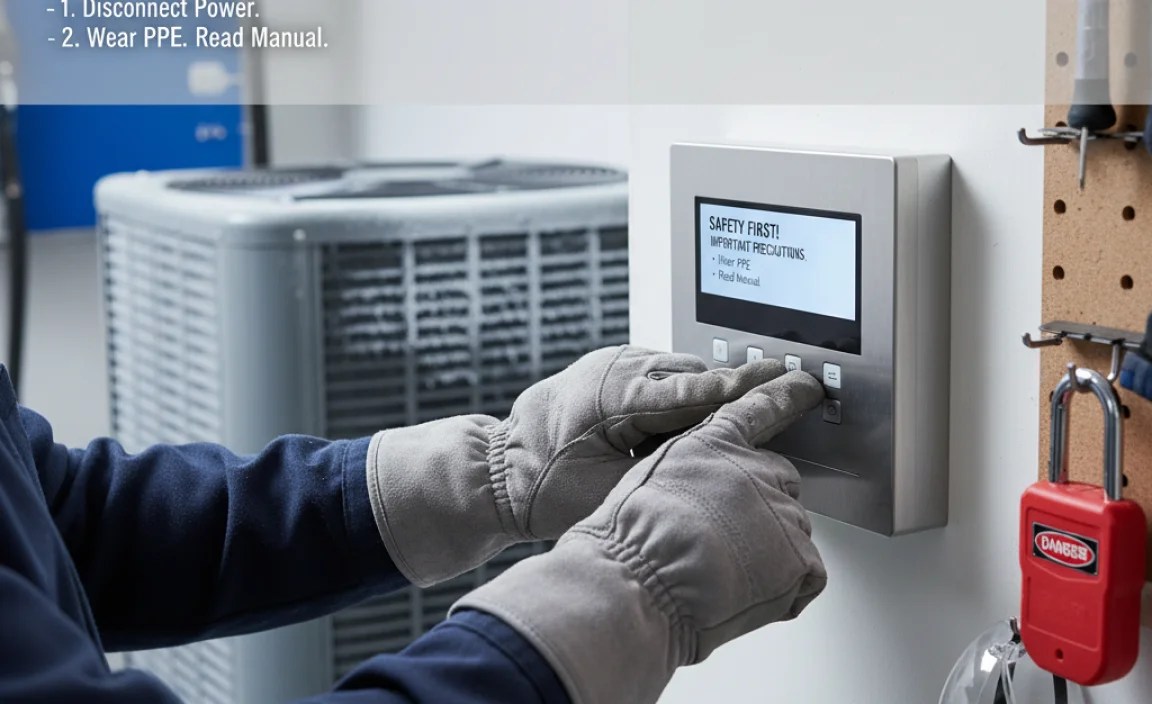
Before you start fiddling with your heat pump, it’s essential to prioritize safety. Here are some key precautions to keep in mind:
- Turn Off the Power: Before opening up your heat pump, switch off the power at the breaker. This will prevent electrical shock.
- Read the Manual: Consult your heat pump’s manual for specific instructions and warnings related to defrosting.
- Wear Gloves: Protect your hands from sharp edges and cold surfaces.
- Use the Right Tools: Use insulated tools to prevent electrical hazards.
- Don’t Force Anything: If something doesn’t seem right, don’t force it. Call a qualified HVAC technician.
Tools You’ll Need
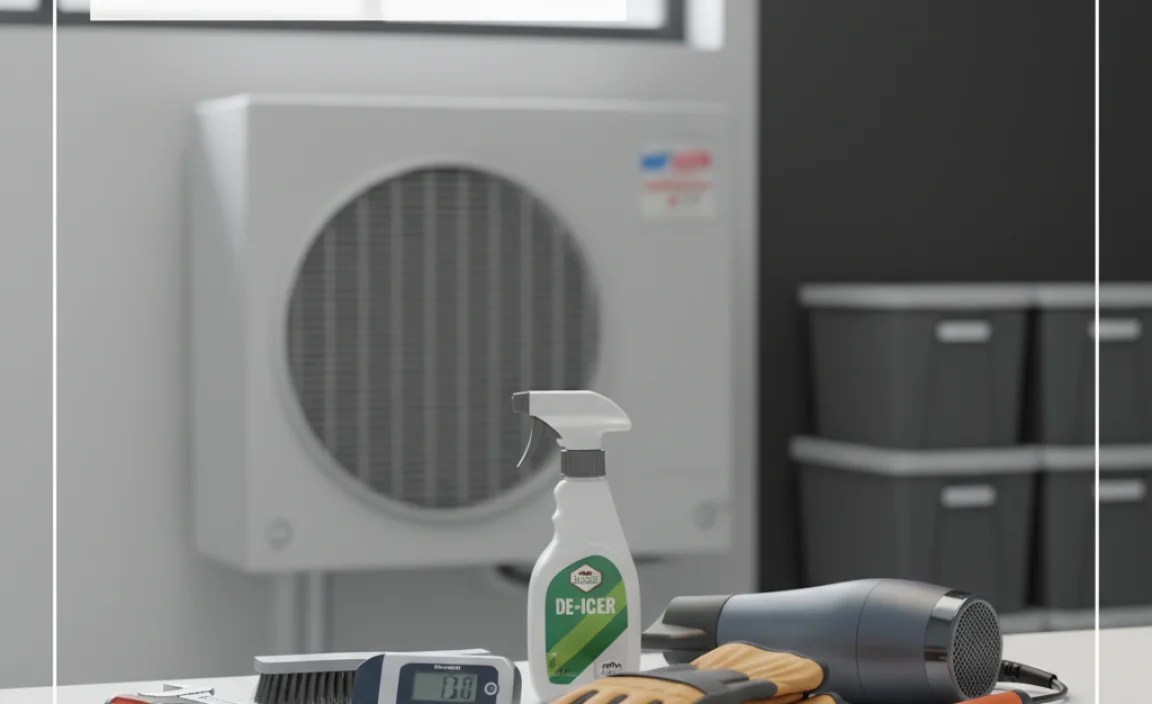
Before you begin, gather these essential tools:
- Screwdriver: You’ll need a screwdriver to open the access panel on the outdoor unit.
- Insulated Screwdriver or Jumper Wire: This is used to short the test pins on the control board (if applicable).
- Heat Pump Manual: Your heat pump’s manual is your best friend. It contains specific instructions and diagrams for your model.
- Gloves: To protect your hands.
- Flashlight: For better visibility inside the unit.
Step-by-Step Guide: Forcing a Defrost Cycle
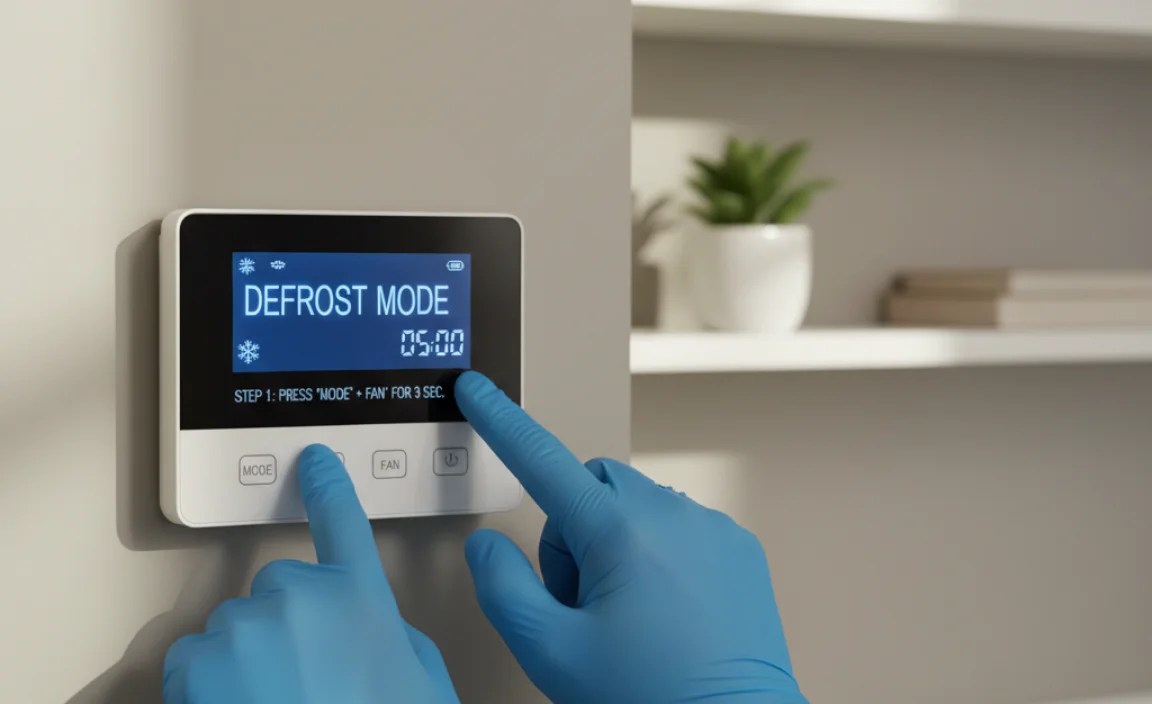
Now that you’re prepared, let’s dive into the step-by-step process of forcing a defrost cycle on your heat pump.
Step 1: Turn Off the Power
Locate the breaker that controls your heat pump and switch it off. This is a critical safety step to prevent electrical shock.
Step 2: Locate the Outdoor Unit’s Control Panel
Head outside to your heat pump’s outdoor unit. You’ll need to find the control panel, which is usually behind an access panel. Use your screwdriver to remove the screws holding the panel in place.
Step 3: Identify the Defrost Control Board
Once you’ve opened the access panel, you’ll see the control board. This is where the brains of the heat pump are located. Look for a small circuit board with various components, including test pins or a defrost button.
Step 4: Find the Defrost Test Pins or Button
This is where your heat pump’s manual comes in handy. It will show you the exact location of the defrost test pins or button on the control board. Here are the two common methods:
Method 1: Shorting Test Pins
Some heat pumps have two test pins labeled “Test” or “Defrost Test.” To initiate the defrost cycle, you’ll need to short these pins together. Here’s how:
- Using an insulated screwdriver or a jumper wire, carefully touch both test pins simultaneously.
- Hold the connection for a few seconds.
- Release the connection.
Method 2: Pressing the Defrost Button
Other heat pumps have a dedicated defrost button on the control board. To initiate the defrost cycle, simply press and release the button.
Step 5: Observe the Heat Pump
After shorting the test pins or pressing the defrost button, the heat pump should enter defrost mode. You’ll likely hear the unit change sounds, and you might see steam rising from the coil as the ice melts. The fan may also stop running during the defrost cycle.
Step 6: Let the Defrost Cycle Complete
Allow the defrost cycle to run its course. This usually takes between 5 and 15 minutes. Once the ice is melted, the heat pump will automatically switch back to heating mode.
Step 7: Restore Power and Monitor
After the defrost cycle is complete, switch the power back on at the breaker. Monitor the heat pump to ensure it’s working correctly. Check that the unit is heating your home and that ice isn’t building up excessively on the coil.
Step 8: Replace the Access Panel
Once you’re satisfied that the heat pump is working correctly, replace the access panel and secure it with the screws you removed earlier.
Troubleshooting Tips
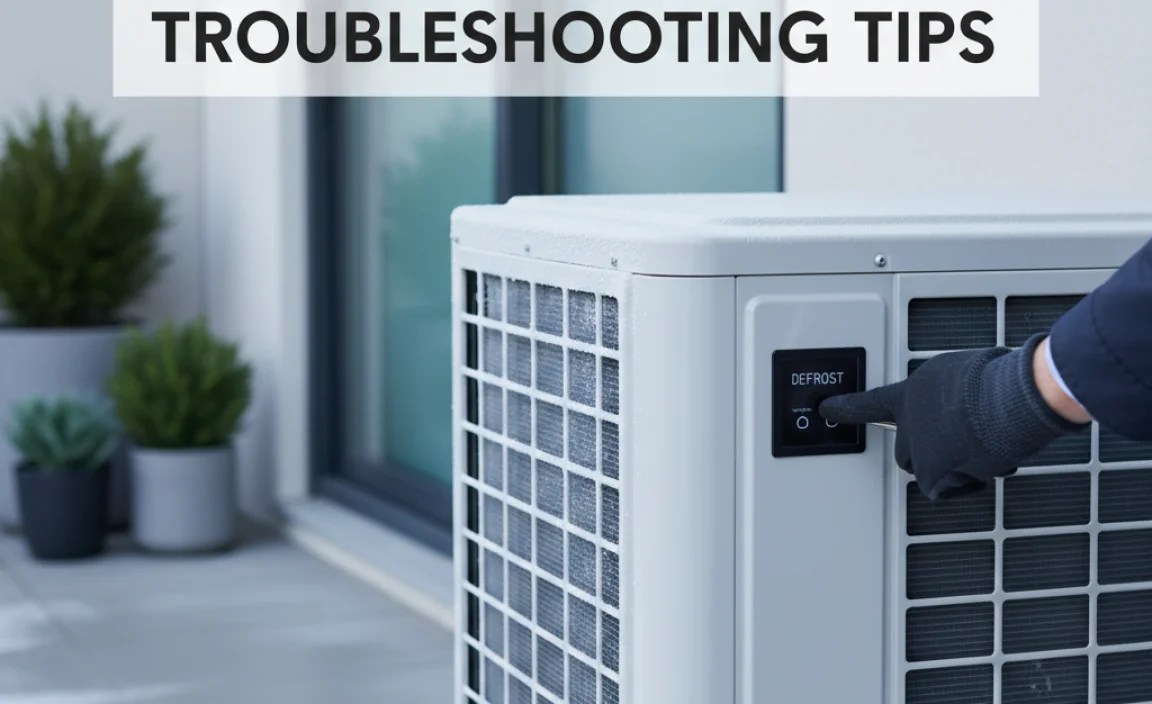
If you’re having trouble forcing a defrost cycle, here are some troubleshooting tips:
- Double-Check the Manual: Make sure you’re following the correct procedure for your specific heat pump model.
- Inspect the Control Board: Look for any signs of damage or corrosion on the control board.
- Test the Defrost Sensor: The defrost sensor tells the heat pump when to initiate a defrost cycle. If it’s faulty, the cycle might not activate automatically. You can test the sensor with a multimeter.
- Check the Refrigerant Level: Low refrigerant can cause excessive ice buildup.
- Consult a Professional: If you’re still having problems, it’s best to call a qualified HVAC technician.
When to Call a Professional
While forcing a defrost cycle is a relatively simple task, there are times when it’s best to call a professional. Here are some situations where you should seek expert help:
- You’re Not Comfortable Working with Electricity: If you’re not confident in your ability to safely work with electrical components, it’s best to leave it to the pros.
- You Suspect a More Serious Problem: If your heat pump is constantly icing up, there might be an underlying issue that needs to be addressed, such as a refrigerant leak or a faulty defrost sensor.
- You’ve Tried Everything and It’s Still Not Working: If you’ve followed all the steps and your heat pump still won’t defrost, it’s time to call in the experts.
Understanding Defrost Cycle Settings
Heat pumps use different methods to determine when to initiate a defrost cycle. Here’s a brief overview of the common methods:
- Time-Based Defrost: Some heat pumps initiate a defrost cycle at predetermined intervals, regardless of whether ice is present.
- Temperature-Based Defrost: These heat pumps use a temperature sensor on the outdoor coil to detect ice buildup. When the temperature drops below a certain threshold, the defrost cycle is activated.
- Demand Defrost: This is the most efficient method. Demand defrost systems use a combination of temperature and pressure sensors to determine when a defrost cycle is truly needed.
Heat Pump Defrost Cycle Problems and Solutions
Here’s a table summarizing common problems you might face with your heat pump’s defrost cycle and potential solutions:
| Problem | Possible Cause | Solution |
|---|---|---|
| Heat pump not defrosting | Faulty defrost sensor | Replace the defrost sensor |
| Frequent defrost cycles | Low refrigerant level | Call a technician to check and recharge the refrigerant |
| Defrost cycle too short | Incorrect defrost timer setting | Adjust the defrost timer setting (consult manual) |
| Defrost cycle too long | Faulty defrost control board | Replace the defrost control board |
| Ice buildup even after defrosting | Poor airflow around the outdoor unit | Clear any obstructions around the unit |
Tips for Preventing Ice Buildup
While defrost cycles are necessary, you can take steps to minimize ice buildup on your heat pump and reduce the frequency of defrosting:
- Keep the Area Around the Unit Clear: Remove any leaves, snow, or other debris that could block airflow around the outdoor unit.
- Trim Overhanging Branches: Branches can drip water onto the unit, which can then freeze.
- Ensure Proper Drainage: Make sure the area around the unit is properly graded to allow water to drain away.
- Consider a Heat Pump Cover: In areas with heavy snowfall, a heat pump cover can help prevent snow from accumulating on the unit.
Heat Pump Maintenance Checklist
Regular maintenance is crucial for keeping your heat pump running efficiently and preventing problems. Here’s a simple checklist:
- Clean the Outdoor Coil: At least once a year, clean the outdoor coil with a garden hose to remove dirt and debris.
- Change the Air Filter: Replace the air filter in your indoor unit every 1-3 months, depending on usage.
- Inspect the Fan: Check the fan blades for damage and ensure they are spinning freely.
- Check the Refrigerant Lines: Look for any signs of leaks or damage to the refrigerant lines.
- Schedule Professional Maintenance: Have your heat pump professionally inspected and tuned up at least once a year.
FAQ: Forcing a Defrost Cycle on Heat Pump
Here are some frequently asked questions about forcing a defrost cycle on your heat pump:
Q: How often should my heat pump go into defrost mode?
A: The frequency depends on the weather conditions. In cold, humid weather, it might defrost several times a day. In milder conditions, it might only defrost once a day or not at all.
Q: Is it normal to see steam coming from my heat pump during defrost?
A: Yes, that’s perfectly normal. The steam is simply the ice melting and evaporating.
Q: Can I damage my heat pump by forcing a defrost cycle too often?
A: Forcing a defrost cycle occasionally shouldn’t cause any damage. However, if you’re doing it frequently, it could indicate an underlying problem that needs to be addressed.
Q: What does it mean if my heat pump is constantly going into defrost mode?
A: This could indicate a problem with the defrost sensor, low refrigerant, or poor airflow. It’s best to have a technician inspect the unit.
Q: My heat pump makes a loud noise during the defrost cycle. Is this normal?
A: Some noise is normal, but excessive banging or grinding could indicate a problem. Contact a technician if you’re concerned.
Q: Can I use a garden hose to melt the ice on my heat pump?
A: While it might seem like a quick fix, using a garden hose can actually damage the unit. It’s better to let the defrost cycle do its job.
Q: Where can I find the manual for my heat pump?
A: If you don’t have the paper copy, try searching online for the manual using the model number of your heat pump. You can usually find it on the manufacturer’s website.
Conclusion
Forcing a defrost cycle on your heat pump can be a simple solution to ice buildup and ensure your system runs efficiently. By following these steps and taking the necessary precautions, you can keep your home warm and comfortable all winter long. Remember to consult your heat pump’s manual for specific instructions and don’t hesitate to call a professional if you encounter any difficulties. With a little bit of knowledge and effort, you can keep your heat pump in top shape and enjoy reliable heating for years to come!
“`


