Motorcycle Air Shock Pump: Ride Smoother Now!

Quick Summary:
A motorcycle air shock pump lets you fine-tune your ride’s suspension for comfort and performance. To use one, attach the pump to the shock valve, gently inflate to the desired pressure (check your motorcycle’s manual), and detach carefully to avoid air loss. Always use a pump designed for air shocks to prevent damage.
Motorcycle air shocks can make a huge difference in how your bike handles and feels. But getting them just right can be tricky if you don’t have the right tools. Many riders struggle with finding a pump that’s accurate, easy to use, and won’t damage their shocks. It’s frustrating to deal with a pump that leaks or doesn’t give you the pressure you need.
Don’t worry, getting your air shocks dialed in is easier than you think. This guide will walk you through everything you need to know about using a motorcycle air shock pump. We’ll cover the right type of pump, how to attach it, and how to adjust your shocks for the best possible ride. Get ready to take control of your suspension!
What is a Motorcycle Air Shock Pump?

A motorcycle air shock pump is a specialized hand pump designed to precisely adjust the air pressure in your motorcycle’s air shocks. Unlike regular tire pumps, these pumps have a small barrel and a gauge that reads in very small increments, usually 1 or 2 PSI. This precision is crucial because even small changes in air pressure can significantly affect the ride quality and handling of your motorcycle. They also feature a “no-loss” chuck that minimizes air loss when disconnecting the pump.
Why You Need a Dedicated Air Shock Pump
You might be thinking, “Can’t I just use a regular tire pump?” The short answer is no. Here’s why:
- Precision: Standard tire pumps aren’t accurate enough for the low-pressure adjustments needed for air shocks.
- Over-inflation Risk: Using a high-volume pump can easily over-inflate and damage your shocks.
- Valve Damage: Regular pumps may not have the correct fitting and could damage the delicate valves on your air shocks.
Choosing the Right Motorcycle Air Shock Pump

With so many options on the market, picking the right pump can feel overwhelming. Here’s what to look for:
- Pressure Range: Make sure the pump’s pressure range matches the specifications for your motorcycle’s air shocks. Check your owner’s manual.
- Gauge Accuracy: A precise gauge is essential. Digital gauges are often more accurate than analog ones.
- “No-Loss” Chuck: This feature prevents air from escaping when you disconnect the pump, ensuring accurate pressure readings.
- Build Quality: Look for a pump made from durable materials that can withstand regular use.
- hose Length and Flexibility: A longer, flexible hose makes it easier to reach the shock valves, especially in tight spaces.
Recommended Motorcycle Air Shock Pumps
Here are a few pumps that consistently receive high ratings from motorcycle riders and mechanics:
- Pro Suspension Air Pump: Known for its accuracy and durable construction.
- Accu-Gage Motorcycle Air Shock Pump: Features a precise digital gauge and a no-loss chuck.
- SKS Suspension Air Pump: A compact and reliable option for on-the-go adjustments.
Tools You’ll Need
Before you start adjusting your air shocks, gather these tools:
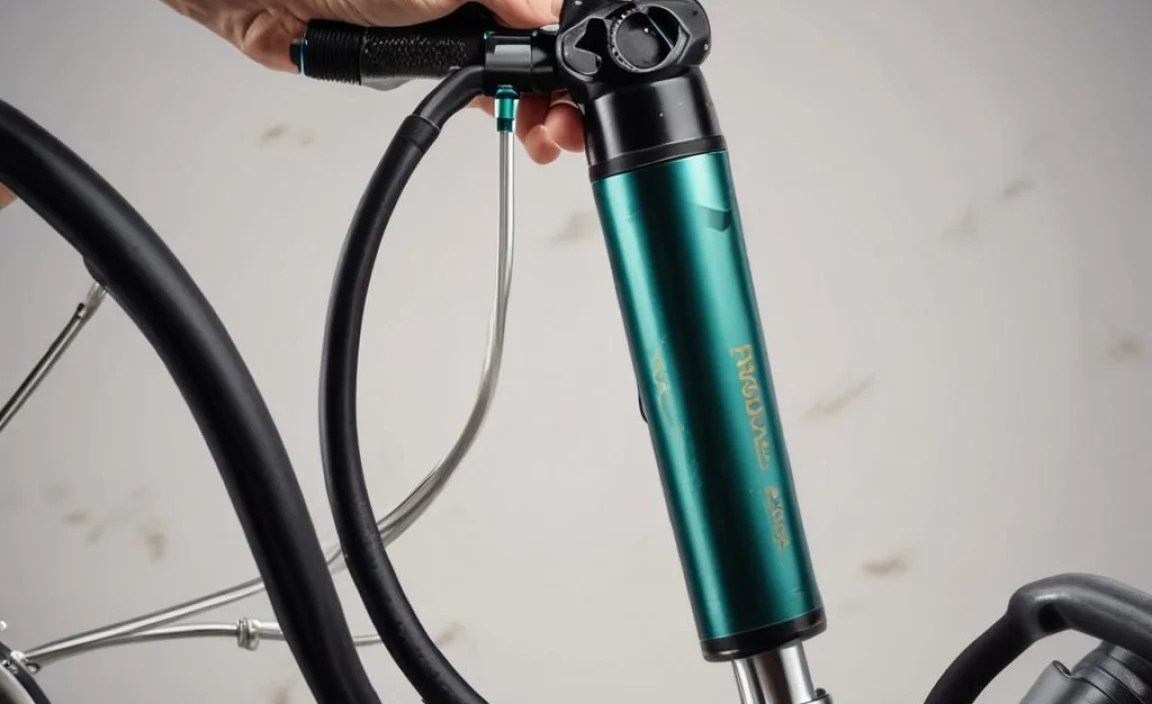
- Motorcycle Air Shock Pump: The right pump is the most important tool.
- Motorcycle Owner’s Manual: This contains the recommended air pressure for your shocks.
- Rag or Shop Towel: To clean the valve and pump chuck.
- Optional: Notepad and pen to record your adjustments.
Step-by-Step Guide: Using a Motorcycle Air Shock Pump

Now, let’s get to the actual process of using the pump:
- Prepare Your Motorcycle: Park your motorcycle on a level surface and let it cool down.
- Locate the Air Shock Valves: These are usually located on the top of the shocks. Consult your owner’s manual if you’re unsure.
- Clean the Valves: Use a rag to wipe any dirt or debris from around the valves. This helps ensure a good seal.
- Attach the Pump: Carefully thread the pump chuck onto the valve. Make sure it’s snug but not overtightened.
- Inflate Slowly: Gently pump air into the shocks, monitoring the pressure gauge. Add air in small increments (1-2 PSI at a time).
- Check the Pressure: Compare the pressure reading to the recommended pressure in your owner’s manual.
- Fine-Tune the Pressure: Add or release air as needed to reach the desired pressure.
- Detach the Pump: Use the “no-loss” chuck feature (if equipped) to minimize air loss when disconnecting the pump.
- Recheck the Pressure: After detaching the pump, quickly recheck the pressure to ensure it’s still correct.
- Repeat for the Other Shock: If your motorcycle has two air shocks, repeat the process for the other side.
Tips for Accurate Air Shock Adjustment

Here are some tips to help you get the most accurate and consistent results:
- Use a Consistent Pumping Speed: Pumping too fast or too slow can affect the pressure reading.
- Check the Gauge Regularly: Make sure the gauge is properly calibrated and functioning correctly.
- Make Small Adjustments: Small changes in air pressure can have a big impact on ride quality.
- Record Your Settings: Keep a record of your air pressure settings for different riding conditions.
- Check for Leaks: After adjusting the air pressure, check the valves for any leaks.
Understanding Air Pressure and Ride Quality
The air pressure in your shocks directly affects your motorcycle’s ride quality and handling. Here’s a basic overview:
- Higher Pressure: Provides a firmer ride, reduces bottoming out, and improves handling, especially when carrying heavy loads or riding aggressively.
- Lower Pressure: Offers a softer, more comfortable ride, but can increase the risk of bottoming out and reduce handling precision.
The ideal air pressure depends on your weight, riding style, and the type of terrain you’re riding on. Experiment to find the settings that work best for you.
Troubleshooting Common Issues
Even with the right tools and techniques, you might encounter some issues. Here are a few common problems and how to solve them:
| Issue | Possible Cause | Solution |
|---|---|---|
| Air Leaks from Valve | Dirty valve, damaged valve core | Clean the valve, replace the valve core |
| Pump Won’t Attach | Incorrect chuck size, damaged threads | Use the correct chuck, clean or repair the threads |
| Gauge is Inaccurate | Faulty gauge, low battery (digital gauges) | Replace the gauge, replace the battery |
| Shocks Bottom Out | Too little air pressure, damaged shocks | Increase air pressure, inspect shocks for damage |
Maintaining Your Motorcycle Air Shock Pump
To keep your pump working properly, follow these maintenance tips:
- Clean the Chuck: Regularly clean the pump chuck to remove dirt and debris.
- Check the Hose: Inspect the hose for cracks or leaks. Replace it if necessary.
- Store Properly: Store the pump in a clean, dry place to prevent corrosion.
- Replace the Seals: Over time, the seals in the pump can wear out. Replace them as needed.
Air Shock Pressure Table Example
This is just an example; always refer to your motorcycle’s manual for the most accurate data.
| Riding Condition | Suggested Front Shock Pressure (PSI) | Suggested Rear Shock Pressure (PSI) |
|---|---|---|
| Solo Rider, Light Load | 10-15 | 20-25 |
| Solo Rider, Heavy Load | 15-20 | 25-30 |
| Two Riders, Light Load | 20-25 | 30-35 |
| Two Riders, Heavy Load | 25-30 | 35-40 |
When to Consult a Professional
While adjusting air shocks is a task many riders can handle themselves, there are times when it’s best to consult a professional mechanic:
- You’re Unsure: If you’re not comfortable working on your motorcycle, don’t hesitate to seek help.
- Shocks are Damaged: If you suspect your shocks are damaged, have them inspected by a professional.
- You Can’t Achieve the Desired Pressure: If you’re unable to reach the recommended air pressure, there may be a problem with the shocks or the pump.
- Handling Issues Persist: If you’ve adjusted the air pressure but are still experiencing handling problems, a mechanic can diagnose the underlying issue.
Taking your motorcycle to a trusted mechanic can save you time, money, and potential headaches in the long run. They can diagnose issues, provide expert advice, and ensure your suspension is properly set up for optimal performance and safety.
FAQ About Motorcycle Air Shock Pumps
What is the ideal air pressure for my motorcycle’s air shocks?
The ideal air pressure varies depending on your motorcycle model, your weight, and riding conditions. Always consult your motorcycle’s owner’s manual for the manufacturer’s recommendations.
Can I use a bicycle pump to inflate my motorcycle air shocks?
No, bicycle pumps are not suitable for motorcycle air shocks. They lack the precision and low-pressure capabilities needed for accurate adjustments and could damage the shocks.
How often should I check and adjust the air pressure in my shocks?
Check the air pressure in your shocks before each ride, especially if you frequently carry different loads or ride in varying conditions. Adjust as needed to maintain optimal ride quality and handling.
What does a “no-loss” chuck do?
A “no-loss” chuck is a feature on some air shock pumps that minimizes air loss when you disconnect the pump from the shock valve. This helps ensure accurate pressure readings and prevents you from having to re-inflate the shocks after each adjustment.
Is it normal for air to leak when I disconnect the pump?
A small amount of air leakage is normal when disconnecting the pump, especially if it doesn’t have a “no-loss” chuck. However, excessive leakage could indicate a problem with the valve or the pump chuck.
How do I know if my air shocks are damaged?
Signs of damaged air shocks include leaks, bottoming out, a bouncy or unstable ride, and visible damage to the shock body. If you notice any of these symptoms, have your shocks inspected by a professional mechanic.
Can I adjust the air pressure while I’m riding?
No, never adjust the air pressure in your shocks while riding. Always stop your motorcycle on a level surface and allow the shocks to cool down before making any adjustments.
Conclusion
Adjusting your motorcycle’s air shocks with a dedicated air shock pump is a simple but effective way to improve your bike’s handling and comfort. By choosing the right pump, following these steps, and understanding how air pressure affects ride quality, you can fine-tune your suspension for optimal performance. Remember to consult your owner’s manual, make small adjustments, and don’t hesitate to seek professional help if needed. With a little practice, you’ll be able to dial in your air shocks and enjoy a smoother, more controlled ride.