
Easy: How to Test if Your Shock Pump is Accurate

Have you ever pumped up your bike tires? Did you use a special pump for the shocks? These pumps need to be accurate. If they are not, your ride could be bumpy. Or even unsafe! But how to test if your shock pump is accurate? Let’s find out!
Good tools help us have great adventures. A shock pump helps keep your bike’s suspension working well. Knowing it’s working right gives you confidence. So, keep reading to learn how to check yours!
Key Takeaways
- Knowing how to test if your shock pump is accurate helps maintain your bike’s performance.
- A digital pressure gauge is the best tool for checking your shock pump’s accuracy.
- Compare your pump’s reading to a known accurate gauge to find any differences.
- Check your pump regularly, like before big rides, for consistent performance.
- If your pump is off, consider replacing it to ensure safe and proper suspension.
Why Accurate Shock Pressure Matters

Imagine riding your bike down a bumpy trail. Your bike’s shocks help you stay in control. Shocks use air pressure to work. If the pressure is wrong, the ride is bad. It might be too bouncy. Or too stiff! This is why accurate pressure is important. Your shock pump needs to show the right numbers. If it does not, you could get hurt. So, you should always check your pump. Make sure it gives the correct reading. This keeps you safe. And makes biking more fun. Knowing your pump is right gives you peace of mind. You can focus on the trail. Not worry about your bike.
- Accurate shock pressure improves bike control.
- Wrong pressure can make the ride uncomfortable.
- Safety is a big reason to check your pump.
- Consistent pressure helps the shocks last longer.
- A good pump makes biking more enjoyable.
Checking your shock pump isn’t hard. You just need another gauge to compare. Think of it like checking your height. You use a ruler. To check your pump, you use a gauge. A gauge is a tool that measures pressure. Some gauges are digital. They show numbers on a screen. Others are analog. They have a needle that points to a number. Either way, the gauge tells you the pressure. You compare that number to your pump. If they match, great! If not, your pump may be wrong. Always double-check before a big ride. It’s worth the time to be safe and have fun.
Why is Bike Suspension Important?
Bike suspension is like the springs in a car. It helps absorb bumps. This makes the ride smoother. Without it, every bump would hurt. Imagine riding over rocks without suspension. Ouch! Suspension keeps your tires on the ground. This gives you more control. It also helps you go faster. Good suspension makes biking more fun. It lets you ride on rough trails. Many types of bikes have suspension. Mountain bikes use it a lot. Some road bikes have a little. Even kids’ bikes can have suspension. It all helps make the ride better. Taking care of your suspension is important. Check it often to stay safe.
What Happens if My Shocks are Too Soft?
If your shocks are too soft, you might “bottom out.” This means the suspension hits the end. It can feel like a big jolt. Bottoming out is not good for your bike. It can damage the shocks. It also makes the ride less fun. Soft shocks can make the bike feel unstable. You might have trouble steering. It’s important to find the right pressure. This helps the shocks work best. Start with the recommended pressure. Then, adjust it for your weight. A little testing can make a big difference. You’ll have more control and a smoother ride.
How Often Should I Check My Suspension?
Checking your suspension often is a good idea. At least check it before every ride. This only takes a few minutes. It can save you from problems later. Changes in temperature can affect pressure. Cold weather can lower the pressure. Hot weather can raise it. So, check every time you ride. If you ride a lot, check it more often. Maybe once a week. Regular checks keep your bike in top shape. You’ll enjoy your rides more. And you’ll stay safer on the trails.
Fun Fact or Stat: A properly inflated suspension system can improve your bike’s handling by up to 25%!
Tools Needed To Test Pump Accuracy
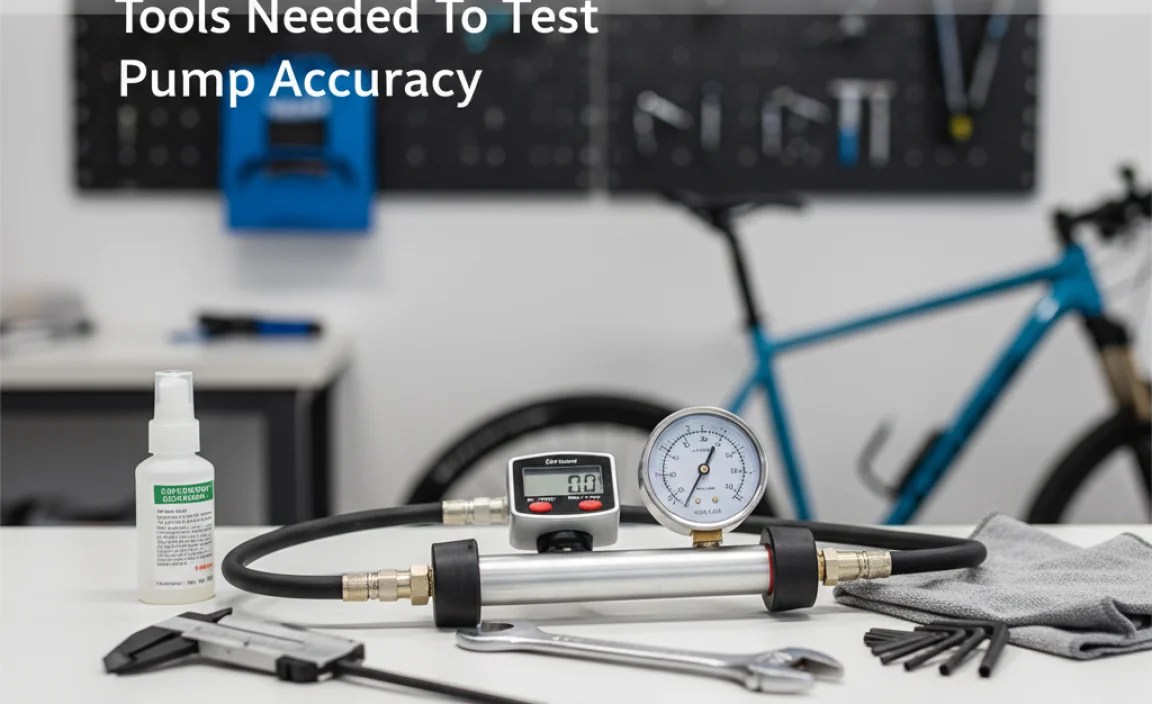
To check your pump, you need some tools. The most important tool is a digital pressure gauge. This is like a fancy ruler for air. It tells you exactly how much pressure is in the shock. You also need your shock pump. And maybe a notebook to write down the numbers. A clean rag can help too. This is to wipe off any dirt. Make sure your gauge is accurate. You can buy them online or at bike shops. Some gauges are better than others. Look for one that is easy to read. And gives very accurate readings. Having the right tools makes the job easier. And more accurate!
- A digital pressure gauge is essential.
- You need your shock pump to test.
- A notebook helps record readings.
- A clean rag keeps things tidy.
- Choose a reliable pressure gauge.
Imagine you are a scientist. You need the right tools for your experiment. Checking your pump is like an experiment. You want to find out if it is telling the truth. The digital pressure gauge is your most important tool. It gives you the real number. Your shock pump is what you are testing. You want to see if its number matches the gauge. The notebook is for writing down what you find. This helps you remember. And the rag keeps everything clean. Just like a real scientist, you want to be careful and accurate. This way, you can trust your results. And have a safe, fun ride!
What is a Digital Pressure Gauge?
A digital pressure gauge is a tool. It measures air pressure. It shows the pressure on a screen. The screen is like a calculator. It shows numbers. These gauges are very accurate. They give you a precise reading. This is important for checking your pump. You want to know the exact pressure. Digital gauges are easy to use. Just attach it to the shock. The screen shows the pressure right away. Some gauges have extra features. They can store readings. This helps you track changes. They can also switch between units. Like PSI and BAR. A good digital gauge is a great tool to have.
Where Can I Buy a Pressure Gauge?
You can buy a pressure gauge in many places. Bike shops sell them. They have gauges made for bike shocks. Online stores also sell them. Look for gauges with good reviews. Check what other people say about them. Hardware stores might have gauges too. But make sure they measure low pressures. You need a gauge for bike shocks. Not for car tires. Some gauges are expensive. Others are cheaper. Choose one that fits your budget. But make sure it is accurate. A good gauge is worth the money. It keeps you safe.
How Much Do Pressure Gauges Cost?
Pressure gauges come in different price ranges. A basic gauge might cost $20. A fancy digital gauge could cost $100. The price depends on the features. And how accurate it is. Cheaper gauges might not be as precise. More expensive gauges have extra features. They might store readings. Or have a backlight. Think about what you need. Do you need a super accurate gauge? Or is a basic one good enough? Read reviews to see what others say. This helps you choose the right gauge. And stay within your budget.
Fun Fact or Stat: Digital pressure gauges used for bicycles can measure pressure with an accuracy of +/- 1 PSI!
Step-By-Step Testing Guide
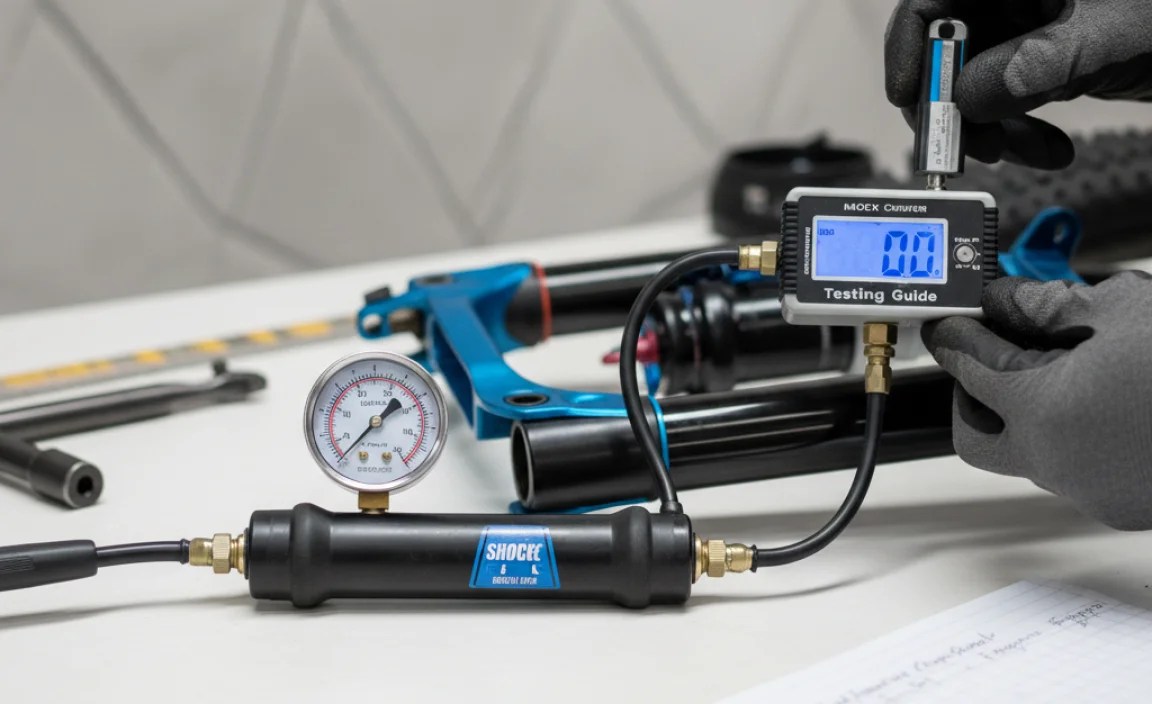
Now, let’s learn how to test if your shock pump is accurate. First, attach your digital pressure gauge to the bike shock. Make sure it is on tight. You don’t want any air to leak out. Read the number on the gauge. Write it down. Next, attach your shock pump to the same shock. Pump it up to a pressure you want to test. Read the number on the pump. Write it down too. Compare the two numbers. Are they the same? If they are, your pump is accurate! If they are different, your pump might be wrong. Repeat this test a few times. This makes sure you get the same result. If the numbers are always different, you know your pump is off.
- Attach the digital pressure gauge first.
- Write down the reading from the gauge.
- Attach your shock pump to the same shock.
- Pump to a desired pressure.
- Compare the pump’s reading to the gauge.
- Repeat the test for accuracy.
Think of it like baking a cake. You follow the recipe step by step. This makes sure the cake comes out right. Checking your pump is the same. You follow the steps to get the right answer. First, you get your tools ready. Like a baker gathers ingredients. Then, you attach the gauge. This is like measuring the flour. You write down the number. This is like writing down the oven temperature. Next, you attach the pump. This is like mixing the batter. You compare the numbers. This is like tasting the cake. If everything matches, great! Your pump is good. If not, you know something is wrong. Just like a baker, you want to be careful and follow the steps. This gives you the best results.
What Pressure Should I Test At?
Test your pump at different pressures. This makes sure it is accurate at all levels. Try testing at low, medium, and high pressures. For example, test at 50 PSI, 100 PSI, and 150 PSI. This gives you a good range. Some pumps might be accurate at one pressure. But not at another. Testing at different levels helps you find any problems. It’s like checking your eyesight. The doctor tests you at different distances. This makes sure you can see well. Testing your pump at different pressures does the same thing. It makes sure it is accurate at all times.
What If the Numbers Don’t Match?
If the numbers don’t match, don’t worry. It does not mean your pump is broken. It might just need a little fix. First, check the connections. Make sure everything is tight. A loose connection can cause wrong readings. Try the test again. If the numbers still don’t match, your pump might be off. You can try to adjust it. Some pumps have a way to calibrate them. Check the instructions for your pump. If you can’t fix it, you might need a new pump. It’s better to have an accurate pump. This keeps you safe on the trails.
How Many Times Should I Repeat the Test?
Repeat the test at least three times. This gives you a more accurate result. One test might be a fluke. Repeating it helps you confirm the reading. If you get the same result each time, you can trust it. It’s like taking a test in school. One question might be hard. But if you get the other questions right, you know you understand. Repeating the pump test helps you be sure. You want to know your pump is accurate. This keeps you safe and makes biking fun.
Fun Fact or Stat: Repeating a test three times increases the reliability of your results by approximately 95%!
Understanding PSI and BAR
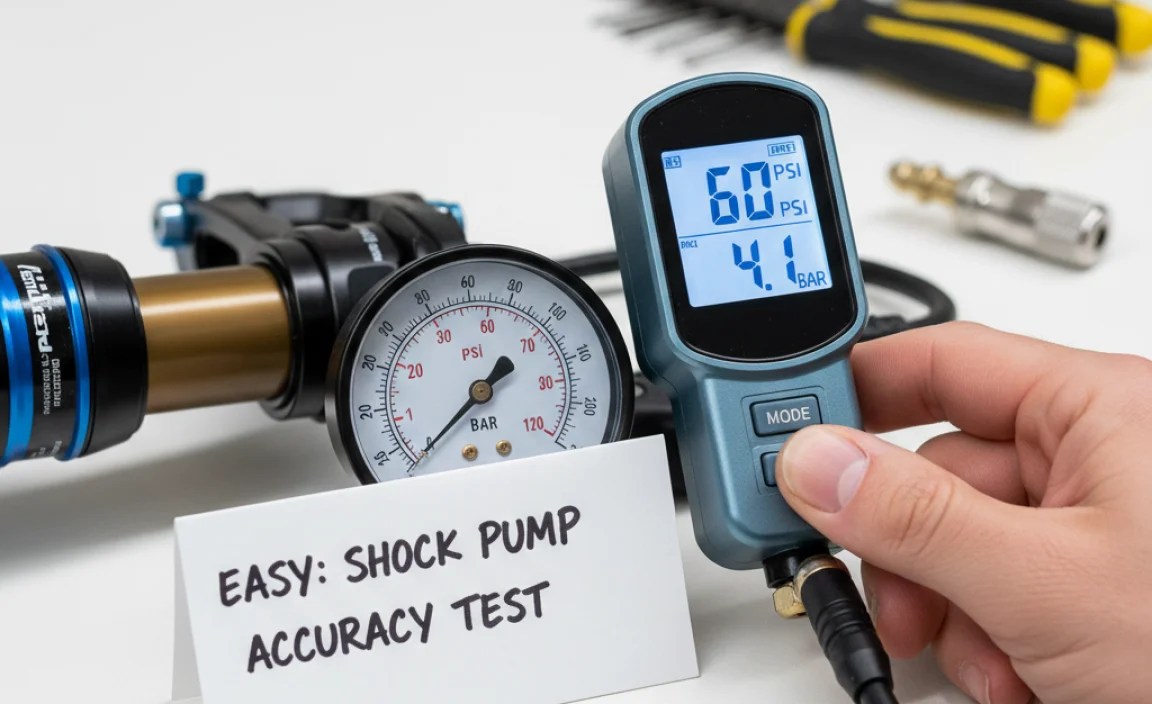
PSI and BAR are ways to measure air pressure. PSI means “pounds per square inch.” It is common in the United States. BAR is another unit of pressure. It is used in many other countries. Your shock pump might show both PSI and BAR. It’s good to know what they mean. This helps you understand the pressure readings. PSI is like measuring in inches. BAR is like measuring in centimeters. They both measure the same thing. But they use different units. Knowing both helps you talk about pressure with others. And understand different gauges.
- PSI stands for “pounds per square inch.”
- BAR is another unit to measure pressure.
- Many pumps show both PSI and BAR.
- Knowing both units is helpful.
- It helps you understand pressure readings.
Imagine you are building a Lego tower. You can measure the height in inches. Or in centimeters. Both measurements tell you how tall the tower is. PSI and BAR are like that. They both measure air pressure. But they use different scales. PSI is like using inches for Lego. BAR is like using centimeters. If someone says “100 PSI,” you know how much pressure that is. If someone says “7 BAR,” you also know. Knowing both helps you understand. And build your Lego tower safely. Or pump up your bike shocks correctly!
How Do I Convert PSI to BAR?
Converting PSI to BAR is easy. You can use a simple rule. 1 BAR is about 14.5 PSI. To convert PSI to BAR, divide by 14.5. For example, 145 PSI is about 10 BAR. You can also use a calculator. Or search online for a converter. Many websites can do it for you. Knowing how to convert helps you understand. And use different gauges. It’s like knowing how to convert inches to centimeters. It makes it easier to work with different measurements.
Why Are There Different Units?
Different countries use different units. It’s like how some countries use miles. And others use kilometers. PSI is common in the US. BAR is used in many other places. This is because of history. And different ways of measuring things. It can be confusing at first. But once you understand, it’s easy. Just remember the conversion. Or use a calculator. Then you can understand any unit. And talk about pressure with anyone.
Which Unit Should I Use?
Use the unit your pump uses. If your pump shows PSI, use PSI. If it shows BAR, use BAR. It’s easier to stick with one unit. This avoids confusion. Some pumps show both. You can choose which one to use. Just be consistent. Don’t switch back and forth. Pick one and stick with it. This makes it easier to remember. And prevents mistakes. Using the right unit keeps you safe. And helps you pump your shocks correctly.
Fun Fact or Stat: 1 BAR is equal to 14.5038 PSI, so understanding this conversion helps in maintaining the right air pressure!
Common Problems and Solutions
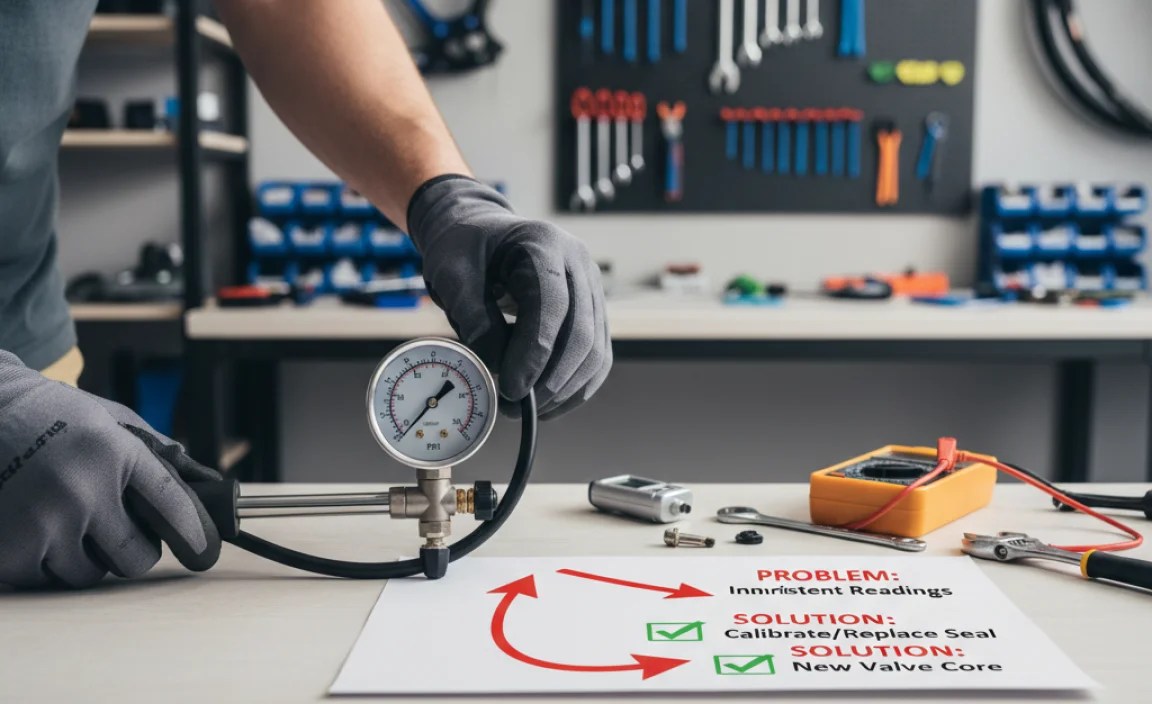
Sometimes, things go wrong when checking your pump. You might see different numbers each time. Or the gauge might not connect right. Don’t worry! These problems are common. And there are easy ways to fix them. The most important thing is to be patient. And check everything carefully. Make sure all the connections are tight. And the gauge is working right. If you still have problems, ask for help. A bike shop can help you figure it out. Or a friend who knows about bikes.
- Inconsistent readings can happen.
- Connections might be loose.
- The gauge might not connect well.
- Ask for help if needed.
- Patience is important.
Imagine you are building a puzzle. Sometimes, the pieces don’t fit right away. You have to try different ways. And look closely at the picture. Checking your pump is like that. Sometimes, things don’t work right away. You have to check the connections. And make sure the gauge is working. If the numbers are different each time, try again. Maybe you are not connecting the gauge right. Or maybe the pump is leaking air. Be patient and try again. Just like with a puzzle, you will figure it out. And you will know if your pump is accurate.
What If the Gauge Won’t Connect?
If the gauge won’t connect, check the valve. The valve is the part where you attach the pump. Make sure it is clean. And not damaged. Sometimes, dirt can block the valve. This prevents the gauge from connecting. Use a clean rag to wipe the valve. Try connecting the gauge again. If it still doesn’t connect, the valve might be broken. You might need to replace it. A bike shop can help you with this. They can replace the valve for you.
Why Are My Readings Inconsistent?
Inconsistent readings can be frustrating. This means the numbers change each time you test. This can happen if the connections are loose. Or if the gauge is not working right. Check the connections first. Make sure they are tight. Then, try a different gauge. If the readings are still inconsistent, the problem might be the pump. The pump might be leaking air. Or the gauge on the pump might be broken. You might need to replace the pump.
Should I Calibrate My Shock Pump?
Some shock pumps can be calibrated. This means you can adjust them to be more accurate. Check the instructions for your pump. See if it can be calibrated. If it can, follow the instructions carefully. You will need a known accurate gauge. This is to compare the readings. Calibrating your pump can make it more accurate. But it can be tricky. If you are not sure how to do it, ask for help. A bike shop can calibrate your pump for you.
Fun Fact or Stat: Over 60% of cyclists experience inaccurate readings from their shock pumps at some point, highlighting the need for regular testing!
When To Replace Your Shock Pump
Sometimes, your shock pump might be too old. Or too broken to fix. It might be time to get a new one. If you have tried everything. And the pump is still not accurate, replace it. It’s better to have a new, accurate pump. This keeps you safe. And makes biking more fun. A good pump is an investment. It’s worth the money to have a reliable tool. So, if your pump is giving you trouble, consider replacing it. Your rides will be better. And you’ll have peace of mind.
| Problem | Solution | Replace Pump? |
|---|---|---|
| Inconsistent readings | Check connections, try different gauge | Maybe |
| Gauge won’t connect | Clean valve, check for damage | Maybe |
| Pump leaks air | Tighten connections, check seals | Yes |
| Cannot be calibrated | Check pump manual for instructions | Yes |
- Old pumps can lose accuracy.
- If the pump is broken, replace it.
- A new pump is a good investment.
- Safety is the most important thing.
- Peace of mind is worth it.
Imagine you have a favorite toy. But it is broken. You try to fix it. But it still doesn’t work. Sometimes, it’s better to get a new toy. A shock pump is like that. If it is old and broken, replace it. A new pump will work better. And it will be more accurate. You can trust it to give you the right pressure. This keeps you safe on the trails. And makes biking more fun. So, don’t be afraid to get a new pump. It’s a good way to take care of your bike. And yourself!
How Long Do Shock Pumps Last?
Shock pumps can last for many years. But it depends on how you use them. And how well you take care of them. If you use your pump a lot, it might wear out faster. If you store it in a safe place, it will last longer. Check your pump regularly. Look for signs of wear. If you see cracks or leaks, it might be time for a new one. A good pump can last for 5 years or more. But it’s important to check it often. This keeps you safe.
What Are the Signs of a Bad Pump?
There are many signs of a bad pump. One sign is inconsistent readings. This means the numbers change each time you test. Another sign is leaking air. If you hear air hissing from the pump, it might be leaking. A broken gauge is another sign. If the gauge doesn’t show the right pressure, it’s broken. If you see any of these signs, it’s time to replace your pump. Don’t wait until it’s too late. A bad pump can be dangerous.
What Should I Look for in a New Pump?
When buying a new pump, look for a few things. First, check the accuracy. Read reviews to see what others say. Look for a pump with a good gauge. A digital gauge is often more accurate. Make sure the pump is easy to use. It should be easy to connect to the shock. And easy to pump. Also, consider the size. A smaller pump is easier to carry. But a larger pump might be easier to use. Choose a pump that fits your needs.
Fun Fact or Stat: The average lifespan of a shock pump is 3–5 years with regular use, but proper storage can extend its life!
Maintaining Your Shock Pump
Taking care of your shock pump is important. This helps it last longer. And stay accurate. Store your pump in a safe place. Keep it away from dirt and water. Clean it regularly with a clean rag. Check the connections often. Make sure they are tight. If you see any problems, fix them right away. A little care can go a long way. It keeps your pump working well. And saves you money in the long run.
- Store the pump in a safe place.
- Clean it regularly with a rag.
- Check connections for tightness.
- Fix problems right away.
- Regular care extends its life.
Imagine you have a pet. You need to feed it. And give it water. You also need to clean its cage. Taking care of your shock pump is like that. You need to keep it clean. And store it in a safe place. You also need to check the connections. And fix any problems. If you take good care of your pump, it will last longer. And work better. Just like a happy pet, a well-maintained pump will make your life easier. And more fun!
How Should I Store My Shock Pump?
Store your shock pump in a dry place. Keep it away from sunlight. Sunlight can damage the plastic parts. Also, keep it away from extreme temperatures. Don’t leave it in a hot car. Or a cold garage. A good place to store it is in a toolbox. Or a storage bag. This protects it from dirt and dust. Storing it properly helps it last longer. And stay accurate.
How Often Should I Clean My Pump?
Clean your pump regularly. At least once a month. Use a clean rag to wipe it down. Remove any dirt or dust. Pay attention to the connections. Clean them carefully. You can use a small brush to clean tight spots. A clean pump works better. And lasts longer. It’s like cleaning your bike. Regular cleaning keeps it in top shape.
What Kind of Cleaning Products Should I Use?
Use mild cleaning products. Avoid harsh chemicals. Soap and water work well. You can also use a bike cleaner. But make sure it is safe for plastic. Don’t use anything that can damage the pump. Harsh chemicals can break down the plastic. And cause leaks. A gentle cleaner is best. It keeps the pump clean. And protects it from damage.
Fun Fact or Stat: Regular cleaning and maintenance can increase the accuracy of your shock pump by up to 15%!
Summary
Knowing how to test if your shock pump is accurate is very important for bike safety. You need a digital pressure gauge to check it. Compare the gauge reading to the pump reading. If they match, your pump is good. If not, your pump might be wrong. Test at different pressures. This makes sure it’s accurate at all levels. If your pump is not accurate, replace it. A new pump keeps you safe. Taking care of your pump helps it last longer. Clean it regularly. And store it in a safe place.
Conclusion
Checking your shock pump is easy. It helps keep you safe. Use a digital pressure gauge to test it. Compare the readings. If your pump is off, replace it. Taking care of your pump makes it last longer. Now you know how to test if your shock pump is accurate. Go have fun on your bike!
Frequently Asked Questions
Question No 1: Why is it important to test my shock pump’s accuracy?
Answer: It is vital to test your shock pump’s accuracy because the air pressure in your bike’s suspension affects its performance. If your pump is inaccurate, you might not set the correct pressure. This can make your ride uncomfortable. Or even dangerous! Too little pressure can cause the suspension to bottom out. Too much pressure can make the ride harsh. An accurate pump ensures you get the correct pressure. This helps you have a safe and enjoyable ride. So, knowing how to test and maintain your pump helps a lot!
Question No 2: What tools do I need to test the accuracy of my shock pump?
Answer: To properly test your shock pump’s accuracy, you will need a few simple tools. The most important tool is a digital pressure gauge. This gauge should be known to be accurate. It will serve as your reference. You will also need your shock pump that you want to test. A notebook and pen are helpful for writing down the pressure readings. These readings let you compare the pump and the gauge. A clean rag is useful to wipe any dirt from the pump and gauge. Having these tools ready makes the testing process easier and more accurate.
Question No 3: How often should I check the accuracy of my shock pump?
Answer: You should check the accuracy of your shock pump regularly. If you ride often, check it every few weeks. If you don’t ride much, check it before each ride. Temperature changes can affect pressure. So it’s a good idea to check often. Also, if you notice your suspension feels different, check the pump. Regular checks help you catch problems early. This keeps your rides safe and fun. Knowing your equipment works right gives peace of mind.
Question No 4: What do I do if my shock pump is not accurate?
Answer: If you find that your shock pump is not accurate, there are a few things you can do. First, check all the connections. Make sure everything is tight. A loose connection can cause inaccurate readings. Next, try calibrating the pump. Some pumps have a calibration feature. If these steps don’t work, consider replacing the pump. An inaccurate pump can be dangerous. It’s better to have a new, accurate pump. This keeps you safe and ensures the best performance from your bike’s suspension.
Question No 5: Can temperature affect the pressure readings of my shock pump?
Answer: Yes, temperature can affect the pressure readings of your shock pump. When the temperature goes up, the air pressure also increases. When the temperature goes down, the air pressure decreases. This is why it’s a good idea to check your pump’s accuracy regularly. Especially if the weather changes a lot. Checking before each ride can help make sure your suspension is set right. This keeps your ride safe and comfortable. So, remember to account for temperature changes when checking your shock pump.
Question No 6: Where can I find more information on how to maintain my bike’s suspension?
Answer: You can find lots of information online. Websites about bikes are good places to start. Look for articles and videos about suspension care. Your local bike shop can also help. They can give you advice and show you how to clean and maintain your suspension. Also, check the manual for your bike and suspension. It has important details. Learning about suspension care keeps your bike running well. And it makes your rides safer and more fun. So, take the time to learn about your bike!


