
How to Make Cycle Water Pump: Easy DIY Guide

Quick Summary: Making a simple cycle water pump involves using your bike’s wheel to power a small pump. You’ll need a small water pump, some tubing, a way to mount the pump to your bike frame, and a roller that touches the tire. As the wheel turns, it drives the pump, moving water. It’s a great DIY project for basic water transfer needs!
Ever wished you could use your bike to pump water? It sounds a bit crazy, but it’s totally doable! Whether you need to move water in your garden, create a simple irrigation system, or just want a cool DIY project, a cycle water pump is a fun and practical solution. It might seem complicated, but don’t worry! We’ll break down each step, so you can build your own water-pumping machine using your trusty bicycle. Get ready to pedal and pump!
Why Build a Cycle Water Pump?
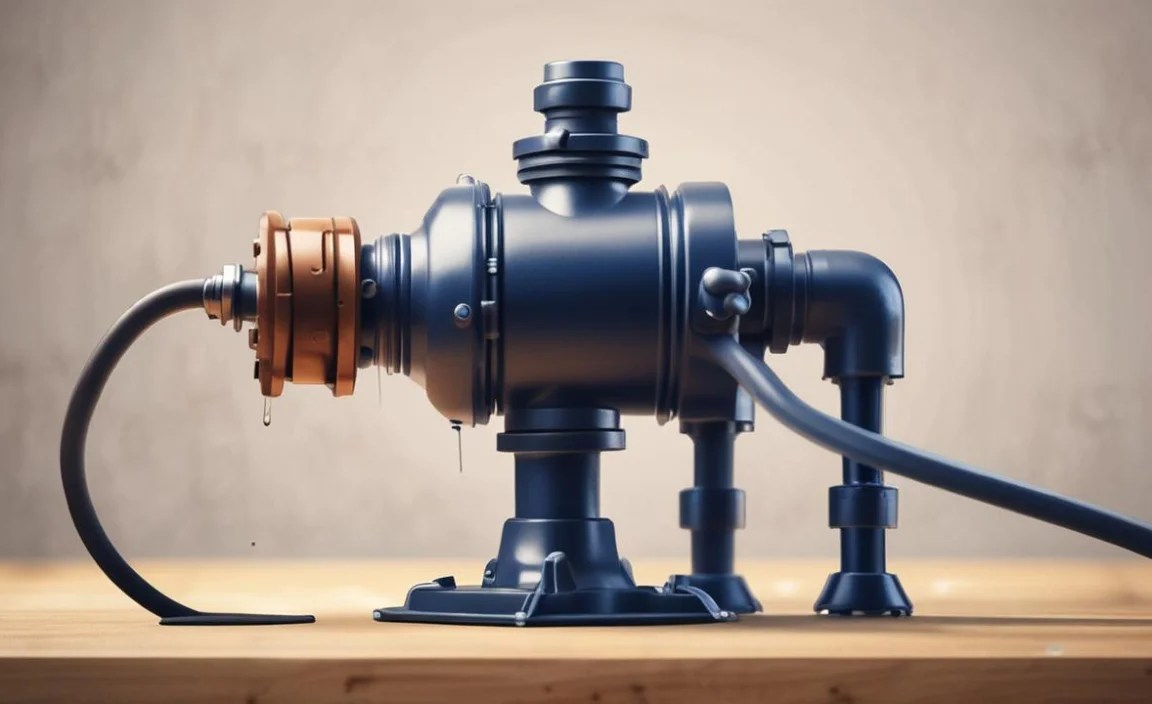
Before we dive into the how-to, let’s look at why you might want to build a cycle water pump. There are several benefits to this project, especially if you enjoy DIY projects or need a simple water solution.
- Eco-Friendly: Uses human power instead of electricity, reducing your carbon footprint.
- Cost-Effective: Utilizes materials you might already have, saving money on expensive pumps.
- Portable: Can be set up anywhere you can take your bike, making it great for remote locations.
- Educational: A fantastic way to learn about mechanics and simple engineering.
- Fun DIY Project: A rewarding project that combines your love for cycling with practical skills.
Materials and Tools You’ll Need
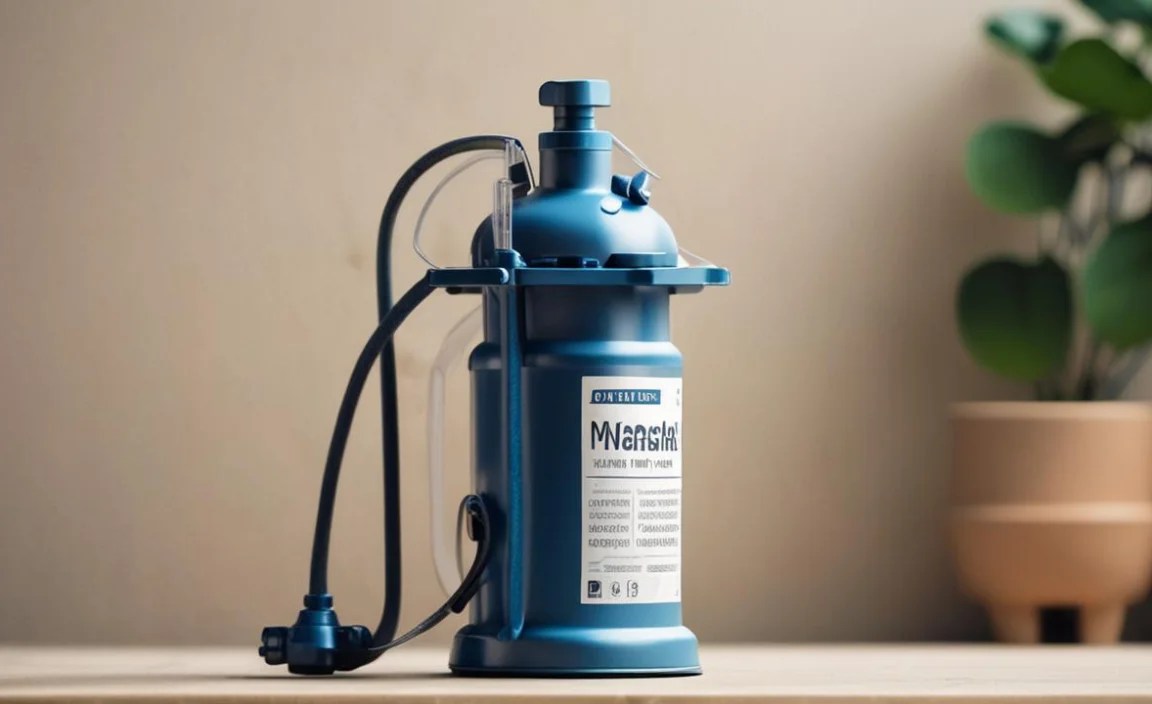
To get started, you’ll need to gather a few essential materials and tools. Here’s a comprehensive list to help you prepare.
- Small Water Pump: A low-volume, self-priming pump is ideal. Diaphragm pumps or small centrifugal pumps work well. Look for one that can be easily mounted and has inlet/outlet ports for tubing.
- Tubing: Flexible tubing that fits the inlet and outlet of your water pump. Ensure it’s durable and suitable for water transfer. Clear PVC tubing is a good option, so you can see the water flow.
- Mounting Bracket: A sturdy bracket to attach the pump to your bike frame. You can use metal or strong plastic. Make sure it can withstand the vibrations and forces from the pump.
- Roller/Drive Wheel: A small wheel or roller that will make contact with the bike tire and drive the pump. This can be a hard rubber wheel or even a small metal pulley.
- Fasteners: Bolts, nuts, screws, and clamps to secure the pump, bracket, and roller. Choose stainless steel or rust-resistant materials for durability.
- Bike Stand (Optional): A bike stand to keep your bike stable during the setup and operation.
Here’s a detailed list of the tools you’ll need:
- Wrench Set: For tightening bolts and nuts.
- Screwdriver Set: Both Phillips head and flathead screwdrivers.
- Drill: With various drill bits for making holes in the bracket and frame (if necessary).
- Metal File: To smooth any rough edges on the bracket.
- Measuring Tape: For accurate measurements during assembly.
- Pliers: For gripping and bending metal or plastic.
- Hacksaw or Metal Cutter: For cutting the bracket to size (if needed).
- Safety Glasses: To protect your eyes during cutting and drilling.
- Gloves: To protect your hands.
Step-by-Step Guide to Building Your Cycle Water Pump

Now, let’s get to the fun part: building your cycle water pump! Follow these steps carefully to ensure a successful project.
Step 1: Prepare the Mounting Bracket
The mounting bracket is crucial for securely attaching the water pump to your bike. Here’s how to prepare it:
- Measure the Pump and Bike Frame: Measure the dimensions of your water pump and the area on your bike frame where you plan to mount it. This will help you determine the size and shape of the bracket.
- Cut the Bracket: Use a hacksaw or metal cutter to cut the bracket to the required size. Ensure the bracket is sturdy enough to support the pump’s weight and handle vibrations. A bracket made of 1/8-inch thick steel is generally sufficient.
- Drill Mounting Holes: Drill holes in the bracket that align with the mounting points on your water pump and the bike frame. Use a drill bit that matches the size of your bolts. Deburr the holes with a file to remove sharp edges.
- Test Fit: Before final assembly, test fit the bracket on both the pump and the bike frame to ensure the holes align correctly and the bracket sits securely.
Step 2: Attach the Pump to the Bracket
With the bracket prepared, it’s time to attach the water pump securely.
- Align the Pump: Align the mounting holes on the pump with the corresponding holes on the bracket.
- Secure with Fasteners: Use bolts, nuts, and washers to securely attach the pump to the bracket. Tighten the fasteners with a wrench, but avoid over-tightening, which could damage the pump housing.
- Check Stability: Ensure the pump is firmly attached to the bracket and doesn’t wobble. If necessary, add additional support or padding to stabilize the pump.
Step 3: Mount the Bracket to Your Bike
Now, attach the bracket (with the pump) to your bike frame. This step requires careful consideration to ensure the pump is properly positioned.
- Choose a Mounting Location: Select a spot on your bike frame where the pump won’t interfere with pedaling, steering, or braking. The seat stays or down tube are often good options. Ensure the location is easily accessible and provides a stable mounting surface.
- Align the Bracket: Align the mounting holes on the bracket with the corresponding points on your bike frame. You may need to use clamps or straps to temporarily hold the bracket in place while you align it.
- Secure with Fasteners: Use bolts, nuts, and washers (or hose clamps) to securely attach the bracket to the bike frame. Tighten the fasteners with a wrench, ensuring the bracket is firmly attached. For carbon fiber frames, be extra careful not to over-tighten, as this can damage the frame.
- Check Clearance: Ensure there is enough clearance between the pump and other bike components, such as the pedals, chain, and wheels. Rotate the pedals and steer the bike to check for any interference.
Step 4: Install the Roller/Drive Wheel
The roller or drive wheel is what transfers the motion from your bike’s tire to the pump. Here’s how to install it:
- Mount the Roller: Attach the roller to the pump or bracket in a way that it makes contact with the bike tire. The roller should press firmly against the tire so that it rotates when the tire turns. You might need to fabricate a small arm or extension to position the roller correctly.
- Adjust Tension: Adjust the tension of the roller against the tire. Too little tension and the roller will slip; too much tension and it will create excessive friction, making it harder to pedal. Experiment to find the optimal balance.
- Secure the Setup: Ensure all components are securely fastened to prevent movement or slippage during operation. Use lock nuts or thread locker to keep the fasteners from loosening over time.
Step 5: Connect the Tubing
Now, connect the tubing to the water pump to create the inlet and outlet for the water flow.
- Measure and Cut Tubing: Measure the required lengths of tubing to connect the water source to the pump inlet and the pump outlet to the desired destination. Cut the tubing to size using a sharp utility knife or tubing cutter.
- Attach Tubing to Pump: Push the tubing onto the inlet and outlet ports of the water pump. Secure the tubing with hose clamps to prevent leaks. Ensure the tubing is fully seated on the ports.
- Secure Tubing Ends: Place the inlet tubing into your water source (e.g., a bucket or stream) and position the outlet tubing where you want the water to be pumped. Ensure the tubing ends are secured to prevent them from moving during operation. You can use weights or clamps to hold the tubing in place.
Step 6: Test Your Cycle Water Pump
Finally, it’s time to test your cycle water pump. Follow these steps to ensure everything is working correctly.
- Set Up the Bike: Place your bike on a bike stand or lean it against a stable surface. Ensure the bike is secure and won’t move during operation.
- Start Pedaling: Begin pedaling at a steady pace. The roller should turn the pump, drawing water through the inlet tubing and out through the outlet tubing.
- Check for Leaks: Inspect all connections for leaks. If you find any leaks, tighten the hose clamps or re-secure the tubing. Ensure the pump is functioning smoothly and there are no unusual noises or vibrations.
- Adjust as Needed: If the water flow is not as expected, adjust the tension of the roller against the tire or increase your pedaling speed. Experiment to find the optimal settings for your pump and setup.
Tips and Tricks for a Successful Cycle Water Pump

To ensure your cycle water pump works efficiently and lasts long, here are some additional tips and tricks:
- Choose the Right Pump: Select a pump that is specifically designed for low-volume water transfer. Diaphragm pumps are a good choice because they are self-priming and can handle small debris.
- Use Quality Tubing: Invest in high-quality, flexible tubing that won’t kink or crack easily. Clear PVC tubing allows you to see the water flow and identify any blockages.
- Secure All Connections: Ensure all connections are tight and secure to prevent leaks. Use hose clamps at all tubing connections and lock nuts or thread locker on all bolts and screws.
- Protect the Pump: Shield the pump from direct sunlight and rain to prevent damage. Consider building a small cover or housing to protect the pump from the elements.
- Regular Maintenance: Periodically inspect the pump, tubing, and connections for wear and tear. Clean the pump and tubing to remove any debris that could clog the system. Lubricate any moving parts to ensure smooth operation.
- Optimize Roller Contact: Experiment with different roller materials and sizes to find the optimal contact with the bike tire. A slightly textured roller surface can improve grip and reduce slippage.
Troubleshooting Common Issues
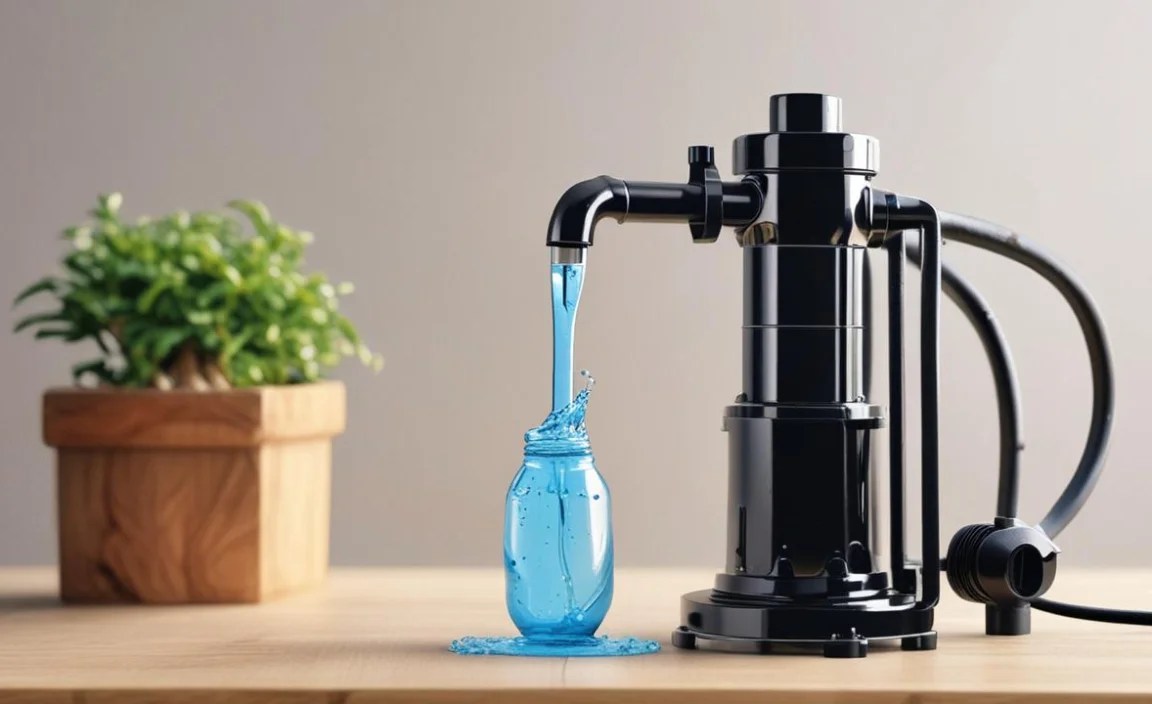
Even with careful assembly, you might encounter some issues. Here’s a troubleshooting guide to help you resolve common problems:
| Problem | Possible Cause | Solution |
|---|---|---|
| No Water Flow | Pump not primed, roller slipping, blockage in tubing | Prime the pump, increase roller tension, check and clear tubing |
| Low Water Flow | Slow pedaling speed, insufficient roller tension, pump not working efficiently | Increase pedaling speed, adjust roller tension, inspect pump |
| Leaks at Connections | Loose hose clamps, damaged tubing, improper fitting | Tighten hose clamps, replace damaged tubing, ensure proper fitting |
| Pump Vibrates Excessively | Loose mounting, unbalanced roller, worn pump components | Tighten mounting, balance roller, replace worn components |
| Roller Slipping | Insufficient tension, smooth tire surface, wet conditions | Increase tension, roughen roller surface, dry tire and roller |
Cycle Water Pump: Potential Upgrades
Ready to take your DIY cycle water pump to the next level? Consider these upgrades for enhanced functionality and convenience.
- Solar Panel Integration: Add a small solar panel to charge a battery that powers the pump. This allows you to pump water even when you’re not pedaling.
- Automatic Shut-Off: Install a float switch in the destination container to automatically shut off the pump when the water level reaches a certain point. This prevents overfilling and conserves energy.
- Multi-Stage Filtration: Incorporate a multi-stage filtration system to purify the water as it’s being pumped. This is particularly useful if you’re using the pump for drinking water or irrigation.
- Adjustable Flow Rate: Add a variable speed controller to adjust the flow rate of the pump. This allows you to customize the water output based on your needs.
- Portable Cart: Mount the entire system on a portable cart with wheels. This makes it easy to move the pump around your garden or property.
Safety Considerations
Safety should always be a top priority when working on DIY projects. Here are some safety considerations to keep in mind when building and using your cycle water pump:
- Wear Safety Gear: Always wear safety glasses and gloves when cutting, drilling, or assembling components. This will protect your eyes and hands from injury.
- Secure the Bike: Ensure the bike is stable and won’t move during operation. Use a bike stand or lean it against a secure surface.
- Avoid Electrical Hazards: If you’re using an electric pump, ensure all electrical connections are properly insulated and protected from water. Never operate electrical equipment in wet conditions.
- Supervise Children: Keep children away from the pump and bike during operation. Small parts can be a choking hazard, and moving parts can cause injury.
- Use Clean Water: Only pump clean water to prevent damage to the pump and contamination of the water source. Use a filter to remove debris and sediment from the water.
FAQ: Your Cycle Water Pump Questions Answered
Q1: What type of water pump is best for a cycle water pump?
A low-volume, self-priming diaphragm pump works best. These pumps are easy to mount, can handle small debris, and don’t require constant priming.
Q2: How do I prime the water pump?
Priming involves filling the pump with water to remove air. Most self-priming pumps can be primed by pouring water into the inlet until it flows through. Check the pump’s manual for specific instructions.
Q3: What size tubing should I use?
Use tubing that matches the inlet and outlet port sizes on your water pump. Typically, 1/2-inch or 3/4-inch tubing works well for small pumps. Ensure the tubing is flexible and durable.
Q4: How do I adjust the water flow rate?
The water flow rate can be adjusted by changing your pedaling speed or adjusting the tension of the roller against the tire. Some pumps also have adjustable flow rate settings.
Q5: Can I use this pump for drinking water?
It’s not recommended to use a basic cycle water pump for drinking water without proper filtration. Add a multi-stage filtration system to purify the water if you plan to use it for drinking.
Q6: How do I protect the pump from the weather?
Shield the pump from direct sunlight and rain by building a small cover or housing. This will extend the life of the pump and prevent damage from the elements.
Q7: What if the roller keeps slipping on the tire?
Increase the tension of the roller against the tire. You can also roughen the roller surface with sandpaper to improve grip. Ensure both the tire and roller are clean and dry.
Conclusion
Building a cycle water pump is a rewarding and practical DIY project. By following these steps and tips, you can create a human-powered water pump that is both eco-friendly and cost-effective. Whether you’re using it for gardening, irrigation, or just for fun, a cycle water pump is a great way to combine your love for cycling with practical skills. So, grab your tools, gather your materials, and get ready to pedal and pump!


