Pump Gauge Integrated Cylinder: Smart Inflation!

Quick Summary: A pump gauge integrated cylinder combines the pump’s cylinder and pressure gauge into one unit. To use it, securely attach the pump head to your tire valve, ensure the gauge is visible, and begin pumping. Watch the gauge as you pump to reach your desired tire pressure. This design offers easier pressure monitoring and compact storage.
Ever struggled to read a tiny pressure gauge while inflating your bike tires? Or wished your pump was just a bit more streamlined? Many cyclists find traditional pumps bulky and hard to read, making it tricky to get the perfect tire pressure. A pump gauge integrated cylinder solves these problems by combining the cylinder and gauge into one easy-to-use unit.
This guide will walk you through everything you need to know about using and maintaining a pump gauge integrated cylinder. We’ll cover the benefits, how to use it correctly, and tips for keeping it in top shape. Let’s get started and make tire inflation a breeze!
Understanding Pump Gauge Integrated Cylinders
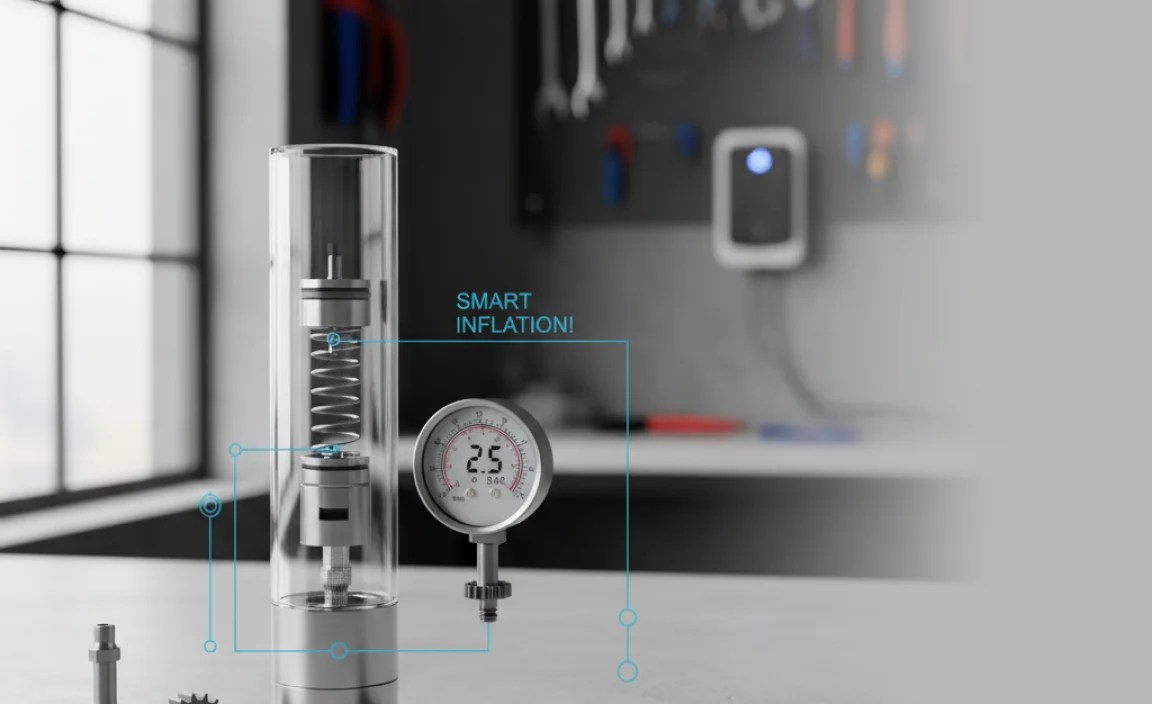
A pump gauge integrated cylinder is a type of bicycle pump that combines the cylinder (the part that compresses air) and the pressure gauge into a single, streamlined unit. This design offers several advantages over traditional pumps.
Benefits of Integrated Cylinders
- Improved Accuracy: The integrated design often leads to more accurate pressure readings because the gauge is directly connected to the cylinder.
- Compact Design: Combining the components reduces the overall size, making it easier to store and transport.
- User-Friendly: Many cyclists find it easier to read the gauge while pumping, as everything is in one place.
- Durability: High-quality integrated cylinders are built to last, offering reliable performance over time.
Types of Integrated Cylinders
While the core concept is the same, integrated cylinders can vary in a few ways:
- Floor Pumps: These are larger and designed for home use, offering high volume and pressure.
- Mini Pumps: These are compact and portable, ideal for on-the-go inflation.
- Digital vs. Analog Gauges: Some pumps use digital gauges for precise readings, while others use traditional analog gauges.
Key Features to Look For
When choosing a pump gauge integrated cylinder, consider these features:
- Gauge Readability: Look for a gauge with large, clear numbers that are easy to read.
- Maximum Pressure: Ensure the pump can reach the maximum pressure required for your tires.
- Valve Compatibility: Check that the pump head is compatible with both Presta and Schrader valves, or that it has an adapter.
- Build Quality: Choose a pump made from durable materials like aluminum or high-strength plastic.
Step-by-Step Guide to Using a Pump Gauge Integrated Cylinder
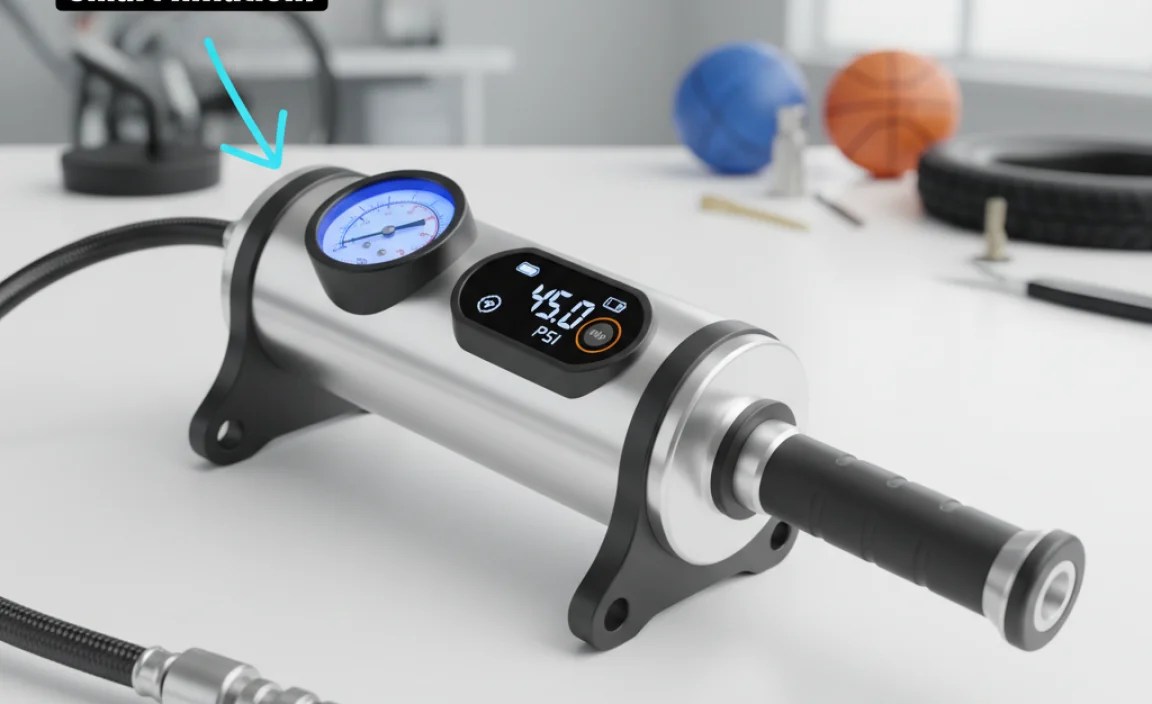
Using a pump gauge integrated cylinder is straightforward. Follow these steps to inflate your tires correctly.
Step 1: Prepare Your Bike and Pump
Before you start, make sure your bike is stable and the tire valve is accessible.
- Position Your Bike: Place your bike on a stable surface or use a bike stand.
- Locate the Valve: Find the valve on your tire (either Presta or Schrader).
- Remove the Valve Cap: Unscrew the valve cap and set it aside.
Step 2: Attach the Pump Head
Properly attaching the pump head is crucial for an accurate reading and efficient inflation.
- Presta Valves: Unscrew the valve nut slightly. Press the valve to release a small amount of air.
- Schrader Valves: No preparation needed.
- Attach the Pump Head: Firmly press the pump head onto the valve. Make sure it’s securely attached to prevent air leaks. Some pump heads have a lever to lock them in place.
Step 3: Begin Pumping
Now it’s time to start inflating your tire. Watch the gauge as you pump.
- Stable Stance: Place one foot on the base of the pump to stabilize it.
- Smooth Strokes: Use smooth, full strokes to pump air into the tire.
- Monitor the Gauge: Keep an eye on the pressure gauge as you pump. Stop when you reach your desired pressure.
Step 4: Check and Adjust Pressure
After inflating, double-check the pressure and make any necessary adjustments.
- Remove the Pump Head: Carefully remove the pump head from the valve.
- Check the Pressure: Use a separate pressure gauge if you want to double-check the reading.
- Adjust as Needed: If the pressure is too high, gently press the valve to release some air. If it’s too low, add more air.
- Replace the Valve Cap: Screw the valve cap back on to protect the valve from dirt and debris.
Troubleshooting Common Issues

Even with a good pump, you might encounter some problems. Here are a few common issues and how to fix them.
Air Leaks
If you hear air leaking while pumping, it could be due to a few reasons.
- Improper Attachment: Make sure the pump head is securely attached to the valve. Readjust if necessary.
- Worn-Out Seal: The seal inside the pump head might be worn. Replace the seal or the entire pump head.
- Valve Issues: The valve on your tire might be damaged. Inspect the valve and replace it if needed.
Inaccurate Readings
If the pressure gauge is giving inaccurate readings, try these solutions.
- Check the Gauge: Compare the reading to another gauge to see if it’s consistently off.
- Calibrate the Gauge: Some digital gauges can be calibrated. Check the manufacturer’s instructions.
- Replace the Gauge: If the gauge is consistently inaccurate, consider replacing the entire pump.
Pump Not Pumping
If the pump isn’t pumping air, there could be a blockage or internal issue.
- Check for Blockages: Inspect the pump hose and valve for any obstructions.
- Lubricate the Cylinder: Apply a small amount of lubricant to the cylinder to ensure smooth operation.
- Internal Damage: If the pump is severely damaged, it might need to be repaired or replaced.
Maintaining Your Pump Gauge Integrated Cylinder
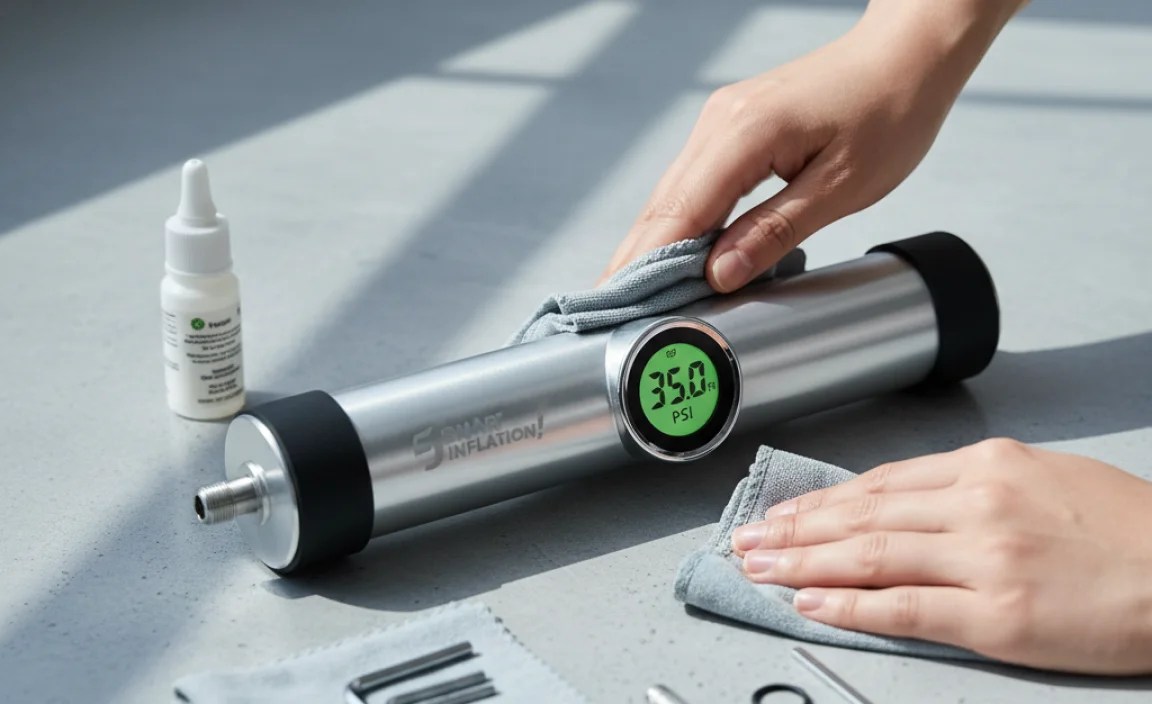
Proper maintenance will keep your pump working efficiently and extend its lifespan. Here are some tips.
Cleaning
Regular cleaning prevents dirt and debris from damaging the pump.
- Wipe Down: Use a damp cloth to wipe down the pump after each use.
- Clean the Pump Head: Periodically clean the pump head with a small brush to remove any dirt or debris.
- Check the Hose: Inspect the hose for cracks or damage and replace it if needed.
Lubrication
Lubricating the pump ensures smooth operation.
- Apply Lubricant: Use a silicone-based lubricant on the cylinder and moving parts.
- Avoid Oil-Based Lubricants: Oil-based lubricants can attract dirt and damage the pump.
- Regular Application: Lubricate the pump every few months or as needed.
Storage
Proper storage protects the pump from damage.
- Store Indoors: Keep the pump in a dry, indoor location.
- Avoid Extreme Temperatures: Don’t store the pump in direct sunlight or extreme temperatures.
- Protect the Hose: Coil the hose neatly to prevent kinks and damage.
Choosing the Right Pump
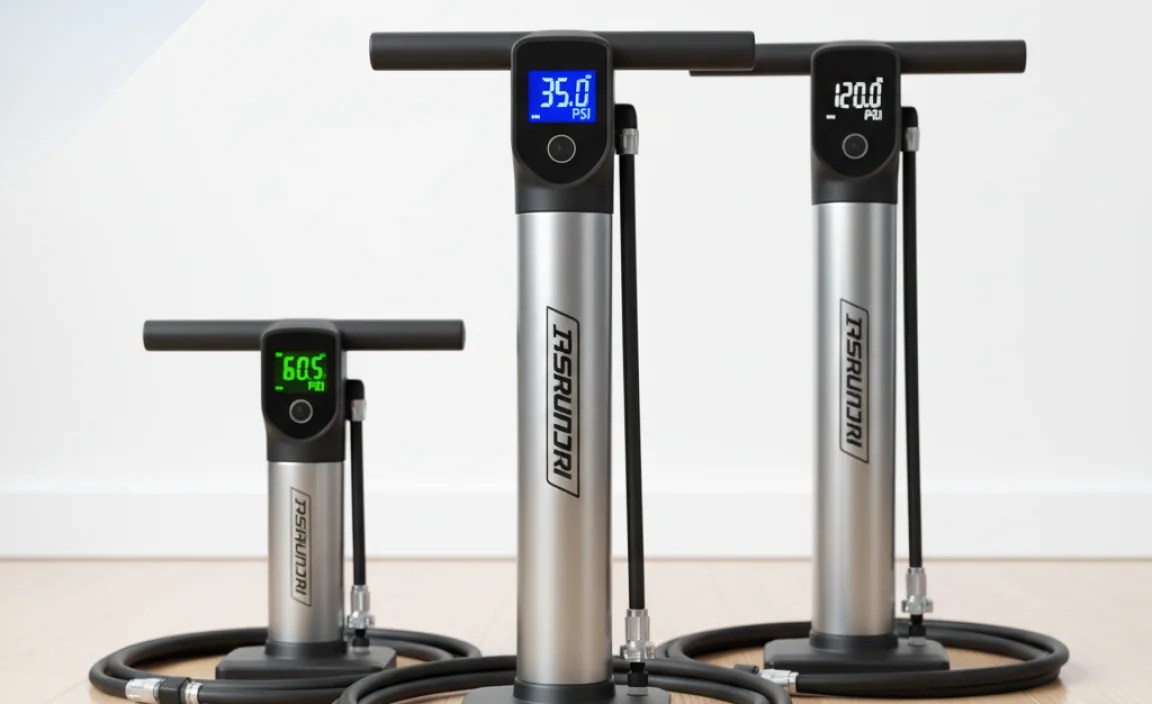
With so many options available, selecting the right pump can be overwhelming. Here’s a guide to help you choose.
Floor Pumps
Floor pumps are ideal for home use and offer high volume and pressure.
| Pros | Cons |
|---|---|
| Easy to use | Less portable |
| High volume and pressure | Takes up more space |
| Stable and durable | More expensive |
Mini Pumps
Mini pumps are compact and portable, perfect for on-the-go inflation.
| Pros | Cons |
|---|---|
| Highly portable | Lower volume and pressure |
| Lightweight | Requires more effort |
| Affordable | Less stable |
Digital vs. Analog Gauges
Consider the type of gauge based on your needs.
- Digital Gauges: Offer precise readings, easy to read, but require batteries.
- Analog Gauges: Reliable, no batteries needed, but can be less precise.
Advanced Tips for Tire Inflation
Once you’re comfortable with the basics, here are some advanced tips to optimize your tire inflation.
Tire Pressure Guidelines
Different types of tires and riding conditions require different pressures. Here’s a general guide:
- Road Bikes: 80-130 PSI
- Mountain Bikes: 25-35 PSI
- Hybrid Bikes: 50-70 PSI
Always check the recommended pressure range printed on the sidewall of your tire. You can also use online tire pressure calculators, such as those found on reputable cycling websites, to fine-tune your pressure based on your weight, riding style, and terrain. For example, the calculator at Silca’s website can help you dial in your pressure.
Using a Shock Pump
If your bike has air suspension, you’ll need a shock pump to adjust the pressure. Shock pumps are designed to deliver high pressure in small increments, allowing you to fine-tune your suspension. Brands like Fox Racing Shox and RockShox offer detailed guidance on suspension setup, including recommended air pressures for different rider weights and riding styles. Always consult the manufacturer’s guidelines for your specific suspension components. You can often find these guidelines on the manufacturer’s website or in the product manual.
Tubeless Tire Inflation
Inflating tubeless tires can be tricky. Here are some tips:
- Use a Tubeless-Specific Pump: These pumps have a chamber that delivers a large burst of air to seat the tire bead.
- Remove the Valve Core: Removing the valve core allows more air to flow into the tire.
- Apply Tire Sealant: Tire sealant helps to seal any small leaks and ensures a good seal between the tire and rim.
FAQ: Pump Gauge Integrated Cylinder
Here are some frequently asked questions about pump gauge integrated cylinders.
What is a pump gauge integrated cylinder?
A pump gauge integrated cylinder combines the pump’s cylinder and pressure gauge into a single unit, making it easier to monitor pressure while pumping.
How do I attach the pump head to the valve?
Firmly press the pump head onto the valve, ensuring it’s secure to prevent air leaks. Some pumps have a locking lever.
What pressure should I inflate my tires to?
Check the recommended pressure range on your tire’s sidewall. Road bikes typically need 80-130 PSI, mountain bikes 25-35 PSI, and hybrid bikes 50-70 PSI.
Why is my pump leaking air?
This could be due to improper attachment, a worn-out seal, or valve issues. Check the connection, replace the seal if needed, and inspect the valve.
How often should I lubricate my pump?
Lubricate your pump every few months or as needed, using a silicone-based lubricant to ensure smooth operation.
What’s the difference between digital and analog gauges?
Digital gauges offer precise readings and are easy to read but require batteries. Analog gauges are reliable and don’t need batteries but can be less precise.
Can I use a regular pump for tubeless tires?
While you can, tubeless-specific pumps are designed to deliver a large burst of air needed to seat the tire bead properly.
Conclusion
Using a pump gauge integrated cylinder can significantly improve your cycling experience by making tire inflation easier and more accurate. By understanding the benefits, following the step-by-step guide, and maintaining your pump properly, you can ensure your tires are always at the optimal pressure for a smooth and safe ride. Remember to choose the right pump for your needs, whether it’s a floor pump for home use or a mini pump for on-the-go inflation. With these tips, you’ll be ready to tackle any ride with confidence and precision. Happy cycling!