
Pump Gauge Hybrid: The Smart Inflating Secret

Quick Summary: A pump gauge hybrid combines the features of different pressure gauges, typically analog and digital, to give you the best of both worlds. This means you get the easy readability of an analog gauge with the precise measurements of a digital one. Learning how to use it ensures accurate tire pressure, improving your bike’s performance and safety.
Ever struggled to get your bike tires to the exact pressure you need? Many cyclists find it tricky to balance accuracy and ease when inflating their tires. A pump gauge hybrid offers a solution by merging the simplicity of an analog display with the precision of a digital readout. This guide will walk you through understanding, using, and maintaining these hybrid gauges, so you can achieve optimal tire pressure every time. Let’s get started and make your rides smoother and safer!
Understanding Pump Gauge Hybrids
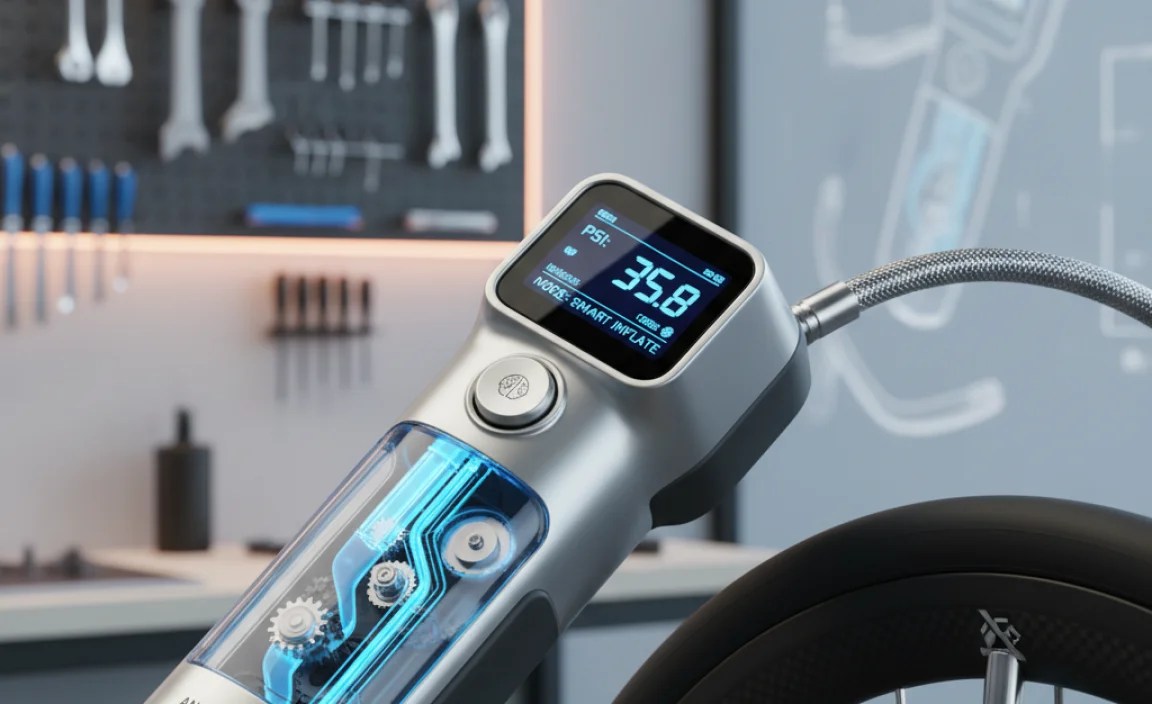
Pump gauge hybrids blend the strengths of different gauge types into a single tool. To fully appreciate their value, let’s break down the components and benefits.
What is a Pump Gauge Hybrid?
A pump gauge hybrid combines two types of pressure measurement technologies, usually analog and digital, into one device. This design aims to provide a user-friendly experience with high accuracy. The analog component offers quick visual reference, while the digital display provides precise pressure readings.
Types of Gauges Used in Hybrids
There are two primary types of gauges you’ll find in these hybrid systems:
- Analog Gauges: These gauges use a needle that moves along a scale to indicate pressure. They are easy to read at a glance and don’t require batteries.
- Digital Gauges: These gauges display the pressure as a numerical value on an LCD screen. They offer higher precision and often include features like multiple units of measurement (PSI, Bar, kPa).
Benefits of Using a Hybrid Gauge
Here are the key advantages of opting for a hybrid gauge:
- Accuracy: Digital components ensure precise pressure readings.
- Ease of Use: Analog displays allow for quick visual checks.
- Versatility: Many hybrids support different pressure units and valve types.
- Convenience: Combines the best features of both analog and digital gauges in one tool.
Common Applications in Cycling
Hybrid gauges are useful for various cycling applications:
- Road Biking: Precise tire pressure optimizes rolling resistance and comfort.
- Mountain Biking: Adjusting tire pressure for different terrains enhances grip and reduces the risk of punctures.
- Commuting: Maintaining correct tire pressure improves efficiency and prolongs tire life.
Key Features to Look For
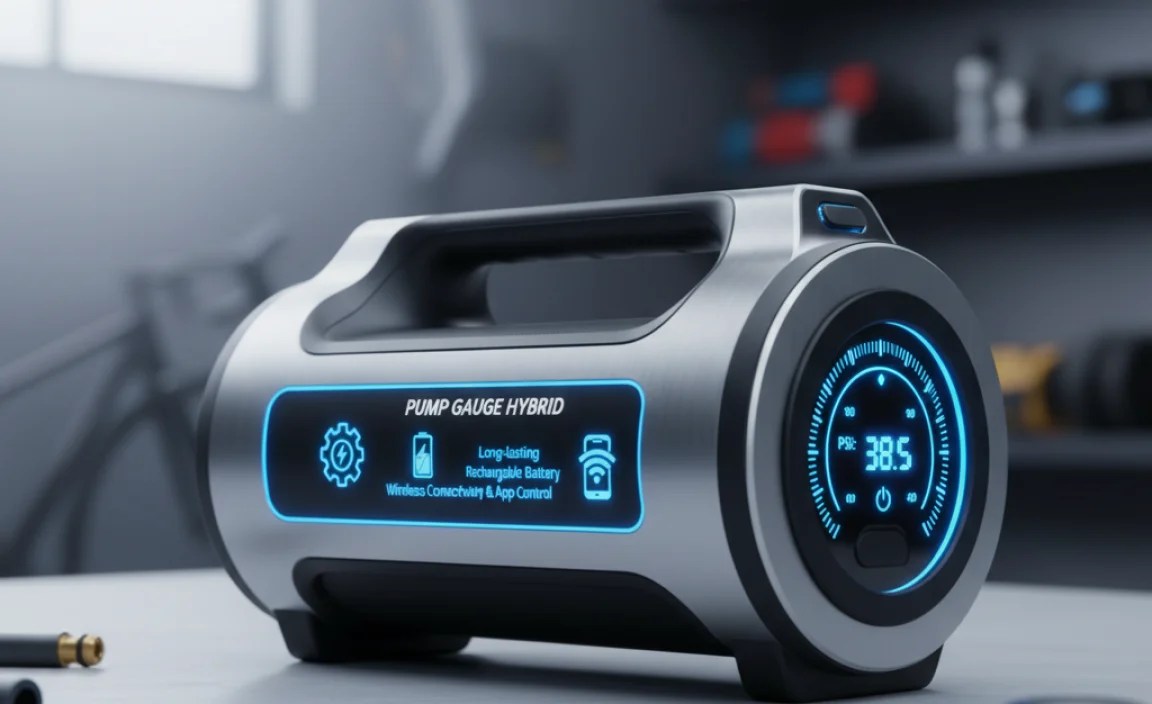
When selecting a pump gauge hybrid, keep these features in mind to ensure you get the best tool for your needs.
Pressure Range
Consider the range of pressure your tires require. Road bikes often need higher pressures (100+ PSI), while mountain bikes and fat bikes need lower pressures (20-40 PSI). Ensure the gauge covers the necessary range.
Units of Measurement
Most gauges display pressure in PSI (pounds per square inch) and Bar. Some also include kPa (kilopascals). Choose a gauge that offers the units you’re most comfortable with.
Valve Compatibility
Check if the gauge is compatible with both Presta and Schrader valves. Some gauges have a dual-head design that accommodates both types, while others may require an adapter.
Display Quality
For digital displays, look for a clear, backlit screen for easy reading in various lighting conditions. For analog displays, ensure the scale is easy to read and the needle is precise.
Build Quality and Durability
A robust build ensures the gauge can withstand regular use and accidental drops. Look for gauges made from high-quality materials like aluminum or durable plastics.
Additional Features
Some hybrid gauges come with extra features like:
- Pressure Release Button: Allows you to fine-tune pressure by releasing small amounts of air.
- Memory Function: Stores previous pressure readings.
- Automatic Shut-off: Conserves battery life on digital models.
Step-by-Step Guide to Using a Pump Gauge Hybrid

Using a pump gauge hybrid is straightforward. Follow these steps to ensure accurate tire inflation.
Step 1: Preparing the Gauge and Pump
Before you start, make sure your pump and gauge are in good working condition.
- Check the Gauge: Ensure the digital display is working and the analog needle moves freely. Replace batteries if necessary.
- Inspect the Pump: Check the pump hose for cracks or leaks. Ensure the pump head is clean and properly attached.
- Select the Correct Valve Setting: Most pumps have a switch or rotating head to select between Presta and Schrader valves.
Step 2: Attaching the Gauge to the Valve
Properly attaching the gauge to the valve is crucial for accurate readings.
- Presta Valve: Unscrew the valve nut counterclockwise. Gently push the valve stem to ensure it’s not stuck.
- Schrader Valve: Remove the valve cap.
- Attach the Pump Head: Firmly press the pump head onto the valve. Ensure a tight seal to prevent air leaks. Some pump heads have a lever to lock them in place.
Step 3: Inflating the Tire
Now, begin inflating the tire while monitoring the gauge.
- Start Pumping: Use smooth, consistent strokes to inflate the tire.
- Monitor the Gauge: Watch both the analog and digital displays. The analog gauge will give you a quick visual reference, while the digital gauge provides precise readings.
- Reach the Desired Pressure: Stop pumping when you reach your target pressure. Refer to the tire sidewall for the recommended pressure range.
Step 4: Fine-Tuning the Pressure
Use the pressure release button, if available, to fine-tune the pressure.
- Release Air (If Needed): If you overshot the target pressure, use the pressure release button to bleed off small amounts of air.
- Recheck the Gauge: After releasing air, recheck the pressure on both the analog and digital displays.
- Repeat if Necessary: Continue fine-tuning until you reach the exact desired pressure.
Step 5: Detaching the Gauge and Securing the Valve
Properly detach the gauge and secure the valve to prevent air leaks.
- Detach the Pump Head: Carefully remove the pump head from the valve. Use a twisting motion to break the seal if necessary.
- Presta Valve: Screw the valve nut clockwise until it’s snug.
- Schrader Valve: Replace the valve cap.
Troubleshooting Common Issues
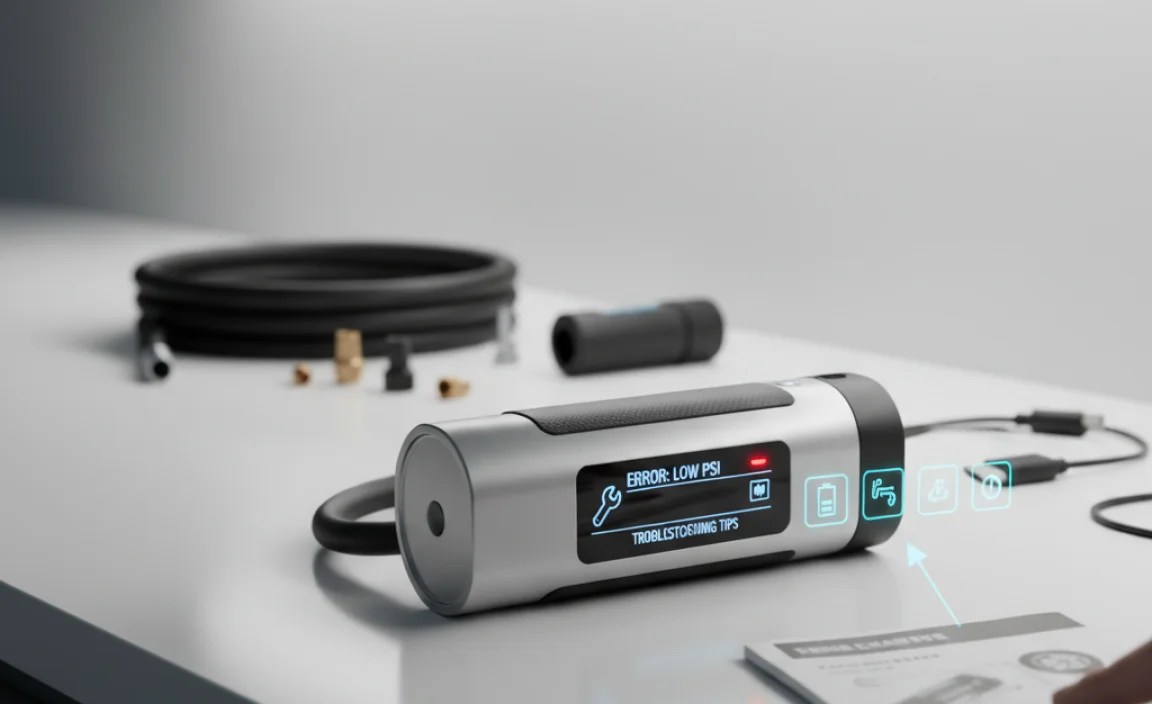
Even with the best equipment, issues can arise. Here’s how to troubleshoot common problems with pump gauge hybrids.
Inaccurate Readings
If you suspect the gauge is providing inaccurate readings, consider these steps:
- Check the Battery: Low battery power can affect the accuracy of digital gauges. Replace the battery if needed.
- Calibrate the Gauge: Some digital gauges allow for calibration. Refer to the manufacturer’s instructions.
- Compare with Another Gauge: Use a second gauge to verify the pressure. If the readings differ significantly, the gauge may be faulty.
Air Leaks
Air leaks can prevent you from reaching the desired pressure.
- Inspect the Pump Head: Ensure the pump head is properly sealed against the valve. Check for worn or damaged seals.
- Check the Valve: Make sure the valve core is tight and in good condition. Replace the valve if necessary.
- Tighten Connections: Ensure all connections between the gauge, pump, and hose are tight.
Digital Display Problems
If the digital display is not working correctly, try these solutions:
- Replace the Battery: A dead or dying battery is the most common cause of display problems.
- Check the Connections: Ensure the display unit is securely connected to the gauge.
- Reset the Gauge: Some gauges have a reset button. Refer to the manufacturer’s instructions.
Analog Needle Stuck
If the analog needle is stuck or not moving smoothly:
- Tap the Gauge: Gently tap the gauge to dislodge the needle.
- Check for Obstructions: Inspect the gauge face for any debris that might be interfering with the needle’s movement.
- Professional Repair: If the needle remains stuck, consider having the gauge professionally repaired or replaced.
Maintenance and Care Tips
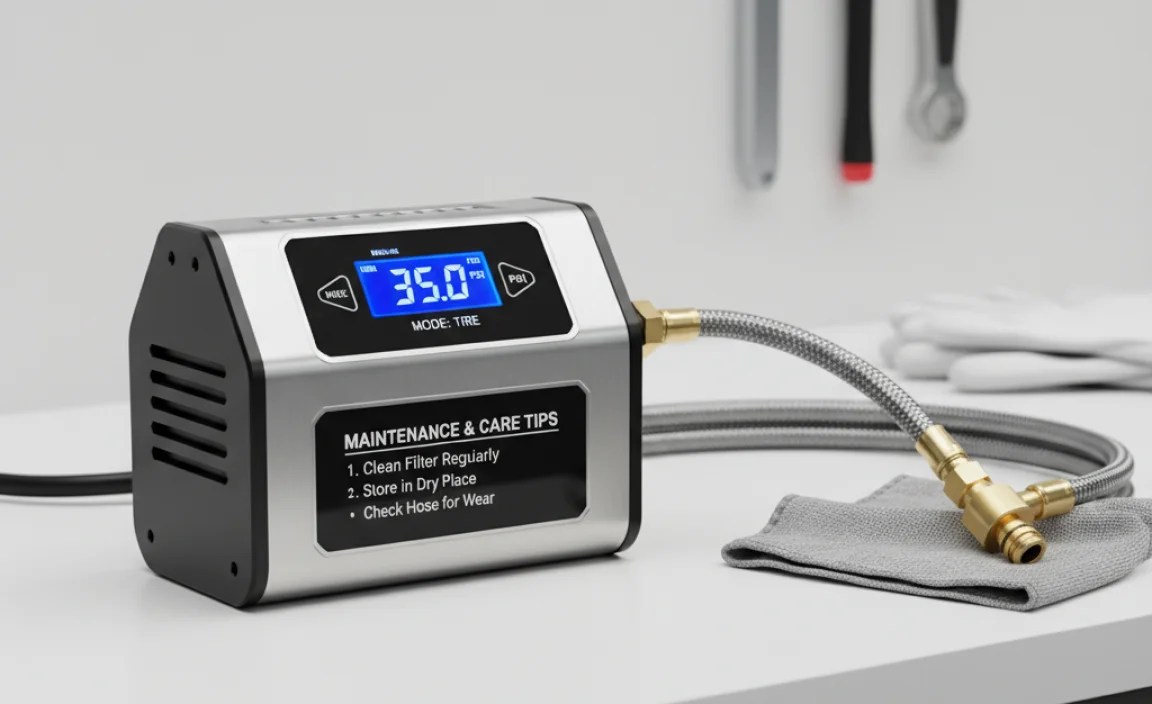
Proper maintenance will extend the life of your pump gauge hybrid and ensure accurate performance.
Cleaning the Gauge
Regular cleaning prevents dirt and debris from affecting the gauge’s accuracy.
- Wipe Down the Exterior: Use a soft, damp cloth to clean the gauge housing. Avoid using harsh chemicals or solvents.
- Clean the Pump Head: Periodically clean the pump head with a brush to remove dirt and grime.
- Check for Corrosion: Inspect the gauge for signs of corrosion. Clean any corroded areas with a mild abrasive cleaner.
Storing the Gauge Properly
Proper storage protects the gauge from damage and extends its lifespan.
- Keep it Dry: Store the gauge in a dry place to prevent rust and corrosion.
- Protect from Impact: Avoid dropping the gauge or exposing it to impacts that could damage the internal components.
- Store in a Case: If possible, store the gauge in a protective case to shield it from dust and damage.
Replacing Parts
Replace worn or damaged parts to maintain the gauge’s performance.
- Replace Batteries: Keep spare batteries on hand and replace them as needed.
- Replace Seals: Replace worn or damaged seals in the pump head to prevent air leaks.
- Replace the Hose: If the hose is cracked or damaged, replace it to ensure proper air flow.
Comparing Pump Gauge Hybrids with Other Options
To make an informed decision, let’s compare hybrid gauges with other types of pressure measurement tools.
Hybrid vs. Analog Gauges
| Feature | Hybrid Gauge | Analog Gauge |
|---|---|---|
| Accuracy | High (Digital Component) | Moderate |
| Ease of Use | High (Visual Reference) | High |
| Additional Features | May Include Digital Display, Multiple Units | Limited |
| Cost | Moderate to High | Low |
Hybrid vs. Digital Gauges
| Feature | Hybrid Gauge | Digital Gauge |
|---|---|---|
| Accuracy | High | High |
| Ease of Use | High (Visual Reference) | Moderate |
| Additional Features | Visual Analog Reference | Multiple Units, Memory Function |
| Cost | Moderate to High | Moderate |
Advantages and Disadvantages
Here’s a quick overview of the pros and cons of using a pump gauge hybrid.
- Advantages:
- Combines accuracy and ease of use.
- Provides both visual and precise pressure readings.
- Versatile for different cycling applications.
- Disadvantages:
- Can be more expensive than analog gauges.
- Requires batteries for digital components.
- May be more complex to repair than simple analog gauges.
Recommended Pump Gauge Hybrid Models
Here are a few highly-rated pump gauge hybrid models to consider:
- Topeak JoeBlow Booster Pump: Features a hybrid analog/digital gauge for precise inflation.
- Lezyne Digital Pressure Over Drive Floor Pump: Combines a digital gauge with a high-volume pump for easy tubeless tire setup.
- SKS Airkompressor 12.0: Offers a reliable analog gauge with a digital display for accurate readings.
FAQ About Pump Gauge Hybrids
Here are some frequently asked questions to help you better understand pump gauge hybrids.
What is the ideal tire pressure for my bike?
The ideal tire pressure depends on your bike type, tire size, and riding conditions. Refer to the tire sidewall for the manufacturer’s recommended pressure range. As a general guide, road bikes typically require higher pressures (80-130 PSI), while mountain bikes use lower pressures (25-40 PSI).
How often should I check my tire pressure?
It’s best to check your tire pressure before each ride. Tires can lose pressure over time, so regular checks ensure optimal performance and safety.
Can I use a car tire gauge on my bike?
While you can technically use a car tire gauge on a Schrader valve, it’s not recommended. Car tire gauges are often less accurate at the lower pressures used for bike tires. Using a gauge designed for bikes ensures more precise readings.
How do I convert between PSI and Bar?
To convert from PSI to Bar, divide the PSI value by 14.5. To convert from Bar to PSI, multiply the Bar value by 14.5. Most digital gauges can display pressure in both units.
What is the difference between Presta and Schrader valves?
Presta valves are narrow and have a valve nut that needs to be unscrewed before inflation. They are commonly found on road bikes and high-performance bikes. Schrader valves are wider and have a spring-loaded pin in the center, similar to car tires. They are commonly found on mountain bikes, hybrid bikes, and older bikes.
Why is my tire losing pressure even though I just inflated it?
There could be several reasons for this. Check the valve core to ensure it’s tight and in good condition. Inspect the tire for punctures or damage. Also, make sure the tire bead is properly seated on the rim. If the problem persists, consider replacing the inner tube or tire.
How do I calibrate my digital gauge?
Refer to the manufacturer’s instructions for specific calibration steps. Generally, you’ll need a known pressure source to compare against. Some gauges have an automatic calibration feature, while others require manual adjustment.
Conclusion
A pump gauge hybrid is a valuable tool for any cyclist looking to optimize their bike’s performance and safety. By combining the best features of analog and digital gauges, these hybrids offer accuracy, ease of use, and versatility. Understanding the key features, following the step-by-step guide, and maintaining your gauge properly will ensure you achieve the perfect tire pressure every time. So go ahead, invest in a pump gauge hybrid and experience the difference it makes on your rides!


