
How to Use Mini Pump if Valve Core is Loose? Easy Fix!

Quick Summary: A loose valve core can make using a mini pump frustrating. To fix it, first, try tightening the core with a valve core tool. If you don’t have one, pliers can work in a pinch. Make sure the pump head is properly seated and tightened on the valve. For stubborn leaks, consider replacing the valve core or using a valve extender for better access.
Ever tried pumping up your bike tire only to hear air hissing out around the valve? A loose valve core is often the culprit, turning a quick top-up into a frustrating struggle. Don’t worry, you’re not alone! It’s a common issue, and with a few simple steps, you can get back on the road quickly. This guide will walk you through how to tighten a loose valve core and ensure your mini pump works effectively, so you can enjoy a smooth, properly inflated ride.
Understanding Valve Cores and Mini Pumps

Before diving into the fix, let’s cover the basics. Your bike tires use valves to hold air. The two common types are:
- Presta Valves: These are narrow, with a small locking nut at the top. They’re often found on road bikes and high-performance tires.
- Schrader Valves: These are wider and look like the valves on car tires. They’re common on mountain bikes, hybrid bikes, and kids’ bikes.
The valve core is the removable part inside the valve that allows air to enter and prevents it from escaping. Mini pumps are compact, portable pumps designed for on-the-go inflation. They can be hand-operated or CO2-powered.
A loose valve core can cause air to leak, making it difficult to inflate your tire properly with a mini pump. This is because the pump struggles to overcome the escaping air, and you might not reach the desired tire pressure.
Tools You’ll Need
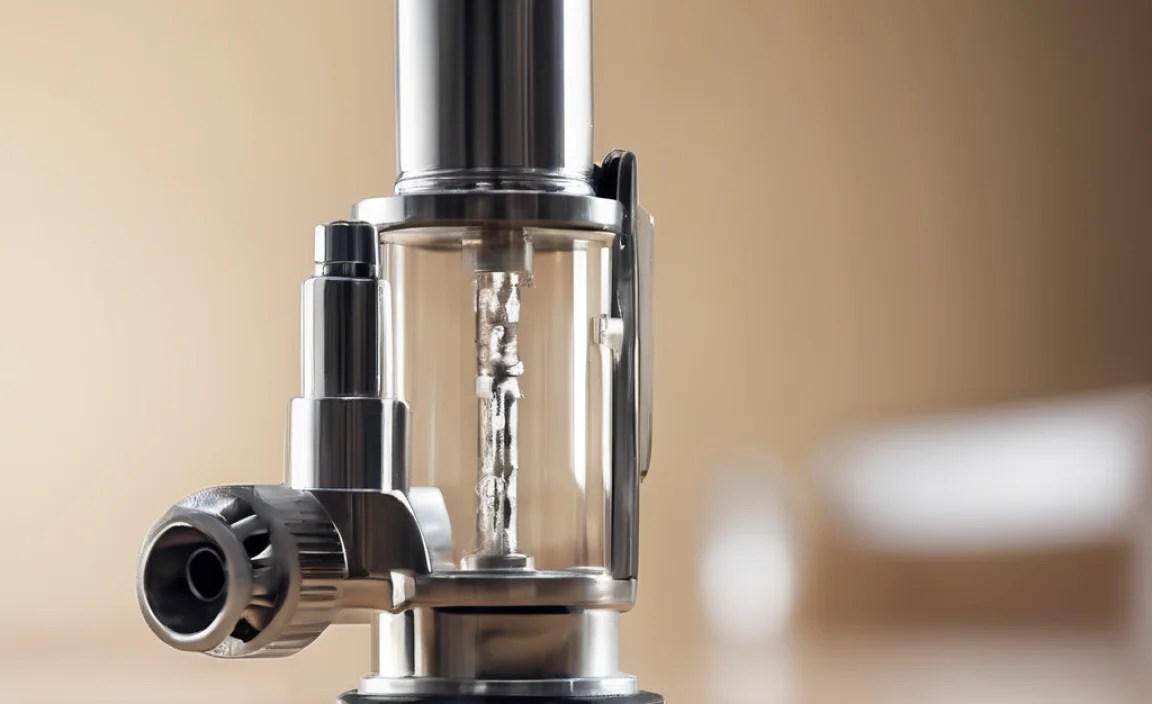
To tighten a loose valve core, you’ll need:
- Valve Core Tool: This small, inexpensive tool is designed specifically for tightening and removing valve cores. You can find them at any bike shop or online.
- Mini Pump: Of course, you’ll need your mini pump to test the fix.
- Pliers (Optional): If you don’t have a valve core tool, small pliers can work in a pinch, but be careful not to damage the valve core.
- Rag or Cloth: To protect the valve and provide better grip.
Step-by-Step Guide: Tightening a Loose Valve Core

Here’s how to tighten a loose valve core and get your mini pump working effectively:
Step 1: Identify the Valve Type
Determine whether you have a Presta or Schrader valve. This will affect how you approach the tightening process.
Step 2: Prepare the Valve
- Presta Valve: Unscrew the small locking nut at the top of the valve by turning it counter-clockwise. Push the valve core briefly to release any remaining air.
- Schrader Valve: Remove any dust cap covering the valve.
Step 3: Tighten the Valve Core with a Valve Core Tool
- Insert the valve core tool onto the valve core. Make sure it’s properly seated.
- Turn the tool clockwise to tighten the valve core. Don’t overtighten; a snug fit is enough.
- Presta Valve: Screw the locking nut back down to the top of the valve, but don’t overtighten it.
- Schrader Valve: No additional steps needed here.
Step 4: Tighten the Valve Core Without a Valve Core Tool (Using Pliers)
If you don’t have a valve core tool, you can use pliers, but be very careful:
- Wrap the valve core with a rag or cloth to protect it from scratches.
- Gently grip the valve core with the pliers.
- Turn the pliers clockwise to tighten the core. Again, don’t overtighten.
- Presta Valve: Screw the locking nut back down.
- Schrader Valve: No additional steps needed.
Step 5: Test with Your Mini Pump
- Attach your mini pump to the valve. Make sure the pump head is securely seated.
- Begin pumping. Listen for any hissing sounds around the valve.
- If you hear hissing, the valve core may still be loose. Repeat the tightening process, but be careful not to overtighten.
- If there’s no hissing, inflate the tire to your desired pressure.
Step 6: Check the Tire Pressure
Use a tire pressure gauge to ensure your tire is inflated to the correct pressure, which is usually printed on the sidewall of the tire.
Troubleshooting Common Issues
Sometimes, tightening the valve core isn’t enough. Here are some common issues and how to address them:
- Damaged Valve Core: If the valve core is damaged, it may not seal properly even when tightened. Replace it with a new valve core.
- Leaky Valve Stem: The valve stem itself might be damaged. In this case, you may need to replace the entire inner tube or tire.
- Incorrect Pump Head Placement: Ensure the pump head is properly seated on the valve. Some pumps have different settings for Presta and Schrader valves.
- Valve Extenders: If you are using valve extenders, make sure they are properly tightened and sealed. Apply Teflon tape to the threads for a better seal.
Maintaining Your Valves
Regular maintenance can prevent valve core issues. Here are some tips:
- Check Valve Cores Regularly: Periodically check your valve cores to ensure they are tight.
- Use Valve Caps: Valve caps protect the valve core from dirt and damage.
- Lubricate Valve Cores: Apply a small amount of silicone grease to the valve core threads to prevent them from seizing.
When to Replace the Valve Core
Knowing when to replace your valve core can save you from roadside frustrations. Here are some signs it’s time for a new one:
- Visible Damage: If the valve core is bent, cracked, or corroded, replace it immediately.
- Persistent Leaks: If you’ve tightened the valve core and it still leaks, it’s likely damaged internally.
- Difficulty Inflating: If you struggle to inflate your tire even with a properly tightened valve core, the core may be blocked or malfunctioning.
Choosing the Right Mini Pump
A good mini pump is an essential tool for any cyclist. Here’s what to look for:
- Compatibility: Make sure the pump is compatible with both Presta and Schrader valves, or choose one specifically designed for your valve type.
- Pressure: Choose a pump that can reach the maximum pressure recommended for your tires. Road bike tires typically require higher pressure than mountain bike tires.
- Size and Weight: Look for a compact and lightweight pump that’s easy to carry on your rides.
- Ease of Use: Opt for a pump with an ergonomic design and a secure valve attachment.
Mini Pump Recommendations
| Pump | Type | Valve Compatibility | Max Pressure | Features |
|---|---|---|---|---|
| Lezyne Road Drive | Hand Pump | Presta | 160 PSI | Lightweight, efficient |
| Topeak Micro Rocket | Hand Pump | Presta/Schrader | 120 PSI | Compact, versatile |
| Blackburn Core Pro Mini-Pump | Hand Pump | Presta/Schrader | 120 PSI | Easy to use, durable |
| Genuine Innovations Ultraflate CO2 Inflator | CO2 Inflator | Presta/Schrader | N/A | Quick inflation, lightweight |
Table: Common Valve Issues and Solutions
| Issue | Possible Cause | Solution |
|---|---|---|
| Air leaking around the valve | Loose valve core | Tighten the valve core with a valve core tool or pliers. |
| Difficulty attaching the pump head | Incorrect pump head size or type | Ensure the pump head is compatible with your valve type (Presta or Schrader). |
| Pump not inflating the tire | Damaged valve core or blocked valve | Replace the valve core or clear any blockage. |
| Valve stem bent or damaged | Impact or wear and tear | Replace the inner tube or tire. |
| Valve extender leaking | Loose connection or damaged threads | Tighten the extender and apply Teflon tape to the threads. |
Valve Core Tool Recommendations
| Tool | Features | Pros | Cons |
|---|---|---|---|
| Park Tool VC-1 Valve Core Tool | Ergonomic handle, durable construction | Easy to use, long-lasting | Slightly more expensive |
| Topeak Valve Core Tool | Compact, fits on keychains | Portable, convenient | Smaller handle, less leverage |
| PRO Valve Core Tool | Integrated Presta valve cleaner | Multi-functional, good value | May not be as durable as others |
Frequently Asked Questions (FAQ)
What is a valve core tool?
A valve core tool is a small tool specifically designed to tighten, loosen, or remove valve cores from both Presta and Schrader valves. It helps ensure a proper seal and prevents air leaks.
Can I use pliers instead of a valve core tool?
Yes, you can use pliers in a pinch, but be very careful. Wrap the valve core with a cloth to protect it from scratches and avoid overtightening, which can damage the core.
How tight should the valve core be?
The valve core should be snug but not overtightened. Overtightening can damage the threads and make it difficult to remove the core later. Tighten it until it feels secure.
Why is my tire still leaking air after tightening the valve core?
If your tire is still leaking after tightening the valve core, the core may be damaged and need replacement. Also, check the valve stem for any damage or leaks.
How often should I check my valve cores?
It’s a good practice to check your valve cores every few weeks, especially before long rides. Regular checks can help prevent unexpected flats and ensure your tires are always properly inflated.
What is the difference between Presta and Schrader valves?
Presta valves are narrow and typically found on road bikes. They have a locking nut at the top. Schrader valves are wider and similar to car tire valves, commonly used on mountain and hybrid bikes.
Can I replace a Presta valve core with a Schrader valve core?
No, Presta and Schrader valve cores are not interchangeable. They have different sizes and thread patterns. Make sure to use the correct type of valve core for your valve.
Conclusion
Dealing with a loose valve core doesn’t have to derail your ride. With the right tools and a little know-how, you can quickly tighten it and get back to cycling. Remember to check your valve cores regularly, and don’t hesitate to replace them if they’re damaged. A well-maintained valve ensures your mini pump works efficiently, keeping your tires properly inflated and your rides smooth and enjoyable. So, keep those tires pumped, and happy cycling!


