
How to Use a Mini Bike Pump: Easy Inflation Guide

Quick Summary: Using a mini bike pump is simple! First, attach the pump head securely to your bike tire valve (Presta or Schrader). Then, brace the pump against the ground and use both hands to pump steadily until you reach the desired tire pressure. Check the pressure with a gauge for accuracy. Now you’re ready to ride!
Flat tires happen, and when they do, a mini bike pump can be a lifesaver. It’s small enough to carry on your rides, but powerful enough to get you back on the road or trail. Many cyclists find dealing with a flat tire frustrating, especially when they’re not sure how to properly use their mini pump. Don’t worry! This guide will walk you through each step, so you can inflate your tires with confidence and get back to enjoying your ride.
Understanding Your Mini Bike Pump

Before we jump into the how-to, let’s cover the basics of mini bike pumps. Knowing the different types and features will help you choose the right one and use it effectively.
Types of Mini Bike Pumps
Mini pumps come in a few different varieties. Here’s a quick rundown:
- Hand Pumps: These are the most common type, powered by your arm strength. They’re lightweight and portable.
- Foot Pumps: These pumps use a foot lever for easier inflation, but they’re slightly larger and less portable than hand pumps.
- CO2 Inflators: These use cartridges of compressed CO2 for rapid inflation. They’re great for emergencies but require purchasing replacement cartridges.
Key Features to Look For
When choosing a mini pump, consider these features:
- Valve Compatibility: Make sure the pump works with both Presta and Schrader valves, or choose one that matches your bike’s valve type.
- Pressure Gauge: A built-in gauge helps you inflate your tires to the correct pressure.
- Mounting Bracket: This allows you to attach the pump to your bike frame for easy access.
- Pump Material: Aluminum pumps are durable and lightweight, while plastic pumps are more affordable.
- Pumping Efficiency: Look for pumps with high volume or high pressure capabilities, depending on your tire type.
Step-by-Step Guide: Using a Mini Bike Pump

Now, let’s get to the main event! Follow these steps to inflate your bike tire with a mini pump:
Step 1: Prepare Your Bike and Pump
First, make sure your bike is stable. If you have a flat tire, try to find a safe place away from traffic. Next, get your mini pump ready. If it has a hose, extend it. If it has a valve adapter, make sure it’s set to the correct valve type (Presta or Schrader).
Step 2: Access the Valve
Remove the valve cap from your tire. For Presta valves, you’ll also need to loosen the valve nut by turning it counter-clockwise. Don’t remove the nut completely; just loosen it enough to allow air to flow.
Step 3: Attach the Pump Head
Carefully attach the pump head to the valve. Make sure it’s a snug fit to prevent air leakage. Some pumps have a lever that you need to flip to secure the connection. If you have a Presta valve, gently push the valve core in to make sure it isn’t stuck. This will also help ensure a good seal when you attach the pump.
Step 4: Inflate the Tire
Now comes the pumping! Place the pump on the ground and brace it with one hand. Use your other hand to pump the handle up and down in a smooth, steady motion. For hand pumps, you might need to use your body weight to generate enough force. Keep pumping until you reach the desired tire pressure.
Step 5: Check the Tire Pressure
If your pump has a built-in gauge, you can monitor the pressure as you pump. If not, you’ll need to use a separate tire pressure gauge. The recommended tire pressure is usually printed on the sidewall of your tire. Make sure not to overinflate, as this can cause a blowout.
Step 6: Detach the Pump Head
Once you’ve reached the desired pressure, carefully detach the pump head from the valve. If you have a Presta valve, tighten the valve nut by turning it clockwise. Replace the valve cap on both Presta and Schrader valves to keep dirt and debris out.
Troubleshooting Common Issues
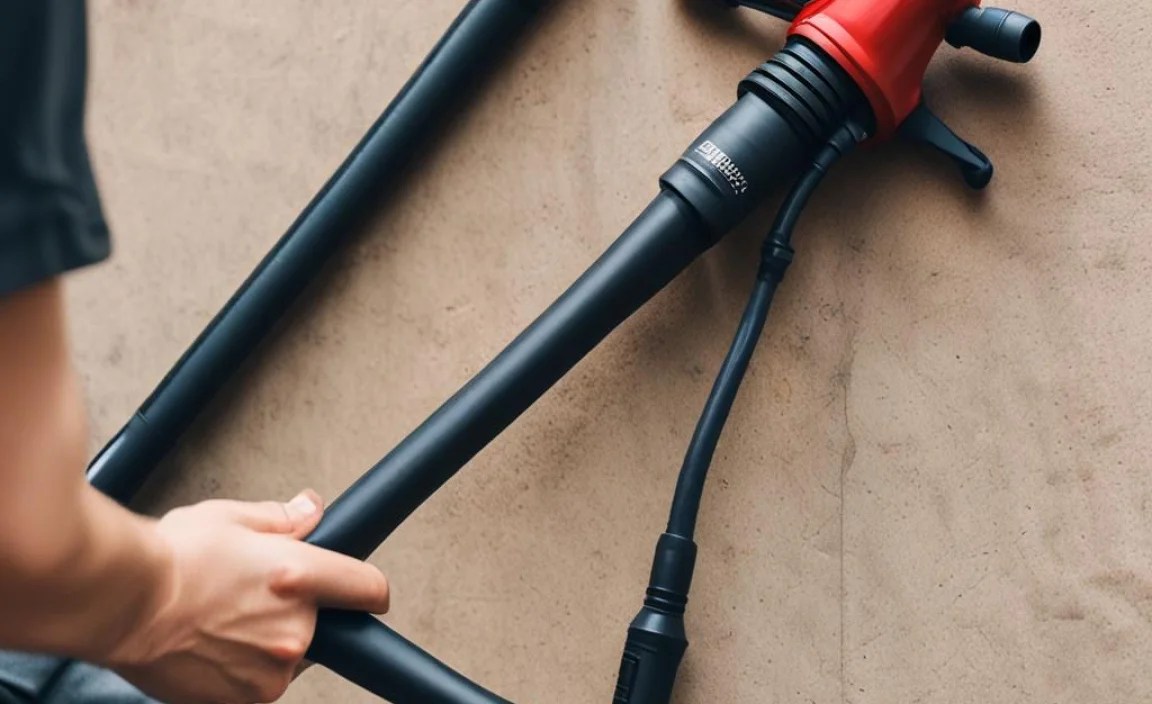
Sometimes, things don’t go as planned. Here are some common issues you might encounter and how to solve them:
Air Leaking Around the Valve
If you hear air leaking around the valve while pumping, it could be due to a poor connection. Make sure the pump head is securely attached and the valve adapter is set correctly. For Presta valves, check that the valve nut is tightened properly after inflation.
Difficulty Pumping
If you’re having trouble pumping, it could be due to a clogged valve or a faulty pump. Try cleaning the valve with a small brush or replacing the pump head. If the pump is old or damaged, it might be time for a new one.
Not Reaching Desired Pressure
If you’re not reaching the desired pressure, it could be due to a leak in the tire or a weak pump. Check the tire for punctures or damage. If the pump is not providing enough pressure, consider upgrading to a more powerful model.
Tips for Efficient Pumping
Here are some tips to make your pumping experience more efficient and effective:
- Use Smooth, Steady Strokes: Avoid jerky or erratic movements, as this can waste energy and make it harder to inflate the tire.
- Brace the Pump: Place the pump on the ground and brace it with one hand to provide stability.
- Use Your Body Weight: For hand pumps, use your body weight to generate more force.
- Take Breaks: If you’re pumping for a long time, take breaks to avoid fatigue.
- Keep Your Pump Clean: Regularly clean your pump to remove dirt and debris, which can affect its performance.
Choosing the Right Mini Bike Pump

With so many mini bike pumps on the market, it can be tough to choose the right one. Here’s what to consider:
Valve Compatibility
The most important factor is valve compatibility. Make sure the pump works with the type of valves on your bike tires (Presta or Schrader). Some pumps have a dual-head design that works with both types.
Size and Weight
Consider the size and weight of the pump. A smaller, lighter pump is easier to carry on your rides, but it might require more pumping to reach the desired pressure.
Pressure Capacity
Check the pump’s pressure capacity. Road bikes typically require higher pressures (100-120 PSI), while mountain bikes use lower pressures (30-50 PSI). Choose a pump that can handle the pressures you need.
Durability
Look for a pump made from durable materials like aluminum or high-quality plastic. A well-built pump will last longer and withstand the rigors of cycling.
Price
Mini bike pumps range in price from around $20 to $100 or more. Consider your budget and choose a pump that offers the best value for your needs.
Mini Pump Maintenance
To keep your mini pump in good working order, perform regular maintenance. Here are some tips:
- Clean the Pump: Wipe down the pump with a damp cloth after each use to remove dirt and debris.
- Lubricate Moving Parts: Apply a small amount of lubricant to the pump’s moving parts, such as the handle and piston, to keep them working smoothly.
- Check for Damage: Inspect the pump regularly for signs of damage, such as cracks or leaks. Replace any damaged parts as needed.
- Store Properly: Store your pump in a cool, dry place away from direct sunlight and extreme temperatures.
Mini Bike Pump Recommendations
Here’s a table of recommended mini bike pumps, based on different needs and budgets:
| Pump | Valve Compatibility | Pressure Capacity | Features | Price Range |
|---|---|---|---|---|
| Lezyne Micro Floor Drive HP | Presta/Schrader | 160 PSI | Foot peg, gauge | $70-80 |
| Topeak Pocket Rocket | Presta/Schrader | 160 PSI | Lightweight, compact | $30-40 |
| Crankbrothers Sterling S | Presta/Schrader | 100 PSI | Affordable, reliable | $20-30 |
| Park Tool PMP-5 | Presta/Schrader | 100 PSI | Durable, ergonomic | $35-45 |
Mini Bike Pump vs. CO2 Inflator
While mini pumps are a reliable option, CO2 inflators offer a faster way to inflate your tires. Here’s a comparison:
| Feature | Mini Bike Pump | CO2 Inflator |
|---|---|---|
| Inflation Speed | Slow | Fast |
| Portability | Good | Excellent |
| Cost | Low (initial cost) | High (ongoing cost of cartridges) |
| Reliability | High | Moderate (cartridges can fail) |
| Environmental Impact | Low | High (CO2 emissions) |
FAQ: Using a Mini Bike Pump
What’s the difference between Presta and Schrader valves?
Presta valves are narrow and have a small nut at the tip that you need to loosen before inflating. Schrader valves are wider and similar to those found on car tires.
How do I know what tire pressure to use?
The recommended tire pressure is usually printed on the sidewall of your tire. Use a tire pressure gauge to check the pressure and avoid overinflation.
Can I use a mini pump for tubeless tires?
Yes, but it might be more difficult. Tubeless tires often require a higher initial pressure to seat the bead. A CO2 inflator or a floor pump with a high-volume chamber might be more effective.
What if my mini pump doesn’t fit my valve?
Some mini pumps come with adapters for different valve types. Make sure you’re using the correct adapter for your valve. If your pump doesn’t have an adapter, you might need to purchase one separately.
How often should I check my tire pressure?
It’s a good idea to check your tire pressure before each ride. Tires can lose air over time, especially if they have small punctures or leaks.
What should I do if my tire keeps losing air?
If your tire keeps losing air, it could be due to a puncture or a faulty valve. Inspect the tire for punctures and repair them with a patch kit or replace the tube. If the valve is leaking, try tightening the valve nut or replacing the valve core.
Where can I find the right adapter for my mini pump?
You can usually find adapters for mini pumps at your local bike shop or online. Make sure to choose an adapter that is compatible with your pump and valve type.
Other Essential Bike Tools
Beyond a mini pump, consider these essential tools for your cycling toolkit:
- Tire Levers: For removing tires from rims.
- Multi-Tool: A compact tool with various Allen wrenches and screwdrivers.
- Patch Kit: For repairing punctures on the go.
- Chain Tool: For repairing or replacing your bike chain. You can also use this guide from Park Tool.
- Bike Lubricant: To keep your chain and other moving parts running smoothly.
Conclusion
Using a mini bike pump is a fundamental skill for any cyclist. With the right pump and a little practice, you’ll be able to inflate your tires quickly and easily, no matter where you are. Remember to choose a pump that’s compatible with your bike’s valves, check your tire pressure regularly, and maintain your pump to keep it in good working order. With these tips, you’ll be well-prepared for any flat tire situation and can enjoy your rides with confidence. Happy cycling!


