
How to EASILY Install Non-Return Valve in Hand Pump

Quick Summary:
Installing a non-return valve (check valve) in a hand pump is straightforward. First, gather your tools: the valve itself, pipe sealant tape, and wrenches. Disconnect the pump from the water source. Apply sealant tape to the valve threads, then screw the valve into the pump intake, ensuring the arrow on the valve points towards the pump. Reconnect the water source, and test the pump to confirm water flows only one way, into the pump.
Hand pumps are reliable workhorses for moving water, but they can sometimes lose their prime, making each pumping session a struggle. A common culprit? Water flowing back down the intake pipe when the pump isn’t actively being used. This is where a non-return valve, also known as a check valve, steps in as your trusty sidekick.
Installing a non-return valve is a simple upgrade that makes a huge difference. It ensures water only flows one way – into your pump – keeping it primed and ready to go. Don’t worry if you’re not a plumbing pro; this guide breaks down the process into easy-to-follow steps. We’ll walk you through everything from choosing the right valve to the final test, so you can say goodbye to frustrating priming issues and hello to smooth, consistent water flow.
What is a Non-Return Valve and Why Do You Need One?

A non-return valve, or check valve, is a simple but ingenious device designed to allow fluids (in this case, water) to flow in only one direction. Think of it as a one-way street for water. Inside the valve, there’s a mechanism – often a hinged disc or a spring-loaded ball – that opens when water flows in the desired direction and automatically closes to prevent backflow.
So, why is this important for your hand pump? Here’s the deal:
- Prevents Backflow: The primary function is to stop water from flowing back down the intake pipe when the pump isn’t operating. This keeps the pump primed, meaning it’s always full of water and ready to go.
- Maintains Prime: By preventing backflow, the non-return valve ensures that the pump doesn’t lose its prime. This saves you the hassle of re-priming the pump every time you want to use it.
- Increases Efficiency: A primed pump is a more efficient pump. You’ll get more water with less effort, making your pumping sessions easier and faster.
- Reduces Wear and Tear: Constant re-priming can put extra strain on the pump’s internal components. A non-return valve helps to reduce this strain, prolonging the life of your pump.
Choosing the Right Non-Return Valve

Before you start wrenching, you need to make sure you have the right non-return valve for your hand pump. Here’s what to consider:
1. Size and Thread Type
The most crucial factor is the size and thread type of the valve. It needs to match the inlet of your hand pump and the outlet of your water source pipe. Common sizes are 1/2 inch, 3/4 inch, and 1 inch. Thread types are usually NPT (National Pipe Thread) or BSP (British Standard Pipe). Measure the diameter of your pipes and check the thread type to ensure a proper fit. Using the wrong size or thread type will result in leaks or an inability to connect the valve.
2. Material
Non-return valves come in various materials, each with its own pros and cons:
- Brass: Durable and corrosion-resistant, brass is a popular choice for water systems. It’s suitable for most applications, including potable water.
- Stainless Steel: Even more corrosion-resistant than brass, stainless steel is ideal for harsh environments or applications where water quality is a concern.
- PVC: Lightweight and inexpensive, PVC is suitable for low-pressure applications and non-potable water systems. However, it’s not as durable as metal valves.
- Plastic: Similar to PVC but may include other types of plastic. Ensure it is rated for the intended use.
For most hand pump applications, brass or stainless steel are the best choices due to their durability and resistance to corrosion.
3. Valve Type
There are several types of non-return valves, but the most common for hand pumps are:
- Swing Check Valve: This type has a hinged disc that swings open to allow flow and closes against a seat to prevent backflow. They are reliable and have low flow resistance.
- Spring Check Valve: This type uses a spring-loaded poppet that opens when the pressure exceeds the spring force and closes when the pressure drops. They can be installed in any orientation and are suitable for applications where backflow needs to be prevented quickly.
- Ball Check Valve: Uses a ball that seats against an opening. These are usually found in smaller sizes and are very reliable.
For hand pumps, swing check valves are often preferred due to their simple design and low flow resistance. However, spring check valves can be a good option if you need to install the valve vertically.
4. Pressure Rating
Make sure the valve’s pressure rating is suitable for your water system. The pressure rating indicates the maximum pressure the valve can handle without failing. Check the specifications of your hand pump and water source to determine the appropriate pressure rating.
5. Flow Rate
Consider the flow rate of your hand pump when choosing a non-return valve. The valve should be able to handle the pump’s maximum flow rate without causing excessive pressure drop. Check the valve’s flow coefficient (Cv) to ensure it’s adequate for your application.
Tools and Materials You’ll Need

Before you get started, gather all the necessary tools and materials. This will make the installation process smoother and more efficient.
- Non-Return Valve: The correct size, thread type, and material for your hand pump.
- Pipe Sealant Tape (Teflon Tape): To create a watertight seal on threaded connections.
- Two Adjustable Wrenches: To tighten and loosen pipe fittings.
- Clean Rags: To wipe up any spills and keep your work area clean.
- Bucket: To catch any water that may spill during the installation process.
- Gloves (Optional): To protect your hands.
- Safety Glasses (Recommended): To protect your eyes from debris.
Step-by-Step Guide to Installing a Non-Return Valve

Now that you have the right valve and all the necessary tools, it’s time to get to work. Follow these step-by-step instructions to install your non-return valve:
Step 1: Disconnect the Pump from the Water Source
The first step is to disconnect your hand pump from its water source. This could be a well, a water tank, or a pipe connected to a municipal water supply. If the water source is pressurized, turn off the water supply valve before disconnecting the pump. This will prevent water from gushing out when you remove the pump.
Step 2: Prepare the Valve
Before installing the valve, inspect it for any defects or damage. Make sure the internal mechanism (disc or poppet) moves freely. Also, check the direction of flow indicated on the valve body. There should be an arrow showing the direction in which water is supposed to flow. This is crucial for proper installation.
Step 3: Apply Pipe Sealant Tape
Apply pipe sealant tape (Teflon tape) to the threads of the valve. Wrap the tape clockwise, overlapping each layer slightly. Use about three to four layers of tape to ensure a good seal. The tape will help to prevent leaks by filling in any imperfections in the threads. Applying the tape in the wrong direction can cause it to unravel when you screw in the fitting.
Step 4: Install the Non-Return Valve
Screw the non-return valve into the intake of the hand pump. Make sure the arrow on the valve is pointing towards the pump. This indicates that water should flow from the water source into the pump, not the other way around. Tighten the valve using two adjustable wrenches. Use one wrench to hold the pump intake and the other to tighten the valve. This will prevent you from putting excessive stress on the pump body. Tighten the valve until it’s snug, but don’t overtighten it, as this could damage the threads.
Step 5: Reconnect the Water Source
Reconnect the hand pump to the water source. Again, apply pipe sealant tape to the threads of the water source pipe before connecting it to the valve. Tighten the connection using two adjustable wrenches, as you did in Step 4. Make sure the connection is secure and watertight.
Step 6: Test the Installation
Turn on the water supply valve (if you turned it off earlier) and test the pump. Operate the hand pump and observe the water flow. Water should flow freely into the pump, but it should not flow back down the intake pipe when you stop pumping. If you notice any leaks, tighten the connections further. If the leaks persist, you may need to disassemble the connections, apply fresh pipe sealant tape, and reassemble.
Troubleshooting Common Issues
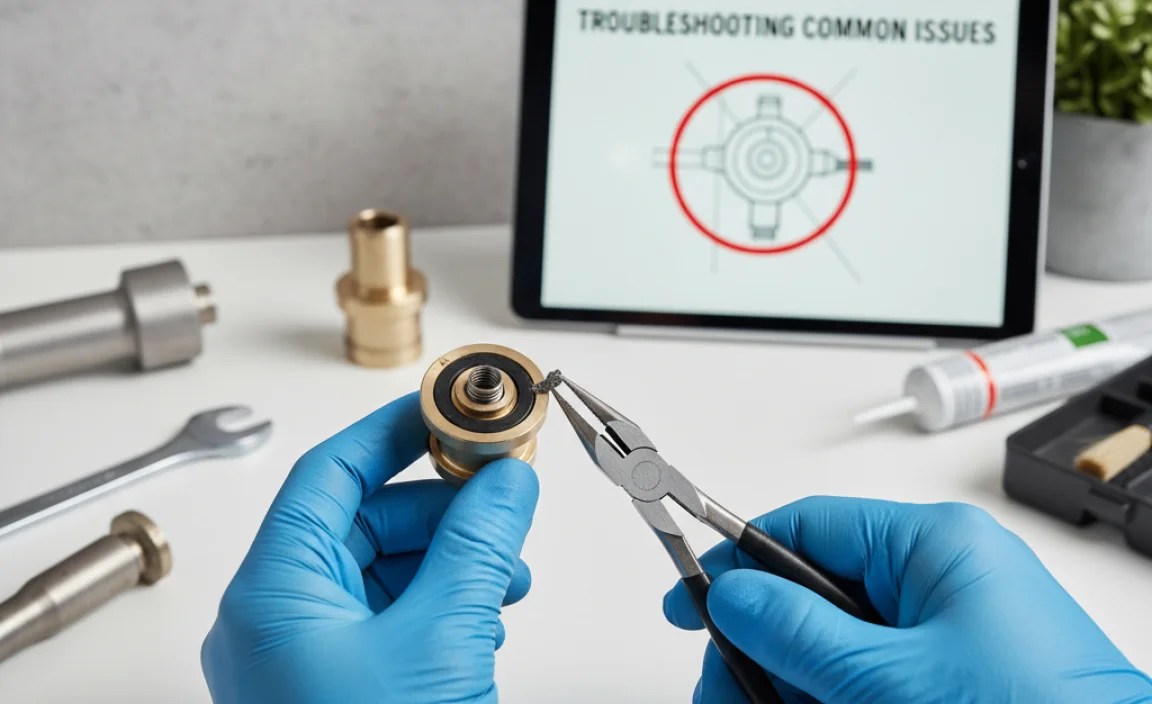
Even with careful installation, you may encounter some issues. Here’s how to troubleshoot them:
- Leaks: Leaks are the most common problem. Check all connections and tighten them further. If the leaks persist, disassemble the connections, apply fresh pipe sealant tape, and reassemble.
- Reduced Flow: If the flow rate is lower than expected, make sure the valve is installed in the correct direction. Also, check the valve for any obstructions or debris.
- Valve Not Closing: If the valve is not preventing backflow, it may be damaged or defective. Disassemble the valve and inspect the internal mechanism. If it’s damaged, replace the valve.
- Pump Still Loses Prime: If the pump still loses prime after installing the valve, there may be other leaks in the system. Check all connections and fittings for leaks. Also, make sure the intake pipe is submerged deep enough in the water source.
Tips for Maintaining Your Non-Return Valve
To ensure your non-return valve continues to function properly, follow these maintenance tips:
- Regular Inspection: Periodically inspect the valve for leaks, corrosion, or damage.
- Cleaning: If you notice any debris or sediment buildup in the valve, clean it out. Disassemble the valve and rinse the internal components with clean water.
- Lubrication: If the valve has any moving parts (such as a hinged disc), lubricate them with a silicone-based lubricant. This will help to prevent corrosion and ensure smooth operation.
- Replacement: Non-return valves have a limited lifespan. If you notice any signs of wear or damage, replace the valve.
Cost Considerations
The cost of installing a non-return valve in your hand pump will depend on several factors, including the type and size of the valve, the materials used, and whether you hire a professional plumber.
Here’s a breakdown of the typical costs:
| Item | Cost |
|---|---|
| Non-Return Valve | $10 – $50 |
| Pipe Sealant Tape | $2 – $5 |
| Adjustable Wrenches (if you don’t already have them) | $20 – $50 |
| Professional Plumber (if needed) | $50 – $150 per hour |
If you’re comfortable doing the installation yourself, you can save a significant amount of money on labor costs. However, if you’re not confident in your plumbing skills, it’s best to hire a professional to ensure the job is done correctly.
Advantages and Disadvantages of Using a Non-Return Valve
Like any plumbing component, non-return valves have their pros and cons. Here’s a summary:
Advantages:
- Prevents Backflow: The primary advantage is preventing water from flowing back down the intake pipe.
- Maintains Prime: Keeps the pump primed, saving you the hassle of re-priming.
- Increases Efficiency: A primed pump is more efficient, requiring less effort to operate.
- Reduces Wear and Tear: Reduces strain on the pump’s internal components, prolonging its life.
- Simple Installation: Relatively easy to install, even for beginners.
Disadvantages:
- Potential for Leaks: If not installed properly, can cause leaks.
- Flow Restriction: Can slightly reduce the flow rate due to the valve’s internal mechanism.
- Maintenance Required: Needs periodic inspection and cleaning to ensure proper operation.
- Limited Lifespan: Has a limited lifespan and may need to be replaced eventually.
FAQ
1. What size non-return valve do I need for my hand pump?
Match the valve size to the inlet pipe size on your pump—usually 1/2 inch, 3/4 inch, or 1 inch. Check your pump’s specifications or measure the pipe for the correct fit.
2. Can I install a non-return valve vertically?
Yes, but use a spring check valve. Swing check valves are best for horizontal pipes to ensure proper closure.
3. How do I know which direction to install the valve?
Look for an arrow on the valve body. It shows the correct flow direction—pointing towards the pump to allow water in but prevent backflow.
4. What type of sealant should I use on the valve threads?
Use Teflon tape (pipe sealant tape). Wrap it clockwise around the threads to ensure a watertight seal when you screw the valve in.
5. How often should I replace the non-return valve?
Inspect it regularly for leaks or wear. Replace it every few years, or sooner if you notice reduced flow or backflow problems.
6. What happens if I install the non-return valve backward?
The pump won’t draw water. The valve will block any flow, preventing the pump from priming or moving water.
7. Can a non-return valve fix a pump that constantly loses prime?
Yes, it’s designed to do that. By preventing backflow, it keeps the pump full of water and ready to use, solving the prime loss issue.
Conclusion
Installing a non-return valve in your hand pump is a simple yet effective way to improve its performance and reliability. By preventing backflow and maintaining prime, you’ll save time, effort, and frustration. While it might seem daunting at first, following these step-by-step instructions will make the process straightforward. Remember to choose the right valve for your needs, gather the necessary tools, and take your time to ensure a proper installation.
With a non-return valve in place, you can say goodbye to those frustrating priming issues and enjoy a smooth, consistent water flow whenever you need it. So, grab your tools, get to work, and experience the difference a simple valve can make. Your hand pump – and your muscles – will thank you!


