
How to Easily Pump a Tubeless Tyre with Hand Pump

Quick Summary: Pumping up a tubeless tire with a hand pump can be tricky, but it’s totally doable! First, make sure your tire is properly seated on the rim. Then, use a high-volume hand pump and inflate quickly and steadily. Listen for the “pop” as the tire seals. If it’s not working, try using a strap to hold the tire in place or adding more sealant. Practice makes perfect!
Tubeless tires offer a smoother ride and fewer flats, but sometimes getting them inflated can be a real headache. You’re ready to hit the road or trail, but your tire just won’t cooperate. It’s a common frustration for many cyclists, especially when you only have a hand pump available. Don’t worry, you’re not alone! With the right technique and a little patience, you can successfully inflate a tubeless tire with a hand pump. This guide will walk you through each step, so you can get back to enjoying your ride.
What You’ll Need

Before you start, gather these essential items. Having everything ready will make the process smoother and less frustrating.
- Tubeless-Ready Wheelset and Tire: Make sure your rims and tires are specifically designed for tubeless use.
- Tubeless Sealant: This liquid fills small punctures and helps maintain air pressure.
- Tubeless Valves: These special valves have a removable core for easy sealant addition.
- Valve Core Removal Tool: Used to remove the valve core.
- High-Volume Hand Pump: A pump designed to move a lot of air quickly is essential.
- Floor Pump (Optional): A floor pump can make seating the tire easier initially.
- Tire Levers: For mounting the tire (use carefully to avoid damage).
- Soapy Water or Tire Seating Lube: Helps the tire bead slide onto the rim.
- Rag or Sponge: For cleaning up any sealant spills.
- Strap or Band (Optional): To help hold the tire against the rim.
Step-by-Step Guide to Pumping a Tubeless Tire with a Hand Pump

Follow these steps carefully to successfully inflate your tubeless tire using a hand pump.
1. Prepare the Rim and Tire
First, ensure your rim is clean and free of any old sealant or debris. A clean surface helps the tire seat properly. Inspect the tire for any damage or punctures. A compromised tire won’t hold air, no matter how hard you pump.
2. Mount the Tire
Mount one side of the tire onto the rim. This is usually done by hand, but tire levers can help if the tire is tight. Be careful not to pinch the tube (since there isn’t one!).
3. Install the Tubeless Valve
Insert the tubeless valve into the valve hole on the rim. Secure it with the valve nut, tightening it by hand. Make sure it’s snug but not overtightened, which can damage the rim or valve.
4. Add Tubeless Sealant
Before seating the other side of the tire, add the tubeless sealant. There are two common methods:
- Through the Valve: Remove the valve core using the valve core removal tool. Attach a sealant injector or bottle with a nozzle to the valve stem and inject the recommended amount of sealant (usually marked on the tire or sealant bottle). Replace the valve core.
- Directly into the Tire: Seat one side of the tire, pour the sealant into the tire, and then carefully seat the remaining side.
Check the sealant manufacturer’s instructions for the correct amount to use. Too little sealant won’t seal punctures effectively; too much can add unnecessary weight and mess.
5. Seat the Tire Bead
This is often the trickiest part. The goal is to get both beads of the tire to lock into the rim. Here’s how:
- Apply Soapy Water: Use a sponge or rag to apply soapy water or tire seating lube to both sides of the tire where it meets the rim. This helps the tire slide into place.
- Position the Tire: Make sure the tire is evenly seated around the rim. There shouldn’t be any bulges or pinches.
- Start Pumping: Attach your hand pump to the valve. Begin pumping quickly and steadily. The goal is to deliver a high volume of air to push the tire beads onto the rim.
- Listen for the Pop: As you pump, listen for a “pop” or “snapping” sound. This indicates that the tire bead is seating onto the rim. You should hear this in several places around the rim.
6. Check the Tire Seating
Inspect the tire to ensure it’s evenly seated around the rim. Look for a uniform gap between the tire bead and the rim. If you see any bulges or areas where the tire isn’t seated correctly, deflate the tire slightly and try again, focusing on those specific areas.
7. Inflate to the Correct Pressure
Once the tire is properly seated, inflate it to the recommended pressure. This is usually printed on the sidewall of the tire. Use your hand pump to reach the desired pressure, checking it with a pressure gauge if your pump doesn’t have one.
8. Shake and Spin
After inflation, shake the wheel and spin it to distribute the sealant evenly inside the tire. This helps seal any small leaks and ensures a good seal.
9. Check for Leaks
Inspect the tire, valve, and rim for any leaks. Listen for hissing sounds or look for bubbles forming in the sealant. If you find a leak, rotate the wheel so the leak is at the bottom. The sealant should naturally flow to the leak and seal it.
Troubleshooting Common Issues
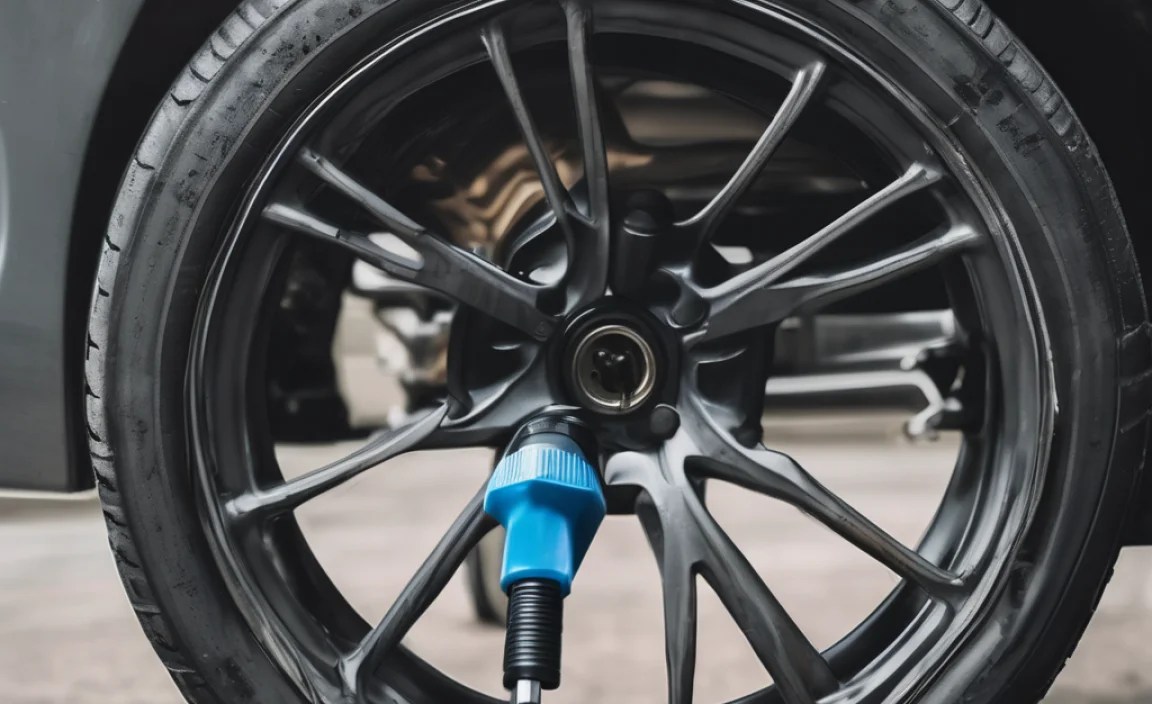
Sometimes, things don’t go as planned. Here are some common problems and how to fix them.
Tire Won’t Seat
If the tire won’t seat, even with rapid pumping, try these solutions:
- Use a Floor Pump: A floor pump delivers more air volume than a hand pump, making it easier to seat the tire initially.
- Remove the Valve Core: Removing the valve core allows more air to flow into the tire quickly. Be prepared to reinstall it quickly once the tire is seated.
- Use a Strap: Wrap a strap or band tightly around the circumference of the tire to force the beads towards the rim. This can help create a tighter seal and allow the tire to inflate.
- More Soapy Water: Apply more soapy water to the tire beads to help them slide into place.
Air Leaking from the Valve
If air is leaking from the valve, check these things:
- Tighten the Valve Nut: Make sure the valve nut is snug but not overtightened.
- Check the Valve Core: Ensure the valve core is properly tightened.
- Replace the Valve Core: The valve core might be damaged. Replacing it can solve the problem.
Air Leaking from the Tire
If air is leaking from the tire itself:
- Shake and Spin: Shake the wheel and spin it to distribute the sealant.
- Add More Sealant: You might need to add more sealant to effectively seal the tire.
- Inspect the Tire: Look for any cuts or punctures in the tire. Larger punctures may require a tire plug or patch.
Choosing the Right Hand Pump for Tubeless Tires

Not all hand pumps are created equal. For tubeless tires, you need a pump that can deliver a high volume of air quickly.
Key Features to Look For
- High-Volume Design: Look for pumps specifically designed for tubeless tires or those with a high-volume setting.
- Integrated Pressure Gauge: A gauge helps you inflate the tire to the correct pressure.
- Durable Construction: Choose a pump made from sturdy materials that can withstand frequent use.
- Compact and Portable: A smaller pump is easier to carry on rides for emergency repairs.
Recommended Hand Pumps
Here are a few hand pumps that are well-suited for tubeless tire inflation:
| Pump | Features | Pros | Cons |
|---|---|---|---|
| Lezyne Micro Floor Drive HP | High-pressure, floor pump design, integrated gauge | Efficient, easy to use, accurate pressure readings | Slightly larger than other hand pumps |
| Topeak Road Morph G | Fold-out footpad, integrated gauge | Stable, easy to pump, accurate pressure readings | Can be bulky for some riders |
| Blackburn Chamber HV Mini-Pump | High-volume, compact design | Great for tubeless tires, easy to carry | Gauge not as accurate as floor pump gauges |
Tips for Easier Tubeless Inflation

Here are some additional tips to make tubeless inflation easier:
- Practice: Practice inflating tubeless tires at home before you need to do it on the trail.
- Warm Tires: Warm tires are more pliable and easier to seat. If possible, warm the tire in the sun or indoors before mounting it.
- Use a Tire Seating Tool: Some specialized tools help push the tire beads onto the rim.
- Check Rim Tape: Ensure your rim tape is properly installed and covers the entire rim bed. Damaged or poorly installed tape can cause leaks.
Understanding Tubeless Tire Technology
Knowing the basics of tubeless tire technology can help you better understand the inflation process and troubleshoot any issues.
What are Tubeless Tires?
Tubeless tires are designed to be used without an inner tube. They create an airtight seal with the rim, allowing you to run lower tire pressures without the risk of pinch flats. This results in a smoother ride, better traction, and fewer flats overall.
Benefits of Tubeless Tires
- Fewer Flats: Sealant automatically seals small punctures.
- Lower Tire Pressure: Improved comfort and traction.
- Better Rolling Resistance: Can result in a faster ride.
How Tubeless Systems Work
Tubeless systems rely on several key components:
- Tubeless-Ready Rims: These rims have a special bead lock design that helps the tire seal properly.
- Tubeless-Ready Tires: These tires have reinforced sidewalls and a tighter bead to create an airtight seal.
- Tubeless Sealant: This liquid sealant fills small punctures and helps maintain air pressure.
Maintaining Your Tubeless Tires
Proper maintenance is essential for keeping your tubeless tires in good condition.
Checking Tire Pressure
Regularly check your tire pressure before each ride. Use a reliable pressure gauge to ensure you’re within the recommended range. Overinflating or underinflating can negatively affect performance and safety.
Adding Sealant
Tubeless sealant dries out over time, so you’ll need to replenish it periodically. Check the sealant level every few months and add more as needed. The frequency depends on the climate and the type of sealant you’re using.
Inspecting for Damage
Regularly inspect your tires for cuts, punctures, and wear. Small cuts can often be sealed by the sealant, but larger punctures may require a tire plug or patch. Replace worn tires to maintain optimal performance and safety.
Cleaning and Storage
Keep your tires clean and free of debris. Use a mild soap and water to clean them, and avoid using harsh chemicals that can damage the rubber. Store your bike in a cool, dry place away from direct sunlight to prolong the life of your tires.
FAQ: Pumping Tubeless Tires with a Hand Pump
1. Can I use any hand pump for tubeless tires?
Not all hand pumps are suitable for tubeless tires. You’ll need a high-volume pump that can deliver a large amount of air quickly to seat the tire beads properly. Standard low-volume pumps may not provide enough airflow.
2. How much sealant should I use in my tubeless tires?
The amount of sealant you need depends on the tire size and the manufacturer’s recommendations. A good starting point is about 2-3 ounces (60-90ml) for a standard mountain bike tire and slightly less for road or gravel tires. Always follow the sealant manufacturer’s instructions.
3. What if the tire still won’t seat after multiple attempts?
If the tire refuses to seat, double-check that the rim tape is properly installed and covers the entire rim bed. Also, ensure that the tire beads are clean and free of any debris. Using a tire seating tool or a strap to hold the tire against the rim can also help. As a last resort, try using a CO2 inflator for a quick burst of air.
4. How often should I replace the sealant in my tubeless tires?
The frequency of sealant replacement depends on the climate and the type of sealant you’re using. In general, you should check the sealant level every 2-3 months and add more as needed. In hot, dry climates, the sealant may dry out more quickly.
5. Can I use a tube in a tubeless tire if I get a flat?
Yes, you can install a tube in a tubeless tire if you get a flat that the sealant can’t fix. Simply remove the tubeless valve, insert the tube, and inflate it as you would with a standard tire. This is a good option for getting you home or to a repair shop.
6. What tire pressure should I use with tubeless tires?
Tubeless tires allow you to run lower tire pressures than traditional tube-type tires. The ideal pressure depends on your weight, riding style, and the terrain. As a general guideline, start with a pressure that’s about 10-15% lower than what you would use with tubes and adjust from there based on your experience.
7. Is it normal to lose some air pressure overnight with tubeless tires?
Yes, it’s normal to lose a small amount of air pressure overnight with tubeless tires. The sealant is constantly working to seal small imperfections in the tire and rim, which can result in some air loss. However, if you’re losing a significant amount of pressure, there may be a leak that needs to be addressed.
Conclusion
Pumping up a tubeless tire with a hand pump might seem challenging at first, but with the right tools, techniques, and a bit of patience, it’s absolutely achievable. Remember to prepare your rim and tire properly, use plenty of soapy water, and pump quickly to seat the beads. Don’t get discouraged if it takes a few tries. By following these steps and troubleshooting common issues, you’ll be able to keep your tubeless tires inflated and enjoy the benefits of a smoother, more reliable ride. Happy cycling!


