
How to Maintain a Bicycle Hand Pump: Easy Guide

Quick Summary: Maintaining your bicycle hand pump is easy! Regularly clean the pump head and check for leaks. Lubricate the piston and seals every few months with silicone grease. Store your pump in a dry place to prevent rust. These simple steps will keep your pump working efficiently and extend its lifespan.
A good bicycle hand pump is essential for keeping your tires inflated and your rides smooth. But like any tool, it needs a little TLC to keep working its best. A sticky pump, slow inflation, or air leaks can turn a quick top-off into a frustrating struggle. Don’t worry, though! With a few simple steps, you can easily maintain your bicycle hand pump and keep it pumping strong for years to come.
In this guide, I’ll walk you through the process of cleaning, lubricating, and storing your hand pump. We’ll cover everything from identifying common problems to performing basic maintenance, ensuring your pump is always ready when you need it. Let’s get started!
Why Maintain Your Bicycle Hand Pump?

Before we dive into the “how-to,” let’s talk about why pump maintenance is so important. A well-maintained pump offers several benefits:
- Improved Efficiency: A clean and lubricated pump inflates tires faster and with less effort.
- Extended Lifespan: Regular maintenance prevents wear and tear, extending the life of your pump.
- Reduced Frustration: A properly functioning pump eliminates the hassle of leaks, sticking, and slow inflation.
- Cost Savings: By maintaining your pump, you avoid the cost of frequent replacements.
Tools and Materials You’ll Need

Gather these essential tools and materials before you begin:
- Silicone Grease: Specifically designed for rubber and plastic parts. Avoid petroleum-based grease, which can damage seals.
- Clean Rags: For wiping away dirt and excess grease.
- Small Brush: An old toothbrush or similar brush for cleaning tight spaces.
- Adjustable Wrench or Pliers: For loosening and tightening pump components (if needed).
- Small Screwdriver Set: For removing screws on some pump models.
- Mild Soap and Water: For cleaning the pump head and exterior.
- Safety Glasses: Protect your eyes from debris.
- Gloves (Optional): To keep your hands clean.
Step-by-Step Guide to Maintaining Your Bicycle Hand Pump

Follow these steps to keep your bicycle hand pump in top condition:
Step 1: Disassembly and Inspection
Carefully disassemble your pump to access the internal components. Here’s how:
- Prepare Your Workspace: Lay down a clean cloth or paper towels to protect your work surface.
- Remove the Pump Head: Unscrew the pump head from the hose. Some pump heads have a lever or clamp that needs to be released first.
- Disassemble the Pump Head (If Possible): Some pump heads can be taken apart further to access the internal rubber seals. If yours can, carefully disassemble it, noting the order of the parts.
- Remove the Piston: Unscrew the handle from the pump body. Then, pull out the piston assembly. This might require some force, but be gentle to avoid damaging anything.
- Inspect All Parts: Check the pump head, hose, piston, seals, and pump body for signs of wear, cracks, or damage. Pay close attention to rubber seals, as these are prone to drying out and cracking.
Step 2: Cleaning the Components
Clean all the parts to remove dirt and grime:
- Clean the Pump Head: Wash the pump head (and its disassembled parts, if applicable) with mild soap and water. Use a small brush to scrub away any dirt or debris. Rinse thoroughly and allow to dry completely.
- Clean the Piston and Cylinder: Wipe down the piston and the inside of the pump cylinder with a clean rag. If there’s stubborn grime, use a slightly damp rag with a bit of mild soap. Make sure everything is completely dry before reassembling.
- Clean the Hose: Inspect the hose for cracks or damage. Wipe it down with a damp cloth to remove any dirt.
Step 3: Lubrication
Proper lubrication is key to smooth pump operation:
- Apply Silicone Grease: Apply a thin layer of silicone grease to the piston seal. This will help it slide smoothly inside the cylinder.
- Grease the Cylinder Walls: Use your finger or a small brush to apply a thin layer of silicone grease to the inside of the pump cylinder.
- Lubricate the Pump Head Seals: If you disassembled the pump head, apply a small amount of silicone grease to the rubber seals before reassembling.
Step 4: Reassembly
Carefully reassemble the pump:
- Reinsert the Piston: Slide the piston assembly back into the pump cylinder. Screw the handle back onto the pump body, tightening it securely.
- Reassemble the Pump Head: If you disassembled the pump head, reassemble it in the correct order, referring to your notes if needed.
- Attach the Pump Head to the Hose: Screw the pump head back onto the hose, tightening it securely.
Step 5: Testing and Final Adjustments
Test the pump to ensure it’s working properly:
- Test the Pump: Attach the pump head to a bicycle tire valve and try inflating the tire. Check for leaks around the pump head and hose connections.
- Adjust as Needed: If you notice any leaks, tighten the connections or replace worn seals. If the pump is still not working smoothly, double-check that all parts are properly lubricated.
Troubleshooting Common Pump Problems
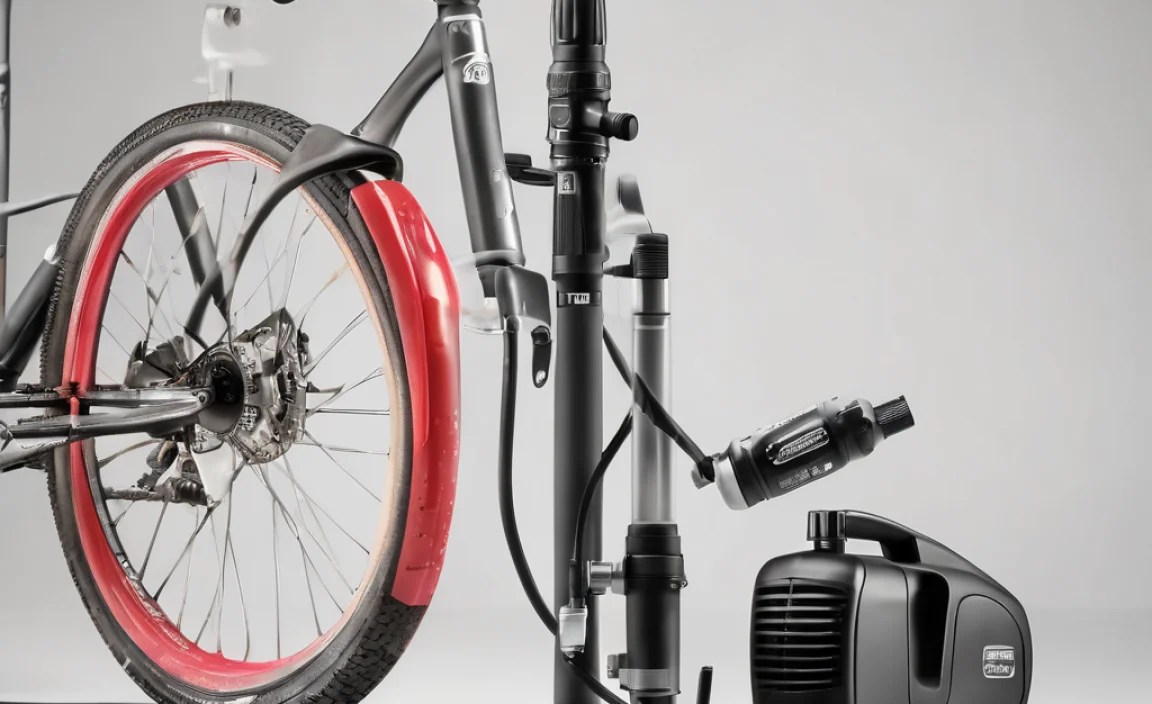
Even with regular maintenance, you might encounter some common pump problems. Here’s how to troubleshoot them:
| Problem | Possible Cause | Solution |
|---|---|---|
| Pump is hard to push | Lack of lubrication, dirt inside cylinder | Clean and lubricate the piston and cylinder. |
| Air leaks from pump head | Worn or damaged seals in pump head | Replace the seals in the pump head. |
| Pump doesn’t inflate tire | Incorrect pump head setting, damaged valve core | Ensure the pump head is set to the correct valve type (Presta or Schrader). Check and replace the valve core if necessary. |
| Hose is cracked or damaged | Normal wear and tear | Replace the hose. |
| Pump handle feels loose | Loose screws or connections | Tighten all screws and connections. |
Tips for Extending the Life of Your Hand Pump

Follow these tips to keep your hand pump in good condition for longer:
- Store Your Pump Properly: Store your pump in a dry, clean place. Avoid leaving it exposed to the elements, as this can cause rust and corrosion.
- Clean Regularly: Wipe down your pump after each use to remove dirt and grime.
- Lubricate Periodically: Lubricate the piston and seals every few months, or more often if you use your pump frequently.
- Replace Worn Parts: Don’t wait until your pump completely fails. Replace worn seals, hoses, and other parts as soon as you notice signs of wear.
- Use the Correct Valve Setting: Always ensure the pump head is set to the correct valve type (Presta or Schrader) to avoid damaging the valve core.
Choosing the Right Silicone Grease
Selecting the right silicone grease is crucial for maintaining your bicycle hand pump. Not all greases are created equal, and using the wrong type can damage the rubber seals and other components. Here’s what to look for:
- 100% Silicone: Ensure that the grease is 100% silicone-based. Avoid greases that contain petroleum or other additives, as these can degrade rubber.
- NLGI Grade 2: NLGI (National Lubricating Grease Institute) grade 2 is a good consistency for bicycle pump applications. It’s thick enough to stay in place but not so thick that it creates excessive friction.
- Temperature Range: Choose a grease that can withstand a wide range of temperatures. This is especially important if you ride in extreme weather conditions.
- Compatibility: Check the grease label to ensure it’s compatible with rubber and plastic components.
Here’s a comparison table of popular silicone greases suitable for bicycle hand pumps:
| Grease Brand | Key Features | Pros | Cons |
|---|---|---|---|
| Park Tool Polylube 1000 | Waterproof, all-purpose grease | Excellent water resistance, good for various bike components | May be slightly thicker than needed for some pumps |
| Finish Line Silicone Grease | Specifically designed for rubber and plastic | Safe for rubber seals, reduces friction | Can be more expensive than other options |
| Super Lube Silicone Lubricating Grease | Multi-purpose, wide temperature range | Versatile, suitable for extreme conditions | May attract dirt if not applied sparingly |
| Phil Wood Waterproof Grease | High-quality, long-lasting | Excellent durability, protects against corrosion | Higher price point |
Hand Pump vs. Floor Pump: Which is Right for You?
Choosing between a hand pump and a floor pump depends on your needs and riding style. Here’s a comparison to help you decide:
| Feature | Hand Pump | Floor Pump |
|---|---|---|
| Portability | Highly portable, easy to carry on rides | Not portable, designed for home or garage use |
| Inflation Speed | Slower, requires more effort | Faster, easier to inflate tires to high pressures |
| Pressure Gauge | Often lacks a precise pressure gauge | Typically includes an accurate pressure gauge |
| Best Use | Emergency repairs, topping off tire pressure on the go | Regular tire inflation, achieving precise tire pressure |
| Cost | Less expensive | More expensive |
Hand Pump Pros:
- Compact and lightweight for on-the-go use
- Affordable and easy to store
- Ideal for quick tire pressure adjustments during rides
Hand Pump Cons:
- Requires more physical effort to inflate tires
- Can be challenging to reach high pressures
- Often lacks an accurate pressure gauge
Floor Pump Pros:
- Effortlessly inflates tires to high pressures
- Features an accurate pressure gauge for precise inflation
- Durable and built for frequent use
Floor Pump Cons:
- Not portable, designed for stationary use
- More expensive than hand pumps
- Requires more storage space
For most cyclists, having both a hand pump and a floor pump is the best solution. A floor pump is ideal for regular tire inflation at home, while a hand pump is essential for emergency repairs on the road.
FAQ: Maintaining Your Bicycle Hand Pump
Here are some frequently asked questions about maintaining bicycle hand pumps:
How often should I lubricate my hand pump?
You should lubricate your hand pump every few months, or more often if you use it frequently. A good rule of thumb is to lubricate it whenever you notice it becoming harder to push or when the inflation speed decreases.
What type of grease should I use?
Always use 100% silicone grease. Avoid petroleum-based greases, as they can damage the rubber seals in your pump.
How do I know if my pump head seals are worn out?
If you notice air leaking from the pump head while inflating your tires, the seals are likely worn out and need to be replaced.
Can I use WD-40 to lubricate my hand pump?
No, WD-40 is not a suitable lubricant for bicycle hand pumps. It can dry out rubber seals and attract dirt. Use silicone grease instead.
How do I clean the inside of my pump cylinder?
Use a clean rag wrapped around a thin object, such as a screwdriver or a dowel, to wipe down the inside of the pump cylinder. Make sure the rag is slightly damp with mild soap and water, and ensure the cylinder is completely dry before reassembling.
What should I do if my pump hose is cracked?
If your pump hose is cracked, it needs to be replaced. You can purchase replacement hoses from most bicycle shops or online retailers.
How do I prevent my pump from rusting?
Store your pump in a dry, clean place to prevent rust. Avoid leaving it exposed to the elements, and wipe it down after each use to remove dirt and moisture.
Conclusion
Maintaining your bicycle hand pump might seem like a small task, but it can make a big difference in your cycling experience. By following these simple steps for cleaning, lubricating, and storing your pump, you can ensure it’s always ready to keep your tires properly inflated. A well-maintained pump not only saves you time and effort but also extends the life of your equipment, saving you money in the long run. So, take a few minutes to care for your pump, and enjoy smoother, more efficient rides for years to come. Happy cycling!


