
Ultimate MTB Floor Pump? Find YOUR Perfect One

Have you ever tried to ride your bike with flat tires? It is not fun! You need air in your tires. A good mtb floor pump can help. It makes filling your tires easy. Let’s learn more about these pumps. They are super useful for all bike riders.
Do you know why bike tires lose air? Air can leak out slowly over time. Changes in temperature also affect tire pressure. A mtb floor pump helps you keep your tires just right. This means you have safe and fun rides.
What if you had no way to add air to your tires? You would have to walk your bike home. Or you would have to find a gas station. An mtb floor pump lets you fix your tires anywhere. It’s a must-have tool for any biker.
Key Takeaways
- A reliable mtb floor pump ensures your tires are always properly inflated for safe rides.
- Using the correct pressure improves bike handling and reduces the risk of flats.
- Different types of pumps cater to various valve types and pressure requirements.
- Regularly check your tire pressure to maintain optimal performance on the trails.
- Investing in a quality pump saves time and effort in the long run.
Choosing the Right MTB Floor Pump

Picking the right mtb floor pump can seem tricky. Many different pumps are available. They all have different features. You want one that works well for your bike. Think about what kind of valve your tires use. Some pumps work best with Schrader valves. Others are better for Presta valves. Some pumps can work with both! Also, consider how much pressure you need. Mountain bikes often need higher pressure. Check the pressure range of the pump. Make sure it matches your tires. Think about the pump’s size, too. A bigger pump might be easier to use. But a smaller one is easier to store. Look for a pump that feels good to use. Read reviews to see what other riders think. A good pump will make your life much easier.
- Check valve compatibility (Schrader or Presta).
- Consider the pressure range needed.
- Think about the size and ease of storage.
- Read reviews from other mountain bikers.
- Look for a pump with a comfortable handle.
Using the right pump makes a big difference. A good pump can save you time and effort. It also helps you keep your tires in good shape. This makes your rides safer and more fun. Consider the features that matter most to you. Do you want a digital gauge? Or maybe a pump with a wide base for stability? Think about your budget, too. You don’t have to spend a lot to get a good pump. But investing in a quality one is worth it. It will last longer and work better. Take your time and do your research. You will find the perfect mtb floor pump for your needs.
Fun Fact or Stat: Did you know that properly inflated tires can improve your bike’s speed by up to 10%?
What is Schrader valve?
Have you ever seen the valve on a car tire? That is usually a Schrader valve. These valves are wider than Presta valves. They are very common on mountain bikes. Schrader valves have a spring-loaded pin in the middle. You press this pin to let air in or out. Schrader valves are strong and easy to use. Most gas stations have air pumps that work with Schrader valves. Some people think Schrader valves are less likely to leak air. This makes them a good choice for many bikes. You can find Schrader valves on all kinds of bikes. They are a simple and reliable option. Always check your valve type before buying a pump. Make sure your mtb floor pump works with your valve.
What is Presta valve?
Presta valves are skinnier than Schrader valves. You often see them on road bikes and some mountain bikes. Presta valves have a small nut at the top. You have to unscrew the nut before you can add air. Some people think Presta valves are better for high-pressure tires. They can hold more air without leaking. Presta valves also look a little fancier. But they can be a bit more fragile than Schrader valves. Be careful not to bend the valve when you are pumping. If you have Presta valves, make sure your mtb floor pump is compatible. Some pumps have adapters for both types of valves. These are very useful to have.
Why does the valve matter?
The type of valve on your bike tires matters a lot. It determines what kind of pump you can use. If you have Schrader valves, you need a pump that works with them. If you have Presta valves, you need a pump that works with those. Some pumps can handle both types of valves. These are called dual-head pumps. Knowing your valve type helps you choose the right mtb floor pump. It also makes it easier to fill your tires quickly. Imagine trying to use the wrong pump. You would waste time and get frustrated. Always check your valve before you start pumping. This simple step can save you a lot of trouble.
Understanding Tire Pressure for MTB

Knowing the right tire pressure is key for mountain biking. It affects how well your bike handles. It also impacts your comfort and speed. Too much air can make your ride bumpy. Too little air can cause flats. Tire pressure is measured in PSI (pounds per square inch). The right PSI depends on several things. These include your weight, the type of trails, and your tire size. Most tires have a recommended PSI range printed on the sidewall. Start with that range and adjust as needed. Experiment to find what feels best for you. A good mtb floor pump with a gauge helps you get the pressure just right. Check your tire pressure before each ride. This ensures you have a safe and enjoyable experience. Don’t forget to check your tires regularly for wear and tear.
- Check the recommended PSI range on your tires.
- Adjust pressure based on your weight.
- Consider the type of trails you’ll be riding.
- Use a pump with a reliable pressure gauge.
- Check tire pressure before each ride.
Maintaining the correct tire pressure is not just about comfort. It also improves your bike’s performance. Proper inflation reduces rolling resistance. This means you can ride faster with less effort. It also enhances your control. You’ll be able to steer and brake more effectively. Low tire pressure can lead to pinch flats. This is when the tire gets pinched between the rim and the ground. It can damage your tire and rim. High tire pressure can make the ride harsh and uncomfortable. It can also reduce traction. Finding the right balance is important. Take the time to experiment with different pressures. A mtb floor pump is essential for this. It allows you to make small adjustments easily.
Fun Fact or Stat: The ideal tire pressure can vary by as much as 10 PSI depending on the trail conditions!
Why does PSI matter?
PSI stands for pounds per square inch. It measures the air pressure inside your tire. The right PSI is important for a few reasons. It affects how your bike rides. It also affects how likely you are to get a flat tire. If your PSI is too low, your tire can get pinched. This can cause a flat. If your PSI is too high, your ride can be bumpy. Finding the right PSI makes your ride more comfortable. It also helps you avoid flats. Most tires have a recommended PSI range printed on the side. Use a mtb floor pump to check your PSI before each ride. Adjust it as needed to match the conditions.
How do I find the right PSI?
Finding the right PSI for your tires takes some practice. Start by looking at the recommended range on the tire. This is usually printed on the sidewall. Then, think about your weight. Heavier riders usually need more air. Lighter riders can use less air. Also, consider the type of trails you will be riding. Rougher trails might need lower pressure. This helps absorb bumps. Smoother trails might need higher pressure. This makes you faster. Experiment with different pressures until you find what feels best. Use a mtb floor pump with a gauge to measure the PSI accurately.
What happens if my PSI is wrong?
If your PSI is too low, you risk getting a pinch flat. This happens when your tire gets squeezed between the rim and the ground. It can damage your tire. It can also damage your rim. If your PSI is too high, your ride can be uncomfortable. You will feel every bump in the road. High PSI can also reduce your traction. This means you might slip more easily. Using the right PSI makes your ride safer and more enjoyable. A good mtb floor pump helps you keep your tires at the right pressure. Check your tires before each ride to avoid problems.
Types of Valves: Schrader vs. Presta

Understanding the difference between Schrader and Presta valves is important. It helps you choose the right mtb floor pump. Schrader valves are like the ones on car tires. They are wider and have a spring-loaded pin in the center. Presta valves are narrower and have a small nut at the tip. You need to unscrew the nut before inflating. Schrader valves are more common on mountain bikes. Presta valves are often found on road bikes. Some pumps work with both types of valves. These pumps have two different nozzles or an adapter. Check your bike’s valves before buying a pump. This ensures you get one that works for your needs. Knowing your valve type makes tire inflation much easier.
- Schrader valves are wider and more common.
- Presta valves are narrower and need unscrewing.
- Some pumps work with both valve types.
- Check your valve type before buying a pump.
- Using the correct pump saves time and effort.
Choosing the right pump head for your valve type is crucial. If you try to use a Schrader pump on a Presta valve, it won’t work. You might even damage the valve. Similarly, using a Presta pump on a Schrader valve won’t work either. Dual-head pumps are a great option if you have bikes with both types of valves. These pumps have separate nozzles for each valve type. Some pumps have a reversible head. You can switch between Schrader and Presta by taking it apart and flipping a part inside the pump head. Adapters are also available. These allow you to use a Schrader pump on a Presta valve, or vice versa. However, it’s always better to have a pump that’s designed for your valve type. A good mtb floor pump will make inflating your tires quick and easy.
Fun Fact or Stat: Presta valves were invented in the late 1800s to handle higher tire pressures on early bicycles!
Which valve is better?
Neither valve type is necessarily “better.” They both have their own advantages and disadvantages. Schrader valves are more durable and easier to use. They are also more common, so you can find pumps for them easily. Presta valves are better for high-pressure tires. They also look sleeker and lighter. Some people prefer Presta valves because they are less likely to leak air. Ultimately, the best valve type depends on your personal preference. It also depends on the type of bike you have. Choose the valve that works best for your riding style. Make sure you have a mtb floor pump that is compatible with your valves.
Can I change my valve type?
It is possible to change your valve type, but it’s not always easy. To switch from Schrader to Presta, you need to make sure your rim has a hole that is big enough for a Presta valve. You might need to drill the hole larger. This can weaken the rim. To switch from Presta to Schrader, you need to use a special adapter. This adapter screws onto the Presta valve and allows you to use a Schrader pump. However, it’s usually easier to just stick with the valve type that your bike came with. Instead, invest in a mtb floor pump that works with your current valves.
What if my valve is leaking?
If your valve is leaking, there are a few things you can try. First, check to make sure the valve core is tight. The valve core is the small part inside the valve that lets air in and out. You can tighten it with a valve core tool. If that doesn’t work, you might need to replace the valve core. These are inexpensive and easy to find at bike shops. If your valve is damaged, you might need to replace the entire inner tube. This is a bit more complicated, but it’s still a manageable task. Always carry a spare tube and a mtb floor pump when you ride. This way, you can fix a flat tire on the trail.
Using an MTB Floor Pump Correctly
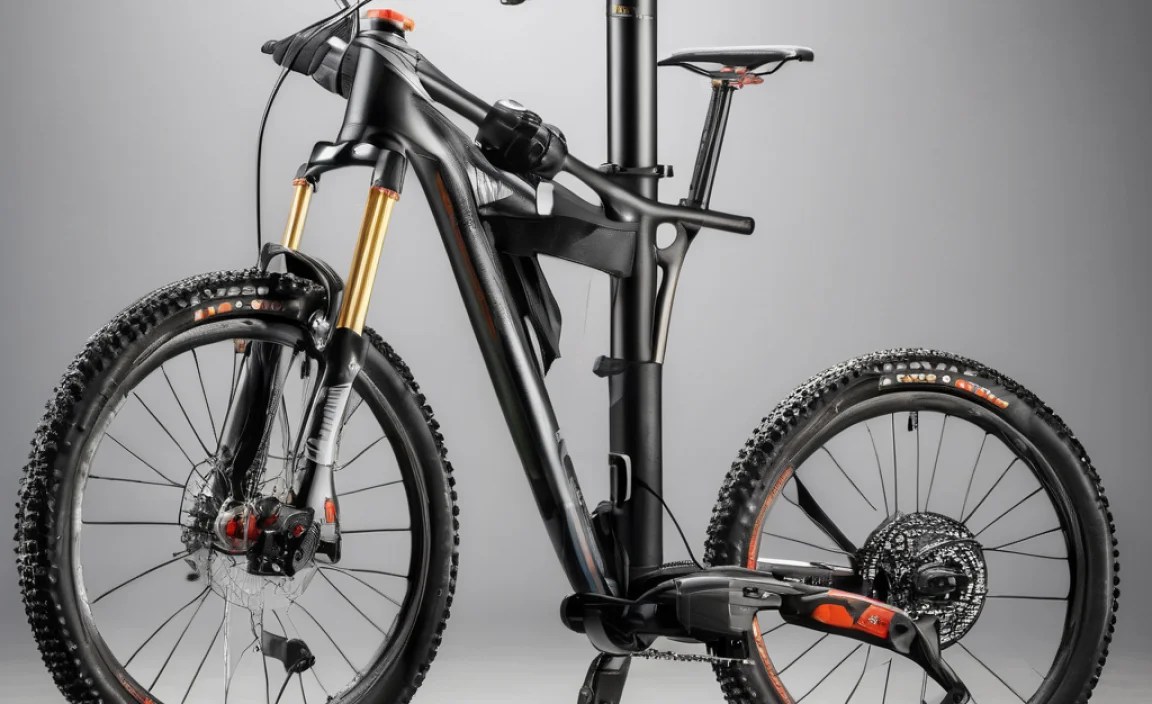
Using an mtb floor pump correctly ensures you get the right tire pressure. First, make sure the pump head is compatible with your valve. Connect the pump head to the valve securely. If it’s a Presta valve, unscrew the nut first. Lock the pump head onto the valve. This creates a tight seal. Start pumping with smooth, even strokes. Watch the pressure gauge. Stop when you reach the desired PSI. Unlock the pump head and carefully remove it from the valve. For Presta valves, tighten the nut. Double-check the pressure with a separate gauge if needed. A good technique makes inflating tires quick and easy. Practice makes perfect. You’ll become a pro in no time!
- Ensure the pump head matches your valve type.
- Connect the pump head securely to the valve.
- Pump with smooth, even strokes.
- Watch the pressure gauge to reach the right PSI.
- Remove the pump head carefully.
Proper technique prevents damage to your valves. Forcing the pump head can bend or break the valve stem. Always make sure the pump head is aligned straight with the valve. If you’re having trouble getting a good seal, check the rubber gasket inside the pump head. It might be worn out or damaged. Replace it if needed. Some pumps have adjustable gaskets. These allow you to fine-tune the seal. When pumping, use your body weight to help. This makes it easier to push the handle down. Avoid jerky movements. These can damage the pump. Regular maintenance keeps your mtb floor pump working well. Clean it occasionally and lubricate the moving parts.
Fun Fact or Stat: A well-maintained floor pump can last for 10 years or more!
How do I attach the pump head?
Attaching the pump head correctly is important. It ensures a good seal and prevents air leaks. First, choose the correct side of the pump head for your valve type. Some pumps have a dual head with separate openings for Schrader and Presta valves. Others have a reversible head that you can switch between valve types. Place the pump head over the valve. Make sure it is aligned straight. Then, engage the locking lever or mechanism. This secures the pump head to the valve. You should hear a click or feel a snap. If the pump head is loose, air will leak out when you try to pump. Adjust the position until you get a tight seal. A good mtb floor pump will have a pump head that is easy to attach and remove.
How do I pump efficiently?
Pumping efficiently saves you energy and time. Stand with your feet shoulder-width apart. Place one hand on the pump handle and the other on the pump body. Use your body weight to push the handle down. Keep your back straight and your arms relatively straight. Avoid bending your elbows too much. Use smooth, even strokes. Don’t jerk the handle. Focus on pushing the air into the tire. Watch the pressure gauge to monitor your progress. Stop pumping when you reach the desired PSI. A good mtb floor pump will have a long stroke. This allows you to inflate your tires quickly. It will also have a comfortable handle that is easy to grip.
What if the pump won’t inflate the tire?
If your pump won’t inflate the tire, there are a few things you can check. First, make sure the pump head is securely attached to the valve. If it’s loose, air will leak out. Second, check the valve core. Make sure it is tight. You can use a valve core tool to tighten it. Third, check the pump itself. Make sure the hose is not cracked or damaged. Also, check the seals inside the pump. They might be worn out. If you can’t find the problem, you might need to take your pump to a bike shop for repair. Or, you might need to buy a new mtb floor pump. Always carry a small hand pump with you on rides. This way, you can inflate your tires even if your floor pump fails.
Maintaining Your MTB Floor Pump
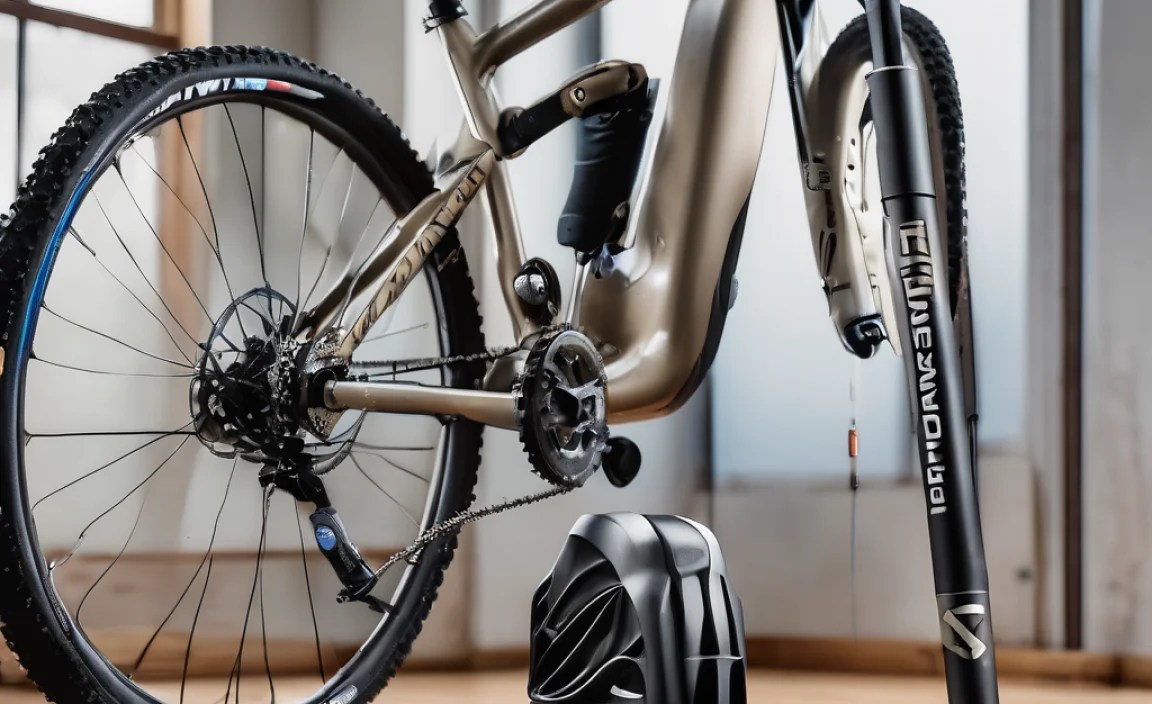
Taking care of your mtb floor pump helps it last longer. Regular maintenance keeps it working well. Wipe down the pump with a clean cloth after each use. This removes dirt and grime. Check the hose for cracks or damage. Replace it if needed. Lubricate the moving parts with a light oil. This keeps them working smoothly. Check the pump head for wear and tear. Replace the rubber gasket if it’s worn out. Store the pump in a dry place. This prevents rust and corrosion. A little bit of care goes a long way. Your pump will be ready when you need it.
- Wipe down the pump after each use.
- Check the hose for cracks or damage.
- Lubricate the moving parts regularly.
- Replace the rubber gasket in the pump head.
- Store the pump in a dry place.
Proper storage prevents damage. Avoid leaving your pump in direct sunlight. This can cause the hose to crack and the plastic parts to fade. Don’t store the pump in a damp place. This can cause rust and corrosion. Hang the pump on a hook or store it in a toolbox. This keeps it out of the way and prevents it from getting knocked over. If you’re not going to use the pump for a long time, deflate the hose. This reduces stress on the seals. A well-maintained pump is a reliable tool. It will be there for you whenever you need to inflate your tires. Regular care saves you money in the long run. You won’t have to replace your pump as often.
Fun Fact or Stat: A well-maintained floor pump can last for 10 years or more!
How often should I maintain my pump?
How often you should maintain your pump depends on how often you use it. If you use your pump every day, you should maintain it more often. If you only use it once a week, you can maintain it less often. A good rule of thumb is to wipe down the pump after each use. Check the hose and lubricate the moving parts every few months. Replace the rubber gasket in the pump head once a year. This will keep your mtb floor pump working well for years to come. Regular maintenance is much easier than replacing a broken pump.
What kind of lubricant should I use?
You should use a light oil to lubricate your pump. A silicone-based lubricant is a good choice. It won’t damage the rubber seals inside the pump. Avoid using heavy grease or oil. This can attract dirt and grime. It can also make the pump harder to use. Apply a small amount of lubricant to the moving parts. These include the piston, the handle, and the hose. Wipe off any excess lubricant with a clean cloth. A little bit of lubricant goes a long way. Using the right lubricant will keep your mtb floor pump working smoothly.
How do I replace the hose?
Replacing the hose on your pump is a simple task. First, disconnect the old hose from the pump body. This usually involves unscrewing a fitting. Then, attach the new hose to the pump body. Make sure the fitting is tight. Next, disconnect the old hose from the pump head. Attach the new hose to the pump head. Again, make sure the fitting is tight. Finally, test the pump to make sure the new hose is working properly. A new hose can make a big difference in the performance of your mtb floor pump. It can also prevent air leaks.
Comparing Different MTB Floor Pumps
Choosing the best mtb floor pump involves comparing different models. Consider factors like pressure range, gauge accuracy, and build quality. Some pumps are designed for high-volume inflation. These are great for mountain bike tires. Others are better for high-pressure inflation. These are ideal for road bike tires. Look at the materials used. Steel and aluminum are more durable than plastic. Check the base for stability. A wider base prevents tipping. Read reviews to see what other riders think. A well-chosen pump makes tire inflation a breeze.
- Consider the pressure range.
- Check the gauge accuracy.
- Look at the build quality and materials.
- Think about the base stability.
- Read reviews from other riders.
Price is also a factor to consider. You don’t have to spend a fortune to get a good pump. But investing in a quality pump is worth it. It will last longer and work better. Cheaper pumps might have inaccurate gauges. They might also be less durable. More expensive pumps often have extra features. These include digital gauges and ergonomic handles. Think about your needs and your budget. Choose a pump that offers the best value for your money. A good mtb floor pump is an investment in your cycling enjoyment. It will make your rides safer and more fun.
Fun Fact or Stat: Some high-end floor pumps can inflate tires up to 220 PSI!
What features are important?
Several features are important when choosing an mtb floor pump. The pressure gauge should be easy to read and accurate. The pump head should be compatible with your valve type. It should also be easy to attach and remove. The handle should be comfortable to grip. The base should be stable and prevent tipping. The hose should be long enough to reach your tires easily. The pump should be durable and built to last. Consider these features when comparing different models. They will help you choose the best pump for your needs.
How accurate are the gauges?
The accuracy of the gauge is important. It ensures you inflate your tires to the correct pressure. Some gauges are more accurate than others. Digital gauges are generally more accurate than analog gauges. However, they also require batteries. Analog gauges can be affected by temperature and altitude. To check the accuracy of your gauge, compare it to another gauge. You can use a separate tire pressure gauge or a digital pressure tester. If your gauge is inaccurate, you might need to replace it. Or, you can just use a separate gauge to double-check the pressure. A reliable mtb floor pump will have an accurate gauge.
What materials are best?
The materials used in a pump affect its durability and performance. Steel and aluminum are strong and durable. They are also resistant to rust and corrosion. Plastic is lighter and less expensive. But it is not as durable as metal. The hose should be made of a flexible and durable material. Rubber and nylon are good choices. The pump head should be made of a durable material. Brass and aluminum are common choices. Consider the materials when choosing a pump. A pump made of high-quality materials will last longer and perform better. It will also be a better value in the long run. A good mtb floor pump is an investment in your cycling enjoyment.
| Feature | Basic Pump | Mid-Range Pump | High-End Pump |
|---|---|---|---|
| Pressure Range | Up to 120 PSI | Up to 160 PSI | Up to 220 PSI |
| Gauge Accuracy | +/- 5 PSI | +/- 2 PSI | +/- 1 PSI |
| Materials | Plastic and steel | Aluminum and steel | Aluminum and carbon fiber |
| Base Stability | Narrow base | Wide base | Extra-wide base |
| Price | $30 – $50 | $50 – $80 | $80 – $150+ |
Summary
An mtb floor pump is a must-have tool for any mountain biker. It helps you keep your tires inflated to the correct pressure. This improves your bike’s performance and safety. When choosing a pump, consider the valve type, pressure range, gauge accuracy, and build quality. Regular maintenance keeps your pump working well for years to come. Remember to wipe it down, lubricate the moving parts, and store it in a dry place. Using the right pump and technique makes tire inflation quick and easy. A well-chosen and well-maintained pump is an investment in your cycling enjoyment.
Conclusion
Having the right mtb floor pump is important for safe and fun rides. It helps you keep your tires inflated to the correct pressure. This improves your bike’s handling and reduces the risk of flats. Take the time to choose a pump that meets your needs. Maintain it regularly to keep it working well. With the right pump, you can hit the trails with confidence. You will be ready for any adventure.
Frequently Asked Questions
Question No 1: What is the difference between a floor pump and a hand pump?
Answer: A floor pump is larger and more powerful than a hand pump. It has a gauge to show the tire pressure. You usually use it at home before a ride. A hand pump is small and portable. You can carry it with you on rides. It’s for fixing flats on the trail. Floor pumps are easier to use for getting tires to the right pressure. Hand pumps are good for emergencies. A good mtb floor pump will save you time and effort at home. A hand pump can save you from walking home.
Question No 2: How do I know what PSI to inflate my tires to?
Answer: Look for the recommended PSI range on the sidewall of your tire. This is usually printed in small numbers. Start with the middle of the range. Then, adjust the pressure based on your weight and the type of trails you’ll be riding. Heavier riders need more pressure. Rougher trails might need less pressure. Experiment to find what feels best. A mtb floor pump with a gauge helps you get the pressure just right. Checking your tires before each ride is important for safety and performance. Don’t guess, use a pump!
Question No 3: Can I use a car tire pump on my bike tires?
Answer: You can use a car tire pump on your bike tires if you have a Schrader valve. Most car tire pumps are designed for Schrader valves. However, they might not be accurate for the lower pressures used in bike tires. Also, some car tire pumps can over-inflate your tires. Be very careful not to exceed the recommended PSI. It’s better to use a mtb floor pump designed for bike tires. These pumps are more accurate and easier to control. They also often have adapters for both Schrader and Presta valves. A proper bike pump is a better tool for the job.
Question No 4: What should I do if my pump is not working properly?
Answer: First, check the pump head to make sure it is securely attached to the valve. Also, check the valve core to make sure it is tight. If the pump is still not working, check the hose for cracks or damage. Replace the hose if needed. Lubricate the moving parts with a light oil. If you have tried these steps and the pump is still not working, you might need to take it to a bike shop for repair. Or, you might need to buy a new mtb floor pump. Regular maintenance helps prevent problems.
Question No 5: How much should I spend on a good floor pump?
Answer: You can get a decent floor pump for around $30 to $50. These pumps will usually have a steel or plastic body. They will also have an analog gauge. A mid-range pump costs between $50 and $80. These pumps will have an aluminum body and a more accurate gauge. A high-end pump can cost $80 or more. These pumps will have high-quality materials, a digital gauge, and extra features. Choose a pump that fits your budget and your needs. Investing in a quality mtb floor pump is worth it if you ride often.
Question No 6: Can I use a floor pump for tubeless tires?
Answer: Yes, you can use a floor pump for tubeless tires. However, it can be difficult to seat the tire bead initially. Tubeless tires require a quick burst of air to seal against the rim. Some floor pumps have a special “tubeless” setting that delivers a high-volume burst of air. If your pump doesn’t have this feature, you can try removing the valve core. This allows more air to flow into the tire quickly. Once the tire is seated, you can reinstall the valve core and inflate the tire to the correct pressure with your mtb floor pump. A tubeless-specific pump makes the process easier.


