
Floor Pump for Bikes: Easy Inflation Secrets

Have you ever tried to ride a bike with flat tires? It is not fun! Your bike needs air to roll smoothly. A good floor pump for bikes can solve this problem. It helps you add air to your tires quickly.
Do you know why bike tires lose air? It happens slowly over time. Small leaks can also cause flats. Let’s learn how to keep your tires filled. This will make biking much more fun. A floor pump for bikes is your best friend for this.
Imagine you are ready for a bike ride. You grab your helmet and head outside. But oh no! Your tires are flat. With a floor pump for bikes, you can fix this fast. You will be riding in no time.
Key Takeaways
- A quality floor pump for bikes makes inflating tires quick and easy.
- Using a pump regularly helps maintain optimal tire pressure for better rides.
- Different pumps have different features, like pressure gauges and valve compatibility.
- Keeping your tires properly inflated improves bike handling and reduces flats.
- Investing in a good floor pump saves time and frustration before each ride.
Why You Need a Floor Pump for Bikes

A floor pump for bikes is a must-have tool for any cyclist. It is much easier to use than a small hand pump. Floor pumps let you inflate your tires quickly and accurately. They have a gauge that shows the pressure. This helps you avoid over or under-inflating your tires. Proper tire pressure makes a big difference. It improves your bike’s performance and handling. It also reduces the risk of flat tires. Using a floor pump ensures your tires are always ready for a ride. It saves you time and effort in the long run. Plus, it’s a great way to maintain your bike. You can keep your tires in top condition with regular inflation. This simple tool makes biking more enjoyable and safer. Don’t leave home without checking your tire pressure!
- Floor pumps are easier to use than hand pumps.
- They have a gauge for accurate inflation.
- Proper tire pressure improves bike performance.
- They help reduce the risk of flat tires.
- Floor pumps save time and effort.
- Regular use maintains your bike’s tires.
Think about a time when your tires were low. Riding felt harder, right? That is because under-inflated tires create more friction. A floor pump for bikes solves this. It lets you easily add the right amount of air. This makes your ride smoother and faster. It also protects your tires from damage. Over time, this saves you money. You won’t have to replace tires as often. Using a floor pump is a simple way to care for your bike. It also makes biking more fun. You will enjoy the ride much more when your tires are properly inflated. So, get a floor pump and keep your tires in great shape.
Fun Fact or Stat: Did you know that properly inflated tires can improve your cycling speed by up to 10%?
How to Choose the Right Pump
Choosing the right floor pump for bikes can seem tricky. Many different models are available. Consider the type of bike you have. Road bikes need higher pressure. Mountain bikes need lower pressure. Look for a pump with a clear gauge. This will help you get the pressure right. Also, check the pump head. Make sure it works with your valve type. Some pumps work with both Presta and Schrader valves. Consider the pump’s size and weight. A larger pump may be easier to use. A lighter pump may be easier to store. Read reviews before you buy. This will help you find a reliable pump. Think about your budget. You don’t have to spend a lot to get a good pump. Just make sure it meets your needs.
Using a Floor Pump Correctly
Using a floor pump for bikes correctly is important. First, make sure the pump head is securely attached to the valve. If it is loose, air will leak out. Next, stand with your feet on the pump’s base. This will keep it stable. Then, use your arms to pump up and down. Watch the gauge to see the pressure. Stop when you reach the recommended pressure. This is usually printed on the side of your tire. Be careful not to over-inflate. This can cause the tire to burst. Once you are done, remove the pump head. Make sure the valve is closed tightly. Now your tire is ready to go. Practice makes perfect, so don’t worry if you don’t get it right away.
Maintaining Your Floor Pump
A floor pump for bikes will last longer if you take care of it. Keep it clean and dry. Wipe it down after each use. Store it in a cool, dry place. Check the hose for cracks or leaks. Replace it if needed. Lubricate the moving parts regularly. This will keep the pump working smoothly. Also, check the pump head. Make sure it is clean and free of debris. If you notice any problems, fix them right away. Don’t wait until the pump stops working. Simple maintenance can extend the life of your pump. This will save you money in the long run. A well-maintained pump is always ready when you need it. This makes biking more convenient.
Different Types of Bike Tire Valves

Bike tires use two main types of valves: Presta and Schrader. A floor pump for bikes needs to be compatible with your valve type. Presta valves are thin and have a small nut at the top. You need to unscrew the nut before inflating. Schrader valves are wider, like those on car tires. Some floor pumps have a dual head. This means they work with both types of valves. Others have a head that you can switch. Knowing which valve you have is important. It ensures you can inflate your tires correctly. Using the wrong pump head can damage the valve. This can cause air leaks. Check your valve type before buying a pump. It will save you time and hassle.
- Presta valves are thin with a small nut.
- Schrader valves are wider, like car tires.
- Some pumps work with both valve types.
- Knowing your valve type is important.
- Using the wrong pump can damage the valve.
- Check your valve before buying a pump.
Imagine you are on a long bike ride. You get a flat tire. You pull out your pump, but it doesn’t fit your valve! This can be very frustrating. That is why it is important to know your valve type. A floor pump for bikes with a universal head is a good choice. It can handle both Presta and Schrader valves. This gives you peace of mind. You will always be able to inflate your tires. Even if you switch bikes, your pump will still work. This is especially useful if you have different types of bikes. So, check your valve type and choose a pump that fits. It will make your biking experience much smoother.
Fun Fact or Stat: Presta valves are commonly used on road bikes because they can handle higher pressures than Schrader valves.
Presta Valve Explained
Presta valves are often found on road bikes. They are designed for high-pressure tires. Before inflating a Presta valve, you must unscrew the small nut at the tip. This opens the valve. After inflating, screw the nut back on. This prevents air from leaking out. Some people find Presta valves tricky to use at first. But with practice, it becomes easy. A floor pump for bikes with a Presta-compatible head is essential. Make sure the pump head fits snugly on the valve. This will ensure a good seal. If air leaks out, try tightening the nut. You can also try cleaning the valve. Sometimes dirt can interfere with the seal.
Schrader Valve Explained
Schrader valves are common on mountain bikes and kids’ bikes. They are similar to car tire valves. To inflate a Schrader valve, simply attach the pump head. There is no need to unscrew anything. A floor pump for bikes with a Schrader-compatible head is needed. Make sure the pump head fits tightly on the valve. If air leaks out, check the pump head. It may be worn out or damaged. You can also try cleaning the valve. Sometimes dirt can cause leaks. Schrader valves are generally easy to use. They are durable and reliable. This makes them a good choice for many bikes.
Dual Head Pumps: The Best of Both Worlds
A dual head pump is a great option. It works with both Presta and Schrader valves. This means you don’t have to worry about valve types. A floor pump for bikes with a dual head is versatile. It is perfect if you have different bikes. It is also useful if you ride with friends who have different valves. Dual head pumps often have two openings. One is for Presta, and one is for Schrader. Some have a switch to select the valve type. Using a dual head pump is easy. Just choose the correct opening and attach it to the valve. Make sure it fits snugly. This will prevent air leaks.
Understanding Tire Pressure for Your Bike

Tire pressure is very important for bike performance. The right pressure makes riding easier. It also helps prevent flat tires. Tire pressure is measured in PSI (pounds per square inch). The recommended PSI is usually printed on the side of your tire. A floor pump for bikes with a gauge helps you get the pressure right. Different bikes need different pressures. Road bikes need higher pressure, often around 100 PSI. Mountain bikes need lower pressure, around 30-40 PSI. Check your tire pressure before each ride. This will ensure a safe and enjoyable experience. Under-inflated tires can lead to pinch flats. Over-inflated tires can make the ride uncomfortable. Finding the right balance is key.
- Tire pressure affects bike performance.
- The right pressure prevents flat tires.
- Pressure is measured in PSI.
- Check your tire before each ride.
- Road bikes need higher pressure.
- Mountain bikes need lower pressure.
Imagine you are riding your bike uphill. Your tires are low. It feels like you are dragging something behind you. That is because under-inflated tires create more resistance. A floor pump for bikes can fix this. It lets you easily add air to the correct pressure. This makes your ride much easier. You will be able to climb hills faster. You will also feel less tired. Proper tire pressure also improves handling. Your bike will be more stable and easier to control. This is especially important when riding on rough terrain. So, keep your tires properly inflated for a better ride.
Fun Fact or Stat: Riding with properly inflated tires can reduce your risk of flat tires by up to 50%.
Finding the Right PSI
Finding the right PSI for your tires is important. Look at the sidewall of your tire. It will show a range of recommended pressures. A floor pump for bikes with a gauge helps you stay within this range. Consider your weight and riding style. Heavier riders may need higher pressure. Riders who prefer a softer ride may want lower pressure. Experiment to find what works best for you. Start with the recommended pressure. Then, adjust it slightly up or down. Pay attention to how your bike feels. If it feels sluggish, add more air. If it feels harsh, let some air out. It may take some time to find the perfect pressure.
The Impact of Under-Inflated Tires
Under-inflated tires can cause several problems. They increase the risk of pinch flats. This happens when the tire gets pinched between the rim and the ground. Under-inflated tires also increase rolling resistance. This makes it harder to pedal. You will feel like you are working harder than you should. A floor pump for bikes can prevent these issues. By keeping your tires properly inflated, you can avoid pinch flats. You can also improve your bike’s efficiency. This will make your rides more enjoyable. So, don’t let your tires get too low. Check them regularly and add air as needed.
The Dangers of Over-Inflated Tires
Over-inflated tires can also be dangerous. They can make the ride uncomfortable. The tires will feel harsh and bumpy. Over-inflated tires can also reduce traction. This makes it harder to control your bike. In extreme cases, over-inflated tires can burst. This can be very dangerous. A floor pump for bikes with a gauge helps you avoid over-inflation. Pay attention to the recommended pressure on your tire. Don’t exceed this pressure. If you accidentally over-inflate, let some air out. It is better to be slightly under-inflated than over-inflated. Safety is always the most important thing.
Essential Features to Look for in a Floor Pump

When buying a floor pump for bikes, consider some key features. A good gauge is essential. It should be easy to read and accurate. A large base provides stability. This makes pumping easier. A long hose gives you more room to maneuver. A comfortable handle reduces hand fatigue. A dual head works with both Presta and Schrader valves. Some pumps have extra features. These include a built-in storage compartment. This is useful for storing small tools. Others have a pressure release valve. This allows you to fine-tune the pressure. Think about which features are most important to you. This will help you choose the best pump for your needs.
- A good gauge is easy to read.
- A large base provides stability.
- A long hose gives you more room.
- A comfortable handle reduces fatigue.
- A dual head works with both valves.
- Some pumps have extra features.
Imagine you are trying to inflate your tires. The pump is wobbly. The gauge is hard to read. The handle is uncomfortable. This can be a frustrating experience. A floor pump for bikes with good features makes a big difference. A stable base keeps the pump from tipping over. A clear gauge lets you see the pressure easily. A comfortable handle makes pumping less tiring. These features make inflating your tires much easier. You will be more likely to check your tire pressure regularly. This will keep your bike in top condition. So, look for a pump with these essential features.
Fun Fact or Stat: The accuracy of a floor pump gauge can vary. Look for pumps with gauges that are certified for accuracy.
The Importance of a Good Gauge
A good gauge is essential for a floor pump for bikes. It allows you to inflate your tires to the correct pressure. An inaccurate gauge can lead to over or under-inflation. This can affect your bike’s performance and safety. Look for a gauge that is easy to read. It should have clear markings. It should also be accurate. Some gauges are digital. These are often more accurate than analog gauges. However, they require batteries. Choose a gauge that meets your needs. A reliable gauge is a worthwhile investment. It will help you keep your tires in top condition.
The Benefits of a Stable Base
A stable base is important for a floor pump for bikes. It keeps the pump from tipping over while you are using it. This makes pumping easier and safer. Look for a pump with a wide base. It should be made of sturdy material. Some pumps have a base with rubber feet. This prevents the pump from slipping on the floor. A stable base is especially important if you have kids. It will prevent accidents. A wobbly pump can be frustrating to use. A stable pump makes the job much easier. It is a small detail that makes a big difference.
Comfortable Handle Design
A comfortable handle is a key feature of a good floor pump for bikes. It reduces hand fatigue during inflation. Look for a handle that is ergonomically designed. It should fit comfortably in your hand. Some handles are made of rubber or foam. These materials provide a better grip. A comfortable handle makes pumping less tiring. This is especially important if you have to inflate your tires often. A well-designed handle can make a big difference. It will make the task of inflating your tires much more pleasant.
Step-by-Step Guide to Using a Floor Pump
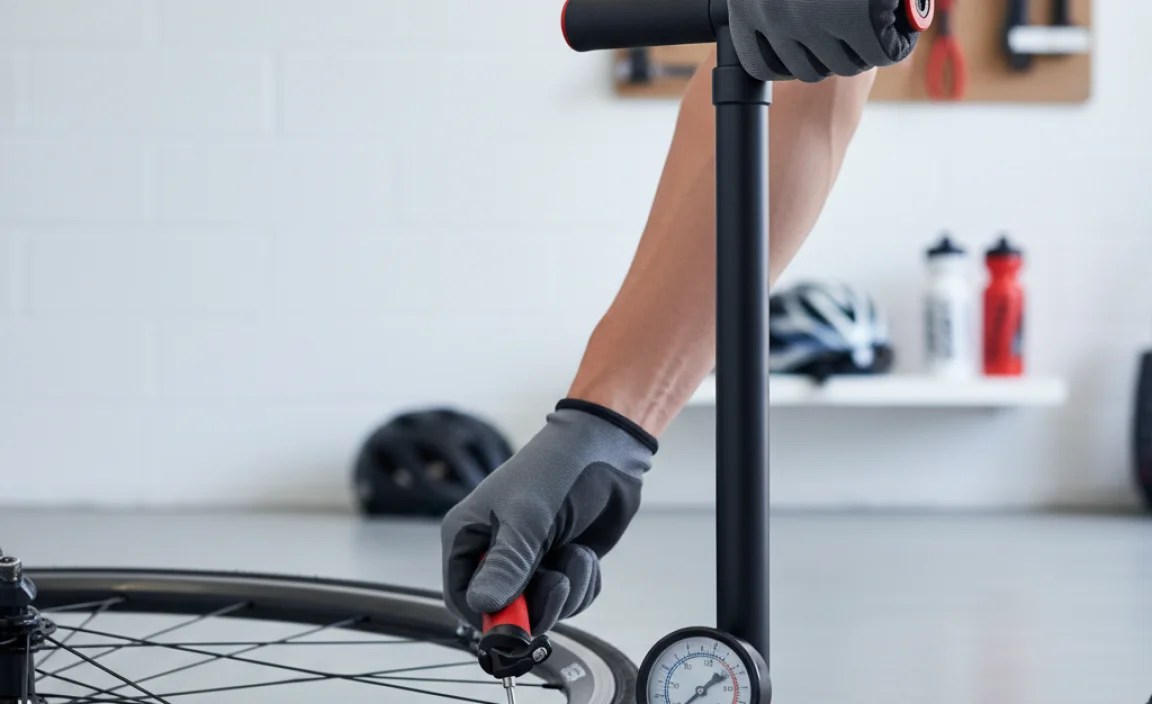
Using a floor pump for bikes is easy. First, remove the cap from the tire valve. Next, attach the pump head to the valve. Make sure it is securely attached. If it is loose, air will leak out. Stand with your feet on the pump’s base. This will keep it stable. Then, use your arms to pump up and down. Watch the gauge to see the pressure. Stop when you reach the recommended pressure. This is usually printed on the side of your tire. Be careful not to over-inflate. This can cause the tire to burst. Once you are done, remove the pump head. Make sure the valve is closed tightly. Replace the cap. Now your tire is ready to go. Practice makes perfect.
- Remove the cap from the tire valve.
- Attach the pump head securely.
- Stand on the pump’s base.
- Pump up and down.
- Watch the gauge to see the pressure.
- Stop at the recommended pressure.
- Replace the valve cap.
Imagine you are getting ready for a bike ride. You grab your floor pump for bikes. You follow these steps. In just a few minutes, your tires are perfectly inflated. You are ready to hit the road. This simple process makes biking much more enjoyable. You will feel confident knowing your tires are in good shape. So, learn these steps and practice them. You will be a pro at inflating your tires. This will help you keep your bike in top condition. It will also make your rides safer and more fun.
Fun Fact or Stat: Regular use of a floor pump can extend the life of your bike tires by preventing premature wear and tear.
Attaching the Pump Head Correctly
Attaching the pump head correctly is crucial. If it is not secure, air will leak out. This can be frustrating. With a Presta valve, make sure to unscrew the nut first. Then, press the pump head firmly onto the valve. Flip the lever to lock it in place. With a Schrader valve, simply press the pump head onto the valve. Make sure it is snug. A floor pump for bikes should have a secure attachment mechanism. This will prevent leaks. If you are having trouble, check the pump head. It may be worn out or damaged. Replace it if needed. A good connection is essential for efficient inflation.
Pumping with Proper Technique
Pumping with proper technique makes the job easier. Stand with your feet on the pump’s base. This will keep it stable. Use your arms and legs to pump up and down. Keep your back straight. This will prevent strain. A floor pump for bikes should have a smooth pumping action. If it feels stiff, lubricate the moving parts. Don’t pump too quickly. This can overheat the pump. Pump at a steady pace. Watch the gauge to see the pressure. Stop when you reach the recommended pressure. Proper technique will make inflating your tires less tiring.
Checking the Tire Pressure
Checking the tire pressure is the final step. Look at the gauge on the pump. It will show the pressure in PSI. Compare this to the recommended pressure on your tire. If the pressure is too low, add more air. If the pressure is too high, let some air out. A floor pump for bikes with a pressure release valve is helpful. It allows you to fine-tune the pressure. Once you are satisfied, remove the pump head. Close the valve tightly. Replace the cap. Now your tire is ready to go. Checking the pressure ensures a safe and enjoyable ride.
Comparing Different Floor Pumps for Bikes
Choosing the right floor pump for bikes can be tough. Many different models are available. They vary in price, features, and quality. Some pumps are designed for road bikes. Others are designed for mountain bikes. Some pumps are basic and affordable. Others are more advanced and expensive. Consider your needs and budget. Read reviews before you buy. This will help you find a reliable pump. A good pump is a worthwhile investment. It will make inflating your tires much easier. It will also help you keep your bike in top condition. Think about which features are most important to you.
- Pumps vary in price and features.
- Some are for road bikes, others for mountain bikes.
- Consider your needs and budget.
- Read reviews before you buy.
- A good pump is a worthwhile investment.
- Think about which features matter most.
Imagine you are shopping for a floor pump for bikes. You see a cheap pump. It looks appealing because it is inexpensive. But it may not be the best choice. A cheap pump may be less durable. It may also have an inaccurate gauge. A more expensive pump may be a better investment. It will last longer. It will also provide more accurate readings. This will help you keep your tires properly inflated. So, don’t just focus on the price. Consider the quality and features of the pump. This will help you make the best choice.
Fun Fact or Stat: The lifespan of a floor pump can range from 2 to 10 years, depending on the quality and how often it is used.
Entry-Level Floor Pumps
Entry-level floor pump for bikes are affordable. They are a good choice for beginners. They usually have basic features. They may not be as durable as more expensive pumps. However, they can still get the job done. Look for a pump with a decent gauge. Make sure it is easy to read. Also, check the pump head. It should be compatible with your valve type. An entry-level pump is a good starting point. You can always upgrade later if you need more features. Just make sure it meets your basic needs. It should be able to inflate your tires to the correct pressure.
Mid-Range Floor Pumps
Mid-range floor pump for bikes offer a good balance of price and features. They are more durable than entry-level pumps. They also have more accurate gauges. They may have additional features. These include a longer hose or a more comfortable handle. A mid-range pump is a good choice for serious cyclists. It will provide reliable performance. It will also last longer than an entry-level pump. Consider investing in a mid-range pump if you ride often. It will be a worthwhile investment in the long run. You will appreciate the extra features and durability.
High-End Floor Pumps
High-end floor pump for bikes are the best of the best. They are the most durable and accurate. They have all the features you could want. These include digital gauges, ergonomic handles, and stable bases. A high-end pump is a good choice for professional cyclists. It is also a good choice for serious enthusiasts. If you want the best performance and reliability, consider a high-end pump. It will be a significant investment. But it will last for many years. You will appreciate the quality and precision. It will make inflating your tires a pleasure.
| Feature | Entry-Level | Mid-Range | High-End |
|---|---|---|---|
| Price | $20-$40 | $40-$80 | $80+ |
| Durability | Moderate | Good | Excellent |
| Gauge Accuracy | Basic | Improved | Precise |
| Features | Essential | Additional | Advanced |
Summary
A floor pump for bikes is an essential tool for all bike riders. It helps you keep your tires properly inflated. This improves your bike’s performance and safety. It also reduces the risk of flat tires. There are different types of floor pumps available. Consider your needs and budget when choosing a pump. Look for a pump with a good gauge, a stable base, and a comfortable handle. Also, make sure it is compatible with your valve type. Using a floor pump is easy. Just follow the steps. With a little practice, you will be a pro at inflating your tires. This will help you enjoy your bike rides even more.
Conclusion
A good floor pump for bikes is a great investment. It makes bike maintenance easier. Proper tire inflation improves your ride. It also keeps you safe. Choose a pump that fits your needs. Use it regularly to check your tires. Enjoy smoother and safer bike rides. Keep your tires in top shape with a quality floor pump.
Frequently Asked Questions
Question No 1: What is the best PSI for my bike tires?
Answer: The best PSI for your bike tires depends on several factors. These include the type of bike you have, the size of your tires, and your weight. The recommended PSI is usually printed on the side of your tire. Road bikes typically need higher pressure, around 100 PSI. Mountain bikes need lower pressure, around 30-40 PSI. Experiment to find what works best for you. A floor pump for bikes with a gauge helps you get the pressure right. Always stay within the recommended range. This will ensure a safe and comfortable ride. Check your tire pressure before each ride.
Question No 2: How often should I inflate my bike tires?
Answer: You should inflate your bike tires regularly. How often depends on the type of tires you have. Road bike tires lose air more quickly. You should check them before each ride. Mountain bike tires hold air longer. You can check them every few days. Use a floor pump for bikes to check the pressure. If it is below the recommended level, add air. Keeping your tires properly inflated is important. It improves your bike’s performance. It also reduces the risk of flat tires. Make it a habit to check your tires often.
Question No 3: Can I use a car tire pump on my bike?
Answer: You can use a car tire pump on your bike. But it is not ideal. Car tire pumps deliver a large volume of air quickly. This can make it hard to get the pressure right. Also, some car tire pumps have a chuck that is too large for bike tires. A floor pump for bikes is a better choice. It is designed specifically for bike tires. It allows you to inflate your tires accurately. It also has a gauge to show the pressure. If you have to use a car tire pump, be very careful. Don’t over-inflate your tires.
Question No 4: What is the difference between Presta and Schrader valves?
Answer: Presta and Schrader valves are two types of bike tire valves. Presta valves are thin and have a small nut at the top. They are often used on road bikes. Schrader valves are wider, like those on car tires. They are common on mountain bikes and kids’ bikes. A floor pump for bikes needs to be compatible with your valve type. Some pumps have a dual head. This means they work with both types of valves. Others have a head that you can switch. Knowing which valve you have is important.
Question No 5: How do I fix a flat tire on my bike?
Answer: Fixing a flat tire involves several steps. First, remove the wheel from your bike. Then, take the tire off the rim. Inspect the tire for any sharp objects. Remove the object if you find one. Next, patch or replace the inner tube. Put the tire back on the rim. Inflate the tire with a floor pump for bikes. Make sure to reach the recommended pressure. Finally, put the wheel back on your bike. It may seem difficult at first, but with practice, it becomes easy. Watch some videos to learn the process.
Question No 6: How long will my floor pump last?
Answer: The lifespan of your floor pump depends on its quality. It also depends on how often you use it. A high-quality floor pump for bikes can last for many years. Even with regular use, it should provide reliable performance. A cheaper pump may not last as long. It may break down more easily. To extend the life of your pump, keep it clean and dry. Lubricate the moving parts regularly. Store it in a cool, dry place. With proper care, your floor pump will last for years.


