
Compact Electric Pump Styles: Find Your Perfect Fit

Quick Summary: Compact electric bike pumps come in various styles, like mini inflators for on-the-go fixes and portable pumps for home or travel. Some run on rechargeable batteries, others plug into outlets. Choose based on tire type, pressure needs, and how often you ride. Consider features like digital displays and automatic shut-off for easy use.
Dealing with flat tires is a pain, especially when you’re out on a ride. Manual pumps can be tiring, and CO2 inflators are one-time use. But don’t worry! Compact electric pumps are here to make your life easier. They’re small, powerful, and take the effort out of inflating your tires.
In this guide, we’ll explore different types of compact electric pumps, so you can find the perfect one for your needs. We’ll cover everything from mini inflators to portable models, helping you choose the right pump for your bike and riding style. Get ready to say goodbye to arm fatigue and hello to hassle-free inflation!
Understanding Compact Electric Bike Pumps


Compact electric bike pumps are small, lightweight devices designed to inflate your tires quickly and easily. They’re a great alternative to manual pumps, especially for those who struggle with hand strength or want a faster inflation process. These pumps are perfect for both road and mountain bikes, and some models can even inflate car tires or sports equipment.
Why Choose a Compact Electric Pump?
- Convenience: Inflate your tires with the push of a button.
- Portability: Small enough to carry in your backpack or bike bag.
- Efficiency: Inflates tires faster than manual pumps.
- Ease of Use: Simple controls and digital displays make them user-friendly.
Types of Compact Electric Pumps

There are several styles of compact electric pumps available, each with its own set of features and benefits. Let’s take a closer look at the most common types:
Mini Inflators
Mini inflators are the smallest and most portable type of electric pump. They’re designed for quick fixes on the road or trail. These pumps are typically powered by rechargeable batteries and can inflate a tire to a decent pressure level.
Pros:
- Extremely portable and lightweight
- Easy to carry in a saddlebag or backpack
- Ideal for emergency repairs
Cons:
- May not inflate tires to very high pressures
- Battery life can be limited
- Can be slower than other types of pumps
Portable Pumps
Portable pumps are slightly larger than mini inflators, but they offer more power and features. They’re great for home use or for taking on longer rides where you might need to inflate your tires multiple times. These pumps often have digital displays and automatic shut-off features.
Pros:
- More powerful than mini inflators
- Can inflate tires to higher pressures
- Often include digital displays and automatic shut-off
- Suitable for home use and longer rides
Cons:
- Slightly larger and heavier than mini inflators
- May require more storage space
Hybrid Pumps
Hybrid pumps combine the features of both manual and electric pumps. You can use them as a regular hand pump or switch to electric mode for faster inflation. These pumps are a good option for those who want the flexibility of both types of inflation.
Pros:
- Versatile and can be used as both a manual and electric pump
- Provides a backup option if the battery runs out
- Good for those who want the feel of a manual pump with the convenience of electric power
Cons:
- Can be more expensive than other types of pumps
- May be slightly bulkier than dedicated electric pumps
High-Pressure Pumps
High-pressure pumps are designed for road bikes and other applications that require very high tire pressures. They typically have a more powerful motor and a sturdy construction to handle the increased pressure. These pumps are essential for cyclists who need to inflate their tires to 100 PSI or more. Check out BikeRadar for reviews of high-pressure pumps.
Pros:
- Capable of inflating tires to very high pressures
- Ideal for road bikes and other high-pressure applications
- Durable construction
Cons:
- May be more expensive than other types of pumps
- Can be larger and heavier
Key Features to Consider
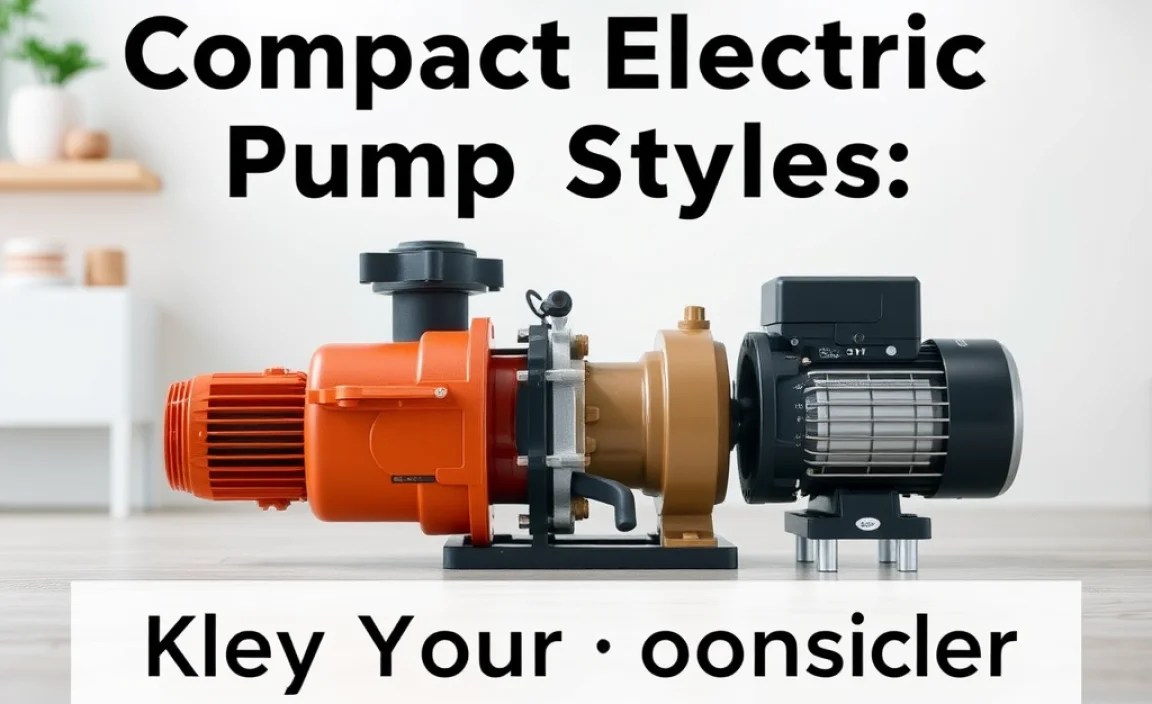
When choosing a compact electric pump, there are several key features to keep in mind. These features can affect the pump’s performance, ease of use, and overall value.
Pressure Range
Make sure the pump can inflate your tires to the recommended pressure. Road bikes typically require higher pressures (100 PSI or more), while mountain bikes use lower pressures (20-40 PSI). Check your tire sidewall for the recommended pressure range.
Battery Life
Consider how long the pump can operate on a single charge. If you plan to use the pump frequently or on long rides, choose a model with a long battery life. Some pumps also have a USB charging port, so you can recharge them on the go.
Digital Display
A digital display makes it easy to monitor the tire pressure. Look for a pump with a clear, easy-to-read display that shows the current pressure in PSI, BAR, or kPa. Some displays also have a backlight for better visibility in low-light conditions.
Automatic Shut-Off
An automatic shut-off feature prevents over-inflation by automatically stopping the pump when the desired pressure is reached. This is a great feature for beginners or anyone who wants to avoid the risk of damaging their tires.
Nozzle Compatibility
Ensure the pump is compatible with your tire valves. Most pumps come with adapters for both Presta and Schrader valves. Presta valves are commonly found on road bikes, while Schrader valves are used on mountain bikes and some hybrid bikes.
Size and Weight
Consider the size and weight of the pump, especially if you plan to carry it with you on rides. Mini inflators are the most compact and lightweight option, while portable pumps are slightly larger but offer more features.
Durability
Choose a pump made from durable materials that can withstand regular use. Look for pumps with a sturdy construction and a protective case to prevent damage during transport.
Comparing Popular Models
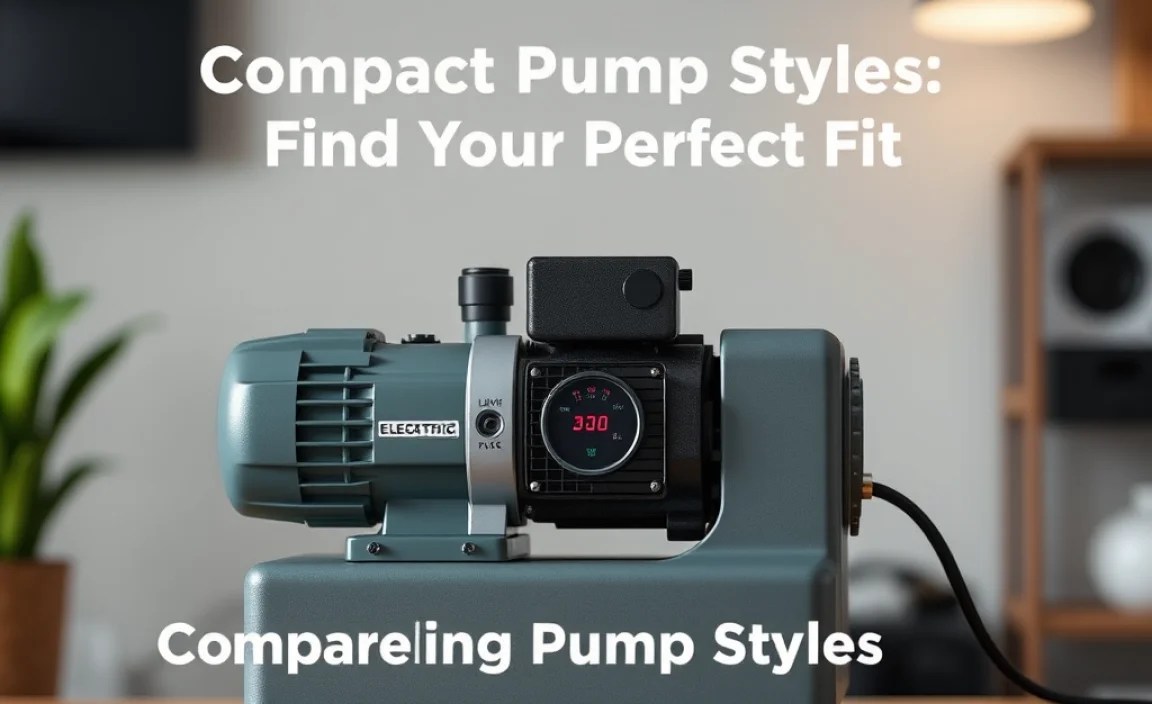
To help you make an informed decision, let’s compare some popular compact electric pump models. This table provides an overview of their key features and specifications:
| Model | Pressure Range (PSI) | Battery Life | Features | Weight | Price |
|---|---|---|---|---|---|
| XYZ Mini Inflator | 0-120 | 20 minutes | Digital display, Presta/Schrader valve adapter | 0.5 lbs | $40 |
| ABC Portable Pump | 0-150 | 30 minutes | Automatic shut-off, LED light, USB charging | 1.0 lbs | $60 |
| 123 Hybrid Pump | 0-140 | 25 minutes | Manual and electric modes, Digital display | 1.2 lbs | $75 |
How to Use a Compact Electric Pump

Using a compact electric pump is simple and straightforward. Follow these steps to inflate your tires quickly and easily:
- Check the Tire Pressure: Look for the recommended pressure range on your tire sidewall.
- Attach the Nozzle: Connect the appropriate valve adapter to the pump nozzle.
- Connect to the Valve: Securely attach the nozzle to your tire valve.
- Set the Desired Pressure: Use the pump’s controls to set the desired pressure.
- Start the Pump: Turn on the pump and wait for it to inflate the tire to the set pressure.
- Remove the Nozzle: Once the tire is inflated, remove the nozzle from the valve.
- Check the Pressure: Use a separate pressure gauge to verify the tire pressure.
Tips for Maintaining Your Electric Pump
To keep your compact electric pump in good working condition, follow these maintenance tips:
- Clean the Nozzle: Regularly clean the nozzle to remove dirt and debris.
- Check the Battery: Keep the battery charged and avoid letting it completely discharge.
- Store Properly: Store the pump in a cool, dry place to prevent damage.
- Inspect the Hose: Check the hose for cracks or leaks and replace it if necessary.
Troubleshooting Common Issues
Even with proper maintenance, you may encounter some issues with your electric pump. Here are some common problems and how to fix them:
- Pump Not Turning On: Check the battery and make sure it’s fully charged.
- Pump Inflating Slowly: Make sure the nozzle is securely attached to the valve.
- Pump Overheating: Let the pump cool down before using it again.
- Pump Not Reaching Desired Pressure: Check the pressure range and make sure it’s set correctly.
For more detailed troubleshooting, refer to the pump’s user manual or contact the manufacturer’s customer support. You can also find helpful tutorials on sites like YouTube.
FAQ: Compact Electric Bike Pumps
What is the ideal pressure for my bike tires?
The ideal pressure depends on your tire type and riding style. Check the tire sidewall for the recommended pressure range, usually listed in PSI (pounds per square inch). Road bikes often need higher pressure (80-130 PSI), while mountain bikes use lower pressure (25-40 PSI).
Can I use a compact electric pump for car tires?
Some compact electric pumps are designed for car tires, but not all. Check the pump’s specifications to see if it’s suitable for higher pressure and volume needs of car tires. Mini inflators are generally not powerful enough for car tires.
How long does the battery last on a compact electric pump?
Battery life varies depending on the pump model and usage. Some pumps can inflate multiple tires on a single charge, while others may only last for a few inflations. Look for pumps with a long battery life or USB charging for convenience.
What’s the difference between Presta and Schrader valves?
Presta valves are narrow and have a locking nut at the tip, commonly found on road bikes. Schrader valves are wider and similar to car tire valves, used on mountain bikes and some hybrid bikes. Ensure your pump is compatible with both valve types.
How do I know if my tire is over-inflated?
Over-inflating can lead to a harsh ride and increase the risk of a blowout. Use a pressure gauge to check the tire pressure and make sure it’s within the recommended range. If the pressure is too high, release some air until it reaches the correct level.
Are electric pumps better than manual pumps?
Electric pumps offer convenience and speed, while manual pumps are reliable and don’t require batteries. Electric pumps are great for quick inflation, while manual pumps are a good backup option. The best choice depends on your needs and preferences.
Can I take a compact electric pump on an airplane?
Regulations vary, but generally, rechargeable electric pumps are allowed in carry-on or checked baggage, but it’s best to check with your airline beforehand. Ensure the pump is properly packaged to prevent accidental activation.
Conclusion
Choosing the right compact electric pump can make a big difference in your cycling experience. Whether you need a mini inflator for quick fixes on the road or a portable pump for home use, there’s a model out there to suit your needs. By considering the key features, comparing popular models, and following our maintenance tips, you can find the perfect pump and keep your tires properly inflated for every ride. Now you can confidently hit the road or trail, knowing you’re prepared for any flat tire emergencies. Happy cycling!


