
Mountain Bike Geometry Explanation: The Easy Guide

Quick Summary: Mountain bike geometry affects how a bike handles. Key angles like head tube angle (steering quickness) and seat tube angle (pedaling efficiency) matter. Longer reach (body position) and wheelbase (stability) are important too. Understanding these factors helps you choose the right bike for your riding style, making your rides more fun and comfortable.
Choosing a mountain bike can feel overwhelming. All those numbers and angles seem like a foreign language! Understanding mountain bike geometry is key to finding a bike that fits you and your riding style. Don’t worry, it’s not as complicated as it looks. We’ll break down each measurement and explain what it means for your ride. Get ready to decode your next bike purchase!
Why Mountain Bike Geometry Matters
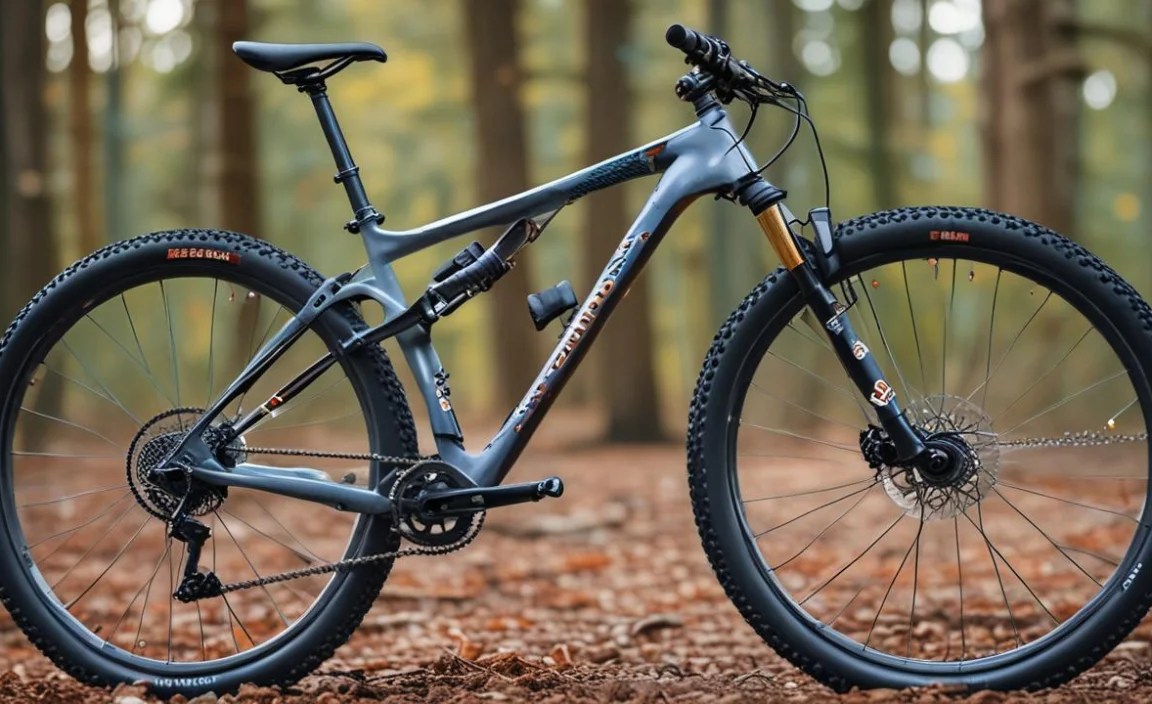
Geometry dictates how a bike handles on the trail. It affects your comfort, stability, and overall riding experience. A bike with the wrong geometry can feel awkward and inefficient, while the right geometry can boost your confidence and make you faster. Think of it like a well-tailored suit versus something off the rack – the fit makes all the difference. By understanding the key measurements, you can make informed decisions and pick a bike that feels like an extension of yourself.
Key Mountain Bike Geometry Terms
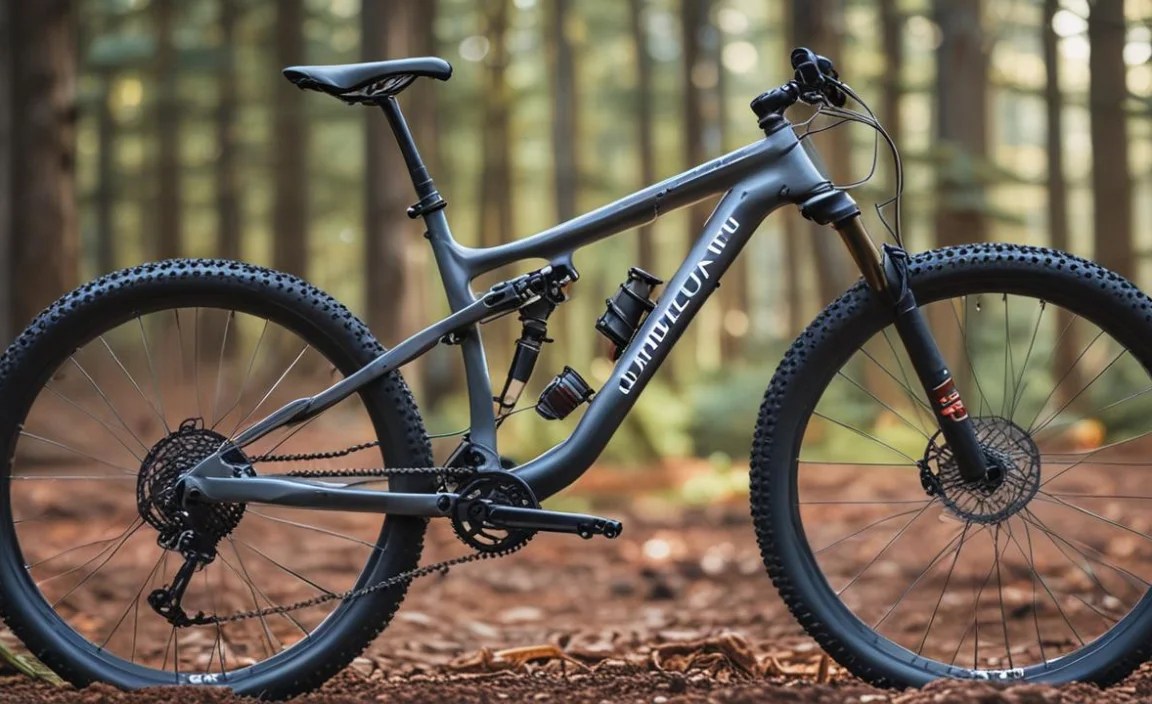
Let’s dive into the most important geometry terms you’ll encounter when researching mountain bikes.
Head Tube Angle (HTA)
The head tube angle is the angle of the head tube relative to the ground. It significantly affects steering and stability.
- Slacker HTA (65 degrees or less): More stable at high speeds and on steep terrain. Slower steering response. Common on downhill and enduro bikes.
- Steeper HTA (68 degrees or more): Quicker steering and better for tight, technical trails. Less stable at high speeds. Often found on cross-country bikes.
Seat Tube Angle (STA)
The seat tube angle is the angle of the seat tube relative to the ground. It affects your pedaling position and efficiency.
- Steeper STA (75 degrees or more): Places you in a more forward position, improving pedaling efficiency, especially on climbs. Common on modern trail and enduro bikes.
- Slacker STA (73 degrees or less): A more relaxed position, better for seated comfort on flatter terrain. Often found on older bikes or some comfort-oriented models.
Reach
Reach is the horizontal distance from the bottom bracket to the top of the head tube. It’s a crucial measurement for determining bike fit.
- Longer Reach: More room to move around on the bike, better for stability at speed. Requires a shorter stem.
- Shorter Reach: More upright position, better for tight, twisty trails. Often paired with a longer stem.
Stack
Stack is the vertical distance from the bottom bracket to the top of the head tube. It indicates how high the handlebars will be.
- Higher Stack: More upright and comfortable riding position. Good for riders with back issues or those who prefer a less aggressive stance.
- Lower Stack: More aggressive and aerodynamic riding position. Better for climbing and racing.
Wheelbase
Wheelbase is the distance between the front and rear axles. It affects stability and maneuverability.
- Longer Wheelbase: More stable at high speeds and on rough terrain. Less nimble in tight corners.
- Shorter Wheelbase: More maneuverable and easier to handle in tight spaces. Less stable at high speeds.
Chainstay Length
Chainstay length is the distance from the bottom bracket to the rear axle. It affects traction and climbing ability.
- Shorter Chainstays: Make the bike feel more playful and easier to lift the front wheel. Improves climbing traction on steep inclines.
- Longer Chainstays: Provide more stability at high speeds and better weight distribution. Can make the bike feel less nimble.
Bottom Bracket Drop
Bottom bracket drop is the vertical distance from the bottom bracket to a line drawn between the front and rear axles. It affects stability and cornering.
- Lower Bottom Bracket Drop: Creates a more stable feel and allows you to corner with more confidence. Can increase the risk of pedal strikes.
- Higher Bottom Bracket Drop: Provides more ground clearance and reduces the risk of pedal strikes. Can make the bike feel less stable in corners.
Understanding Geometry Charts
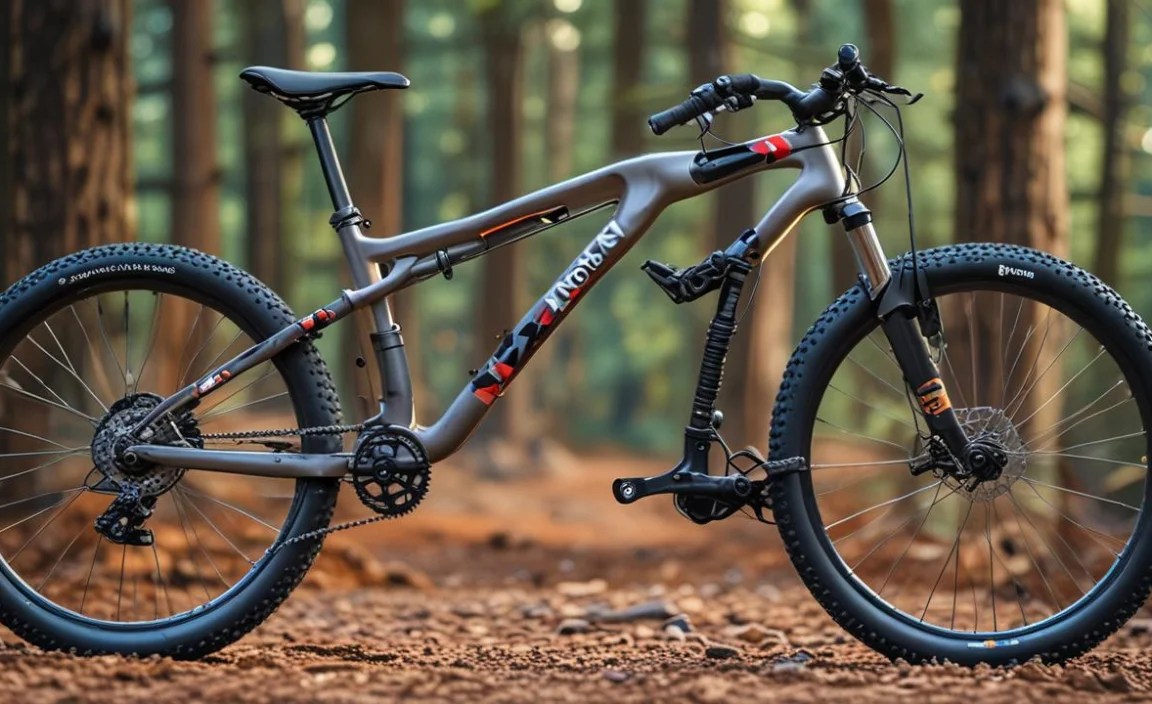
Geometry charts list all the key measurements of a bike frame. They are your best friend when comparing different models. Here’s how to read them:
- Find the chart: Look for the geometry chart on the bike manufacturer’s website. It’s usually found under the “Specs” or “Geometry” tab.
- Identify your size: Most charts have columns for different frame sizes (e.g., Small, Medium, Large). Find the size that matches your height and inseam.
- Locate key measurements: Look for the measurements we discussed earlier: Head Tube Angle, Seat Tube Angle, Reach, Stack, Wheelbase, Chainstay Length, and Bottom Bracket Drop.
- Compare and contrast: Compare the numbers between different bikes and sizes to see how they differ. Consider how these differences will affect your riding experience.
How Geometry Affects Bike Handling: Real-World Examples
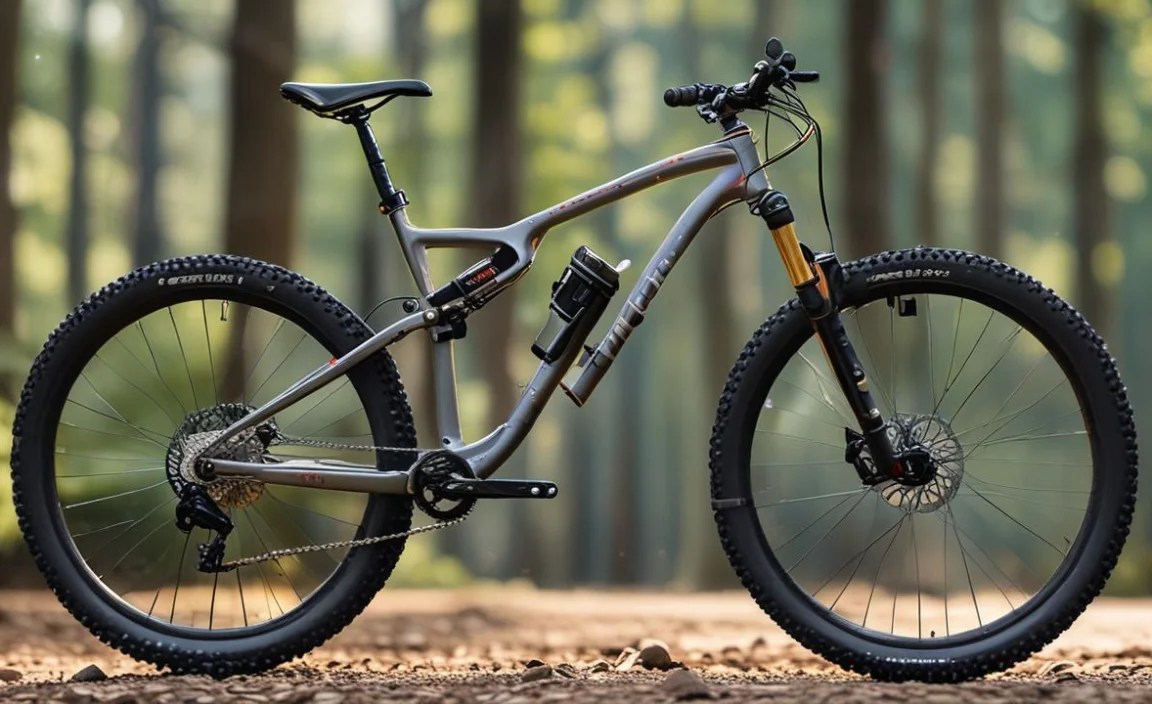
Let’s see how geometry plays out in different riding scenarios.
Climbing
A steeper seat tube angle places you in a more efficient pedaling position for climbing. Shorter chainstays can improve traction on steep inclines by keeping your weight centered over the rear wheel.
Descending
A slacker head tube angle and longer wheelbase provide stability at high speeds and on steep descents. A lower bottom bracket drop enhances cornering confidence.
Cornering
A balanced geometry with a moderate head tube angle and wheelbase allows for quick and precise cornering. Lower bottom bracket drop helps you lean into turns with more stability.
Technical Terrain
Shorter chainstays and a shorter wheelbase make the bike more maneuverable in tight, technical sections. A higher stack height can provide a more upright and comfortable position for navigating obstacles.
Geometry and Riding Style
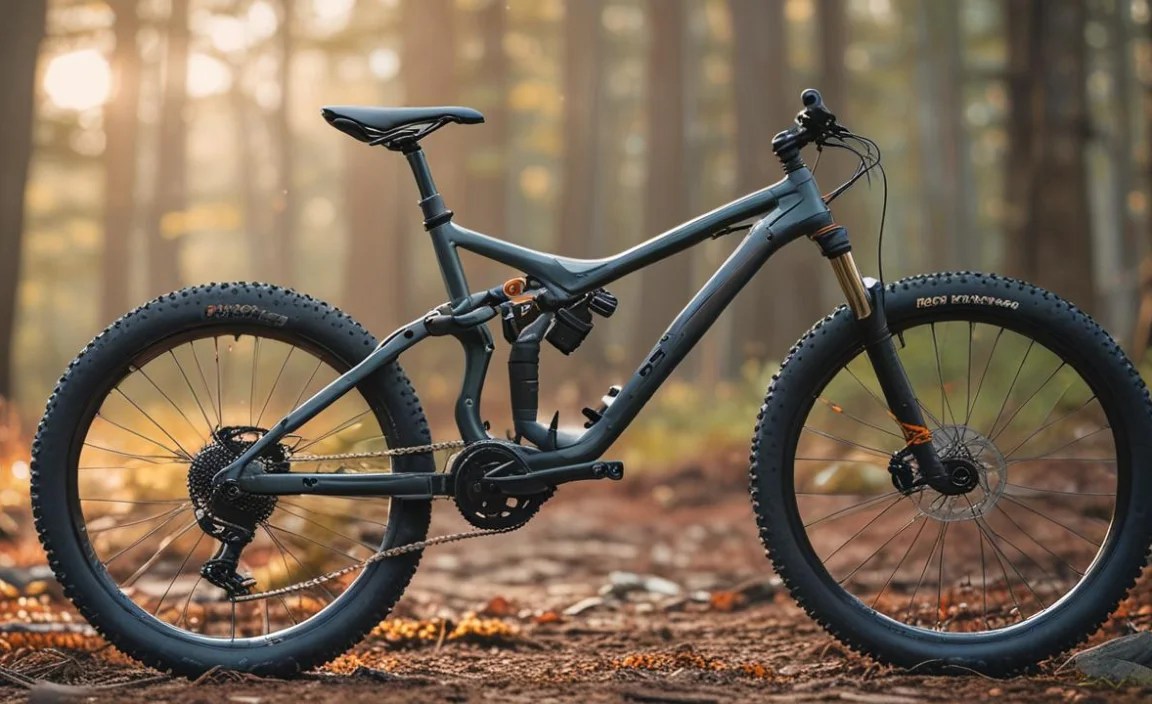
The best geometry for you depends on your riding style and the type of trails you ride.
- Cross-Country (XC): Focuses on efficiency and climbing ability. Look for a steeper head tube angle, steeper seat tube angle, and a shorter wheelbase.
- Trail: A versatile option for a mix of climbing, descending, and technical trails. Look for a moderate head tube angle, a steeper seat tube angle, and a balanced wheelbase.
- Enduro: Designed for aggressive descending and challenging terrain. Look for a slacker head tube angle, a steeper seat tube angle, and a longer wheelbase.
- Downhill (DH): Built for maximum stability and control at high speeds. Look for a very slacker head tube angle, a longer wheelbase, and a low bottom bracket drop.
Mountain Bike Geometry Chart Example
Here’s an example table showing how geometry can vary across different bike sizes.
| Measurement | Small | Medium | Large |
|---|---|---|---|
| Head Tube Angle | 66° | 66° | 66° |
| Seat Tube Angle | 74.5° | 74.5° | 74.5° |
| Reach | 420mm | 445mm | 470mm |
| Stack | 605mm | 614mm | 623mm |
| Wheelbase | 1145mm | 1170mm | 1195mm |
| Chainstay Length | 435mm | 435mm | 435mm |
| Bottom Bracket Drop | 35mm | 35mm | 35mm |
Finding the Right Fit
While geometry charts provide valuable information, the best way to find the right fit is to test ride bikes. Here are some tips:
- Visit your local bike shop: Experienced staff can help you find the right size and style of bike based on your needs and preferences. They can also provide valuable insights into the local trails and riding conditions.
- Test ride different bikes: Take the time to test ride different models and sizes to see what feels best. Pay attention to how the bike handles on climbs, descents, and corners.
- Consider a professional bike fit: A professional bike fit can help you fine-tune your riding position and optimize your comfort and efficiency. This is especially beneficial if you have any pain or discomfort while riding.
Beyond the Numbers: Other Factors to Consider
Geometry is important, but it’s not the only factor to consider when choosing a mountain bike. Other things to keep in mind include:
- Suspension: The amount and type of suspension will affect how the bike handles on rough terrain. Consider your riding style and the type of trails you ride when choosing a suspension system.
- Components: The quality of the components (e.g., brakes, shifters, drivetrain) will affect the bike’s performance and durability. Invest in quality components that will withstand the rigors of mountain biking.
- Budget: Mountain bikes can range in price from a few hundred dollars to several thousand. Set a budget and stick to it. There are great bikes available at every price point.
- Personal preference: Ultimately, the best bike for you is the one that feels the most comfortable and inspires confidence. Don’t be afraid to go against the grain and choose a bike that you love, even if it’s not the most popular option.
Resources for Further Learning
Want to dive even deeper into mountain bike geometry? Here are some helpful resources:
- BikeRadar: Offers comprehensive bike reviews and technical articles.
- Singletracks.com: Provides trail reviews, gear reviews, and mountain biking news.
- Pinkbike: A popular mountain biking website with news, reviews, and forums.
FAQ: Mountain Bike Geometry Explained
What does “reach” mean in mountain bike geometry?
Reach is the horizontal distance from the center of the bottom bracket to the top of the head tube. It’s a key measurement for determining how a bike will fit and feel.
What is a “slack” head tube angle good for?
A slack head tube angle (around 65 degrees or less) is good for stability at high speeds and on steep, technical descents. It makes the bike feel more confident when tackling challenging terrain.
Why is seat tube angle important?
<
Seat tube angle affects your pedaling efficiency. A steeper seat tube angle (75 degrees or more) puts you in a more forward and powerful position, which is great for climbing and sustained pedaling.
Does wheelbase affect handling?
Yes, wheelbase significantly impacts handling. A longer wheelbase provides more stability, especially at high speeds. A shorter wheelbase makes the bike more nimble and easier to maneuver in tight spaces.
What’s the best way to find the right bike size?
The best way is to visit your local bike shop and test ride different sizes and models. A professional bike fit can also help you fine-tune your position and ensure you’re comfortable and efficient on the bike.
How important is bottom bracket drop?
Bottom bracket drop affects stability and cornering. A lower bottom bracket drop enhances stability and allows you to corner with more confidence, but it can also increase the risk of pedal strikes. A higher bottom bracket drop provides more ground clearance but can make the bike feel less stable.
Can I adjust my bike’s geometry?
Some bikes have adjustable geometry features, such as flip chips or adjustable headsets, which allow you to fine-tune the bike’s handling characteristics. However, most bikes have fixed geometry, so it’s important to choose a bike with geometry that suits your riding style and preferences.
Conclusion
Understanding mountain bike geometry is a game-changer for choosing the right bike. By knowing what each measurement means and how it affects handling, you can confidently select a bike that fits your riding style and enhances your experience on the trails. Don’t be afraid to ask questions, test ride different bikes, and consult with experts at your local bike shop. With a little knowledge and research, you’ll be shredding the trails in no time! And remember, the most important thing is to have fun and enjoy the ride!


