
Ultimate Mountain Bike for Technical Descents

Quick Summary: The best mountain bike for technical descents is a full-suspension bike with long travel (150-170mm), a slack head angle (64-66 degrees), powerful brakes, a dropper post, and wide tires. Look for durable components and a frame geometry that inspires confidence when pointed downhill. Consider your budget and local trails to find the perfect bike!
Riding down steep, rocky, rooty trails is a blast! But having the wrong mountain bike can make it scary and difficult. Many riders struggle to find a bike that feels stable and in control on challenging downhills. Choosing the right mountain bike can make all the difference. This guide will walk you through exactly what to look for, so you can shred those descents with confidence. Let’s get started and find the perfect bike for you!
Understanding the Key Features for Technical Descents

When tackling technical descents, certain mountain bike features become essential. These features work together to provide stability, control, and confidence when gravity takes over.
Suspension Travel
Suspension travel refers to how much your bike’s suspension can compress. More travel means the bike can absorb bigger bumps and drops. For technical descents, you’ll want a bike with plenty of travel.
- Ideal Range: 150mm to 170mm of travel in both the front and rear.
- Why: This amount of travel provides a plush ride, soaking up rocks and roots while maintaining control.
- Considerations: More travel can make the bike feel less efficient on climbs.
Frame Geometry
Frame geometry plays a huge role in how a bike handles. Key measurements to consider include head tube angle, reach, and wheelbase.
- Head Tube Angle: A slacker head tube angle (64-66 degrees) provides more stability at high speeds and on steep terrain.
- Reach: A longer reach provides more room to move around on the bike, improving balance and control.
- Wheelbase: A longer wheelbase adds stability, especially at speed.
Brakes
Powerful brakes are non-negotiable for technical descents. You need to be able to slow down quickly and reliably.
- Type: Hydraulic disc brakes offer the best stopping power and modulation.
- Rotor Size: Larger rotors (200mm or larger) provide more stopping power and better heat dissipation.
- Brake Pads: Consider metallic or ceramic brake pads for better performance in wet or muddy conditions.
Dropper Post
A dropper post allows you to lower your seat with the push of a button. This gives you more room to move around on the bike and improves control on steep descents.
- Why: Keeps the saddle out of the way on descents.
- Travel: Aim for at least 150mm of drop, or more if you have long legs.
Tires
Tires are your connection to the trail. Wide tires with aggressive tread patterns provide more traction and control.
- Width: 2.4″ to 2.6″ wide tires offer a good balance of grip and rolling resistance.
- Tread Pattern: Look for tires with large, widely spaced knobs for good grip in loose conditions.
- Tubeless Setup: Running tubeless tires allows you to run lower pressures without the risk of pinch flats, improving traction and comfort. Learn more about tubeless tires from reputable sources like BikeRadar.
Types of Mountain Bikes Suitable for Technical Descents

Not all mountain bikes are created equal. Here’s a breakdown of the types best suited for tackling challenging downhill trails:
Enduro Bikes
Enduro bikes are designed for both climbing and descending, but they excel on the downhills. They typically have 160-180mm of travel, slack geometry, and durable components.
- Pros: Excellent descending capabilities, can handle a wide variety of terrain.
- Cons: Can be less efficient on climbs compared to trail bikes.
- Ideal For: Riders who prioritize descending performance and ride a mix of trails.
Trail Bikes
Trail bikes are more versatile than enduro bikes, offering a good balance of climbing and descending performance. They typically have 130-150mm of travel and more moderate geometry.
- Pros: Efficient climbers, capable descenders, good all-around choice.
- Cons: May feel less stable on very steep or technical descents compared to enduro bikes.
- Ideal For: Riders who want a bike that can do it all, from flow trails to technical descents.
Downhill Bikes
Downhill bikes are built for one purpose: descending as fast as possible. They have long travel (200mm or more), extremely slack geometry, and are designed to handle the most demanding terrain.
- Pros: Unmatched descending performance, incredibly stable and forgiving.
- Cons: Very inefficient climbers, not suitable for general trail riding.
- Ideal For: Riders who primarily ride downhill at bike parks or dedicated downhill trails.
Key Components to Consider
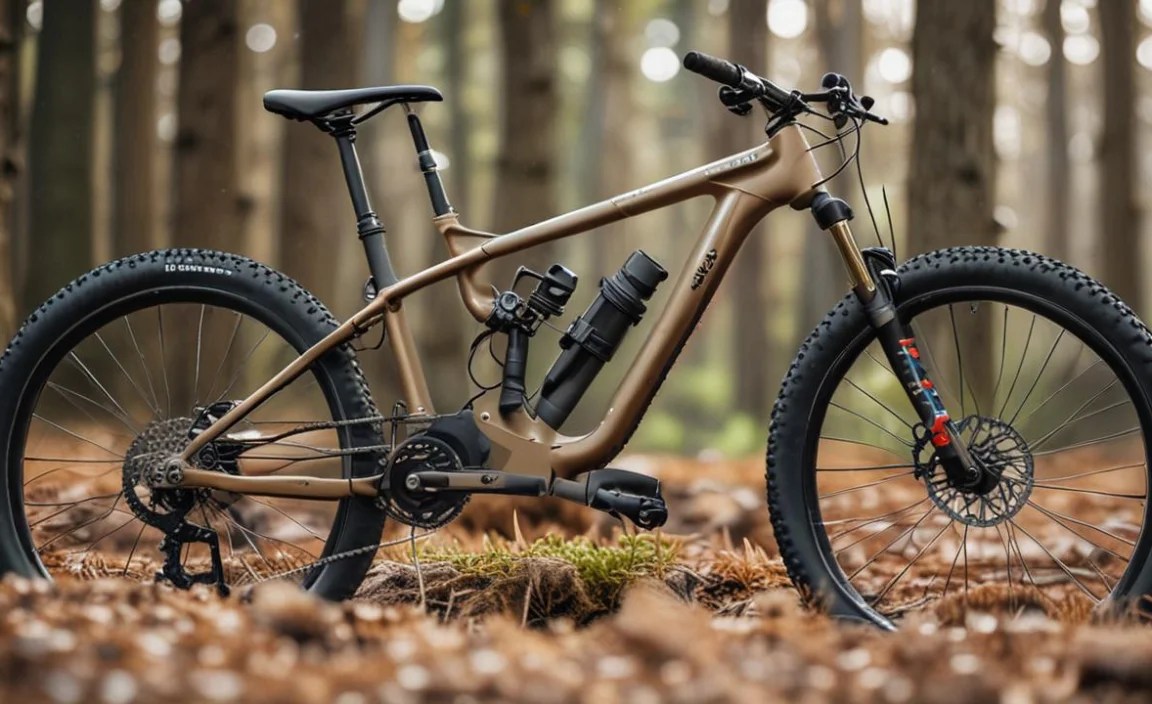
Beyond the frame and suspension, certain components can significantly impact your bike’s performance on technical descents.
Fork
The fork is your front suspension. Look for a fork with adjustable rebound and compression damping to fine-tune the ride to your preferences and the terrain.
- Stanchion Diameter: A larger stanchion diameter (35mm or larger) provides more stiffness and control.
- Air vs. Coil: Air forks are lighter and more adjustable, while coil forks offer a more linear feel.
Rear Shock
The rear shock controls the rear suspension. Like the fork, look for adjustable rebound and compression damping.
- Air vs. Coil: Air shocks are more common and offer more adjustability, while coil shocks provide a more supple feel.
- Reservoir: A shock with a reservoir provides better heat dissipation and more consistent performance on long descents.
Wheelset
A strong and reliable wheelset is crucial for technical descents. Look for wheels with wide rims and durable hubs.
- Rim Width: Wider rims (30mm internal width or wider) provide better tire support and allow you to run lower pressures.
- Hub Engagement: A hub with high engagement provides quicker power transfer and better control on technical climbs and descents.
Drivetrain
A reliable drivetrain is essential for smooth and efficient shifting. Most modern mountain bikes use a 1x drivetrain, which simplifies shifting and reduces weight.
- Gearing: Choose a gear range that suits your local terrain. A wide-range cassette (10-50t or 10-52t) provides plenty of options for both climbing and descending.
- Brand: Shimano and SRAM are the two leading drivetrain manufacturers. Both offer reliable and high-performing options.
Setting Up Your Bike for Technical Descents

Once you have the right bike, it’s important to set it up properly for technical descents. Here are a few key adjustments to make:
- Suspension Setup: Set your suspension sag according to the manufacturer’s recommendations. Sag is the amount the suspension compresses when you’re sitting on the bike. A proper sag ensures the suspension works effectively. Many resources, like this Worldwide Cyclery article, explain the process in detail.
- Tire Pressure: Lower tire pressures provide more traction and a more comfortable ride. Experiment to find the optimal pressure for your weight and the terrain. If running tubeless, you can typically run lower pressures without the risk of pinch flats.
- Brake Lever Position: Adjust your brake levers so they’re easily accessible and comfortable to reach. A good starting point is to angle them slightly downward.
- Cockpit Setup: Adjust your handlebar height and stem length to find a comfortable and confident riding position. A wider handlebar can provide more control on descents.
Maintenance Tips for Technical Descent Bikes
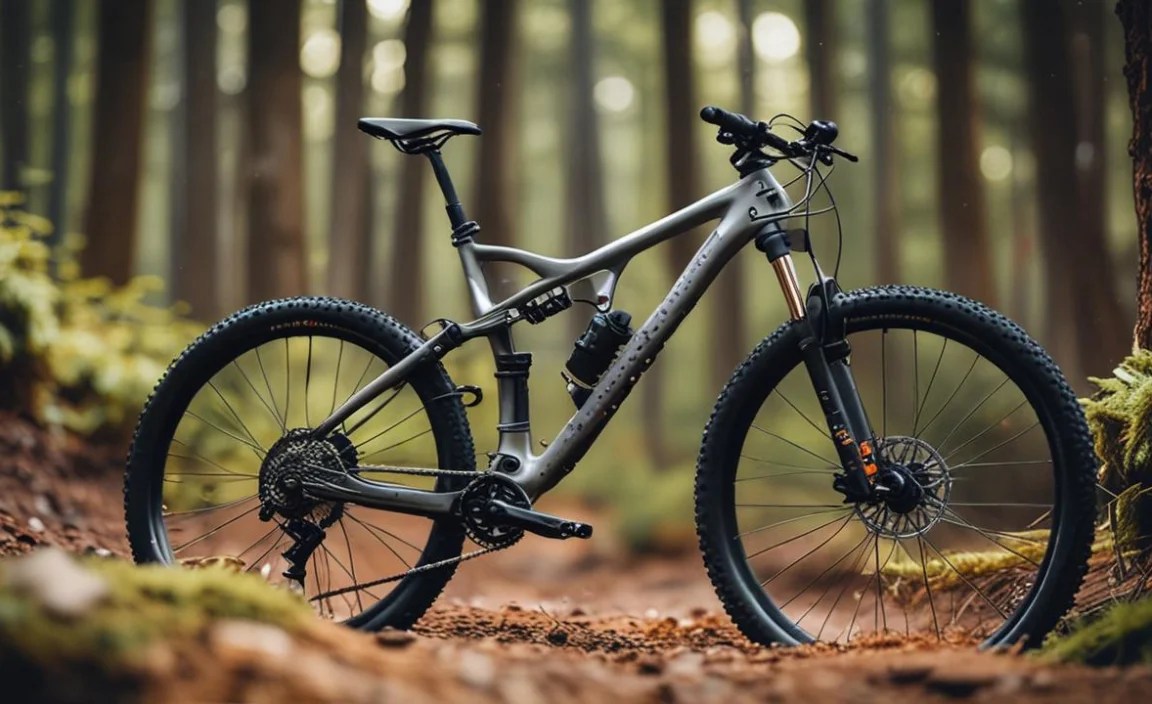
Riding technical descents puts extra strain on your bike. Regular maintenance is crucial to keep it running smoothly and prevent costly repairs.
- Check Tire Pressure: Before each ride, check your tire pressure and adjust as needed.
- Inspect Brakes: Check your brake pads for wear and replace them when necessary. Also, inspect your brake rotors for damage or warping.
- Clean and Lube Chain: Keep your chain clean and lubricated for smooth shifting and to prevent premature wear.
- Check Suspension: Inspect your suspension for leaks or damage. Clean and lubricate the stanchions regularly.
- Tighten Bolts: Periodically check all the bolts on your bike to ensure they’re properly tightened. Pay special attention to bolts on the suspension, brakes, and cockpit.
Recommended Mountain Bikes for Technical Descents
Here’s a comparison table of a few popular mountain bike models known for their capabilities on technical descents:
| Bike Model | Type | Travel (Front/Rear) | Key Features | Approx. Price Range |
|---|---|---|---|---|
| Specialized Enduro | Enduro | 170mm/170mm | Slack geometry, durable components, progressive suspension. | $5,000 – $10,000+ |
| Trek Slash | Enduro | 170mm/160mm | Adjustable geometry, stable at high speeds, good climber for an enduro bike. | $4,500 – $9,000+ |
| Santa Cruz Nomad | Enduro | 170mm/170mm | Playful handling, VPP suspension, capable on steep terrain. | $5,500 – $11,000+ |
| YT Capra | Enduro | 170mm/170mm | Direct-to-consumer, aggressive geometry, good value for the price. | $3,500 – $6,000+ |
| Ibis Ripmo | Trail | 160mm/147mm | DW-link suspension, efficient climber, surprisingly capable on descents. | $5,000 – $10,000+ |
Note: Prices are approximate and may vary depending on the build kit and retailer.
FAQ: Mountain Bikes for Technical Descents
- Q: What does “slack geometry” mean?
- A: Slack geometry refers to a slacker head tube angle, which provides more stability at high speeds and on steep terrain. Imagine the front fork leaning further forward – that’s a slack head angle.
- Q: Can I use a hardtail for technical descents?
- A: While possible, hardtails are not ideal for technical descents. The lack of rear suspension makes them less comfortable and less forgiving on rough terrain. Full-suspension bikes offer much better control and stability.
- Q: What is a dropper post and why do I need one?
- A: A dropper post is a seatpost that can be lowered with the push of a button. This gets the saddle out of the way on descents, giving you more room to move around and improving your balance and control.
- Q: What size rotors should I use for my brakes?
- A: For technical descents, 200mm or larger rotors are recommended. Larger rotors provide more stopping power and better heat dissipation, which is important on long, steep descents.
- Q: What’s the difference between air and coil suspension?
- A: Air suspension uses compressed air as the spring, while coil suspension uses a metal coil. Air suspension is lighter and more adjustable, while coil suspension offers a more linear and supple feel.
- Q: How important is bike fit?
- A: Bike fit is extremely important. A properly fitted bike will be more comfortable, more efficient, and easier to control. Consider getting a professional bike fit to ensure your bike is set up correctly for your body and riding style.
- Q: What other safety gear should I consider?
- A: Besides a helmet, consider knee pads, elbow pads, and gloves. Some riders also opt for a full-face helmet and a neck brace for added protection on very challenging trails.
Conclusion
Choosing the right mountain bike for technical descents can dramatically improve your riding experience. By understanding the key features, types of bikes, and essential components, you can make an informed decision and find a bike that inspires confidence on even the most challenging trails. Remember to prioritize suspension travel, frame geometry, brakes, a dropper post, and tires. Don’t forget to set up your bike properly and perform regular maintenance to keep it running smoothly. Now get out there and shred those descents!


