
Easy Mountain Bike Suspension Maintenance Guide

Mountain Bike Suspension Maintenance: A Beginner’s Guide
Quick Summary: Keep your mountain bike suspension running smoothly with regular cleaning and lubrication. Inspect seals after each ride, clean stanchions with a soft cloth, and apply a suspension-specific lubricant. Perform lower leg services and air spring maintenance every 50-100 hours of riding to maintain optimal performance and prevent costly repairs.
Is your mountain bike’s suspension feeling a little sluggish? Does it seem like it’s not soaking up bumps like it used to? Don’t worry, you’re not alone! Mountain bike suspension requires regular maintenance to keep it performing its best. It might sound intimidating, but with a few simple steps, you can keep your suspension running smoothly and extend its lifespan. This guide will walk you through the essential maintenance tasks in plain English so you can confidently tackle them yourself. We’ll cover everything from basic cleaning to more involved services. Let’s get started!
Why Mountain Bike Suspension Maintenance Matters

Your mountain bike’s suspension is crucial for a comfortable and controlled ride. It absorbs bumps and vibrations, keeping your tires in contact with the ground for better traction and handling. Proper maintenance ensures:
- Optimal Performance: Suspension works as intended, improving ride quality.
- Extended Lifespan: Prevents premature wear and tear on expensive components.
- Safety: Reliable suspension enhances control and reduces the risk of accidents.
- Cost Savings: Regular maintenance prevents costly repairs down the road.
Essential Tools and Supplies

Before you start, gather these essential tools and supplies:
- Soft Cloths: For cleaning stanchions and seals. Microfiber cloths work great.
- Suspension-Specific Cleaner: To remove dirt and grime without damaging seals.
- Suspension-Specific Lubricant: For lubricating stanchions and seals.
- Isopropyl Alcohol: For cleaning internal parts (use sparingly).
- Torque Wrench: To tighten bolts to the correct specifications.
- Socket Set: For removing and installing bolts.
- Shock Pump: For adjusting air pressure in air shocks and forks.
- Pick Set: For removing seals.
- Seal Driver Set: For installing seals without damage.
- Oil Drain Pan: To catch oil during lower leg service.
- Work Gloves: To keep your hands clean and protected.
- Service Manual: Consult your suspension manufacturer’s service manual for specific instructions and torque specs.
Daily/Post-Ride Maintenance

These quick checks and cleaning routines will help keep your suspension in top shape between more in-depth services.
1. Visual Inspection
After each ride, take a quick look at your suspension components:
- Check for Damage: Look for scratches, dents, or cracks on the stanchions (the shiny part of the fork or shock shaft) and the body.
- Inspect Seals: Check for any signs of oil leakage around the seals. A thin film of oil is normal, but excessive oil indicates a potential problem.
2. Cleaning
Keeping your suspension clean is one of the easiest and most effective ways to extend its life:
- Wipe Down Stanchions: Use a clean, soft cloth to wipe down the stanchions after each ride. This removes dirt and grime that can damage the seals.
- Clean Seals: Gently clean around the seals with a soft cloth to remove any accumulated dirt.
3. Lubrication
Proper lubrication reduces friction and keeps your suspension moving smoothly:
- Apply Lubricant: Apply a small amount of suspension-specific lubricant to the stanchions.
- Cycle the Suspension: Cycle the suspension a few times to distribute the lubricant evenly.
- Wipe Away Excess: Wipe away any excess lubricant with a clean cloth.
Monthly Maintenance
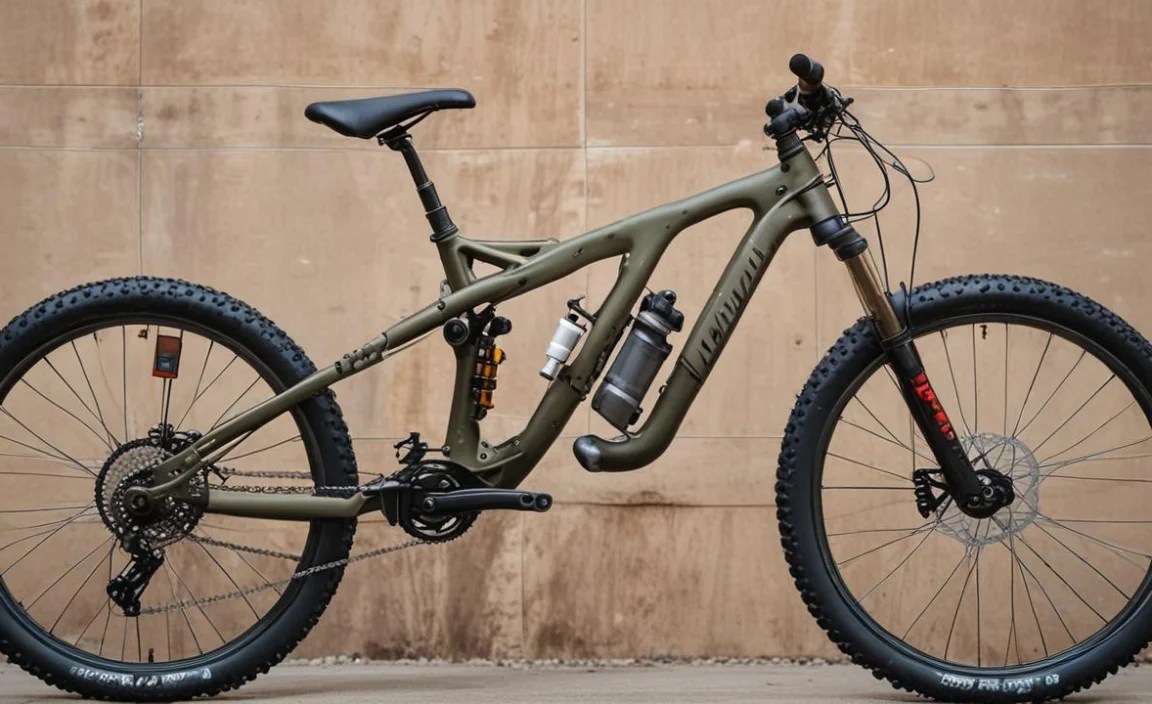
These tasks should be performed monthly or every 20-30 hours of riding.
1. Air Pressure Check
Maintaining the correct air pressure is crucial for optimal suspension performance:
- Consult Manufacturer’s Guide: Refer to your suspension manufacturer’s guide for recommended air pressure settings based on your weight and riding style.
- Attach Shock Pump: Attach a shock pump to the air valve on your fork or shock.
- Check Pressure: Check the air pressure reading on the pump.
- Adjust Pressure: Add or release air as needed to achieve the recommended pressure.
2. Bolt Check
Loose bolts can cause creaking, poor performance, and even component failure:
- Locate Bolts: Identify all the bolts on your suspension components, including those on the fork lowers, shock mounts, and any adjustment knobs.
- Tighten Bolts: Use a torque wrench to tighten each bolt to the manufacturer’s specified torque.
Semi-Annual/Annual Maintenance (Lower Leg Service and Air Spring Service)

These more involved services should be performed every 50-100 hours of riding, or at least once a year. If you are not comfortable performing these services yourself, take your bike to a qualified mechanic.
Lower Leg Service (Fork)
This service involves removing the lower legs of your fork to clean and lubricate the internal components.
Tools and Supplies Needed:
- Socket set
- Torque wrench
- Oil drain pan
- Suspension fluid (manufacturer-specified)
- Seal driver set
- Pick set
- Clean rags
Steps:
- Prepare the Fork: Remove the front wheel and brakes from the fork.
- Remove Lower Leg Bolts: Loosen and remove the bolts at the bottom of the fork lowers. Use a socket set and be prepared for some oil to drain out. Place an oil drain pan underneath.
- Separate Lowers: Gently slide the fork lowers down and off the stanchions.
- Clean Components: Clean the inside of the lowers, the stanchions, and the foam rings (if equipped) with a clean rag and isopropyl alcohol.
- Replace Foam Rings (If Applicable): Soak new foam rings in suspension fluid.
- Reassemble: Slide the lowers back onto the stanchions.
- Add Oil: Add the manufacturer-specified amount of suspension fluid to each leg.
- Install Lower Leg Bolts: Install the lower leg bolts and tighten them to the manufacturer’s specified torque using a torque wrench.
- Reinstall Components: Reinstall the front wheel and brakes.
Air Spring Service (Fork or Shock)
This service involves disassembling the air spring to clean, inspect, and lubricate the internal components.
Tools and Supplies Needed:
- Shock pump
- Socket set
- Torque wrench
- Suspension grease (manufacturer-specified)
- Pick set
- Clean rags
Steps (Fork Example):
- Release Air Pressure: Use a shock pump to completely release the air pressure from the air spring.
- Remove Top Cap: Use a socket to remove the top cap from the air spring side of the fork.
- Remove Air Spring Components: Carefully remove the air spring components, including the piston, seals, and any spacers.
- Clean Components: Clean all the air spring components with a clean rag and isopropyl alcohol.
- Inspect Seals: Inspect the seals for any signs of wear or damage. Replace them if necessary.
- Lubricate Components: Apply a small amount of suspension grease to the seals and piston.
- Reassemble: Reinstall the air spring components in the correct order.
- Install Top Cap: Install the top cap and tighten it to the manufacturer’s specified torque using a torque wrench.
- Inflate Air Spring: Use a shock pump to inflate the air spring to the desired pressure.
Troubleshooting Common Suspension Issues
Here’s a quick guide to diagnosing and addressing common suspension problems:
| Issue | Possible Cause | Solution |
|---|---|---|
| Suspension feels harsh | Incorrect air pressure, dry seals | Adjust air pressure, lubricate seals |
| Suspension bottoms out easily | Incorrect air pressure, insufficient damping | Adjust air pressure, increase damping settings |
| Suspension makes noise | Loose bolts, dry bushings | Tighten bolts, lubricate bushings |
| Oil leaking from seals | Damaged seals, worn bushings | Replace seals, replace bushings |
Suspension Setup Tips
Getting your suspension properly set up is just as important as maintaining it. Here are a few tips to get you started:
- Set Sag: Sag is the amount the suspension compresses when you’re sitting on the bike. Consult your manufacturer’s guide for recommended sag settings.
- Adjust Rebound: Rebound controls how quickly the suspension returns to its extended position after compressing. Adjust it so the suspension returns quickly but doesn’t “buck” you off the bike.
- Adjust Compression: Compression controls how easily the suspension compresses when hitting a bump. Use compression damping to fine-tune the suspension feel for different terrain.
Choosing the Right Suspension Products
Selecting the right suspension components and maintenance products is essential for optimal performance and longevity.
Suspension Forks and Shocks
When choosing a suspension fork or shock, consider the following factors:
- Travel: The amount of travel you need depends on the type of riding you do. Cross-country bikes typically have less travel than downhill bikes.
- Air vs. Coil: Air suspension is lighter and more adjustable, while coil suspension is more plush and consistent.
- Features: Look for features like adjustable rebound, compression, and lockout.
Maintenance Products
Use only suspension-specific cleaners, lubricants, and fluids. Avoid using general-purpose products, as they can damage the seals and other components.
- Suspension Cleaner: Use a cleaner specifically designed for suspension components.
- Suspension Lubricant: Use a lubricant designed to reduce friction and protect seals.
- Suspension Fluid: Use the manufacturer-specified fluid for lower leg services.
- Suspension Grease: Use a high-quality grease for lubricating air spring components.
Common Mistakes to Avoid
Here are some common mistakes to avoid when performing mountain bike suspension maintenance:
- Using the Wrong Products: Always use suspension-specific products.
- Over-Tightening Bolts: Use a torque wrench to tighten bolts to the correct specifications.
- Ignoring Service Intervals: Perform regular maintenance to prevent costly repairs.
- Forcing Components: If something doesn’t come apart easily, don’t force it. Consult a mechanic.
- Skipping Cleaning: Clean components thoroughly before reassembling them.
FAQ: Mountain Bike Suspension Maintenance
- How often should I clean my mountain bike suspension?
- Clean your suspension stanchions after every ride to remove dirt and grime. This simple step significantly extends the life of your seals.
- What kind of lubricant should I use on my suspension?
- Always use a suspension-specific lubricant. Avoid using general-purpose lubricants, as they can damage the seals.
- How do I know if my suspension needs servicing?
- If your suspension feels harsh, bottoms out easily, or makes unusual noises, it’s likely time for a service. Also, follow the manufacturer’s recommended service intervals.
- Can I perform suspension maintenance myself?
- Basic maintenance like cleaning and lubricating is easy to do yourself. More involved services like lower leg services and air spring services require more technical knowledge and tools. If you’re not comfortable, take your bike to a qualified mechanic.
- What is sag, and why is it important?
- Sag is the amount your suspension compresses when you’re sitting on the bike. Setting the correct sag ensures your suspension works properly and provides optimal traction and control.
- Where can I find the recommended air pressure for my suspension?
- Refer to your suspension manufacturer’s guide or website. They usually provide charts with recommended air pressure settings based on your weight and riding style.
- What happens if I don’t maintain my suspension?
- Neglecting suspension maintenance can lead to poor performance, premature wear and tear, and costly repairs. Regular maintenance keeps your suspension running smoothly and extends its lifespan.
Conclusion
Maintaining your mountain bike suspension might seem daunting at first, but with these simple steps, you can keep it running smoothly and extend its lifespan. Regular cleaning, lubrication, and periodic servicing will ensure optimal performance, enhance your riding experience, and save you money in the long run. So, grab your tools, follow this guide, and get ready to enjoy a smoother, more controlled ride! Remember to always consult your manufacturer’s service manual for specific instructions and torque specifications for your suspension components. Happy trails!


