
Mountain Bike for Rocky Trails: Your Powerful Guide

Choosing the Best Mountain Bike for Rocky Trails
Quick Summary: The best mountain bike for rocky trails should have full suspension (at least 120mm travel), strong brakes, durable wheels, and grippy tires. Look for features like a dropper post and a sturdy frame designed for aggressive riding. Prioritize comfort and control to tackle tough terrain with confidence.
Riding rocky trails on a mountain bike can be incredibly fun and challenging. But, it can also be frustrating if you don’t have the right bike. A bike that’s not up to the task can make you feel every bump and leave you feeling beat up after just a short ride. Choosing the right mountain bike can be tricky with all the different options out there. Don’t worry, we’ll walk you through everything you need to know to pick the perfect bike for those rocky adventures. Get ready to explore the trails with more confidence and comfort!
Understanding the Challenges of Rocky Trails

Rocky trails present unique challenges to both the rider and the bike. Let’s break down what makes these trails so demanding:
- Impacts: Rocks can cause hard impacts that can damage your bike’s components.
- Vibration: Constant vibration can lead to fatigue and discomfort.
- Traction: Loose rocks can make it hard to maintain traction, especially on climbs and descents.
- Handling: Navigating rocky terrain requires precise handling and control.
Knowing these challenges helps you understand what features to look for in a mountain bike.
Key Features to Look For
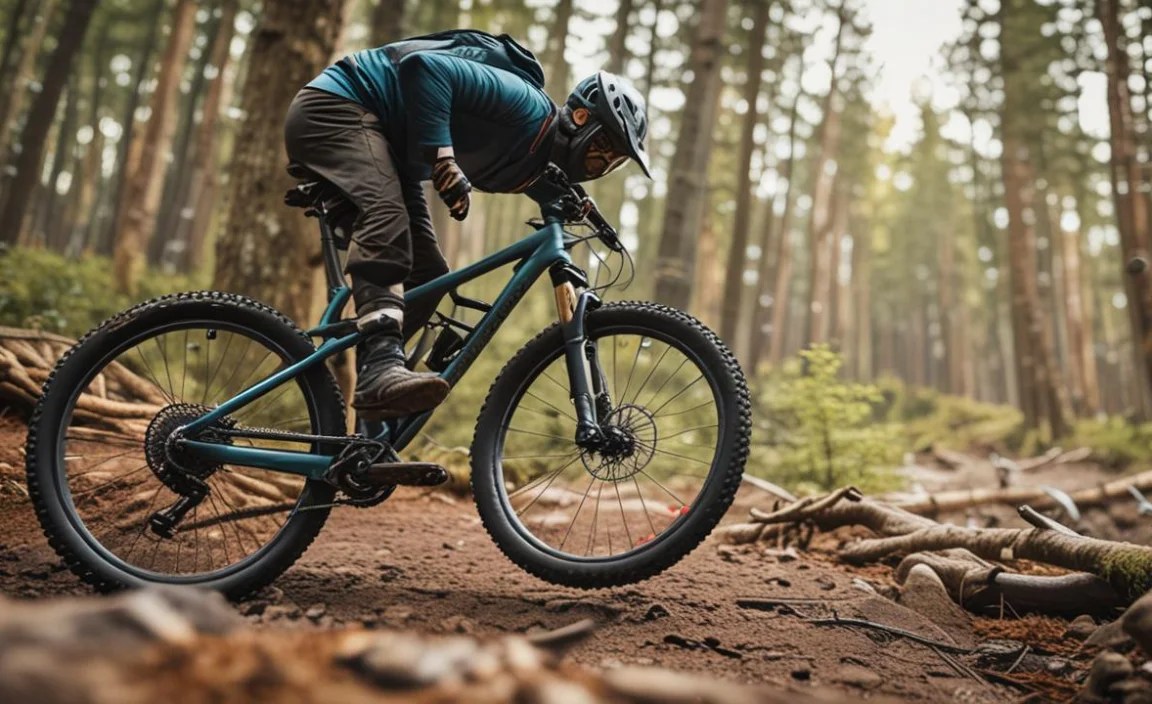
When choosing a mountain bike for rocky trails, focus on these key features:
Suspension
Suspension is your best friend on rocky trails. It absorbs impacts and keeps your wheels on the ground for better control.
- Full Suspension vs. Hardtail: Full suspension bikes have both front and rear suspension. This is generally better for rocky trails as it provides more comfort and control compared to a hardtail (front suspension only).
- Travel: Look for a bike with at least 120mm of travel. More travel (140mm-160mm) is better for very rough and steep trails.
- Air vs. Coil: Air suspension is lighter and more adjustable, making it a good choice for most riders. Coil suspension is more plush and consistent but heavier.
Frame Material and Geometry
The frame is the backbone of your bike. It needs to be strong and have a geometry that suits your riding style.
- Material: Aluminum frames are durable and affordable. Carbon fiber frames are lighter and stiffer but more expensive.
- Geometry: Look for a bike with a slack head tube angle (65-67 degrees) for more stability on descents. A longer wheelbase also adds stability.
Brakes
Good brakes are essential for controlling your speed on steep, rocky descents.
- Type: Hydraulic disc brakes provide more power and modulation than mechanical disc brakes.
- Rotor Size: Larger rotors (180mm or 200mm) offer more stopping power and better heat dissipation.
Wheels and Tires
Your wheels and tires are the first point of contact with the trail. They need to be strong and grippy.
- Wheels: Look for wheels with wide rims (25-35mm internal width) for better tire support.
- Tires: Choose tires with aggressive tread patterns for good traction. Tubeless tires allow you to run lower pressures without the risk of pinch flats.
Dropper Post
A dropper post allows you to lower your saddle with the push of a lever. This gives you more room to move around on the bike and improves control on steep descents.
Types of Mountain Bikes for Rocky Trails

There are several types of mountain bikes that can handle rocky trails. Here’s a quick overview:
- Trail Bikes: These are versatile bikes that can handle a wide range of terrain. They typically have 120-140mm of travel.
- Enduro Bikes: These bikes are designed for aggressive riding and racing. They have 150-170mm of travel and are built for steep, technical trails.
- Downhill Bikes: These bikes are designed for downhill racing. They have 180-200mm of travel and are built for the most extreme terrain.
Choosing the Right Size

Getting the right size bike is crucial for comfort and control. Here’s how to find the right size:
- Use a Size Chart: Most bike manufacturers have size charts on their websites. These charts will give you a good starting point based on your height.
- Test Ride: If possible, test ride a few different sizes to see what feels best.
- Consider Reach and Stack: Reach is the horizontal distance from the bottom bracket to the head tube. Stack is the vertical distance. These measurements can help you fine-tune the fit.
Setting Up Your Bike for Rocky Trails

Once you have your bike, you need to set it up properly for rocky trails.
Suspension Setup
Proper suspension setup is essential for getting the most out of your bike.
- Set Sag: Sag is the amount the suspension compresses when you’re sitting on the bike. Most manufacturers recommend setting sag to 20-30%.
- Adjust Rebound: Rebound controls how quickly the suspension returns after an impact. Adjust it so the suspension doesn’t bounce too quickly or feel sluggish.
- Fine-Tune Compression: Compression controls how easily the suspension compresses. Use it to fine-tune the feel of the suspension on different types of terrain.
Tire Pressure
Running the right tire pressure can improve traction and reduce the risk of pinch flats.
- Use a Tire Pressure Gauge: A tire pressure gauge will help you get consistent and accurate readings.
- Experiment: Experiment with different pressures to find what works best for you. Lower pressures will provide more traction, but too low and you risk pinch flats.
Cockpit Setup
Your cockpit setup (handlebars, stem, and saddle) can affect your comfort and control.
- Handlebar Width: Wider handlebars provide more leverage and control.
- Stem Length: Shorter stems provide quicker steering.
- Saddle Position: Adjust your saddle so your legs are slightly bent at the bottom of the pedal stroke.
Maintenance Tips for Rocky Trails
Riding rocky trails can be hard on your bike. Regular maintenance will help keep it running smoothly.
- Check Tire Pressure: Check your tire pressure before every ride.
- Inspect Your Tires: Look for cuts, tears, or embedded objects.
- Clean and Lube Your Chain: A clean, lubed chain will shift smoothly and last longer.
- Check Your Brakes: Make sure your brakes are working properly and the pads have plenty of life left.
- Inspect Your Suspension: Look for leaks or damage. Service your suspension regularly according to the manufacturer’s recommendations.
- Check Bolts: Periodically check all the bolts on your bike to make sure they’re tight.
Recommended Mountain Bikes for Rocky Trails
Here are a few highly-regarded mountain bikes that excel on rocky trails, suitable for different budgets and riding styles:
| Bike Model | Type | Travel | Key Features | Approx. Price |
|---|---|---|---|---|
| Specialized Stumpjumper EVO | Trail/Enduro | 150mm/160mm | Adjustable geometry, SWAT storage | $4,000 – $8,000 |
| Trek Fuel EX | Trail | 130mm/140mm | Versatile, balanced handling | $3,500 – $7,000 |
| Santa Cruz Bronson | Enduro | 150mm | VPP suspension, durable construction | $5,000 – $9,000 |
| YT Jeffsy | Trail | 150mm | Direct-to-consumer, great value | $3,000 – $6,000 |
| Canyon Spectral | Trail | 150mm | Modern geometry, efficient climber | $3,500 – $7,500 |
These bikes offer a blend of performance, durability, and features that make them well-suited for tackling challenging rocky trails. Always check the manufacturer’s website for the most up-to-date specifications and pricing.
Essential Gear for Rocky Trails
Besides the bike itself, certain gear items are essential for riding rocky trails safely and comfortably:
- Helmet: Always wear a helmet. A full-face helmet provides extra protection for aggressive riding.
- Gloves: Gloves protect your hands and improve grip.
- Eye Protection: Sunglasses or goggles protect your eyes from dust, debris, and the sun.
- Knee Pads: Knee pads protect your knees from impacts.
- Elbow Pads: Elbow pads provide extra protection for your arms.
- Bike Shoes: Bike shoes with clipless pedals provide more efficient power transfer.
- Hydration Pack: A hydration pack allows you to carry water and other essentials.
- Multi-Tool: A multi-tool is essential for making on-the-trail repairs.
- Tire Repair Kit: A tire repair kit will help you fix flats on the trail.
Skills and Techniques for Rocky Trails
Having the right bike is only half the battle. You also need the right skills and techniques.
- Look Ahead: Look ahead to anticipate obstacles and choose the best line.
- Weight Distribution: Shift your weight to maintain balance and traction.
- Use Your Body: Use your body to absorb impacts and maintain control.
- Braking: Use your brakes smoothly and consistently. Avoid locking up your wheels.
- Cornering: Lean into corners to maintain traction.
- Climbing: Shift your weight forward to maintain traction on steep climbs.
- Descending: Keep your weight back and use your brakes to control your speed on steep descents.
Consider taking a mountain bike skills clinic to learn proper techniques from experienced instructors.
Where to Buy Mountain Bikes
You can buy mountain bikes from several sources:
- Local Bike Shops: Local bike shops offer expert advice and service.
- Online Retailers: Online retailers often have a wider selection and lower prices.
- Direct-to-Consumer Brands: Direct-to-consumer brands offer good value by cutting out the middleman.
Consider the pros and cons of each option before making a purchase.
Trail Etiquette for Rocky Trails
Respecting other trail users and the environment is crucial. Follow these guidelines:
- Yield to Uphill Traffic: Uphill riders have the right of way.
- Control Your Speed: Ride at a safe speed and be aware of your surroundings.
- Stay on Marked Trails: Avoid creating new trails or shortcuts.
- Pack Out Your Trash: Leave no trace of your visit.
- Respect Wildlife: Observe wildlife from a distance and avoid disturbing their habitat.
FAQ About Mountain Bikes for Rocky Trails
What is the best type of suspension for rocky trails?
Full suspension is generally best for rocky trails because it absorbs more bumps and provides better control than a hardtail.
How much suspension travel do I need?
For most rocky trails, 120-140mm of travel is sufficient. If you’re riding very rough or steep trails, consider 150-170mm.
What tire pressure should I run on rocky trails?
Tire pressure depends on your weight, tire size, and the type of terrain. Start with the manufacturer’s recommended pressure and experiment to find what works best for you. Lower pressures provide more traction, but too low and you risk pinch flats.
Are tubeless tires worth it for rocky trails?
Yes, tubeless tires are highly recommended for rocky trails. They allow you to run lower pressures without the risk of pinch flats and can seal small punctures.
What size bike should I get?
Use the manufacturer’s size chart as a starting point. If possible, test ride a few different sizes to see what feels best. Consider reach and stack measurements to fine-tune the fit.
What is a dropper post and why do I need one?
A dropper post allows you to lower your saddle with the push of a lever. This gives you more room to move around on the bike and improves control on steep descents. It’s highly recommended for rocky trails.
How often should I service my suspension?
Service your suspension regularly according to the manufacturer’s recommendations. This will help keep it running smoothly and prevent damage.
Conclusion
Choosing the right mountain bike for rocky trails involves considering several factors, including suspension, frame material, brakes, wheels, and geometry. Setting up your bike properly and developing the right skills are also essential for a safe and enjoyable ride. By following the tips in this guide, you’ll be well-equipped to tackle those rocky trails with confidence. Remember to maintain your bike regularly and always prioritize safety. Now get out there and enjoy the ride!


