
How to Make a Septic Pump Cycle Less

Quick Summary: To reduce your septic pump’s cycle frequency, focus on water conservation. Repair leaky fixtures, install low-flow appliances, and adjust your water usage habits. Ensure proper drainage and consider the size of your septic tank in relation to your household’s water consumption. Regular maintenance and professional inspections are also crucial for optimal performance.
Is your septic pump cycling too often? It’s a common problem that can lead to unnecessary wear and tear, higher energy bills, and even system failure. Nobody wants that headache! The good news is that there are several simple steps you can take to reduce how often your septic pump kicks on. This guide will walk you through practical solutions to keep your system running smoothly and efficiently. Let’s get started!
Understanding Your Septic System
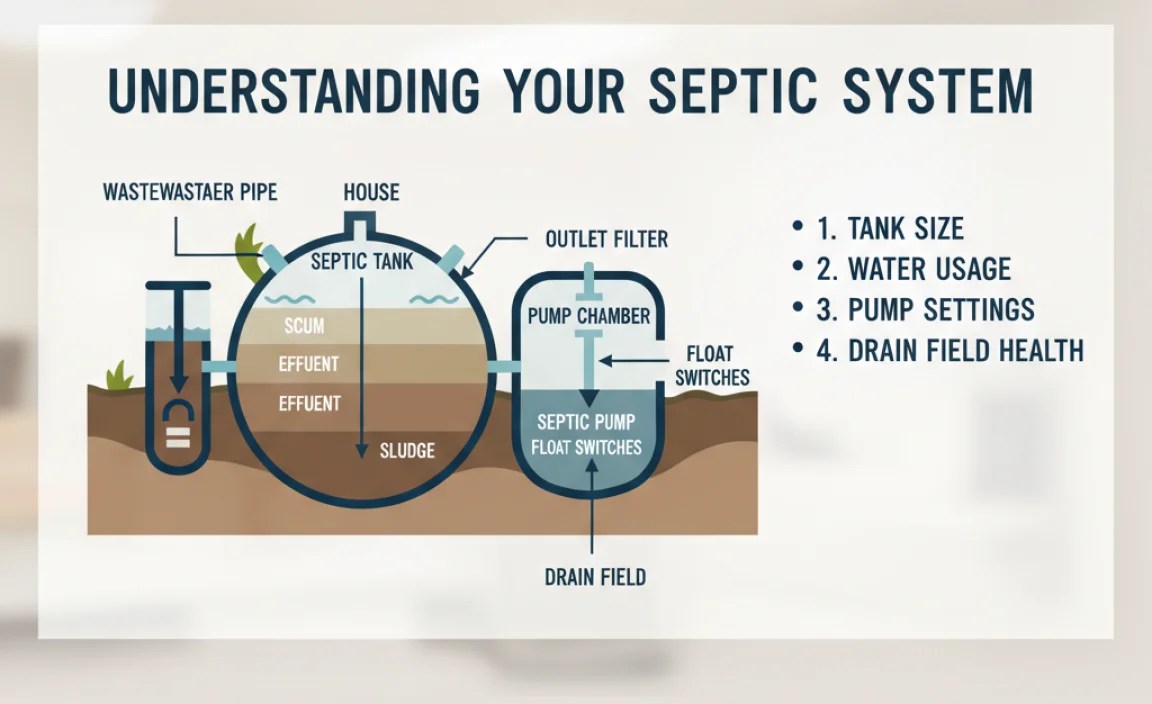
Before diving into solutions, let’s understand how your septic system works. A typical septic system consists of two main parts: the septic tank and the drain field. Wastewater from your home flows into the septic tank, where solids settle to the bottom, forming sludge, and lighter materials float to the top, creating scum. The liquid effluent in the middle then flows to the drain field for further treatment and dispersal into the soil.
In some systems, especially those on smaller or elevated lots, a septic pump (also called an effluent pump) is needed to move the effluent from the septic tank to the drain field. This pump is activated by a float switch that monitors the liquid level in the pump chamber. When the level reaches a certain point, the pump turns on, discharging the effluent until the level drops, and the pump shuts off. This on-and-off process is the pump cycle.
If the pump cycles too frequently, it indicates that more water is entering the system than it can handle efficiently. This can strain the pump, shorten its lifespan, and potentially lead to drain field issues. So, reducing the pump cycle frequency is crucial for maintaining a healthy and efficient septic system.
Diagnosing the Problem
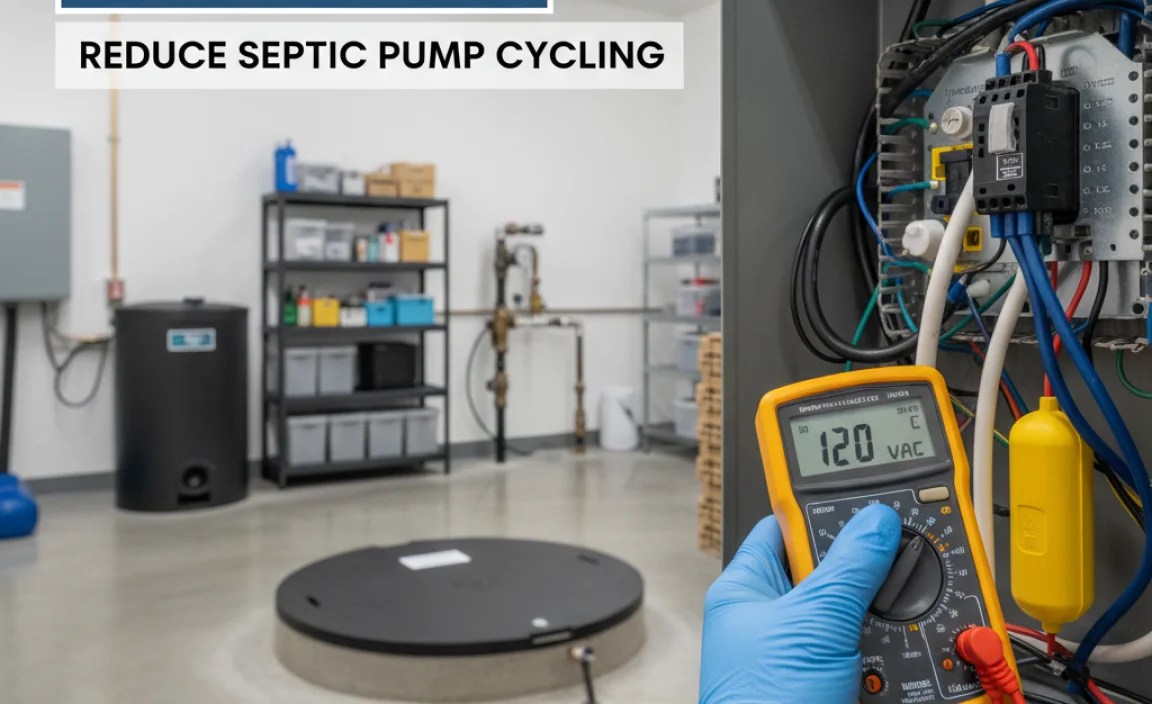
Before you can fix the problem, you need to understand why your septic pump is cycling so often. Here are some common causes:
- Excessive Water Use: This is the most common culprit. Think about your daily water consumption habits. Long showers, frequent laundry loads, and running the dishwasher often can quickly overload your system.
- Leaks: A running toilet or a dripping faucet can waste a surprising amount of water over time, contributing to excessive pump cycling.
- Rainwater Infiltration: Cracks in the septic tank or improper drainage around the tank can allow rainwater to seep into the system.
- High Water Table: In areas with a high water table, groundwater can infiltrate the septic system, especially during wet seasons.
- Undersized Septic Tank: If your septic tank is too small for your household’s water usage, it will fill up quickly, causing the pump to cycle more often.
- Malfunctioning Float Switch: A faulty float switch can cause the pump to turn on and off erratically, even when the water level isn’t high.
Step-by-Step Solutions
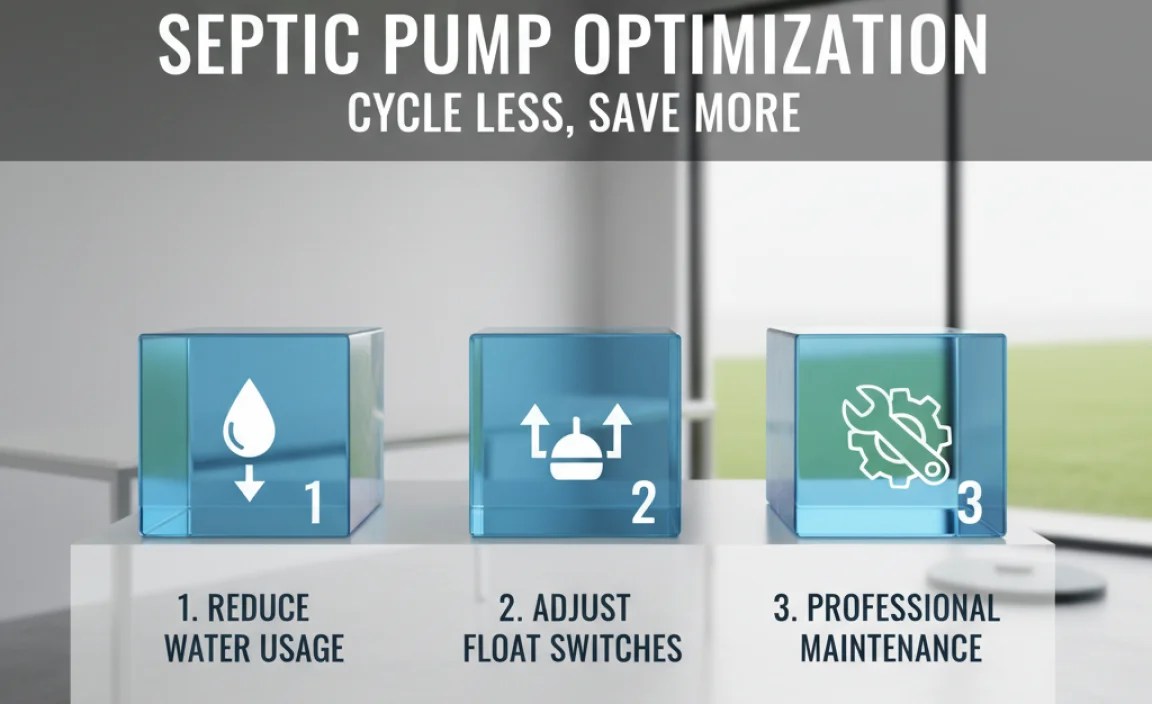
Now that you understand the potential causes, let’s explore practical solutions to reduce your septic pump’s cycle frequency.
1. Reduce Water Consumption
The first and most effective step is to reduce your overall water consumption. Small changes in your daily habits can make a big difference.
- Fix Leaks Immediately: Repair any leaky faucets, toilets, or pipes as soon as possible. A running toilet can waste hundreds of gallons of water per day.
- Install Low-Flow Fixtures: Replace old showerheads, toilets, and faucets with low-flow models. These fixtures use significantly less water without sacrificing performance. Look for WaterSense certified products, which meet EPA criteria for water efficiency.
- Take Shorter Showers: Reducing your shower time by just a few minutes can save a considerable amount of water. Consider using a shower timer to help you stay on track.
- Run Full Loads: Only run your washing machine and dishwasher when they are fully loaded. This maximizes water efficiency and reduces the number of cycles.
- Spread Out Water Usage: Avoid doing multiple loads of laundry or running the dishwasher and taking a long shower all at the same time. Spreading out your water usage throughout the day can help prevent overloading the system.
- Consider a Dual-Flush Toilet: These toilets offer two flush options: a full flush for solid waste and a half flush for liquid waste, saving water with each use.
2. Inspect and Repair Leaks
Leaks are silent water wasters that can significantly impact your septic system. Here’s how to identify and address them:
- Check Toilets: Add a few drops of food coloring to the toilet tank. If the color appears in the bowl without flushing, you have a leak. Replace the flapper valve or other faulty components.
- Inspect Faucets: Look for drips from faucets and showerheads. Replace worn-out washers or O-rings to stop the leaks.
- Examine Pipes: Check under sinks and around water heaters for any signs of leaks or moisture. Repair or replace damaged pipes as needed.
- Monitor Water Bill: Keep an eye on your water bill for any unexpected spikes in usage, which could indicate a hidden leak.
3. Manage Rainwater Runoff
Rainwater infiltration can overwhelm your septic system. Take steps to divert rainwater away from the tank and drain field.
- Ensure Proper Grading: Make sure the ground slopes away from the septic tank and drain field to prevent rainwater from pooling around them.
- Install Gutters and Downspouts: Direct rainwater away from the foundation of your home and the septic system.
- Seal Cracks: Inspect the septic tank for any cracks or openings and seal them with a waterproof sealant.
- Consider a French Drain: A French drain can help redirect surface water away from the drain field.
4. Evaluate Your Septic Tank Size
If you’ve implemented water conservation measures and addressed leaks, but your pump is still cycling frequently, your septic tank might be undersized for your household’s needs.
- Determine Your Tank Size: Locate your septic tank and measure its dimensions. You can also check your property records for information about the tank size.
- Calculate Your Water Usage: Estimate your daily water usage based on the number of occupants in your household and their water consumption habits.
- Consult a Professional: Contact a septic system professional to evaluate whether your tank size is adequate for your water usage. They can recommend upgrading to a larger tank if necessary.
Here’s a general guideline for septic tank size based on the number of bedrooms in your home:
| Number of Bedrooms | Minimum Septic Tank Size (Gallons) |
|---|---|
| 2 | 750 |
| 3 | 1000 |
| 4 | 1250 |
| 5 | 1500 |
5. Inspect the Float Switch
A malfunctioning float switch can cause the septic pump to cycle erratically. Here’s how to inspect it:
- Locate the Float Switch: The float switch is typically located in the pump chamber of the septic system.
- Visually Inspect: Check the float switch for any signs of damage, such as cracks or corrosion.
- Test the Switch: Manually lift the float switch to see if it activates the pump. If the pump doesn’t turn on, the switch may be faulty and need to be replaced.
- Clean the Switch: Sometimes, debris can accumulate around the float switch, preventing it from functioning properly. Clean the switch with a brush or cloth to remove any debris.
6. Regular Septic System Maintenance
Regular maintenance is essential for keeping your septic system running smoothly and preventing problems like excessive pump cycling.
- Pump the Septic Tank: Have your septic tank pumped every 3-5 years, depending on your household’s water usage and the size of the tank. Regular pumping removes accumulated sludge and scum, preventing them from clogging the drain field.
- Inspect the System: Schedule regular inspections with a qualified septic system professional. They can identify potential problems early and recommend appropriate solutions.
- Avoid Flushing Harmful Materials: Do not flush items that can clog or damage the septic system, such as feminine hygiene products, diapers, and excessive amounts of grease.
- Use Septic-Safe Products: Choose cleaning products and detergents that are specifically designed for septic systems. Avoid using harsh chemicals that can kill beneficial bacteria in the tank.
Here’s a list of items you should never flush down the toilet:
- Feminine hygiene products
- Diapers
- Baby wipes
- Paper towels
- Facial tissues
- Condoms
- Cigarette butts
- Coffee grounds
- Grease or oil
- Medications
- Household chemicals
7. Consider a Septic System Additive (Use with Caution)
While not a substitute for proper maintenance, some septic system additives claim to improve the breakdown of solids and reduce sludge buildup. However, their effectiveness is debated, and some can even harm the system. If you consider using an additive, research thoroughly and choose a product specifically designed for your type of septic system. The EPA does not endorse septic additives, so proceed with caution. Always consult with a septic professional before using any additives.
Troubleshooting Common Issues
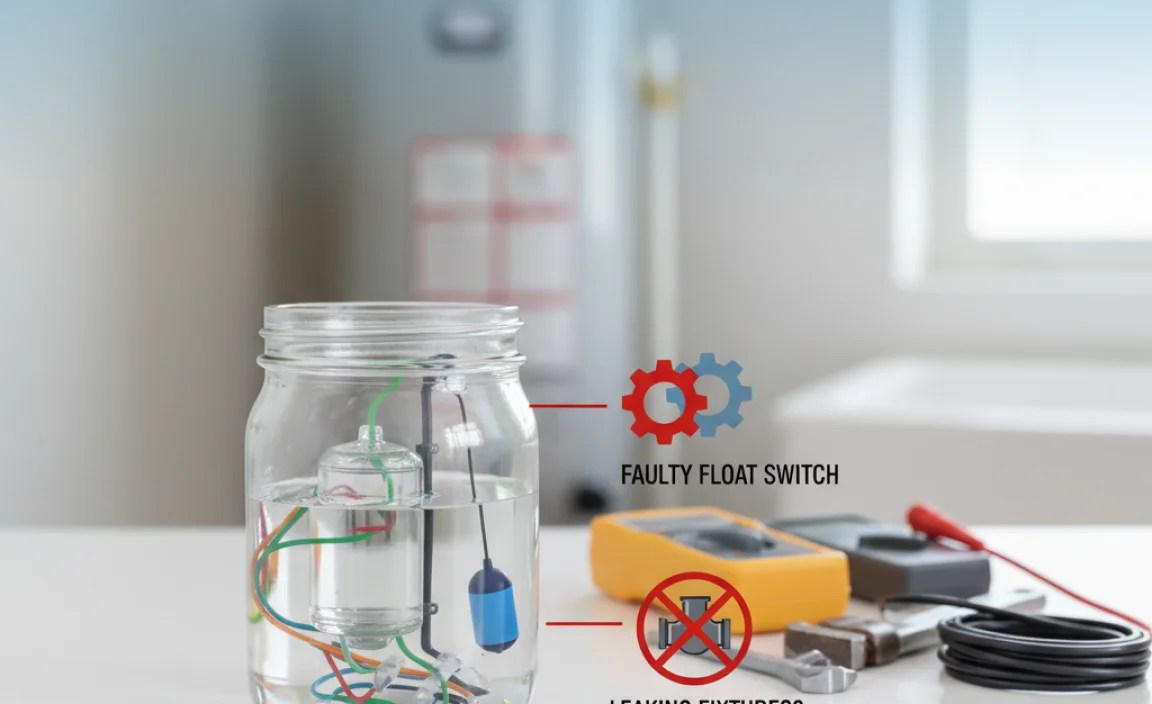
Even after implementing these solutions, you might still encounter some issues. Here are some common problems and how to address them:
- Pump Runs Constantly: This could indicate a leak in the system, a faulty float switch, or a pump that is too small for the task. Inspect the system for leaks, test the float switch, and consult a professional to determine if the pump needs to be replaced.
- Sewage Odor: A sewage odor could indicate a problem with the septic tank, drain field, or plumbing vents. Check the plumbing vents for obstructions and inspect the septic tank for leaks or damage. If the odor persists, contact a septic system professional.
- Slow Draining: Slow draining sinks, toilets, or showers could indicate a clogged drain line or a problem with the drain field. Try using a plunger to clear any clogs in the drain lines. If the problem persists, contact a plumber or septic system professional.
When to Call a Professional

While many of these solutions can be implemented yourself, there are times when it’s best to call a septic system professional. Contact a professional if you experience any of the following:
- Persistent sewage odors
- Standing water in the drain field
- Slow draining sinks, toilets, or showers
- Pump runs constantly
- Alarm sounding on the septic system control panel
- Unsure about the cause of the problem
A qualified septic system professional can diagnose the problem accurately and recommend the appropriate solutions. They can also perform more complex repairs and maintenance tasks that require specialized equipment and knowledge.
FAQ
Why is my septic pump running so much?
Your septic pump might be running frequently due to excessive water use, leaks, rainwater infiltration, or an undersized septic tank. A malfunctioning float switch can also cause it.
How can I reduce water consumption in my home?
Fix leaks promptly, install low-flow fixtures, take shorter showers, run full loads in your washing machine and dishwasher, and spread out water usage throughout the day.
How often should I have my septic tank pumped?
Generally, have your septic tank pumped every 3-5 years, depending on your household’s water usage and the size of the tank.
What should I not flush down the toilet?
Avoid flushing feminine hygiene products, diapers, baby wipes, paper towels, facial tissues, condoms, cigarette butts, coffee grounds, grease, oil, medications, and household chemicals.
How do I know if my septic tank is the right size for my home?
Determine your tank size, calculate your water usage, and consult a septic system professional to evaluate whether your tank size is adequate for your needs.
What is a float switch and how does it affect my septic pump?
A float switch monitors the water level in the pump chamber and activates the septic pump when the level reaches a certain point. A malfunctioning float switch can cause the pump to run erratically.
Can septic system additives help reduce pump cycling?
Some additives claim to improve the breakdown of solids, but their effectiveness is debated. Use them with caution and consult a septic professional before using any additives, as some can harm the system.
Conclusion
Reducing your septic pump’s cycle frequency is essential for maintaining a healthy and efficient septic system. By implementing water conservation measures, addressing leaks, managing rainwater runoff, evaluating your septic tank size, inspecting the float switch, and performing regular maintenance, you can significantly reduce the strain on your pump and prolong the life of your system. Remember to consult with a septic system professional when needed to ensure proper diagnosis and treatment of any problems. With a little effort and attention, you can keep your septic system running smoothly for years to come.
“`


