
Does the Duty Cycle on a Pump Mean You Can’t Ride All Day?

Quick Summary: The duty cycle on a pump, whether it’s for your bike tires or a water pump, tells you how long it can run continuously before needing a cool-down period. A 50% duty cycle, for example, means the pump can run for the same amount of time it needs to rest. Understanding this prevents overheating and extends the pump’s life. So, if your bike pump has a duty cycle, be mindful not to overwork it during those pre-ride top-offs!
Ever been excited to hit the road, only to find your bike pump sputtering and struggling? Or maybe you’re setting up a hydration system and wondering how long the pump can actually run without burning out? You’re not alone! Many cyclists and DIY enthusiasts get tripped up by the term “duty cycle” when it comes to pumps. It sounds technical, but it’s really just a guide to help you use your equipment safely and effectively. Think of it as the pump’s way of telling you, “I need a break!”
In this article, we’ll break down what duty cycle means, why it matters, and how to make sure you’re not pushing your pump too hard. We’ll cover different types of pumps, how to interpret duty cycle ratings, and give you practical tips to keep your pump running smoothly for years to come. Let’s get started!
Understanding Duty Cycle: The Basics

At its core, the duty cycle is all about heat management. Pumps, especially electric ones, generate heat as they work. If they run for too long without a break, they can overheat, which can lead to reduced performance, damage, or even complete failure. The duty cycle is expressed as a percentage and represents the amount of time the pump can run versus the amount of time it needs to rest within a given period.
What Does the Percentage Mean?
Let’s break down some common duty cycle percentages:
- 100% Duty Cycle: This means the pump can run continuously without needing any downtime for cooling. These are typically high-quality, robust pumps designed for demanding applications.
- 50% Duty Cycle: This means the pump needs to rest for the same amount of time it runs. For example, it can run for 30 minutes and then needs a 30-minute cool-down period.
- 25% Duty Cycle: This means the pump needs to rest three times longer than it runs. For instance, it can run for 15 minutes and then needs a 45-minute cool-down period.
The period for these cycles is usually specified (e.g., “50% duty cycle over 30 minutes”), but if it’s not, assume it’s a short period, like a few minutes, for smaller pumps.
Why is Duty Cycle Important?
Ignoring the duty cycle can lead to several problems:
- Overheating: Excessive heat can damage the pump’s motor, seals, and other components.
- Reduced Performance: An overheated pump may not deliver the expected pressure or flow rate.
- Shorter Lifespan: Consistently overworking the pump will significantly reduce its lifespan.
- Failure: In severe cases, overheating can cause the pump to fail completely, leaving you stranded or without essential equipment.
Duty Cycle in Different Types of Pumps

The concept of duty cycle applies to various types of pumps, but it’s particularly relevant for electric pumps. Let’s look at how it applies to a few common types:
Bike Pumps
Most manual bike pumps don’t have a specified duty cycle because they rely on human power, which naturally includes rest periods. However, even with manual pumps, excessive and rapid pumping can generate heat due to friction. Electric bike pumps, on the other hand, always have a duty cycle.
Manual Bike Pumps:
- Pros: Simple, reliable, no power required.
- Cons: Requires physical effort, slower for large tires.
- Duty Cycle: Not specified, but avoid excessive rapid pumping.
Electric Bike Pumps:
- Pros: Convenient, fast, can inflate multiple tires quickly.
- Cons: Requires power, can overheat if overused.
- Duty Cycle: Specified by the manufacturer (e.g., 30% duty cycle).
Water Pumps
Water pumps are used in a wide range of applications, from home irrigation systems to RVs and boats. The duty cycle is a critical factor in selecting the right water pump for the job.
Submersible Pumps:
- Pros: Efficient, quiet, can pump from deep sources.
- Cons: Can be difficult to access for maintenance.
- Duty Cycle: Varies depending on the model, from intermittent to continuous.
Surface Pumps:
- Pros: Easy to access for maintenance, versatile.
- Cons: Can be noisy, less efficient than submersible pumps.
- Duty Cycle: Varies widely, check manufacturer specifications.
Air Compressors
Air compressors are common in workshops and garages for powering tools, inflating tires, and other tasks. Duty cycle is a key consideration for air compressors, especially for those used in professional settings.
Small Portable Compressors:
- Pros: Lightweight, easy to move, suitable for small jobs.
- Cons: Limited air capacity, lower duty cycle.
- Duty Cycle: Typically intermittent (e.g., 25% to 50%).
Large Stationary Compressors:
- Pros: High air capacity, can run tools continuously.
- Cons: Heavy, requires a dedicated space, more expensive.
- Duty Cycle: Often designed for continuous use (100% duty cycle).
How to Interpret and Apply Duty Cycle Ratings

Understanding the duty cycle rating is one thing, but applying it in real-world scenarios is crucial to ensure your pump operates safely and efficiently. Here’s a step-by-step guide:
1. Find the Duty Cycle Specification
The duty cycle is usually listed in the pump’s specifications, either in the owner’s manual or on a label on the pump itself. Look for a percentage followed by the term “duty cycle.” If a time period is specified (e.g., “50% duty cycle over 30 minutes”), take note of that as well.
2. Calculate Run and Rest Times
Once you have the duty cycle percentage, you can calculate the maximum run time and the required rest time. Here’s how:
Example 1: 50% Duty Cycle
- If the cycle time is 60 minutes:
- Run Time: 60 minutes * 50% = 30 minutes
- Rest Time: 60 minutes – 30 minutes = 30 minutes
Example 2: 25% Duty Cycle
- If the cycle time is 60 minutes:
- Run Time: 60 minutes * 25% = 15 minutes
- Rest Time: 60 minutes – 15 minutes = 45 minutes
3. Monitor Pump Temperature
Even if you’re following the duty cycle guidelines, it’s a good idea to monitor the pump’s temperature. If the pump feels excessively hot to the touch, it’s a sign that it’s being overworked. In this case, increase the rest time or reduce the run time.
4. Adjust Usage Based on Ambient Temperature
Ambient temperature can affect the pump’s ability to cool down. On hot days, the pump may need more rest time than usual. Conversely, on cooler days, it may be able to run slightly longer.
5. Consider the Application
The specific application of the pump can also influence how you apply the duty cycle. For example, if you’re using a water pump to fill a large tank, you may need to break up the pumping into shorter intervals to avoid overheating. If you’re just topping off your bike tires, the run time will likely be short enough that the duty cycle isn’t a major concern.
Tips for Extending Pump Life
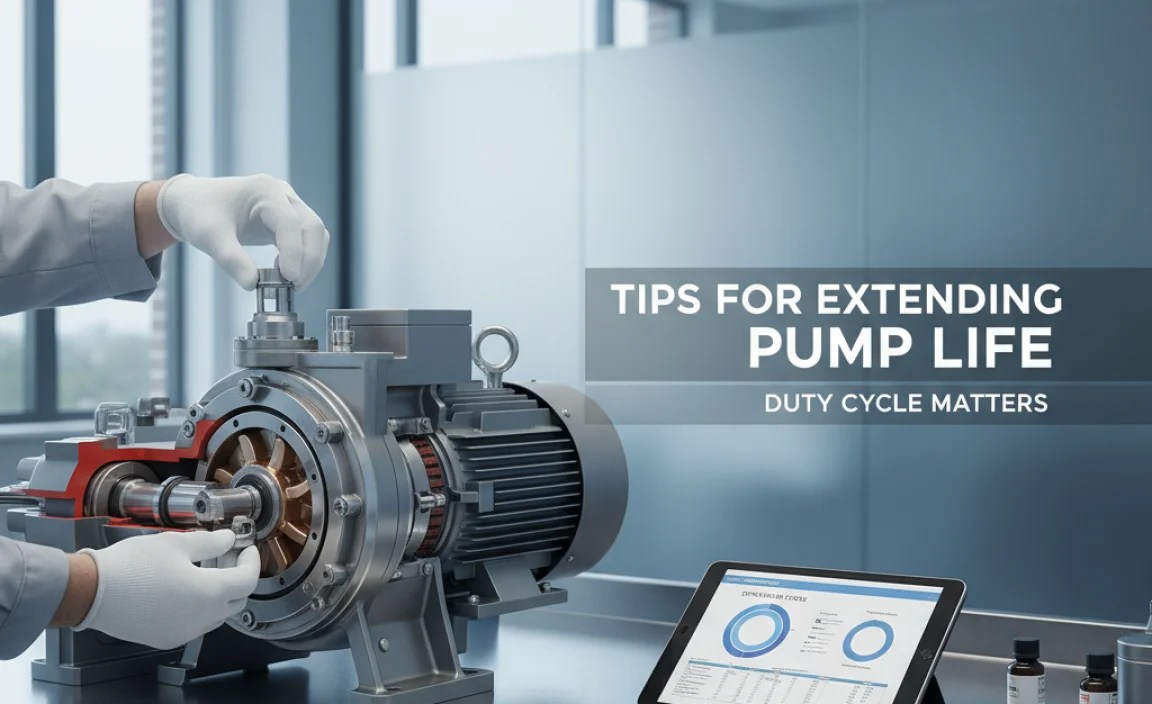
Beyond understanding and applying the duty cycle, there are several other steps you can take to extend the life of your pump:
- Keep the Pump Clean: Dust and debris can accumulate inside the pump, reducing its efficiency and increasing the risk of overheating. Clean the pump regularly with a soft brush or cloth.
- Lubricate Moving Parts: Lubrication reduces friction and helps the pump run cooler. Use a silicone-based lubricant on any moving parts, following the manufacturer’s recommendations.
- Store the Pump Properly: Store the pump in a cool, dry place away from direct sunlight and extreme temperatures.
- Use the Correct Power Supply: If you’re using an electric pump, make sure you’re using the correct voltage and amperage. Using the wrong power supply can damage the pump.
- Check for Leaks: Leaks can reduce the pump’s efficiency and cause it to work harder than necessary. Check for leaks regularly and repair them promptly.
Troubleshooting Common Pump Problems
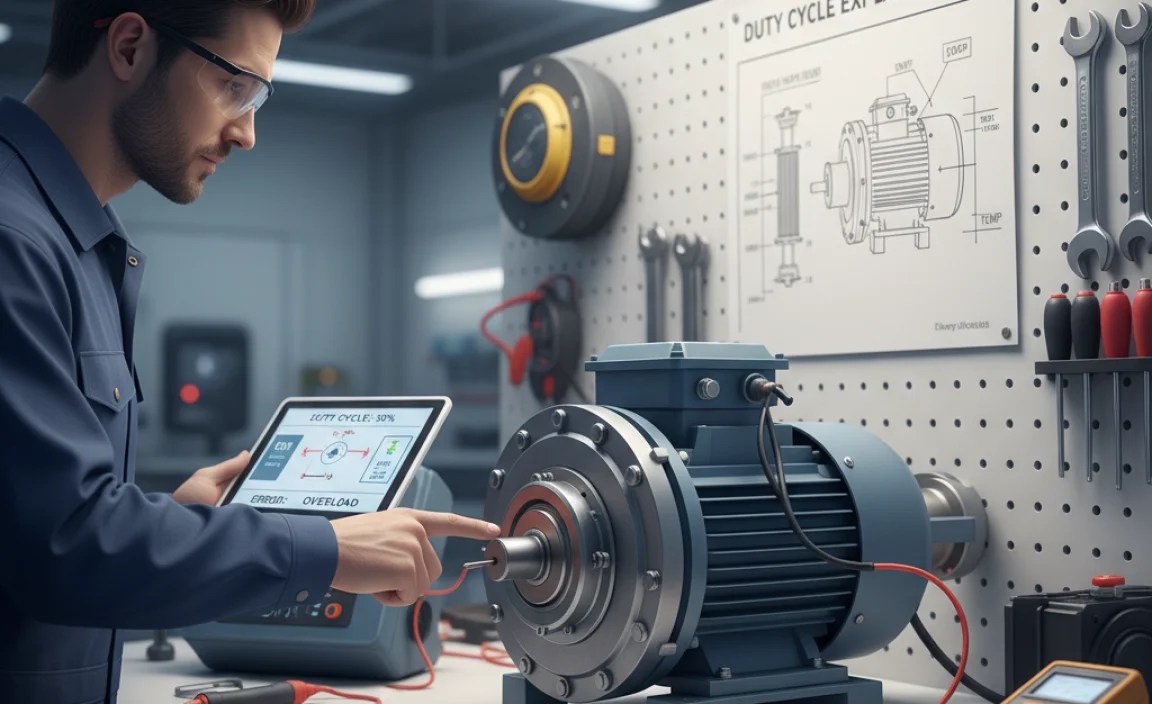
Even with proper care and maintenance, pumps can sometimes experience problems. Here are some common issues and how to troubleshoot them:
Pump Won’t Turn On
- Check the Power Supply: Make sure the pump is plugged in and that the power outlet is working.
- Check the Fuse: If the pump has a fuse, check to see if it’s blown. Replace the fuse if necessary.
- Check the Switch: Make sure the switch is in the “on” position and that it’s not damaged.
Pump Runs But Doesn’t Pump
- Check for Blockages: Make sure there are no obstructions in the pump’s intake or discharge lines.
- Check the Impeller: The impeller is the part of the pump that moves the fluid. If it’s damaged or worn, it may need to be replaced.
- Check the Seals: Damaged seals can cause the pump to lose suction. Replace the seals if necessary.
Pump Overheats Quickly
- Reduce Run Time: Shorten the amount of time the pump runs before resting.
- Increase Rest Time: Allow the pump more time to cool down between runs.
- Check for Ventilation: Make sure the pump has adequate ventilation to dissipate heat.
Choosing the Right Pump for Your Needs
Selecting the right pump for your specific needs is essential for ensuring optimal performance and longevity. Here are some factors to consider when choosing a pump:
- Flow Rate: How much fluid or air does the pump need to move in a given time?
- Pressure: How much pressure does the pump need to generate?
- Duty Cycle: What is the required duty cycle for the application?
- Power Source: What power source is available (e.g., electricity, battery, manual)?
- Portability: Does the pump need to be portable?
- Cost: What is your budget for the pump?
Here’s a table summarizing different pump types and their applications, flow rates, pressure, and duty cycles:
| Pump Type | Application | Flow Rate | Pressure | Duty Cycle |
|---|---|---|---|---|
| Manual Bike Pump | Inflating bike tires | Low | High | Not specified |
| Electric Bike Pump | Inflating bike tires | Low | High | Intermittent (e.g., 30%) |
| Submersible Water Pump | Pumping water from wells | Moderate to High | Moderate | Varies (Intermittent to Continuous) |
| Surface Water Pump | Irrigation, water transfer | Moderate to High | Moderate | Varies (Intermittent to Continuous) |
| Portable Air Compressor | Inflating tires, small tools | Low to Moderate | High | Intermittent (e.g., 25% to 50%) |
| Stationary Air Compressor | Powering tools in workshops | High | High | Often Continuous (100%) |
Advanced Tips for Maximizing Pump Efficiency
For those who want to dive deeper into pump optimization, here are some advanced tips:
- Use Variable Frequency Drives (VFDs): VFDs allow you to control the speed of electric pumps, which can reduce energy consumption and extend pump life.
- Optimize Pipe Size: Using the correct pipe size can reduce friction and improve pump efficiency. Consult with a plumbing professional to determine the optimal pipe size for your application.
- Implement a Preventative Maintenance Program: Regular maintenance can help identify and address potential problems before they lead to costly repairs or downtime.
- Monitor Energy Consumption: Tracking the pump’s energy consumption can help you identify inefficiencies and optimize its operation.
- Consider Pump Curves: Pump curves are graphs that show the relationship between flow rate, pressure, and power consumption. Understanding pump curves can help you select the most efficient pump for your needs.
FAQ: Understanding Duty Cycle on a Pump
Here are some frequently asked questions about duty cycles on pumps:
- What happens if I ignore the duty cycle?
- Ignoring the duty cycle can cause the pump to overheat, which can damage the motor, reduce performance, and shorten the pump’s lifespan. In severe cases, it can lead to complete pump failure.
- Is a higher duty cycle always better?
- Yes, a higher duty cycle generally indicates a more robust pump that can run for longer periods without needing a break. However, pumps with higher duty cycles are often more expensive, so it’s important to choose a pump that meets your specific needs without overspending.
- How do I know if my pump is overheating?
- If the pump feels excessively hot to the touch, it’s a sign that it’s overheating. You may also notice a burning smell or a decrease in performance. If you suspect that your pump is overheating, stop using it immediately and allow it to cool down.
- Can I modify a pump to increase its duty cycle?
- Modifying a pump to increase its duty cycle is generally not recommended. It can void the warranty and may not be effective. Instead, choose a pump with a duty cycle that meets your needs.
- Does the duty cycle apply to hand pumps?
- While hand pumps don’t have a specific duty cycle rating like electric pumps, it’s still important to avoid excessive and rapid pumping, as this can generate heat due to friction. Take breaks as needed to prevent fatigue and overheating.
- Where can I find the duty cycle information for my pump?
- The duty cycle information is typically found in the pump’s owner’s manual or on a label on the pump itself. Look for a percentage followed by the term “duty cycle.” You can also check the manufacturer’s website for specifications.
- Can the ambient temperature affect the duty cycle?
- Yes, the ambient temperature can affect the pump’s ability to cool down. On hot days, the pump may need more rest time than usual. Conversely, on cooler days, it may be able to run slightly longer.
Conclusion
Understanding the duty cycle of your pump is crucial for ensuring its longevity and optimal performance. Whether you’re inflating your bike tires, setting up a water feature, or using an air compressor in your workshop, knowing how long your pump can run and when it needs a break will save you from frustration and costly repairs. By following the guidelines and tips outlined in this article, you can keep your pumps running smoothly for years to come. Now you can confidently maintain your equipment and keep rolling!
“`


