
What is the Defrost Cycle on a Heat Pump? A Simple Guide

The defrost cycle on a heat pump is a process that melts ice buildup on the outdoor unit’s coil during cold weather. It temporarily switches the heat pump into cooling mode to warm the coil and remove ice, ensuring efficient heating. This cycle is essential for maintaining the heat pump’s performance in freezing temperatures.
Heat pumps are amazing for keeping your home comfortable all year round. But when winter rolls around, you might notice something a little odd: ice forming on the outdoor unit. Don’t worry, it’s normal! That’s where the defrost cycle comes in. It’s a crucial part of how a heat pump keeps you warm, even when it’s freezing outside. Ever wondered how it works and why it’s so important? We’ll break it down step by step, so you’ll know exactly what’s going on with your heat pump this winter.
Why Does Ice Form on a Heat Pump?

Before we dive into the defrost cycle, let’s understand why ice forms on the heat pump in the first place. It all boils down to how a heat pump works in heating mode.
The Science Behind the Ice
A heat pump doesn’t create heat; it moves it. In the winter, it extracts heat from the outdoor air and transfers it inside your home. As the outdoor unit draws in air, the refrigerant inside the coils absorbs heat, causing the coil to become very cold. When the temperature of the coil drops below freezing (32°F or 0°C), moisture in the air can freeze on the coil’s surface. This is similar to how frost forms on your car windshield on a cold morning.
The Problem with Ice Buildup
While a little bit of frost is normal, excessive ice buildup can be a real problem. Here’s why:
- Reduced Efficiency: Ice acts as an insulator, preventing the coil from effectively absorbing heat from the outside air. This means your heat pump has to work harder to keep your home warm, which increases energy consumption and raises your heating bills.
- Potential Damage: A thick layer of ice can damage the delicate fins on the coil, leading to costly repairs. The weight of the ice can also stress the unit’s components.
- Airflow Obstruction: Ice can block airflow through the outdoor unit, further reducing its efficiency and potentially causing the system to overheat.
What Exactly is the Defrost Cycle?

The defrost cycle is a clever mechanism built into heat pumps to combat ice buildup. It’s essentially a temporary switch into cooling mode, which warms the outdoor coil and melts the ice. Here’s a detailed look at how it works:
The Defrost Process: Step-by-Step
- Initiation: The defrost cycle is triggered by a combination of factors, including:
- Time: Many heat pumps are programmed to initiate a defrost cycle at regular intervals, such as every 30, 60, or 90 minutes.
- Temperature: A sensor monitors the temperature of the outdoor coil. When the temperature drops below a certain threshold (usually around 32°F or 0°C), the defrost cycle is activated.
- Pressure: Some heat pumps also use pressure sensors to detect ice buildup. A drop in pressure can indicate that the coil is becoming blocked by ice.
- Refrigerant Reversal: Once the defrost cycle is initiated, a reversing valve switches the flow of refrigerant. Instead of absorbing heat from the outdoor air, the refrigerant now releases heat into the outdoor coil. This is the same process used for cooling your home in the summer, but in this case, it’s used to melt the ice.
- Fan Shutoff: To maximize the heat directed to the coil, the outdoor fan is temporarily shut off during the defrost cycle. This prevents the warm air from being blown away from the coil.
- Ice Melting: The hot refrigerant warms the coil, causing the ice to melt. The melting ice turns into water and drains away from the unit.
- Cycle Termination: The defrost cycle typically lasts for a short period, usually between 5 and 15 minutes. It’s terminated when:
- Time Elapses: The cycle ends after a pre-set amount of time.
- Temperature Rises: A sensor detects that the coil temperature has risen above a certain level, indicating that the ice has melted.
- Return to Heating Mode: Once the defrost cycle is complete, the reversing valve switches back to its normal position, and the heat pump resumes heating your home. The outdoor fan restarts, and the system begins extracting heat from the outdoor air again.
What to Expect During a Defrost Cycle
During the defrost cycle, you might notice a few things:
- The outdoor unit will make a louder noise: This is due to the reversing valve switching and the fan shutting off.
- Steam or fog rising from the unit: This is simply the melting ice turning into water vapor.
- A temporary drop in indoor temperature: Because the heat pump is temporarily in cooling mode, the air coming from your vents might feel cooler than usual. Don’t worry, this is normal and will only last for a few minutes.
- Water draining from the unit: This is the melted ice flowing away from the coil.
How to Tell if Your Heat Pump is Defrosting

It’s important to be able to recognize when your heat pump is in defrost mode. This will help you understand why the unit is behaving a certain way and avoid unnecessary concerns. Here are some telltale signs:
- Visible Ice Buildup: Check the outdoor unit for ice on the coils. If you see a significant amount of ice, the defrost cycle is likely to activate soon.
- Fan Stops: The outdoor fan will temporarily stop running during the defrost cycle.
- Steam or Fog: You might see steam or fog rising from the unit as the ice melts.
- Louder Operation: The heat pump might make a louder noise than usual due to the reversing valve switching and the fan stopping.
- Cooler Air from Vents: You might feel a slight drop in the temperature of the air coming from your vents.
Is the Defrost Cycle Normal?
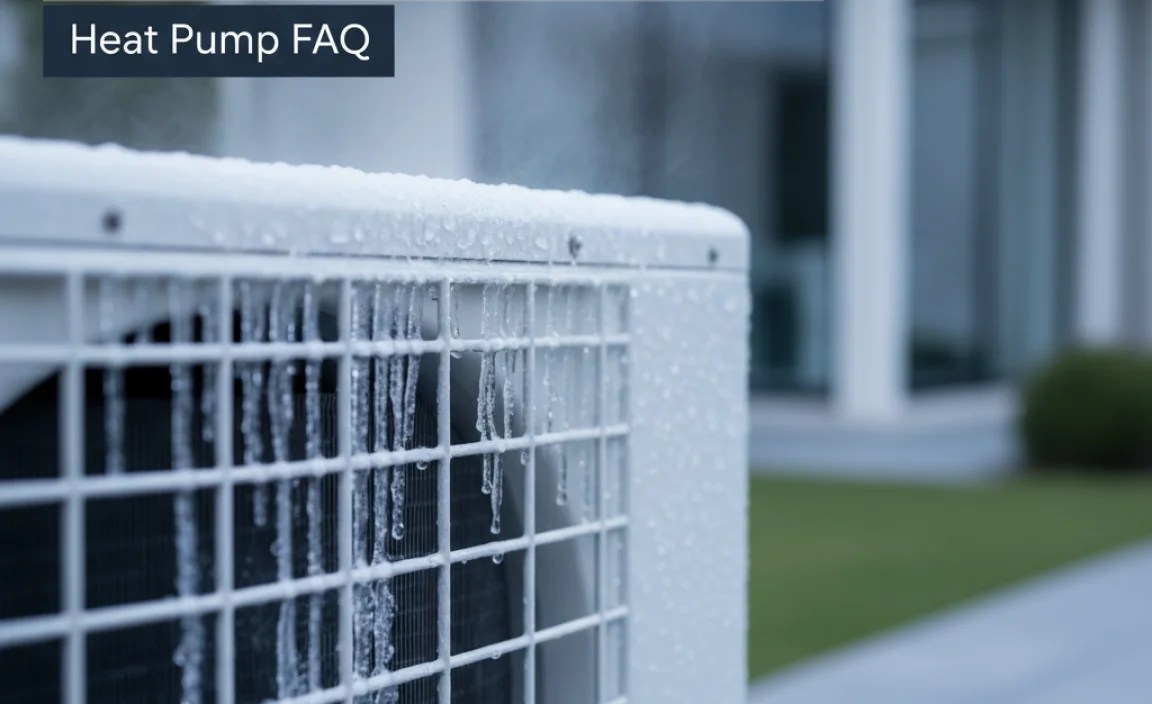
Yes, the defrost cycle is a completely normal and necessary function of a heat pump operating in cold weather. It’s designed to keep your system running efficiently and prevent damage from ice buildup. However, if your heat pump seems to be defrosting too frequently or for extended periods, there might be an underlying issue.
Troubleshooting Defrost Cycle Problems
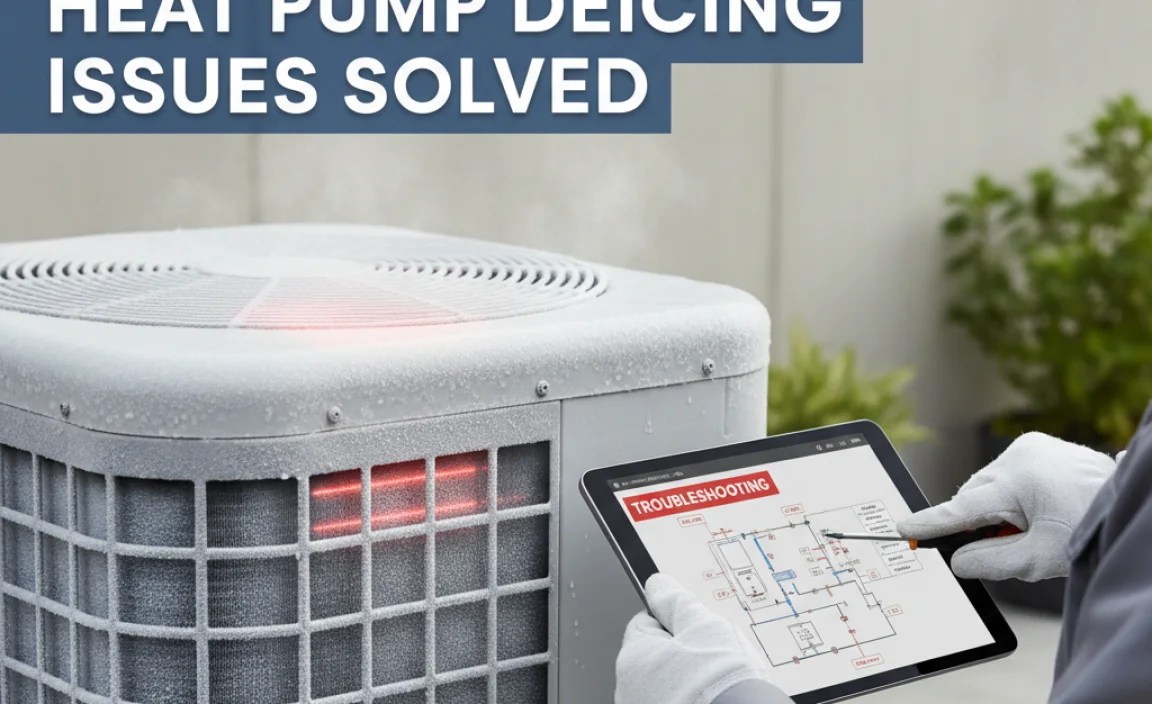
While the defrost cycle is usually automatic and trouble-free, sometimes things can go wrong. Here are some common issues and how to troubleshoot them:
Frequent or Long Defrost Cycles
If your heat pump is defrosting too often or for longer than usual, it could indicate a problem with the system. Here are some possible causes:
- Dirty Outdoor Coil: A dirty coil can restrict airflow and cause ice to form more quickly. Clean the coil regularly to ensure proper airflow.
- Faulty Defrost Sensor: A malfunctioning sensor might be incorrectly triggering the defrost cycle. Have a technician check and replace the sensor if necessary.
- Refrigerant Leak: Low refrigerant levels can cause the coil to become too cold, leading to excessive ice buildup. A technician can detect and repair any leaks.
- Airflow Issues: Blocked vents or a dirty air filter can restrict airflow inside your home, causing the heat pump to work harder and potentially leading to more frequent defrost cycles.
Heat Pump Not Defrosting
If you notice excessive ice buildup on the outdoor unit and the heat pump doesn’t seem to be defrosting, there could be a problem with the defrost system. Here are some potential causes:
- Faulty Reversing Valve: A malfunctioning reversing valve might not be switching properly, preventing the system from entering defrost mode.
- Defrost Timer Malfunction: The timer that controls the defrost cycle might be broken.
- Frozen Condensate Line: A frozen condensate line can prevent water from draining away from the unit, leading to ice buildup.
What to Do If You Suspect a Problem
If you suspect that your heat pump is not defrosting properly, it’s best to call a qualified HVAC technician. They can diagnose the problem and recommend the appropriate repairs. Attempting to fix the system yourself could void your warranty or cause further damage.
Tips for Maintaining Your Heat Pump
Proper maintenance is key to ensuring that your heat pump runs efficiently and reliably for years to come. Here are some tips to keep your system in top shape:
- Regularly Clean the Outdoor Coil: Use a garden hose to gently rinse away dirt, leaves, and other debris from the outdoor coil. Be careful not to damage the delicate fins.
- Change Air Filters Regularly: Replace your air filters every 1-3 months, depending on usage and air quality. A clean air filter ensures proper airflow and prevents the system from overworking.
- Keep the Area Around the Outdoor Unit Clear: Remove any plants, shrubs, or other obstructions that could block airflow to the outdoor unit.
- Schedule Annual Maintenance: Have a qualified HVAC technician inspect and service your heat pump at least once a year. They can identify and address any potential problems before they become major issues.
Defrost Cycle vs. Emergency Heat
It’s important to understand the difference between the defrost cycle and emergency heat. While both involve the heat pump temporarily behaving differently, they serve different purposes.
Defrost Cycle
- Purpose: To melt ice buildup on the outdoor coil.
- Duration: Typically lasts for 5-15 minutes.
- Automatic: Activated automatically by the system.
- Normal Operation: A normal and necessary function of a heat pump in cold weather.
Emergency Heat
- Purpose: To provide supplemental heat when the heat pump is unable to keep up with the heating demand.
- Duration: Can run for extended periods.
- Manual Activation: Usually activated manually by the homeowner.
- Not Energy Efficient: Uses electric resistance heating, which is much less efficient than heat pump operation.
Emergency heat should only be used as a last resort when the heat pump is not functioning properly or when the outdoor temperature is extremely low. Using emergency heat regularly will significantly increase your energy bills.
Factors Affecting Defrost Cycle Frequency
Several factors can influence how often your heat pump enters the defrost cycle. Understanding these factors can help you optimize your system’s performance and minimize energy consumption.
- Outdoor Temperature: The colder the outdoor temperature, the more likely ice is to form on the coil, leading to more frequent defrost cycles.
- Humidity: High humidity levels can increase the amount of moisture in the air, which can accelerate ice buildup.
- Coil Temperature: A lower coil temperature can also lead to more frequent defrost cycles.
- Airflow: Restricted airflow due to a dirty coil or blocked vents can cause the coil to become colder and ice to form more quickly.
- System Settings: Some heat pumps allow you to adjust the defrost cycle settings. Check your owner’s manual for more information.
Advanced Defrost Technologies
Some newer heat pumps incorporate advanced defrost technologies to improve efficiency and reduce the frequency of defrost cycles. Here are a few examples:
- Smart Defrost: These systems use sophisticated algorithms to monitor various parameters, such as temperature, pressure, and humidity, to determine the optimal time to initiate a defrost cycle. This helps to minimize unnecessary defrosting and improve energy efficiency.
- Demand Defrost: Demand defrost systems only activate the defrost cycle when it’s absolutely necessary, based on the actual amount of ice buildup on the coil. This can significantly reduce the frequency of defrost cycles and save energy.
- Hot Gas Defrost: Hot gas defrost systems use a more efficient method of transferring heat to the coil, which can shorten the defrost cycle and reduce the amount of energy required.
Defrost Cycle Summary Table
Here’s a quick summary of the key aspects of the defrost cycle:
| Feature | Description |
|---|---|
| Purpose | To melt ice buildup on the outdoor coil |
| Trigger | Time, temperature, and/or pressure sensors |
| Process | Refrigerant flow is reversed, outdoor fan shuts off, coil is heated |
| Duration | 5-15 minutes |
| Normal Operation | Yes, in cold weather |
| Potential Problems | Frequent or long cycles, failure to defrost |
| Maintenance | Regular cleaning, filter changes, annual servicing |
Heat Pump Defrost Cycle: Common Questions
Here are some frequently asked questions about the heat pump defrost cycle:
- Why does my heat pump make a loud noise during the defrost cycle?
- The loud noise is usually due to the reversing valve switching and the outdoor fan shutting off. This is normal during the defrost cycle.
- Is it normal to see steam coming from my heat pump during the defrost cycle?
- Yes, the steam is simply the melting ice turning into water vapor. It’s a normal part of the defrost process.
- Why does the air from my vents feel cooler during the defrost cycle?
- Because the heat pump temporarily switches into cooling mode to melt the ice, the air coming from your vents might feel slightly cooler than usual. This is temporary and will only last for a few minutes.
- How often should my heat pump defrost?
- The frequency of defrost cycles depends on factors such as outdoor temperature, humidity, and coil temperature. There’s no set number, but if your heat pump seems to be defrosting excessively, it’s best to have it checked by a technician.
- Can I manually defrost my heat pump?
- Some heat pumps have a manual defrost setting, but it’s generally best to let the system defrost automatically. Manually defrosting the unit could potentially damage it.
- What should I do if my heat pump is not defrosting?
- If you notice excessive ice buildup on the outdoor unit and the heat pump doesn’t seem to be defrosting, it’s best to call a qualified HVAC technician. They can diagnose the problem and recommend the appropriate repairs.
- Does the defrost cycle use a lot of energy?
- The defrost cycle does use some energy, but it’s necessary to maintain the heat pump’s efficiency. Newer heat pumps with advanced defrost technologies are designed to minimize energy consumption during the defrost cycle.
Conclusion
Understanding the defrost cycle is key to keeping your heat pump running smoothly and efficiently during the winter months. By knowing what to expect and how to troubleshoot common problems, you can ensure that your system provides reliable and cost-effective heating for years to come. Remember to perform regular maintenance, such as cleaning the outdoor coil and changing air filters, and don’t hesitate to call a qualified HVAC technician if you suspect any issues. With a little care and attention, your heat pump will keep you warm and comfortable all winter long.
“`


