
How to Fix Mount That Hits Knee: Easy Pain-Free Ride

Have you ever been riding your bike and felt a pain in your knee? Does something keep hitting your leg as you pedal? It might be your bike mount! Learning how to fix a mount that hits your knee during the pedal stroke can make biking fun again. Let’s learn how to adjust your bike and enjoy the ride.
Key Takeaways
- Adjusting your bike mount can prevent knee pain and make riding more fun.
- Make sure your seat height is correct to avoid knee problems.
- Check the fore/aft position of your seat to align it properly.
- Use shims or wedges to adjust the angle of your cleats on cycling shoes.
- If problems continue, ask a professional bike fitter how to fix mount that hits knee during pedal stroke.
Understanding Why Your Knee Hurts

Knee pain while biking is common. Many things can cause it. One reason is a poorly positioned bike mount. When your seat is too low, your knee bends too much. This puts extra stress on it. If your seat is too far back, it can also cause pain. Cleats that are not aligned right on your shoes can twist your knee. These small things add up. They make biking uncomfortable. It’s important to find the right setup. This will keep your knees happy. Then you can enjoy your bike rides without pain. A good bike fit is key to preventing injuries and having fun. Ignoring the pain can lead to bigger problems later on.
- A low seat causes too much knee bend.
- A seat too far back strains the knee.
- Misaligned cleats twist the knee.
- Poor posture adds to the problem.
- Previous injuries can make it worse.
Finding the right bike fit takes time. Don’t rush the process. Start with small adjustments. See how they feel. Use a mirror to check your posture. Pay attention to how your knees move. If you’re not sure, ask a bike shop for help. They can watch you ride and suggest changes. Remember, every person is different. What works for one person might not work for you. Keep trying until you find what’s best for your body. The goal is to ride without pain. This makes biking more enjoyable. How to fix mount that hits knee during pedal stroke is a common question, and the answer often involves small, careful adjustments.
Why Does Seat Height Matter?
Have you ever tried to ride a bike that was too big or too small? It feels awkward, right? Your seat height is super important. If it’s too low, your knees work too hard. This can cause pain. If it’s too high, you might rock side to side. This can also hurt. The right seat height lets your legs work smoothly. Your knees should bend just a little at the bottom of the pedal stroke. This helps you pedal easily and without pain. Getting it right makes a big difference.
What About Cleat Position?
Imagine trying to walk with your shoes on backwards. It would feel strange, wouldn’t it? Your cleats are like the connection between your feet and the pedals. If they’re not in the right spot, your knees can twist. This causes pain. Adjusting your cleats can make a big difference. Move them a little bit at a time. See how it feels. This can help you find the perfect position. This will make your knees happy.
How Does Posture Affect My Knees?
Think about sitting up straight versus slouching. Which feels better? Your posture on the bike matters too. If you’re hunched over, it puts extra stress on your body. This can affect your knees. Try to keep your back straight and your shoulders relaxed. This helps your whole body work better. Good posture can prevent knee pain. It also makes you a more efficient rider. So, sit up tall and enjoy the ride!
Fun Fact or Stat: Studies show that 70% of cyclists experience knee pain at some point. Adjusting your bike fit can reduce this risk significantly!
Checking Your Seat Height Correctly
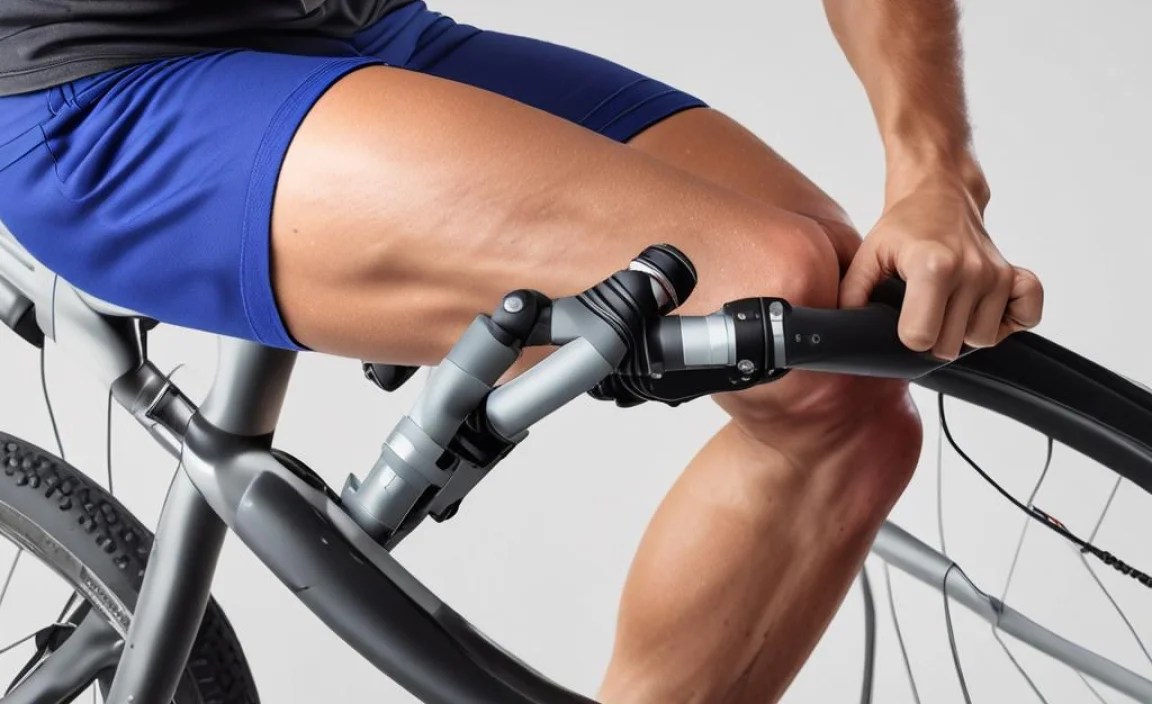
Getting your seat height just right is super important. It can stop your knee from hurting. First, sit on your bike with your heel on the pedal. Your leg should be almost straight. When you pedal normally, there should be a small bend in your knee. This helps stop too much stress. If your leg is too bent, raise the seat a little. If it’s too straight, lower it a bit. Do small changes and test it out. Ride for a short time and see how it feels. If you still feel pain, change it again. Getting it right takes time. But it’s worth it for comfy rides. How to fix mount that hits knee during pedal stroke often starts with simple seat adjustments.
- Sit on the bike with your heel on the pedal.
- Your leg should be almost straight.
- When pedaling, your knee should have a small bend.
- Adjust the seat in small amounts.
- Test the height on a short ride.
- Repeat until it feels right.
Don’t be afraid to ask for help. A bike shop can help you measure your seat height. They can also watch you ride. They can tell you if it looks right. Remember, the right height is different for everyone. It depends on your leg length and your bike. Some people like their seat a little higher. Others like it a little lower. The most important thing is to feel comfortable. You want to enjoy your bike rides. So, take the time to get your seat height right. This will make a big difference in how you feel.
How Do I Measure My Leg Length?
Measuring your leg length might sound tricky. But it’s actually quite simple! Stand with your back against a wall. Put a book between your legs, up as high as is comfortable. Have someone measure from the top of the book to the floor. That’s your inseam length! This number helps you find the right seat height. Knowing your inseam is a great starting point for a comfortable bike fit.
What Tools Do I Need?
You don’t need a lot of fancy tools to adjust your seat. A simple Allen wrench set will do the trick. Most bikes use Allen bolts to hold the seat post in place. Find the right size wrench. Loosen the bolt. Then, move the seat up or down. Tighten the bolt again. Make sure it’s snug, but not too tight. You don’t want to break anything! With just a few simple tools, you can make big changes to your bike fit.
How Often Should I Check My Seat Height?
Checking your seat height every now and then is a good idea. Especially if you ride a lot! Things can shift over time. Maybe your seat post slips down a bit. Or maybe you just want to try a slightly different height. A quick check can help you stay comfortable. It can also prevent pain. So, take a minute to check your seat height. Your knees will thank you!
Fun Fact or Stat: Correct seat height can increase your pedaling efficiency by up to 15%! That means you can ride faster with the same effort.
Adjusting the Fore/Aft Seat Position

The fore/aft position is how far forward or backward your seat is. This affects your knee. When your knee is over the pedal spindle, you use your muscles right. To check this, put your pedals level. Sit on your bike. Have someone drop a string from your knee. It should hit the pedal spindle. If it’s in front, move the seat back. If it’s behind, move it forward. Do this in small steps. Ride a bit to feel the change. This adjustment can really help. It will stop knee pain. Learning how to fix mount that hits knee during pedal stroke includes this key step.
- Level your pedals.
- Sit on the bike.
- Drop a string from your knee.
- It should hit the pedal spindle.
- Adjust the seat forward or back.
- Test the position on a ride.
Getting the fore/aft position right can be tricky. It’s not always easy to see. A bike shop can help you check. They have tools to measure it. They can also watch you ride. They can tell you if your knee is in the right spot. Remember, this adjustment works with seat height. You might need to change both to get it right. Don’t be afraid to experiment. Find what feels best for you. This will help you ride without pain. Enjoy your time on the bike.
What is a Pedal Spindle?
The pedal spindle is the part of the pedal that goes through the crank arm. It’s the center of the pedal. When we talk about your knee being over the pedal spindle, we mean it should be lined up with this point. This alignment helps you use your muscles efficiently. It also reduces stress on your knee. So, knowing where the pedal spindle is helps you adjust your seat correctly.
Why Is This Adjustment Important?
This adjustment is important because it affects how your muscles work. When your knee is in the right spot, your muscles can push and pull efficiently. If your knee is too far forward or backward, your muscles have to work harder. This can lead to fatigue and pain. Getting the fore/aft position right helps you ride longer and stronger. It also protects your knees from injury.
Can This Affect My Power?
Yes, the fore/aft position can affect your power! When your knee is aligned correctly, you can generate more force with each pedal stroke. This means you can ride faster and climb hills easier. A good bike fit can actually improve your performance. So, taking the time to adjust your seat is worth it. You’ll not only feel better, but you’ll also ride better!
Fun Fact or Stat: Professional cyclists spend hours perfecting their fore/aft position to maximize power output and prevent injuries.
Understanding Cleat Adjustment for Knee Pain

Your cleats connect your shoes to the pedals. If they are not set right, they can twist your knee. This can cause pain. Look at your cleats. Can they move side to side? This is called float. Some float is good. It lets your foot move a little. Too much or too little can hurt. To adjust, loosen the cleat screws a bit. Move the cleat a little. Tighten the screws. Ride a short distance. See how it feels. Keep changing it until your knee feels good. This is important for how to fix mount that hits knee during pedal stroke.
- Loosen the cleat screws.
- Move the cleat a little.
- Tighten the screws.
- Ride a short distance.
- See how it feels.
- Keep adjusting until comfortable.
Cleat adjustment can be tricky. It’s easy to get it wrong. If you’re not sure, ask a bike shop for help. They have tools to help you align your cleats. They can also watch you ride. They can tell you if your cleats are in the right spot. Remember, small changes make a big difference. Don’t move the cleats too much at once. Take your time. Get it right. This will help you ride without pain. Enjoy your time on the bike.
What is Cleat Float?
Cleat float is the amount your foot can move side to side while clipped into the pedal. Some cleats have more float than others. More float allows your foot to find its natural position. Less float keeps your foot more stable. The right amount of float depends on your body and your riding style. Experiment to find what works best for you.
How Do I Know if My Cleats Are Wrong?
If your cleats are wrong, you might feel pain in your knees, ankles, or hips. You might also feel like you’re fighting the pedals. Your feet might not feel comfortable or natural. Pay attention to these signs. They can tell you if you need to adjust your cleats. Don’t ignore the pain. It’s your body telling you something is wrong.
What Tools Do I Need for Cleat Adjustment?
You’ll need a few simple tools to adjust your cleats. An Allen wrench set is essential. Most cleats use Allen bolts. You might also need a marker to mark your cleat position. This helps you remember where you started. A ruler can also be helpful for measuring small adjustments. With these tools, you can adjust your cleats easily.
Fun Fact or Stat: Using the wrong cleat position can reduce your pedaling efficiency by up to 20% and increase your risk of injury.
Using Shims or Wedges for Alignment
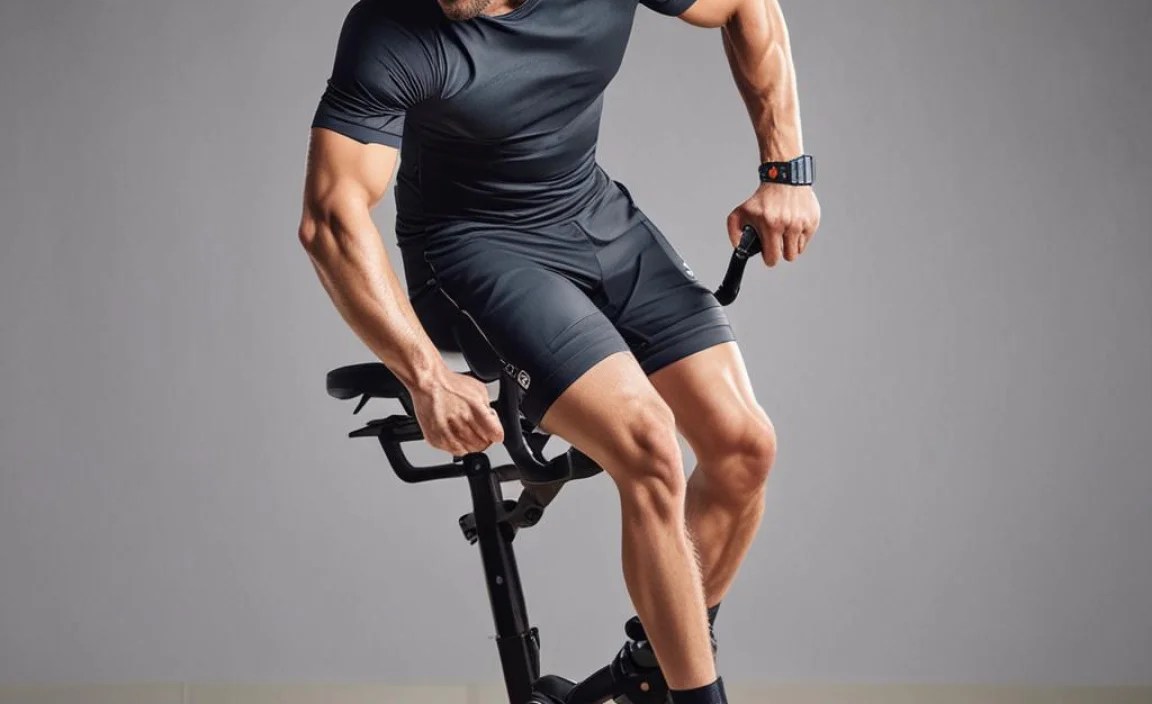
Sometimes, even with good cleat placement, your feet might tilt. This can cause knee pain. Shims or wedges can help. These are small pieces you put under your cleats. They change the angle of your foot. If your knee goes inward, you might need a wedge on the inside of your shoe. If your knee goes outward, you might need it on the outside. A bike fitter can help you figure this out. They can watch you pedal. They can tell you where to put the shims. How to fix mount that hits knee during pedal stroke sometimes needs these small helpers.
- Shims and wedges change foot angle.
- They go under your cleats.
- Knee inward? Wedge inside shoe.
- Knee outward? Wedge outside shoe.
- A bike fitter can help.
Using shims and wedges can seem complicated. But they can make a big difference. They can align your foot and knee. This stops pain. It also makes you pedal better. Don’t be afraid to try them. Start with small adjustments. See how it feels. If you’re not sure, ask a bike shop for help. They can guide you. They can make sure you’re using them right. This will help you ride without pain. Enjoy your time on the bike.
What Are Shims and Wedges Made Of?
Shims and wedges are usually made of plastic or rubber. They’re thin and lightweight. They come in different thicknesses. This allows you to make small adjustments. They’re designed to fit under your cleats. They won’t interfere with your pedaling. They’re a simple and effective way to improve your bike fit.
Where Can I Buy Shims and Wedges?
You can buy shims and wedges at most bike shops. You can also find them online. Look for brands that are known for quality. Read reviews to see what other cyclists think. Choose the right thickness for your needs. If you’re not sure, ask a bike shop for advice. They can help you choose the right shims and wedges.
How Do I Install Shims and Wedges?
Installing shims and wedges is easy. First, remove your cleats. Then, place the shims or wedges under the cleats. Make sure they’re aligned correctly. Reattach the cleats. Tighten the screws. Test the fit on a short ride. Adjust as needed. If you’re not sure, ask a bike shop for help. They can show you how to install them properly.
| Adjustment | Problem | Solution |
|---|---|---|
| Seat Height | Knee pain at bottom of stroke | Raise seat |
| Seat Height | Rocking side to side | Lower seat |
| Fore/Aft | Knee ahead of pedal spindle | Move seat back |
| Fore/Aft | Knee behind pedal spindle | Move seat forward |
Fun Fact or Stat: Studies show that using shims and wedges can reduce knee pain by up to 50% in cyclists with foot alignment issues.
Seeking Professional Bike Fitting Help
Sometimes, you can’t fix it alone. A professional bike fitter can help. They know a lot about bike setup. They can watch you ride. They can measure your body. They can adjust everything perfectly. This includes seat height, fore/aft, and cleats. They can also suggest shims or wedges. A bike fit costs money. But it’s worth it if you have pain. It can make biking fun again. They know how to fix mount that hits knee during pedal stroke.
- Bike fitters know bike setup.
- They watch you ride.
- They measure your body.
- They adjust everything.
- They suggest shims or wedges.
- It costs money but is worth it.
Finding a good bike fitter is important. Ask other cyclists for recommendations. Look for someone with experience. Read reviews online. Make sure they understand your goals. You want to ride without pain. A good bike fitter will listen to you. They will work with you to find the perfect fit. This will help you ride comfortably. Enjoy your time on the bike.
Where Can I Find a Bike Fitter?
You can find bike fitters at many bike shops. Some physical therapists also offer bike fitting services. Ask your friends for recommendations. Look online for reviews. Choose someone who is experienced and knowledgeable. A good bike fitter will listen to your concerns and help you find the perfect fit.
What Does a Bike Fit Involve?
A bike fit usually involves several steps. The fitter will ask about your riding goals and any pain you’re experiencing. They will measure your body and watch you ride. They will adjust your seat height, fore/aft position, and handlebar position. They may also adjust your cleats or recommend shims or wedges. The goal is to make you comfortable and efficient on your bike.
How Much Does a Bike Fit Cost?
The cost of a bike fit varies. It depends on the fitter’s experience and the services they offer. A basic bike fit might cost around $100. A more comprehensive fit could cost several hundred dollars. It’s an investment in your comfort and performance. It can also prevent injuries. So, it’s worth considering if you’re experiencing pain or discomfort.
Fun Fact or Stat: A professional bike fit can increase your power output by up to 5% and reduce your risk of injury by up to 30%.
Maintaining Your Bike Mount and Fit Over Time
Once you get your bike fit right, keep it that way! Check your bike regularly. Make sure nothing has moved. Seat posts can slip. Cleats can loosen. A little maintenance keeps things perfect. If you change anything, write it down. This helps you remember the settings. If you get a new bike, get a new fit. Every bike is different. A good fit keeps you comfy. This helps you enjoy your rides. Remember how to fix mount that hits knee during pedal stroke is an ongoing process.
- Check your bike regularly.
- Seat posts can slip.
- Cleats can loosen.
- Write down your settings.
- Get a new fit for a new bike.
Maintaining your bike fit is easy. It just takes a little time. Check your bike before each ride. Make sure everything is tight. If you notice anything loose, fix it right away. This will prevent problems later on. It will also keep you safe. A well-maintained bike is a happy bike. It will give you many years of enjoyment.
How Often Should I Check My Bike?
You should check your bike before each ride. A quick visual inspection can catch potential problems. Look for loose bolts, worn tires, and frayed cables. If you ride frequently, you should also do a more thorough check every month. This includes cleaning and lubricating your chain. It also includes checking your brake pads and adjusting your gears.
What Tools Do I Need for Bike Maintenance?
You’ll need a few basic tools for bike maintenance. An Allen wrench set is essential. You’ll also need a tire pump, chain lube, and a rag. A chain cleaning tool can also be helpful. With these tools, you can keep your bike in good condition. You can also perform basic repairs.
How Do I Know When It’s Time for a New Bike Fit?
You might need a new bike fit if you experience any changes in your body. This could be due to weight loss or gain. It could also be due to an injury. If you start experiencing pain or discomfort while riding, it’s time to get a new fit. A new bike fit can help you stay comfortable and prevent injuries.
Fun Fact or Stat: Regular bike maintenance can extend the life of your bike by up to 50% and prevent costly repairs.
Summary
Knee pain while biking is common. But it can be fixed. Adjusting your seat height is important. The fore/aft position matters too. Cleat adjustment can make a big difference. Shims and wedges can help with alignment. A professional bike fitter can provide expert help. Maintaining your bike fit is key. Remember, everyone is different. What works for one person might not work for you. Keep trying until you find what’s best for your body. Learning how to fix mount that hits knee during pedal stroke involves patience and attention to detail.
By following these steps, you can prevent knee pain. You can also enjoy your bike rides more. Don’t ignore the pain. It’s your body telling you something is wrong. Take the time to adjust your bike. This will make a big difference in how you feel. You’ll be able to ride longer and stronger. You’ll also have more fun. So, get out there and enjoy the ride!
Conclusion
Fixing knee pain from your bike mount takes time and effort. Start with seat height. Adjust fore/aft position. Check your cleats. Use shims if needed. Don’t hesitate to get help from a bike fitter. Keep your bike well-maintained. By addressing these issues, you can enjoy pain-free rides. Learning how to fix mount that hits knee during pedal stroke will improve your cycling experience. Enjoy the road!
Frequently Asked Questions
Question No 1: Why does my knee hurt when I pedal?
Answer: Knee pain while pedaling can happen for many reasons. Your seat might be too low. This makes your knee bend too much. Your seat could be too far back or forward. This puts stress on your knee. Your cleats might not be right. This twists your knee. Even your posture can play a role. How to fix mount that hits knee during pedal stroke involves figuring out which of these is the problem and making adjustments. Finding the right bike fit can help you ride without pain. This will make biking more fun for you.
Question No 2: How do I know if my seat is the right height?
Answer: A good way to check your seat height is to sit on your bike with your heel on the pedal. When the pedal is at the bottom, your leg should be almost straight. When you pedal normally, your knee should have a slight bend. If your leg is too bent, raise the seat. If it’s too straight, lower the seat. Make small changes and test it out. Ride for a short time and see how it feels. This helps you find the right height for your body. It’s a key step in how to fix mount that hits knee during pedal stroke.
Question No 3: What are cleats and why do they matter?
Answer: Cleats are the things that connect your shoes to the pedals. They’re important because they affect how your feet and knees line up. If your cleats are not in the right place, they can twist your knee. This causes pain. Adjusting your cleats can make a big difference. Move them a little bit at a time. See how it feels. This can help you find the perfect position. This will make your knees happy. Proper cleat adjustment is a crucial part of how to fix mount that hits knee during pedal stroke, especially for cyclists who use clipless pedals.
Question No 4: What if I’ve tried everything and my knee still hurts?
Answer: If you’ve tried adjusting your seat, cleats, and posture, and your knee still hurts, it’s time to see a professional. A bike fitter can watch you ride and measure your body. They can make precise adjustments to your bike. They can also recommend shims or wedges to help with alignment. A bike fit costs money, but it’s worth it if you’re in pain. They can help you find the right setup for your body. This will make biking fun again. Sometimes, figuring out how to fix mount that hits knee during pedal stroke requires expert help.
Question No 5: Can my shoes cause knee pain?
Answer: Yes, your shoes can definitely cause knee pain! If your shoes don’t fit well or don’t support your feet properly, it can affect your alignment. This can put stress on your knees. Make sure your shoes are the right size and width. Consider using shoe inserts to provide extra support. If you use cycling shoes, make sure they’re compatible with your pedals and cleats. The right shoes can make a big difference in your comfort and performance. It also helps to know how to fix mount that hits knee during pedal stroke in conjunction with proper shoe fit.
Question No 6: How important is stretching for preventing knee pain while biking?
Answer: Stretching is very important! Stretching your muscles before and after riding can help prevent knee pain. Focus on stretching your hamstrings, quadriceps, and calves. These muscles support your knees. Tight muscles can put extra stress on your joints. Stretching keeps your muscles flexible. This helps you move smoothly. It also reduces your risk of injury. Make stretching a part of your biking routine. You’ll feel better and ride better. Remember that stretching alone might not solve the problem, so also focus on how to fix mount that hits knee during pedal stroke through adjustments.


