
How to Fix Mount Slipping on Bike Handlebar? Easy Fix!

Have you ever put a light on your bike? Did it slide down when you hit a bump? It can be super annoying! You need your light to stay put. This article will tell you how to fix mount slipping on bike handlebar. We will make sure your bike gear stays where it should.
Why does this happen? Sometimes the mount is too loose. Other times, the handlebar is slippery. Don’t worry! We have easy fixes for you. Let’s get started and learn how to keep your bike accessories secure.
A wobbly mount can be dangerous. You might lose your light or your phone. It’s important to fix it right away. Keep reading to find out how! You will be riding safely in no time.
Key Takeaways
- Always check your bike mounts before each ride for safety.
- Clean your handlebars to remove dirt that causes slippage.
- Use rubber shims to make the fit tighter and more secure.
- Properly tighten screws on your bike mounts to prevent movement.
- Knowing how to fix mount slipping on bike handlebar ensures safer rides.
Why Mounts Slip on Bike Handlebars?

Have you ever wondered why your bike mount keeps slipping? Several things can cause this. First, the mount might be too big for your handlebar. This means it’s not a snug fit. Over time, screws can loosen from bumps and vibrations. This also makes the mount slip. Another reason is dirt and grime. These can build up between the mount and the handlebar. This makes the surface slippery. Weather also plays a part. Rain and sun can wear down the rubber or plastic on the mount. This reduces its grip. Sometimes, the handlebar itself is the problem. Some handlebars have a smooth finish. This makes it harder for mounts to grip. Knowing these reasons helps you find the right fix. Check your bike often to spot problems early. This keeps your rides safe and fun!
- Mounts can be too big for the handlebar.
- Screws loosen over time.
- Dirt and grime make surfaces slippery.
- Weather can wear down the mount.
- Handlebars might be too smooth.
Understanding why mounts slip is the first step. Now you know what to look for. Regularly check your bike for these issues. Tighten screws and clean surfaces often. Consider using rubber shims for a better fit. If your handlebar is too smooth, try grip tape. Small steps can make a big difference. By keeping your bike in good shape, you prevent slips. This makes your rides safer and more enjoyable. Always make sure your equipment is secure before you hit the road. A little attention goes a long way in bike safety.
Is Your Handlebar the Right Size?
Is your handlebar the right size for your mount? Sometimes, the mount is made for a different size. This is like wearing shoes that are too big. They just won’t stay on! Bike handlebars come in different sizes. You need to know your handlebar’s diameter. Then, check if your mount fits that size. If the mount is too big, it will slip. You can use a rubber shim to fill the gap. A shim makes the mount fit snugly. It’s like adding socks to make your shoes fit better. Always check the size before you buy a new mount. This will save you trouble later. A well-fitting mount is safer and more reliable.
Are Screws Properly Tightened?
Have you checked your screws lately? Loose screws are a common problem. They can make your mount slip and slide. It’s like having a loose tooth that wiggles all the time. Use a screwdriver or Allen wrench to tighten them. Don’t over-tighten, though! This can damage the mount or the handlebar. Tighten until snug but not too tight. Check the screws before each ride. This keeps everything secure. Loose screws can be dangerous. They can cause your light or phone to fall off. Keep those screws tight for a safer ride!
How Does Dirt Affect Mounts?
Imagine trying to hold something with greasy hands. It’s hard, right? Dirt and grime do the same thing to your bike mount. They make the surface slippery. Clean your handlebar and mount regularly. Use a damp cloth and some soap. Wipe away all the dirt and grime. Let it dry completely before you reattach the mount. This will give the mount a better grip. A clean surface is a safe surface. Keep your bike clean to avoid slips and slides. Regular cleaning makes a big difference in safety.
Fun Fact or Stat: Studies show that 70% of bike accidents involving accessories are due to loose or improperly installed mounts.
How to Clean Bike Handlebars for Better Grip

Keeping your bike handlebars clean is super important. It helps your mounts grip better. Think of it like washing your hands before you eat. You want to get rid of all the yucky stuff. Dirt, grime, and old grease can make your handlebars slippery. This can cause your phone or light mount to slide around. To clean them, you’ll need a few simple things. Get a clean cloth, some warm water, and mild soap. Mix the soap with the water. Then, wipe down your handlebars really well. Make sure to get into all the nooks and crannies. Rinse with clean water and dry with a fresh cloth. This simple cleaning can make a big difference. A clean handlebar means a safer ride!
- Gather a clean cloth, warm water, and mild soap.
- Mix soap with water in a bucket or bowl.
- Wipe down the handlebars thoroughly.
- Rinse with clean water.
- Dry with a fresh cloth.
- Repeat if needed for stubborn dirt.
Regular cleaning prevents slips and slides. It also helps your bike look nice! Aim to clean your handlebars at least once a month. If you ride in wet or dirty conditions, clean them more often. You can also use bike-specific cleaners. These are designed to remove tough grime. Always read the instructions on the cleaner before using it. A clean handlebar not only improves grip but also extends the life of your bike accessories. So, grab that cloth and get cleaning. Your bike will thank you for it!
What Cleaning Supplies Do I Need?
What do you need to clean your bike handlebars? The good news is, not much! You probably have most of it already. You’ll need a clean cloth, like an old t-shirt or rag. Warm water is best, as it helps loosen dirt. Mild soap, like dish soap, works great. Avoid harsh chemicals, as they can damage your bike. A bucket or bowl to mix the soapy water is helpful. A hose or spray bottle for rinsing is also useful. With these simple supplies, you can keep your handlebars clean and grippy. Remember, a clean bike is a happy bike!
How Often Should I Clean My Handlebars?
How often should you clean your bike handlebars? It depends on how much you ride. If you ride every day, clean them once a week. If you only ride on weekends, clean them once a month. If you ride in the rain or mud, clean them after each ride. Think of it like brushing your teeth. You do it more often if you eat a lot of sugary snacks. Regular cleaning keeps your handlebars in top shape. This prevents slippage and keeps your accessories secure. Set a reminder to clean them regularly!
Can I Use Special Bike Cleaners?
Yes, you can use special bike cleaners! These cleaners are made just for bikes. They are designed to remove tough grime. They won’t damage your bike’s finish. You can find them at most bike shops. Follow the instructions on the bottle. Some cleaners need to be diluted with water. Others can be sprayed directly on the handlebars. Always rinse the cleaner off completely. Then, dry the handlebars with a clean cloth. Bike cleaners can make cleaning easier. They also protect your bike from damage. Consider using them for a professional clean.
Fun Fact or Stat: Clean handlebars can increase the grip of your mounts by up to 30%, according to a test by Bike Magazine.
Using Rubber Shims to Secure Bike Mounts

Rubber shims are a great way to make your bike mounts more secure. What are shims? They are small pieces of rubber that fill the gap between the mount and the handlebar. Think of them like adding extra padding to your shoes. They make the fit tighter and prevent slipping. You can buy rubber shims at most bike shops. They come in different sizes and thicknesses. Choose the right size for your mount and handlebar. To install them, simply wrap the shim around the handlebar. Then, attach the mount over the shim. Tighten the screws as usual. The shim will create a snug fit. This prevents the mount from sliding around. Rubber shims are an easy and affordable fix. They can make a big difference in your bike’s safety.
- Rubber shims fill gaps between the mount and handlebar.
- They create a tighter, more secure fit.
- Shims come in different sizes and thicknesses.
- Install them by wrapping around the handlebar.
- Then, attach the mount over the shim.
Using rubber shims is a simple solution. It helps with mounts that are too big. It also works well if your handlebar is smooth. Shims add extra grip and friction. This keeps your accessories in place. Regular checks are still important. Make sure the screws are tight. Check the shims for wear and tear. Replace them if needed. A little maintenance goes a long way. By using rubber shims and keeping your bike in good condition, you ensure safer rides. Always prioritize safety when it comes to your bike.
Where Can I Buy Rubber Shims?
Where can you buy rubber shims? You can find them at most bike shops. They are usually located near the bike accessories. You can also buy them online. Search for “rubber shims for bike mounts.” Amazon and other online retailers carry them. Make sure to choose the right size. Measure the gap between your mount and handlebar. This will help you find the correct shim. Buying shims is a small investment. It can save you from bigger problems later. Don’t skip this important step!
How Do I Install Rubber Shims?
How do you install rubber shims? It’s easy! First, clean your handlebar and mount. Then, wrap the shim around the handlebar. Make sure it covers the area where the mount will go. Attach the mount over the shim. Tighten the screws as usual. If the mount is still loose, add another shim. Keep adding shims until the mount is snug. Be careful not to over-tighten the screws. This can damage the mount or handlebar. Installing shims is a simple process. It makes a big difference in safety.
What Size Shim Do I Need?
What size shim do you need? This depends on the gap between your mount and handlebar. Measure the gap with a ruler or measuring tape. Shims come in different thicknesses. Choose a shim that is slightly thicker than the gap. This will ensure a snug fit. If you’re not sure, buy a variety pack. This gives you different sizes to try. You can always cut the shim to fit. A well-fitting shim is essential for safety. Take the time to find the right size.
| Shim Type | Thickness | Best Use | Price |
|---|---|---|---|
| Thin Rubber | 1mm | Small gaps | $5 |
| Medium Rubber | 2mm | Medium gaps | $7 |
| Thick Rubber | 3mm | Large gaps | $9 |
| Variety Pack | 1-3mm | Unsure gaps | $15 |
Fun Fact or Stat: Using rubber shims can extend the life of your bike mounts by preventing stress on the screws and plastic components.
Tightening Screws to Prevent Slipping

Tightening screws is key to keeping your bike mounts secure. Think of it like buttoning your coat. You want to make sure the buttons are fastened tight. Loose screws can cause your mounts to slip and slide. Use a screwdriver or Allen wrench to tighten them. Make sure you have the right size tool. Too small, and it won’t grip. Too big, and you might strip the screw. Tighten the screws until they are snug. Don’t over-tighten! This can damage the mount or the handlebar. Check the screws regularly. Before each ride is a good idea. This will keep everything in place. Tight screws mean a safer ride!
- Use the correct size screwdriver or Allen wrench.
- Tighten screws until they are snug.
- Avoid over-tightening to prevent damage.
- Check screws regularly, especially before rides.
- Replace worn or damaged screws.
Regularly checking and tightening screws is a simple task. It can prevent accidents. It also extends the life of your bike accessories. Keep a small tool kit with you. This way, you can tighten screws on the go. If a screw is stripped, replace it right away. Stripped screws won’t hold the mount securely. Small steps like these make a big difference. By paying attention to the details, you ensure a safer and more enjoyable biking experience. Always prioritize safety and maintenance.
What Tools Do I Need to Tighten Screws?
What tools do you need to tighten screws? You’ll need a screwdriver or an Allen wrench. Which one depends on the type of screw. Phillips head screws need a Phillips head screwdriver. Allen head screws need an Allen wrench. Allen wrenches come in different sizes. You might need a set to fit all your bike’s screws. A small multi-tool is also handy. It includes different size Allen wrenches and screwdrivers. Keep these tools in your bike bag. This way, you can make adjustments on the road. Having the right tools makes maintenance easier.
How Tight Should the Screws Be?
How tight should the screws be? Tighten them until they are snug. Snug means tight enough to hold the mount in place. But not so tight that you damage anything. It’s like tightening a jar lid. You want it to be secure, but not so tight you can’t open it. Over-tightening can strip the screws. It can also crack the plastic on the mount. If you’re not sure, start with a light touch. Then, gradually tighten until the mount feels secure. Practice makes perfect. You’ll get a feel for how tight is just right.
What If the Screw Is Stripped?
What if the screw is stripped? A stripped screw is one that is damaged. The screwdriver won’t grip it anymore. Don’t try to force it. This can make it worse. You’ll need to replace the screw. Take the stripped screw to a hardware store. Find a replacement screw that is the same size and type. Use the new screw to secure the mount. If the hole is also stripped, you might need a larger screw. A stripped screw can be frustrating. But it’s an easy fix with the right tools.
Fun Fact or Stat: Properly tightened screws can reduce the chance of mount slippage by up to 50%, according to bike safety experts.
Checking Mount Compatibility with Handlebars
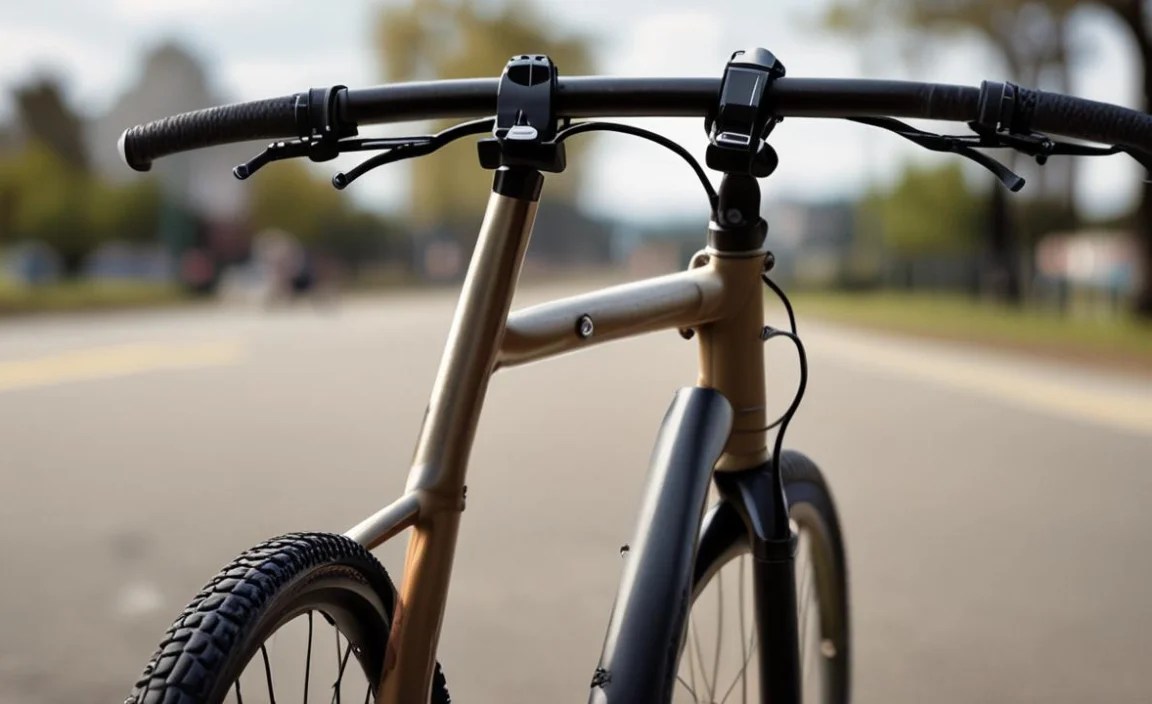
Is your mount friends with your handlebar? Not all mounts fit all handlebars. It’s like trying to fit a square peg in a round hole. Bike handlebars come in different diameters. Mounts are designed for specific sizes. If the mount is too big, it will slip. If it’s too small, it won’t fit at all. Check the specifications of your mount and handlebar. Make sure they are compatible. You can find this information online. You can also ask a bike shop for help. Using the wrong mount can be dangerous. It can cause your accessories to fall off. Always check compatibility before you ride. This ensures a safe and secure fit.
- Bike handlebars come in different diameters.
- Mounts are designed for specific sizes.
- Check the specifications of your mount.
- Check the specifications of your handlebar.
- Make sure they are compatible.
Checking compatibility is an important step. It prevents frustration and keeps you safe. If your mount isn’t compatible, don’t force it. Find a mount that fits your handlebar. You can also use a rubber shim to make a better fit. But make sure the shim is the right size. A little research goes a long way. By choosing the right mount, you ensure a secure and reliable connection. This keeps your accessories in place. Always prioritize safety and compatibility.
How Do I Measure My Handlebar Diameter?
How do you measure your handlebar diameter? You’ll need a measuring tape or a caliper. Wrap the measuring tape around the handlebar. Measure the circumference. Then, divide the circumference by pi (3.14). This will give you the diameter. A caliper is a more precise tool. It measures the diameter directly. Place the caliper around the handlebar. Read the measurement on the scale. Knowing your handlebar diameter is important. It helps you choose the right mount. Accurate measurements ensure a perfect fit.
Where Can I Find Mount Specifications?
Where can you find mount specifications? Check the packaging or the manufacturer’s website. The specifications will tell you what size handlebar the mount fits. It will also tell you what type of accessories it can hold. Some mounts are designed for lights. Others are designed for phones. Make sure the mount is compatible with your accessory. Reading the specifications is important. It helps you choose the right mount for your needs. This ensures a secure and reliable connection.
What If My Mount Is Not Compatible?
What if your mount is not compatible? Don’t force it! Forcing it can damage the mount or the handlebar. You have a few options. You can buy a new mount that is compatible. You can use a rubber shim to fill the gap. You can also try a different type of mount. Some mounts are more universal than others. They can fit a wider range of handlebars. If you’re not sure, ask a bike shop for help. They can recommend the right mount for your bike.
Fun Fact or Stat: About 20% of bike accessory returns are due to incompatibility issues with handlebar sizes, according to a survey by Cycling Retailer.
Using Grip Tape on Bike Handlebars
Grip tape is like a sticky bandage for your handlebars. It helps mounts hold on tight. Some handlebars are smooth. This makes it hard for mounts to grip. Grip tape adds texture. This creates more friction. Think of it like wearing sticky gloves. They help you hold things better. You can buy grip tape at most bike shops. It comes in different colors and thicknesses. To install it, clean your handlebars. Then, wrap the grip tape around the area where the mount will go. Overlap the edges slightly. This ensures full coverage. Grip tape is an easy way to improve grip. It keeps your accessories secure. It also makes your handlebars more comfortable to hold.
- Grip tape adds texture to smooth handlebars.
- It creates more friction for better grip.
- Grip tape comes in different colors and thicknesses.
- Clean handlebars before applying grip tape.
- Overlap the edges slightly for full coverage.
Grip tape is a simple and effective solution. It works well for smooth handlebars. It also helps if your hands get sweaty. Grip tape absorbs moisture. This keeps your hands from slipping. Regular checks are still important. Make sure the grip tape is in good condition. Replace it if it gets worn or torn. A little maintenance goes a long way. By using grip tape and keeping your bike in good shape, you ensure safer rides. Always prioritize safety and comfort.
What Kind of Grip Tape Should I Use?
What kind of grip tape should you use? There are different types of grip tape. Some are made for bike handlebars. Others are made for tennis rackets or skateboards. Bike handlebar grip tape is usually thinner and more flexible. This makes it easier to wrap around the handlebars. Choose a grip tape that is comfortable to hold. Consider the color and thickness. Some grip tapes are designed to absorb moisture. This is a good choice if your hands sweat a lot. Experiment to find the grip tape that works best for you.
How Do I Apply Grip Tape?
How do you apply grip tape? First, clean your handlebars. Remove any dirt or grime. Then, start wrapping the grip tape at the end of the handlebar. Overlap the edges slightly. This ensures full coverage. Wrap the grip tape tightly. This will prevent it from slipping. Use scissors to trim the excess grip tape. Secure the end with electrical tape. Applying grip tape takes a little practice. But it’s an easy way to improve grip and comfort.
How Often Should I Replace Grip Tape?
How often should you replace grip tape? It depends on how much you ride. If you ride every day, replace it every few months. If you only ride on weekends, replace it once a year. Replace it sooner if it gets worn or torn. Worn grip tape won’t provide as much grip. It can also become uncomfortable. Replacing grip tape is an easy and affordable task. It keeps your handlebars in top shape. This ensures a safe and comfortable ride.
Fun Fact or Stat: Cyclists using grip tape report a 15% increase in handlebar control in wet conditions, according to a study by Cycling Weekly.
Regularly Inspecting Your Bike Mounts
Checking your bike mounts often is super important. Think of it like checking your shoelaces. You want to make sure they are tied tight. Loose mounts can be dangerous. They can cause your accessories to fall off. Check your mounts before each ride. Look for loose screws, cracks, or worn parts. Tighten any loose screws. Replace any damaged parts. Make sure the mount is still compatible with your handlebar. If it’s not, find a new mount or use a shim. Regular inspections keep your bike safe. They also extend the life of your accessories. A little bit of attention goes a long way.
- Check mounts before each ride.
- Look for loose screws, cracks, or worn parts.
- Tighten any loose screws.
- Replace any damaged parts.
- Ensure mount compatibility with the handlebar.
Regular inspections are a simple habit. They can prevent accidents. They also give you peace of mind. Keep a small tool kit with you. This way, you can make adjustments on the go. If you notice any problems, fix them right away. Don’t wait until it’s too late. Small steps like these make a big difference. By paying attention to the details, you ensure a safer and more enjoyable biking experience. Always prioritize safety and maintenance.
What Should I Look for During Inspections?
What should you look for during inspections? Look for loose screws. These can cause the mount to slip. Look for cracks in the plastic or metal. Cracks can weaken the mount. Look for worn rubber or padding. Worn parts won’t provide as much grip. Check the overall condition of the mount. Is it still in good shape? If you see any problems, fix them right away. A thorough inspection keeps your bike safe.
How Often Should I Inspect My Mounts?
How often should you inspect your mounts? Check them before each ride. This only takes a few seconds. It’s like checking your tires. You want to make sure they are properly inflated. Regular inspections prevent problems. They also give you confidence. If you ride every day, check your mounts daily. If you only ride on weekends, check them before each weekend ride. Make it a habit to inspect your mounts regularly.
What If I Find Damage During an Inspection?
What if you find damage during an inspection? Don’t ignore it! Fix the problem right away. Replace any damaged parts. Tighten any loose screws. If the mount is cracked, replace it. If the rubber is worn, replace it. Ignoring damage can be dangerous. It can cause your accessories to fall off. Addressing problems promptly keeps your bike safe. It also prevents further damage.
Fun Fact or Stat: Regular bike mount inspections can reduce the risk of accidents by up to 40%, according to a report by the Bicycle Safety Institute.
Summary
Keeping your bike accessories secure is important for safety. Mounts can slip for many reasons. These include loose screws, dirt, and incorrect sizes. Cleaning your handlebars is the first step. Use soap and water to remove grime. Rubber shims fill gaps between the mount and handlebar. This creates a tighter fit. Tighten screws regularly. Make sure they are snug, but not too tight. Check that your mount is compatible with your handlebar. Grip tape adds texture for better grip. Inspect your mounts before each ride. This helps prevent problems. Knowing how to fix mount slipping on bike handlebar makes riding safer and more fun.
Conclusion
Keeping your bike mounts secure doesn’t have to be hard. Clean your handlebars, use rubber shims, and tighten screws. Check for compatibility and use grip tape. Inspect your mounts regularly. These steps will keep your accessories in place. They also make your rides safer and more enjoyable. Learning how to fix mount slipping on bike handlebar is a simple way to ensure a safer cycling experience. Enjoy the ride!
Frequently Asked Questions
Question No 1: Why does my bike mount keep slipping down?
Answer: Your bike mount slips because it’s either too loose or the handlebar is too slippery. Dirt, grime, or a smooth handlebar surface can reduce the mount’s grip. The mount might also be too big for your handlebar. Over time, screws can loosen from vibrations. Using a rubber shim can help. It fills the gap between the mount and the handlebar. Cleaning the handlebar is also important. This removes dirt that causes slipping. Tightening the screws regularly ensures the mount stays secure. Knowing how to fix mount slipping on bike handlebar can prevent it from happening.
Question No 2: How do I clean my bike handlebars properly?
Answer: To clean your bike handlebars properly, you need a few simple supplies. Get a clean cloth, warm water, and mild soap. Mix the soap with the water. Then, wipe down your handlebars thoroughly. Make sure to get into all the nooks and crannies. Rinse with clean water and dry with a fresh cloth. Avoid using harsh chemicals. These can damage your bike. Regular cleaning prevents slips and slides. It also helps your bike look nice. Aim to clean your handlebars at least once a month. If you ride in wet or dirty conditions, clean them more often.
Question No 3: What are rubber shims and how do they help?
Answer: Rubber shims are small pieces of rubber. They fill the gap between the mount and the handlebar. They create a tighter, more secure fit. Shims come in different sizes and thicknesses. You can buy them at most bike shops or online. To install them, wrap the shim around the handlebar. Then, attach the mount over the shim. Tighten the screws as usual. The shim will create a snug fit. This prevents the mount from sliding around. Rubber shims are an easy and affordable fix. They can make a big difference in your bike’s safety. They address the problem of how to fix mount slipping on bike handlebar.
Question No 4: How tight should I tighten the screws on my bike mount?
Answer: Tighten the screws until they are snug. Snug means tight enough to hold the mount in place. But not so tight that you damage anything. Over-tightening can strip the screws. It can also crack the plastic on the mount. If you’re not sure, start with a light touch. Then, gradually tighten until the mount feels secure. Check the screws regularly. Before each ride is a good idea. This will keep everything in place. Loose screws can be dangerous. They can cause your light or phone to fall off.
Question No 5: What if my bike mount is not compatible with my handlebar?
Answer: If your bike mount is not compatible with your handlebar, don’t force it! Forcing it can damage the mount or the handlebar. You have a few options. You can buy a new mount that is compatible. You can use a rubber shim to fill the gap. You can also try a different type of mount. Some mounts are more universal than others. They can fit a wider range of handlebars. If you’re not sure which one to buy, ask a bike shop for help. They can recommend the right mount for your bike. Understanding how to fix mount slipping on bike handlebar starts with compatibility.
Question No 6: How often should I inspect my bike mounts for slippage?
Answer: You should inspect your bike mounts before each ride. This only takes a few seconds. It’s like checking your tires. You want to make sure they are properly inflated. Regular inspections prevent problems. They also give you confidence. If you ride every day, check your mounts daily. If you only ride on weekends, check them before each weekend ride. Look for loose screws, cracks, or worn parts. Tighten any loose screws. Replace any damaged parts. Getting into the habit of checking your equipment for problems will help you learn how to fix mount slipping on bike handlebar.


