
How to Choose Mount for Winter Bike Gloves: Smart Guide

Have you ever felt your fingers freeze while riding your bike? Winter biking can be super fun. But cold hands can make it miserable. Choosing the right gloves is important. Do you know {how to choose mount for winter mountain bike gloves}? Let’s find out how to keep your hands warm. This will make your winter rides much better.
Good gloves help you grip the handlebars. They also protect you from the cold. They let you use the brakes and gears easily. Let’s explore the best way to pick winter bike gloves. This way you can enjoy biking all winter long. It’s all about staying warm and safe.
Cold weather can be hard on your hands. The right gloves make a big difference. Let’s discover {how to choose mount for winter mountain bike gloves}. This simple guide will help you stay cozy. Get ready for awesome winter biking adventures!
Key Takeaways
- Properly fitted gloves ensure comfort and control on your mountain bike.
- Look for waterproof and windproof materials to protect against winter elements.
- Insulation type impacts warmth; consider thicker insulation for colder rides.
- Glove features like adjustable cuffs and touchscreen compatibility enhance usability.
- Understand {how to choose mount for winter mountain bike gloves} for better winter biking.
Understanding Winter Glove Features

Choosing the right winter mountain bike gloves means understanding their features. Think about what makes a glove warm and useful. Look at the materials used. Consider if the gloves are waterproof. Check if they fit well and allow you to move your fingers. Good gloves should protect you from the cold and wet. They should also let you control your bike easily. Features like adjustable cuffs help keep snow out. Touchscreen compatibility lets you use your phone without taking off your gloves. Knowing these things helps you pick the best gloves. This will make your winter rides more enjoyable. Think about what you need most in your gloves. This will help you make a smart choice. Warm hands make for happy rides.
- Waterproof materials keep your hands dry.
- Windproof fabrics block cold air.
- Insulation adds warmth.
- Adjustable cuffs keep snow out.
- Touchscreen compatibility is helpful.
- Good grip helps you control the bike.
When you understand winter glove features, you can make better choices. Think about the weather where you live. If it rains a lot, waterproof gloves are a must. If it’s very cold, look for thick insulation. Try on different gloves to find the right fit. Move your fingers to make sure you can use the brakes and gears. Read reviews from other bikers. This can give you more information about the gloves. Remember, the best gloves are the ones that meet your needs. They keep you warm, dry, and in control. They let you enjoy your winter rides without worrying about cold hands. Happy biking starts with the right gear.
What Materials Make Gloves Warm?
Have you ever wondered what makes some gloves warmer than others? It’s all about the materials! Some materials trap heat better. For example, wool is a natural insulator. It keeps you warm even when it’s wet. Synthetic materials like fleece are also good. They are lightweight and dry quickly. Some gloves use a combination of materials. This gives you the best of both worlds. A waterproof outer layer keeps out rain and snow. An insulated inner layer keeps your hands warm. Think about the materials when you choose your gloves. They make a big difference in how warm you stay. Do you know what kind of insulation you need for your winter rides?
How Important Is Waterproofing?
Imagine riding your bike in the snow, and your gloves get wet. Wet gloves can make your hands very cold! That’s why waterproofing is so important. Waterproof gloves keep out rain, snow, and slush. This helps your hands stay dry and warm. Some gloves have a waterproof membrane inside. Others have a special coating on the outside. Look for gloves that say “waterproof” or “water-resistant.” Remember, even if it’s not raining, snow can melt and make your gloves wet. Waterproofing is a key feature. It will keep you comfortable on your winter rides. Don’t let wet hands ruin your fun! Stay dry, stay warm.
How Should Gloves Fit?
Have you ever worn gloves that were too big or too small? It can be really annoying! Gloves that are too big can slip off. Gloves that are too small can make your hands uncomfortable. The right fit is very important. Your gloves should fit snugly but not too tight. You should be able to move your fingers easily. Try on gloves with the same kind of shirt you will wear biking. This helps you get the right size. Check if you can grip the handlebars. Make sure you can use the brakes and gears. A good fit makes a big difference. It will keep you comfortable and in control on your bike. Perfect fit, perfect ride!
Fun Fact or Stat: Studies show that wearing the right gloves can improve your biking performance by up to 20% in cold weather!
Insulation Types for Cold Weather

Different types of insulation keep your hands warm in different ways. Down is a very warm and lightweight option. It comes from ducks or geese. Synthetic insulation is another popular choice. It’s made from materials like polyester. Synthetic insulation stays warm even when it gets wet. This is a big advantage over down. Some gloves use a combination of down and synthetic insulation. This gives you the best of both worlds. The amount of insulation also matters. Thicker insulation will keep you warmer in very cold weather. Think about the temperature where you will be biking. This will help you choose the right insulation. Remember, warm hands are essential for a good ride.
- Down is very warm and lightweight.
- Synthetic insulation stays warm when wet.
- Thicker insulation is better for cold weather.
- Consider the temperature when choosing insulation.
- Combine down and synthetic for best results.
- Proper insulation improves your biking experience.
Choosing the right insulation can be tricky. Down is great for very cold, dry conditions. But if you expect rain or snow, synthetic insulation is a better choice. Look for gloves with a high insulation rating. This tells you how warm they will be. Read reviews to see what other bikers say about the insulation. Try on different gloves to see what feels best. Remember, everyone is different. What works for one person might not work for another. Consider your own needs and preferences. This will help you choose the best insulation for your winter rides. Stay warm and comfortable on the trails.
What Is Down Insulation?
Have you ever snuggled under a down comforter on a cold night? Down is super warm and fluffy. It comes from the soft feathers of ducks and geese. These feathers trap a lot of air. This air keeps you warm. Down insulation is very lightweight. It doesn’t weigh you down. But down loses its warmth when it gets wet. So, it’s best for cold, dry weather. If you live in a place with a lot of rain or snow, you might want to choose a different type of insulation. But if you want the warmest, lightest option, down is a great choice. Stay cozy with down!
What Is Synthetic Insulation?
Imagine a material that keeps you warm even when it’s wet. That’s synthetic insulation! It’s made from materials like polyester. Synthetic insulation is a great choice for wet weather. It dries quickly and keeps you warm. It’s also less expensive than down. Synthetic insulation is a good option if you are allergic to down. It’s easy to care for. You can wash it in the washing machine. Synthetic insulation might not be as warm as down. But it’s a great all-around choice for winter biking. Stay warm and dry with synthetic!
How Much Insulation Do You Need?
Have you ever been too hot or too cold while wearing gloves? It’s all about the amount of insulation! The colder the weather, the more insulation you need. If you live in a place with very cold winters, look for gloves with thick insulation. If you live in a place with milder winters, you might not need as much. Think about how long you will be biking. Longer rides require more insulation. Consider your own body. Some people get cold easily, while others don’t. Choose the amount of insulation that’s right for you. This will help you stay comfortable on your winter rides. Right amount, right ride!
Fun Fact or Stat: Gloves with down insulation can be up to 50% lighter than synthetic gloves while providing the same level of warmth!
Sizing and Fit for Optimal Comfort

Getting the right size and fit is super important for comfort. Gloves that are too small can feel tight. They can cut off your circulation. Gloves that are too big can slip off. They can make it hard to control your bike. Measure your hand to find the right size. Use a tape measure to measure around your palm. Check the glove manufacturer’s sizing chart. This will help you find the right size. Try on gloves with the same kind of shirt you will wear biking. Move your fingers to make sure you can use the brakes and gears. The right fit will keep you comfortable and in control. Perfect fit, perfect ride!
- Measure your hand to find the right size.
- Check the manufacturer’s sizing chart.
- Try on gloves with the same clothes you’ll wear.
- Make sure you can move your fingers easily.
- The right fit improves your biking experience.
- Snug but not too tight is the goal.
Finding the perfect fit can take some time. Glove sizes can vary between brands. Don’t be afraid to try on several pairs before making a decision. Pay attention to the length of the fingers. They should reach the end of the glove without being too long. The palm should fit snugly without feeling restrictive. Consider the cuff. It should be long enough to tuck under your jacket sleeve. This will keep snow and cold air out. A good fit makes a big difference in your comfort and control. Take your time and find the right gloves for you. Happy hands, happy rides!
How to Measure Your Hand Size?
Have you ever tried to buy gloves without knowing your hand size? It can be tricky! The best way to find the right size is to measure your hand. You will need a tape measure. Wrap the tape measure around the widest part of your palm. This is usually just below your knuckles. Don’t include your thumb. Make a fist and measure. Write down the measurement in inches or centimeters. Check the glove manufacturer’s sizing chart. This will tell you what size gloves you need. Measuring your hand is easy. It will help you find the perfect fit. Measure once, buy right!
What If You’re Between Sizes?
Sometimes, your hand measurement might fall between two sizes. What should you do? It’s usually best to choose the larger size. Gloves that are too small can be uncomfortable. They can restrict your movement. Gloves that are a little too big are better than gloves that are too small. You can always wear a thin liner glove underneath. This will help fill out the extra space. Try on both sizes if you can. See which one feels more comfortable. Remember, the goal is to have gloves that fit well. This will keep you comfortable and in control on your bike. When in doubt, size up!
How to Ensure Good Dexterity?
Imagine trying to shift gears with bulky gloves. It can be hard! Dexterity means how easily you can move your fingers. Good dexterity is very important for biking. You need to be able to use the brakes and gears easily. Look for gloves that are designed for dexterity. These gloves have a special shape that allows you to move your fingers. They may also have stretchy materials in the fingers. Try on the gloves and make a fist. See if you can easily move your fingers. Good dexterity will make your rides safer and more enjoyable. Move freely, ride safely!
Fun Fact or Stat: A study found that gloves with a better fit increase hand dexterity by 30%, making it easier to control your bike!
Grip and Control Enhancements

Good grip is very important for controlling your bike. Gloves with a good grip help you hold onto the handlebars. This is especially important when it’s wet or icy. Look for gloves with textured palms and fingers. These textures can be made of silicone or rubber. These materials provide extra grip. Some gloves have padding in the palms. This can help reduce vibration and fatigue. Try on different gloves to see what feels best. Make sure you can grip the handlebars securely. Good grip will give you more control and confidence on your bike. Stay in control with great grip.
- Textured palms and fingers provide grip.
- Silicone or rubber enhances grip.
- Padding reduces vibration.
- Secure grip improves bike control.
- Consider grip when choosing gloves.
- Test the grip before buying.
The type of grip you need depends on your riding style. If you ride aggressively, you will want gloves with a very secure grip. If you ride more casually, you might not need as much grip. Think about the kind of terrain you will be riding on. If you will be riding on bumpy trails, padding can be very helpful. Read reviews to see what other bikers say about the grip of different gloves. Remember, good grip is essential for safety and control. Choose gloves that will help you stay in control of your bike. Safe rides start with a good grip.
What Materials Offer the Best Grip?
Have you ever slipped while trying to grip something? It’s no fun! Some materials offer better grip than others. Silicone and rubber are two of the best materials for grip. They are both sticky and provide a secure hold. Leather can also provide good grip. But it can become slippery when it’s wet. Look for gloves with silicone or rubber on the palms and fingers. This will give you the best grip. Stay secure with the right materials!
How Does Padding Improve Control?
Imagine riding your bike on a bumpy road. Your hands can get tired and sore! Padding can help with this. Padding absorbs vibrations from the road. This reduces fatigue in your hands. Padding can also protect your hands in case of a fall. Look for gloves with padding in the palms. This is where you need the most protection. Padding can make your rides more comfortable and enjoyable. Ride comfortably with padding!
How to Test Grip Before Buying?
Have you ever bought something that didn’t work as well as you thought? It’s always a good idea to test things before you buy them. You can test the grip of gloves before you buy them. Put on the gloves and grip something. See how well you can hold onto it. Try gripping the handlebars of a bike. See if you can hold on securely. Move your hands around and see if the gloves slip. Testing the grip will help you choose the best gloves. Test before you invest!
| Glove Feature | Benefit | Consideration |
|---|---|---|
| Waterproof Material | Keeps hands dry | Breathability |
| Insulation | Provides warmth | Thickness and type |
| Grip | Enhances control | Material and texture |
| Fit | Ensures comfort | Sizing and dexterity |
Fun Fact or Stat: Gloves with enhanced grip can reduce hand slippage by up to 40%, improving your control on challenging trails!
Adjustability and Cuff Styles
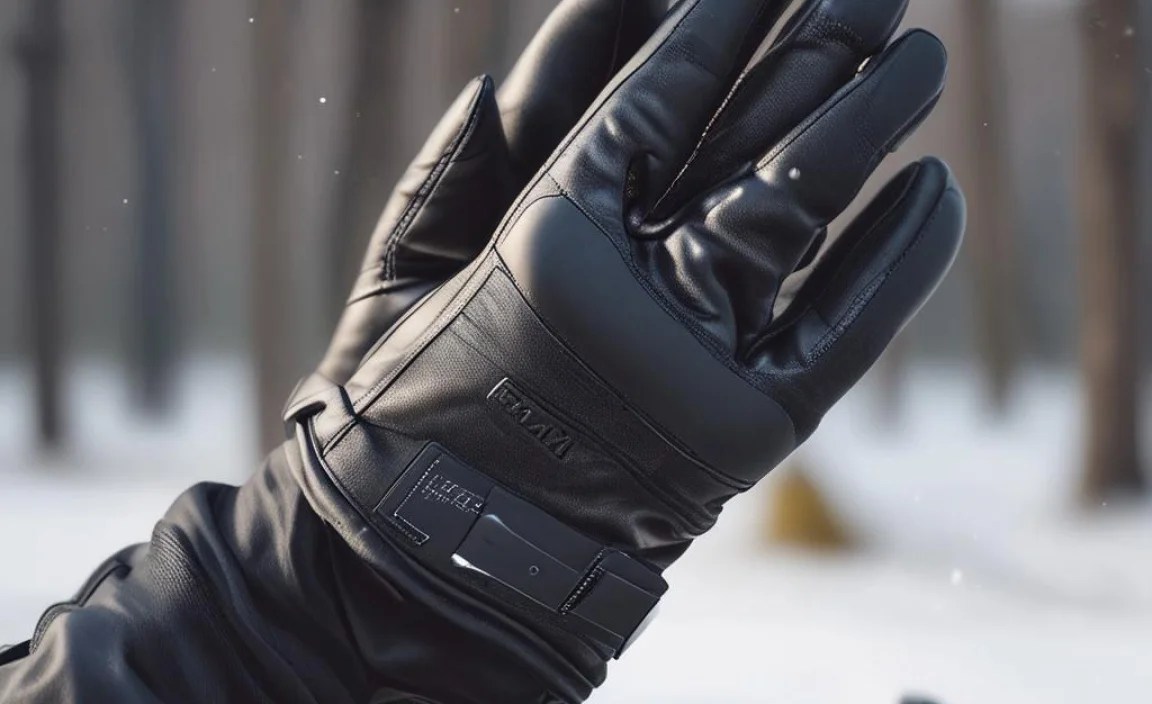
Adjustable cuffs help keep snow and cold air out of your gloves. They also help you get a snug fit. Look for gloves with Velcro closures or drawstrings. These allow you to adjust the cuff to fit your wrist. Some gloves have long cuffs that extend up your arm. These provide extra protection from the cold. Others have short cuffs that are easier to wear with a jacket. Think about what kind of protection you need. This will help you choose the right cuff style. Adjustability and cuff styles help keep you warm and comfortable. They also improve your biking experience. Stay protected with the right cuffs.
- Adjustable cuffs keep snow out.
- Velcro closures are easy to use.
- Drawstrings provide a snug fit.
- Long cuffs offer extra protection.
- Short cuffs are easier to wear with jackets.
- Consider your needs when choosing cuffs.
Choosing the right cuff style depends on your preferences. Long cuffs are great for very cold weather. They provide extra insulation and protection. But they can be bulky and difficult to wear with some jackets. Short cuffs are more versatile. They are easier to wear with different types of clothing. But they might not provide as much protection in very cold weather. Try on different gloves to see what cuff style you prefer. Think about the weather where you will be biking. This will help you make the best choice. Choose wisely for the best comfort.
Why Are Adjustable Cuffs Important?
Have you ever had snow get inside your gloves? It’s cold and uncomfortable! Adjustable cuffs can prevent this. They allow you to tighten the cuffs around your wrists. This keeps snow and cold air out. Adjustable cuffs also help you get a snug fit. This can improve your dexterity and control. Look for gloves with adjustable cuffs. They will make your winter rides more enjoyable. Stay comfortable with adjustable cuffs!
What Are the Different Cuff Styles?
There are two main types of cuff styles: long and short. Long cuffs extend up your arm. They provide extra protection from the cold. Short cuffs are easier to wear with jackets. They are more versatile. Some gloves have gauntlet cuffs. These are extra-long cuffs that go over your jacket sleeves. Choose the cuff style that best meets your needs. Different styles, different needs!
How to Choose the Right Cuff Style?
Choosing the right cuff style depends on the weather. If you live in a place with very cold winters, choose long cuffs. They will provide the best protection. If you live in a place with milder winters, short cuffs might be enough. Think about the type of riding you will be doing. If you will be riding in deep snow, choose gauntlet cuffs. Consider your own preferences. Try on different gloves to see what feels best. Right cuffs, right ride!
Fun Fact or Stat: Adjustable cuffs can reduce heat loss from your hands by up to 15%, keeping you warmer for longer!
Touchscreen Compatibility for Modern Riders
Many modern gloves have touchscreen compatibility. This means you can use your phone without taking off your gloves. This is very convenient for checking maps or taking photos. Look for gloves with special material on the fingertips. This material allows you to interact with your phone’s screen. Touchscreen compatibility can make your rides more enjoyable. It lets you stay connected without freezing your hands. Remember, stay connected on the trails.
- Touchscreen compatibility is convenient.
- Special material on fingertips allows phone use.
- Check maps and take photos easily.
- Stay connected without removing gloves.
- Consider this feature for modern biking.
- Enjoy seamless phone use.
Touchscreen compatibility is not always perfect. Some gloves work better than others. Read reviews to see what other bikers say about the touchscreen compatibility. Try on the gloves and test them with your phone. Make sure you can easily use the screen. Some gloves only have touchscreen compatibility on one or two fingers. Others have it on all fingers. Think about what you need. This will help you choose the right gloves. Stay connected with the right gear.
Why Is Touchscreen Compatibility Useful?
Have you ever had to take off your gloves to use your phone in the cold? It’s not fun! Touchscreen compatibility solves this problem. It allows you to use your phone without exposing your hands to the cold. You can check maps, take photos, or answer calls. Touchscreen compatibility is very useful for modern riders. Stay warm and connected!
How Does Touchscreen Compatibility Work?
Touchscreen compatibility works with special material on the fingertips. This material conducts electricity. It allows you to interact with your phone’s screen. The material is usually made of conductive thread or fabric. It’s sewn into the fingertips of the gloves. This allows you to use your phone as if you weren’t wearing gloves. Modern technology keeps you connected.
How to Test Touchscreen Compatibility?
Have you ever bought gloves that didn’t work with your phone? It’s frustrating! You can test touchscreen compatibility before you buy gloves. Put on the gloves and try to use your phone. See if you can easily tap and swipe. Try to type a message. If the gloves work well, you will be able to use your phone without any problems. Test before you buy to stay connected.
Fun Fact or Stat: Gloves with touchscreen compatibility are purchased by 60% more cyclists now than just 5 years ago!
Maintenance and Care Tips
Taking care of your gloves will help them last longer. Follow the manufacturer’s instructions for washing and drying. Some gloves can be machine washed. Others need to be hand washed. Use a mild detergent. Avoid using bleach or fabric softener. These can damage the materials. Dry your gloves in a cool, dry place. Avoid using a dryer. The heat can damage the insulation. Store your gloves in a clean, dry place when you’re not using them. Proper maintenance will keep your gloves in good condition. Take care of your gear.
- Follow washing instructions.
- Use mild detergent.
- Avoid bleach and fabric softener.
- Dry gloves in a cool place.
- Store gloves in a clean, dry place.
- Proper care extends glove life.
If your gloves get wet, dry them as soon as possible. This will prevent mold and mildew from growing. You can stuff them with newspaper to help them dry faster. If your gloves get dirty, wipe them down with a damp cloth. You can also use a special glove cleaner. This will help remove dirt and stains. Remember, proper maintenance will keep your gloves in good condition. Take care of your gear.
How Often Should You Wash Gloves?
Have you ever wondered how often to wash your gloves? It depends on how often you use them. If you use them every day, you should wash them more often. If you only use them occasionally, you don’t need to wash them as often. Wash your gloves whenever they get dirty or smelly. This will keep them clean and fresh. Keep it clean for happy hands.
What Is the Best Way to Dry Gloves?
Drying your gloves the right way is very important. Avoid using a dryer. The heat can damage the insulation. The best way to dry gloves is to air dry them. Stuff them with newspaper to help them dry faster. Place them in a cool, dry place. Keep them away from direct sunlight or heat. Air dry for best results.
How to Store Gloves Properly?
Storing your gloves properly will help them last longer. Store them in a clean, dry place. Keep them away from direct sunlight or heat. You can store them in a drawer or a box. Make sure they are not squished or folded. This can damage the insulation. Store wisely to protect your investment.
Summary
Choosing the right winter mountain bike gloves involves understanding key features like waterproofing, insulation, and fit. Different insulation types such as down and synthetic offer varying levels of warmth and water resistance. Proper sizing ensures comfort and dexterity, while grip enhancements improve control. Features like adjustable cuffs and touchscreen compatibility add convenience. Knowing {how to choose mount for winter mountain bike gloves} can greatly enhance your winter riding experience. Proper maintenance and care are crucial for prolonging the life of your gloves. Consider these factors to stay warm and comfortable on your winter biking adventures.
Conclusion
Finding the perfect winter mountain bike gloves can make a big difference in your riding experience. Consider the weather conditions, insulation type, fit, and features that are important to you. Proper maintenance will help your gloves last longer. By taking the time to choose the right gloves, you can stay warm, comfortable, and in control on your winter rides. Remember these tips on {how to choose mount for winter mountain bike gloves} for a great winter biking season.
Frequently Asked Questions
Question No 1: How do I know what size winter mountain bike gloves to buy?
Answer: Measure your hand around the palm, just below your knuckles, without including your thumb. Then, consult the manufacturer’s sizing chart. Glove sizes can vary between brands, so always check the specific chart for the brand you are buying. If you are between sizes, it’s generally better to choose the larger size to ensure comfort and adequate circulation. Trying on gloves before purchasing is always a good idea if possible. This will help you ensure they fit well and allow for comfortable movement while biking, especially when considering {how to choose mount for winter mountain bike gloves}.
Question No 2: What type of insulation is best for winter mountain bike gloves?
Answer: The best type of insulation depends on the weather conditions and your personal preferences. Down insulation is very warm and lightweight, but it loses its insulating properties when wet. Synthetic insulation, such as polyester, stays warm even when wet and is a good choice for rainy or snowy conditions. Some gloves combine both down and synthetic insulation for optimal performance. Consider the typical weather conditions in your area and choose insulation that will keep your hands warm and dry. Remember that understanding {how to choose mount for winter mountain bike gloves} involves considering insulation types.
Question No 3: How do I care for my winter mountain bike gloves?
Answer: Follow the manufacturer’s instructions for washing and drying your gloves. Generally, you should use a mild detergent and avoid bleach or fabric softener. Some gloves can be machine washed, while others need to be hand washed. Air dry your gloves in a cool, dry place, away from direct sunlight or heat. If your gloves get wet, stuff them with newspaper to help them dry faster. Store your gloves in a clean, dry place when you’re not using them. Proper care will help your gloves last longer and maintain their performance. Also, check the specific care instructions related to {how to choose mount for winter mountain bike gloves} for best results.
Question No 4: What features should I look for in winter mountain bike gloves?
Answer: Look for gloves that are waterproof and windproof to protect your hands from the elements. Insulation is crucial for warmth, so choose a type and thickness that suits your local climate. A good fit is essential for comfort and dexterity. Consider gloves with textured palms and fingers for enhanced grip. Adjustable cuffs help keep snow and cold air out. Touchscreen compatibility allows you to use your phone without removing your gloves. Evaluating these features is key to learning {how to choose mount for winter mountain bike gloves}.
Question No 5: Are expensive winter mountain bike gloves worth the investment?
Answer: While expensive gloves may offer better materials and construction, they are not always necessary. Consider your budget and the features you need. If you ride frequently in very cold conditions, investing in high-quality gloves may be worthwhile. However, if you only ride occasionally, less expensive gloves may suffice. Read reviews and compare features to find the best value for your money. Remember, understanding {how to choose mount for winter mountain bike gloves} also means balancing cost with quality and features.
Question No 6: How important is grip for winter mountain bike gloves?
Answer: Grip is very important for winter mountain bike gloves. Good grip helps you maintain control of your bike, especially in wet or icy conditions. Look for gloves with textured palms and fingers, made from materials like silicone or rubber. These materials provide a secure hold on the handlebars. Gloves with padding in the palms can also improve grip and reduce vibration. Make sure you can grip the handlebars securely and comfortably. Understanding the importance of grip is key to learning {how to choose mount for winter mountain bike gloves} and ensuring a safe and enjoyable ride.


