
How to Choose Flexible vs Rigid Hose: Smart Guide

Quick Summary: Choosing between flexible and rigid hoses depends on the job. Flexible hoses are great for tight spaces and moving parts like bike pumps, offering easy bending and maneuverability. Rigid hoses are better for high-pressure, fixed setups such as hydraulic brake lines, providing strength and durability. Consider space, pressure needs, and movement requirements to make the right choice.
Ever struggled with a hose that just won’t bend the way you need it to? Or maybe you’ve had one burst under pressure at the worst possible moment? Choosing the right hose—flexible or rigid—can make all the difference. It’s a common problem, whether you’re working on your bike, in the garden, or under the hood of your car. This guide will break down the key differences and help you pick the perfect hose for any task. Get ready to say goodbye to hose headaches and hello to smooth, efficient work.
Understanding Flexible Hoses
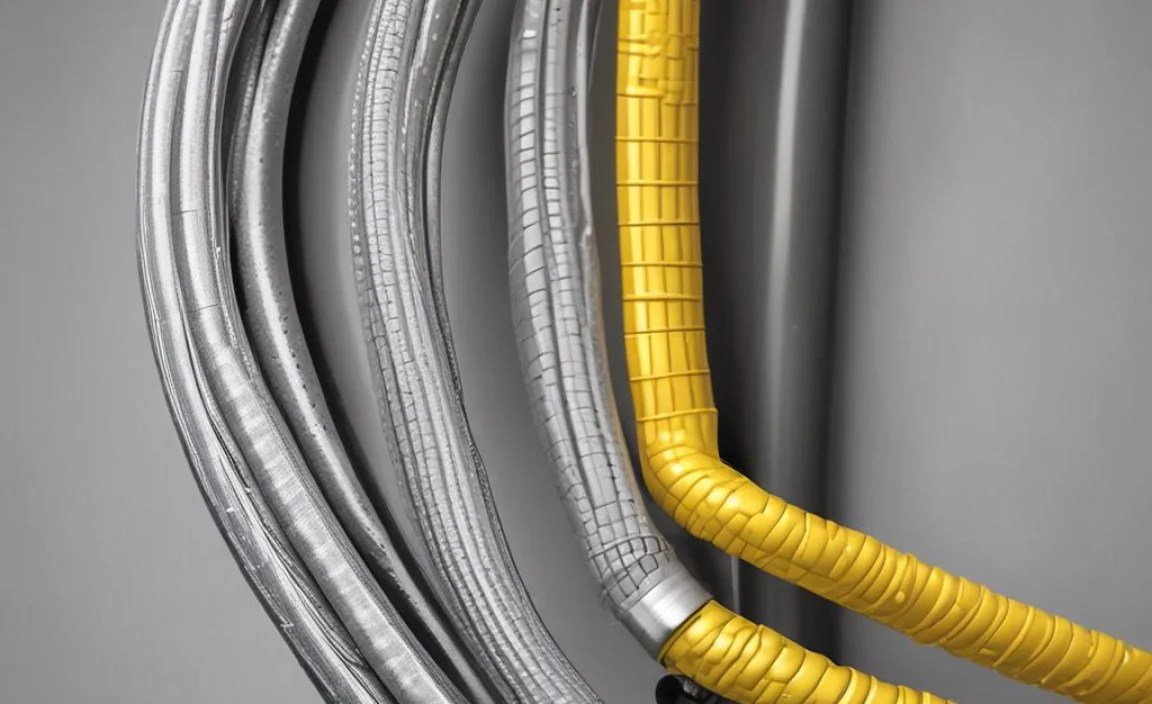
Flexible hoses are designed to bend and move easily without kinking or breaking. They’re made from materials like rubber, silicone, or PVC, which allow for a high degree of pliability. This makes them ideal for situations where you need to navigate tight spaces or connect moving parts. Think of the hose on your bike pump – it needs to bend and twist without losing its ability to deliver air.
Common Uses of Flexible Hoses
- Bike Pumps: Connecting the pump to the tire valve.
- Gardening: Watering plants and lawns, where you need to move around obstacles.
- Air Tools: Powering tools like air compressors and nail guns, requiring freedom of movement.
- Vacuum Cleaners: Allowing you to reach into corners and under furniture.
- Medical Equipment: Delivering gases and liquids in a controlled manner.
Pros of Flexible Hoses
- Maneuverability: Easy to bend and twist in tight spaces.
- Lightweight: Generally lighter than rigid hoses, making them easier to handle.
- Vibration Dampening: Can absorb vibrations, reducing noise and wear.
- Easy to Store: Can be coiled and stored compactly.
- Cost-Effective: Often less expensive than rigid hoses.
Cons of Flexible Hoses
- Lower Pressure Rating: Typically can’t handle as much pressure as rigid hoses.
- Less Durable: More prone to punctures, cuts, and abrasion.
- Chemical Compatibility: May not be compatible with certain chemicals or solvents.
- Temperature Sensitivity: Can become brittle in cold temperatures or soften in high temperatures.
- Kinking: Can kink if bent too sharply, restricting flow.
Understanding Rigid Hoses

Rigid hoses, also known as pipes or tubing, are designed to maintain their shape and provide a straight, unyielding path for fluids or gases. They’re typically made from materials like metal (steel, copper, aluminum) or rigid plastics (PVC, CPVC). This makes them suitable for high-pressure applications and situations where a stable, fixed connection is needed. Think of the brake lines on your bike – they need to withstand high pressure to stop you safely.
Common Uses of Rigid Hoses
- Hydraulic Brake Lines: Transmitting hydraulic pressure to brake calipers.
- Plumbing: Carrying water and waste in buildings.
- HVAC Systems: Transporting refrigerant in air conditioning and heating systems.
- Fuel Lines: Delivering fuel to engines in vehicles and machinery.
- Chemical Processing: Handling corrosive chemicals in industrial settings.
Pros of Rigid Hoses
- High Pressure Rating: Can withstand very high pressures without bursting.
- Durable: Resistant to punctures, cuts, and abrasion.
- Chemical Resistance: Compatible with a wide range of chemicals and solvents.
- Temperature Resistance: Can withstand extreme temperatures without degrading.
- Structural Integrity: Maintains its shape and provides a stable connection.
Cons of Rigid Hoses
- Limited Flexibility: Difficult to bend or flex, requiring fittings for changes in direction.
- Heavier: Generally heavier than flexible hoses, making them harder to handle.
- Vibration Transmission: Can transmit vibrations, leading to noise and wear.
- Difficult to Store: Takes up more space and is harder to coil for storage.
- More Expensive: Often more expensive than flexible hoses.
Key Differences Between Flexible and Rigid Hoses

To make the right choice, let’s break down the key differences in a table format. This will help you quickly compare the properties and applications of each type of hose.
| Feature | Flexible Hose | Rigid Hose |
|---|---|---|
| Material | Rubber, Silicone, PVC | Metal (Steel, Copper, Aluminum), Rigid Plastics (PVC, CPVC) |
| Flexibility | High | Low |
| Pressure Rating | Low to Medium | High |
| Durability | Low to Medium | High |
| Weight | Light | Heavy |
| Cost | Lower | Higher |
| Common Uses | Bike Pumps, Gardening, Air Tools | Hydraulic Brake Lines, Plumbing, Fuel Lines |
Factors to Consider When Choosing a Hose
Choosing the right hose involves considering several factors. Here’s a breakdown to help you make an informed decision.
Pressure Requirements
The first thing to consider is the pressure the hose will need to withstand. High-pressure applications, like hydraulic systems, require rigid hoses. For lower-pressure tasks, like watering plants, flexible hoses are sufficient. Always check the pressure rating of the hose to ensure it meets your needs. Exceeding the pressure rating can lead to bursts and failures.
Flexibility and Movement
If the hose needs to bend, twist, or move around obstacles, a flexible hose is the way to go. For fixed installations where the hose needs to maintain a straight path, a rigid hose is more suitable. Think about how the hose will be used – will it be dragged around the garden, or will it be a permanent fixture in your plumbing system?
Material Compatibility
Consider the type of fluid or gas that will be passing through the hose. Some materials are not compatible with certain chemicals or solvents. For example, some rubber hoses can degrade when exposed to oil or gasoline. Check the manufacturer’s specifications to ensure the hose material is compatible with the intended substance. You can also consult chemical compatibility charts online, like this one from Cole-Parmer, a reputable supplier of lab and industrial equipment: Cole-Parmer Chemical Resistance Database.
Temperature Range
Extreme temperatures can affect the performance and lifespan of hoses. Some flexible hoses can become brittle in cold temperatures or soften in high temperatures. Rigid hoses made of metal are generally more resistant to temperature extremes. Check the temperature rating of the hose to ensure it can withstand the operating conditions. This is especially important for applications involving hot water, steam, or freezing temperatures.
Durability and Environmental Factors
Consider the environment in which the hose will be used. Will it be exposed to sunlight, abrasion, or harsh chemicals? Rigid hoses are generally more durable and resistant to environmental factors. However, some flexible hoses are specifically designed for outdoor use and can withstand UV radiation and abrasion. Look for hoses with reinforced construction or protective coatings for added durability.
Cost
Flexible hoses are generally less expensive than rigid hoses. However, the cost should not be the only factor in your decision. Consider the long-term value and performance of the hose. A more expensive, durable hose may be a better investment in the long run, as it will last longer and require less frequent replacement.
Step-by-Step Guide to Choosing the Right Hose
Here’s a step-by-step guide to help you choose the right hose for your needs.
- Identify the Application: What will the hose be used for? (e.g., watering plants, hydraulic brakes, air tools)
- Determine Pressure Requirements: What is the maximum pressure the hose will need to withstand?
- Assess Flexibility Needs: Does the hose need to bend or move?
- Check Material Compatibility: What type of fluid or gas will be passing through the hose?
- Consider Temperature Range: What are the operating temperatures?
- Evaluate Environmental Factors: Will the hose be exposed to sunlight, abrasion, or chemicals?
- Set a Budget: How much are you willing to spend on the hose?
- Research and Compare: Look at different brands and models of hoses that meet your requirements.
- Read Reviews: See what other users have to say about the performance and durability of the hose.
- Make a Decision: Choose the hose that best meets your needs and budget.
Examples of Choosing the Right Hose
Let’s look at a few real-world examples to illustrate how to choose between flexible and rigid hoses.
Example 1: Choosing a Hose for a Bike Pump
Application: Inflating bicycle tires.
Pressure Requirements: Low to medium (up to 120 PSI).
Flexibility Needs: High – the hose needs to bend and twist to connect to the tire valve.
Material Compatibility: Air.
Temperature Range: Normal ambient temperatures.
Environmental Factors: Occasional exposure to sunlight and abrasion.
Conclusion: A flexible hose made of rubber or PVC is the best choice for a bike pump. It provides the necessary flexibility and can handle the pressure requirements.
Example 2: Choosing a Hose for Hydraulic Brake Lines
Application: Transmitting hydraulic pressure to brake calipers.
Pressure Requirements: Very high (up to 2000 PSI).
Flexibility Needs: Low – the hose needs to maintain a straight path and not expand under pressure.
Material Compatibility: Hydraulic fluid.
Temperature Range: Normal operating temperatures for brake systems.
Environmental Factors: Exposure to brake fluid, road debris, and temperature fluctuations.
Conclusion: A rigid hose made of steel or reinforced polymer is the best choice for hydraulic brake lines. It can withstand the high pressure and maintain its shape under stress. It’s also crucial to choose a hose specifically designed for brake systems, meeting DOT (Department of Transportation) standards.
Example 3: Choosing a Hose for a Garden
Application: Watering plants and lawns.
Pressure Requirements: Low to medium (up to 60 PSI).
Flexibility Needs: High – the hose needs to be moved around plants and obstacles.
Material Compatibility: Water.
Temperature Range: Normal ambient temperatures.
Environmental Factors: Exposure to sunlight, abrasion, and weather.
Conclusion: A flexible hose made of rubber or PVC is the best choice for gardening. It provides the necessary flexibility and can handle the pressure requirements. Look for a hose with a UV-resistant coating for added durability.
FAQ: Flexible vs. Rigid Hoses
What is the main difference between flexible and rigid hoses?
Flexible hoses bend easily, while rigid hoses maintain their shape. Flexible hoses are great for movement and tight spaces, while rigid hoses handle high pressure and provide stable connections.
When should I use a flexible hose?
Use a flexible hose when you need to navigate tight spaces, connect moving parts, or dampen vibrations. Examples include bike pumps, gardening hoses, and air tool connections.
When should I use a rigid hose?
Use a rigid hose for high-pressure applications, fixed installations, and situations where a stable, straight path is needed. Examples include hydraulic brake lines, plumbing, and fuel lines.
Can I use a flexible hose for high-pressure applications?
No, flexible hoses are generally not suitable for high-pressure applications. They may burst or fail under high pressure. Always use a rigid hose for high-pressure tasks.
How do I choose the right material for a hose?
Consider the type of fluid or gas that will be passing through the hose and the operating temperature. Some materials are not compatible with certain chemicals or temperatures. Check the manufacturer’s specifications for compatibility information.
Are flexible hoses more prone to kinking?
Yes, flexible hoses can kink if bent too sharply, restricting flow. Choose a flexible hose with a kink-resistant design or use fittings to prevent sharp bends.
How do I store flexible and rigid hoses?
Flexible hoses can be coiled and stored compactly. Rigid hoses take up more space and are harder to coil. Store them in a way that prevents them from being crushed or damaged.
Conclusion
Choosing between flexible and rigid hoses doesn’t have to be a headache. By understanding the key differences, considering the factors outlined above, and following the step-by-step guide, you can confidently select the right hose for any task. Whether you’re pumping up your bike tires or installing a new plumbing system, the right hose will make the job easier, safer, and more efficient. So go ahead, tackle that project with confidence, knowing you’ve got the perfect hose for the job!


