
Hose Connector Cross-Threaded? Easy Fix Here!

Quick Summary: Cross-threading a hose connector happens when the threads don’t align properly, causing damage and leaks. To fix it, gently try to unscrew the connector, clean the threads, and realign before reattaching. If the threads are damaged, use a thread repair tool or replace the connector entirely to ensure a secure, leak-free connection.
Ever struggled to screw on a hose, only to find it’s stuck or leaking? You might have cross-threaded the connector. It’s a common problem that can happen to anyone, and it can be super frustrating. Cross-threading not only damages the connector but also leads to leaks and poor performance. Don’t worry; fixing it is often straightforward. This guide will walk you through step-by-step solutions to get your connections working smoothly again. We’ll cover everything from identifying the problem to repairing or replacing the damaged parts.
What is Cross-Threading?
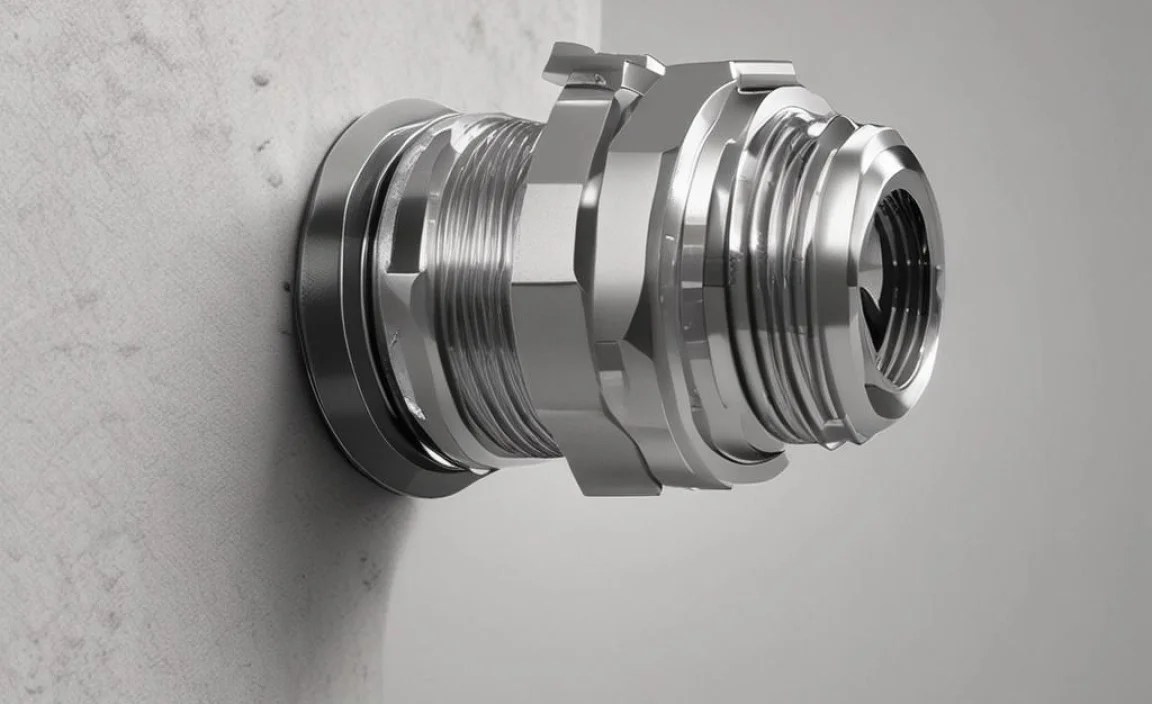
Cross-threading happens when you force a male and female threaded connector together at the wrong angle. Instead of the threads smoothly interlocking, they grind against each other, damaging the ridges. This results in a connection that is neither tight nor secure, leading to leaks and potential equipment failure. It’s a common issue, especially with plastic or soft metal connectors.
Recognizing cross-threading early can save you time and money. Here are a few signs to watch for:
- Difficulty turning the connector, even when applying moderate force.
- A gritty or rough feeling as you try to tighten the connection.
- Visible damage to the threads, such as flattened or distorted ridges.
- Leaks from the connection point, even after tightening.
Tools and Materials You’ll Need

Before you start, gather the necessary tools and materials. Having everything on hand will make the process smoother and more efficient.
- Wrench or Pliers: For gripping and turning connectors.
- Thread Repair Tool: To fix damaged threads (if applicable).
- Wire Brush: To clean debris from the threads.
- Lubricant: Such as silicone grease or Teflon tape, to ease the connection.
- Replacement Connector: If the damage is too severe to repair.
- Clean Cloth: To wipe away dirt and debris.
- Safety Glasses: To protect your eyes from debris.
- Gloves: To protect your hands.
Step-by-Step Guide to Fixing a Cross-Threaded Hose Connector

Follow these steps to safely and effectively fix a cross-threaded hose connector. Each step is designed to help you diagnose the problem and implement the best solution.
Step 1: Identify the Problem
First, carefully inspect the connector to confirm that it is indeed cross-threaded. Look for the signs mentioned earlier, such as difficulty turning, a rough feeling, or visible damage to the threads. If the threads look flattened or misaligned, you’re likely dealing with cross-threading.
Step 2: Separate the Connectors
Gently try to unscrew the connector. If it’s stuck, don’t force it. Instead, try wiggling it back and forth while applying gentle pressure. Use a wrench or pliers for a better grip, but be careful not to damage the connector further. If necessary, apply a bit of penetrating oil to help loosen the threads. Let the oil sit for a few minutes before trying again.
Step 3: Clean the Threads
Once the connectors are separated, clean the threads thoroughly. Use a wire brush to remove any dirt, debris, or damaged material. A clean thread is essential for a successful repair or reconnection. Inspect the threads closely for any remaining damage.
Step 4: Assess the Damage
Evaluate the extent of the damage to the threads. If the damage is minor, you might be able to repair the threads using a thread repair tool. If the damage is severe, such as stripped or broken threads, you’ll likely need to replace the connector.
Step 5: Repair the Threads (If Possible)
If the threads are only slightly damaged, a thread repair tool can help restore them. These tools come in various sizes to match different thread types. Follow the instructions that come with your thread repair tool. Generally, you’ll insert the tool into the damaged threads and rotate it to reshape the threads. This process requires patience and a steady hand.
Step 6: Apply Lubricant
Whether you’ve repaired the threads or not, applying a lubricant can help ensure a smooth connection. Use a silicone grease or Teflon tape to lubricate the threads. Teflon tape is easy to apply: simply wrap it around the male threads in the direction of the thread spiral. Lubricant reduces friction and helps create a tighter, more secure seal.
Step 7: Reconnect the Hose
Carefully realign the threads and begin to screw the connector back together. Make sure the threads are properly aligned before applying any force. Turn the connector slowly and evenly until it’s snug. Avoid over-tightening, which can cause cross-threading to recur.
Step 8: Test for Leaks
After reconnecting the hose, test for leaks. Turn on the water or whatever fluid is supposed to flow through the hose and check the connection point. If you see any leaks, tighten the connector slightly. If the leaks persist, you may need to disassemble the connection and inspect it again. In some cases, you may need to replace the connector despite your best efforts.
When to Replace the Connector
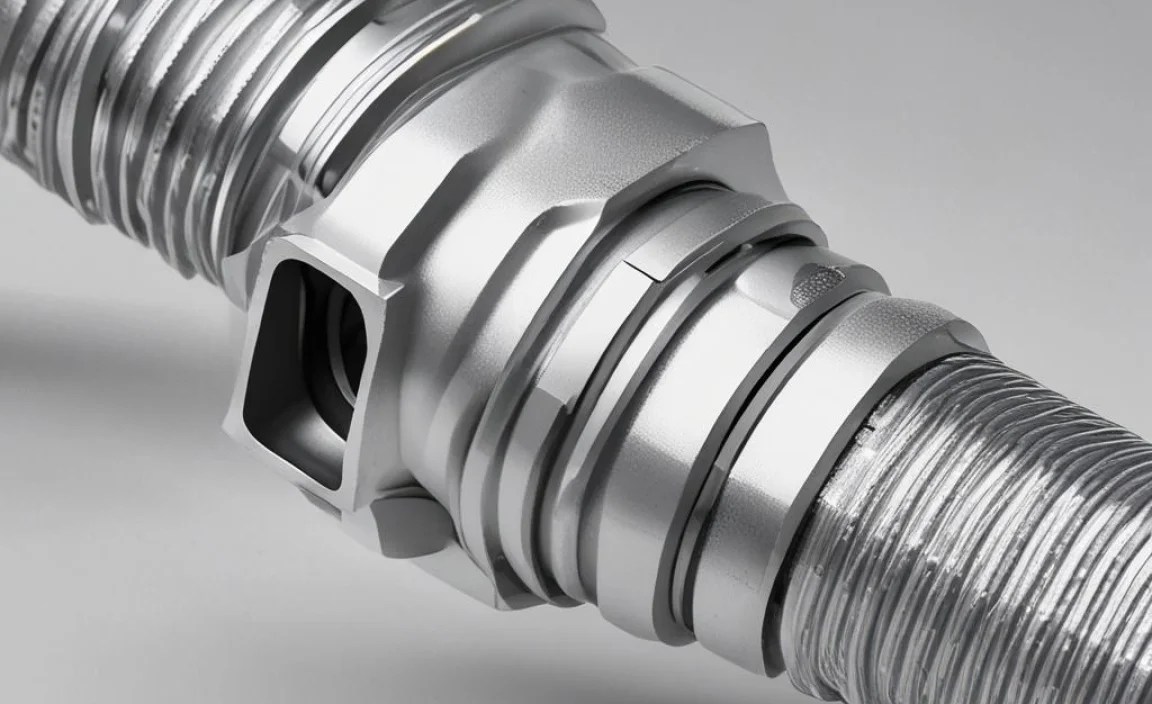
Sometimes, despite your best efforts, the connector is beyond repair. Here are some signs that indicate it’s time for a replacement:
- Stripped Threads: If the threads are completely flattened or missing, the connector won’t hold.
- Cracked or Broken Connector: Any physical damage to the connector body compromises its integrity.
- Severe Corrosion: Rust or corrosion can weaken the connector and make it prone to leaks.
- Repeated Cross-Threading: If you’ve tried repairing the threads multiple times without success, replacement is the best option.
Choosing the Right Replacement Connector

When selecting a replacement connector, consider the following factors to ensure compatibility and durability:
- Material: Brass connectors are durable and corrosion-resistant, while plastic connectors are lightweight and inexpensive.
- Size and Thread Type: Ensure the connector matches the size and thread type of your hose and equipment.
- Application: Choose a connector designed for the specific application, such as garden hoses, air compressors, or plumbing.
- Quality: Invest in a high-quality connector from a reputable brand to ensure long-lasting performance.
Preventing Cross-Threading in the Future
Prevention is always better than cure. Here are some tips to help you avoid cross-threading in the future:
- Align the Threads: Before tightening, ensure the threads are properly aligned. Take your time and don’t force the connection.
- Use Lubricant: Applying a lubricant like silicone grease or Teflon tape reduces friction and helps the threads engage smoothly.
- Tighten Carefully: Avoid over-tightening, which can damage the threads. Tighten until snug, but not excessively.
- Regular Inspection: Periodically inspect your connectors for signs of wear or damage. Replace them as needed.
- Proper Storage: Store hoses and connectors properly to prevent damage. Avoid kinking or bending the hoses, which can put stress on the connectors.
Common Types of Hose Connectors and Their Uses
Understanding the different types of hose connectors can help you choose the right one for your needs and avoid cross-threading. Here’s a brief overview of some common types:
- Garden Hose Connectors: Used for connecting hoses to spigots, sprinklers, and other garden equipment.
- Air Hose Connectors: Designed for use with air compressors and pneumatic tools.
- Hydraulic Hose Connectors: Used in hydraulic systems for heavy machinery and equipment.
- Plumbing Connectors: Used for connecting pipes and fixtures in plumbing systems.
- Quick-Connect Connectors: Allow for quick and easy connection and disconnection without the need for threading.
Table: Common Hose Connector Types and Uses
| Connector Type | Material | Common Uses | Advantages | Disadvantages |
|---|---|---|---|---|
| Garden Hose Connector | Brass, Plastic | Connecting hoses to spigots, sprinklers | Easy to use, readily available | Plastic can be less durable |
| Air Hose Connector | Steel, Brass | Air compressors, pneumatic tools | Durable, high-pressure resistance | Can be heavier |
| Hydraulic Hose Connector | Steel | Hydraulic systems, heavy machinery | Extremely durable, high-pressure resistance | Expensive, requires specialized tools |
| Plumbing Connector | Brass, Copper, PVC | Plumbing systems, pipe connections | Corrosion-resistant, various materials available | Requires proper sealing |
| Quick-Connect Connector | Brass, Stainless Steel | Various applications requiring quick connections | Easy and fast connections | Can be less secure than threaded connections |
Advanced Techniques for Stubborn Cross-Threading
Sometimes, a cross-threaded connector can be particularly stubborn. Here are a few advanced techniques to try:
- Heat: Applying heat to the connector can help expand the metal and loosen the threads. Use a heat gun or hair dryer, but be careful not to overheat the connector, especially if it’s made of plastic.
- Penetrating Oil: Apply a generous amount of penetrating oil to the threads and let it sit for several hours or even overnight. This can help dissolve rust and corrosion, making it easier to separate the connectors.
- Vibration: Using a vibrating tool, such as an impact wrench, can help loosen the threads. Apply gentle pressure and avoid overdoing it, which can damage the connector further.
- Specialized Tools: There are specialized tools designed for removing damaged connectors, such as thread extractors. These tools can provide a better grip and more leverage, making it easier to remove stubborn connectors.
Table: Troubleshooting Tips for Stubborn Connectors
| Problem | Possible Solution | Tools Needed |
|---|---|---|
| Connector is stuck | Apply penetrating oil and let it sit overnight | Penetrating oil, wrench |
| Threads are corroded | Use a wire brush and corrosion remover | Wire brush, corrosion remover |
| Connector is too tight | Apply heat to expand the metal | Heat gun or hair dryer |
| Threads are severely damaged | Use a thread extractor tool | Thread extractor tool, wrench |
| Connector keeps leaking | Replace the connector with a new one | New connector, wrench |
Understanding Thread Types and Sizes
Different applications require different thread types and sizes. Understanding these differences can help you avoid cross-threading and ensure a proper fit. Here are some common thread types:
- National Pipe Thread (NPT): A tapered thread commonly used in plumbing and industrial applications.
- National Pipe Thread Straight (NPS): A straight thread also used in plumbing and industrial applications.
- Unified National Coarse (UNC): A common thread type used in general-purpose applications.
- Unified National Fine (UNF): A finer thread type used in applications requiring a tighter seal.
- Metric Threads: Used in many international applications, with various pitch sizes.
Thread sizes are typically expressed in inches or millimeters, along with a thread pitch (the distance between threads). Use a thread gauge to accurately measure the thread size and pitch. Knowing the thread type and size is crucial for selecting the right replacement connector and avoiding cross-threading.
FAQ: Common Questions About Cross-Threaded Hose Connectors
What does it mean when a hose connector is cross-threaded?
Cross-threading happens when the threads of a connector don’t line up correctly and are forced together. This damages the threads and prevents a tight seal, leading to leaks.
Can I fix a cross-threaded hose connector, or do I need to replace it?
You can often fix it if the damage is minor. Try cleaning and realigning the threads. If the threads are severely damaged or stripped, it’s best to replace the connector.
What tools do I need to fix a cross-threaded hose connector?
You’ll need a wrench or pliers, a wire brush, lubricant (like silicone grease or Teflon tape), and possibly a thread repair tool. Safety glasses and gloves are also a good idea.
How can I prevent cross-threading in the future?
Always align the threads carefully before tightening. Use lubricant to reduce friction, and avoid over-tightening the connector. Regular inspection and proper storage can also help.
What type of lubricant should I use on hose connectors?
Silicone grease or Teflon tape are good choices. They reduce friction and help create a tighter, more secure seal without damaging the connector.
Is it okay to use force to tighten a hose connector?
No, never force a connector. If it’s difficult to turn, the threads might be misaligned or damaged. Forcing it will only make the problem worse.
When should I call a professional for help with hose connectors?
If you’re not comfortable working with tools, or if the connector is part of a complex system, it’s best to call a professional plumber or mechanic. They have the expertise to handle tricky repairs safely.
Conclusion
Dealing with a cross-threaded hose connector can be frustrating, but with the right knowledge and tools, it’s often a problem you can solve yourself. By following the steps outlined in this guide, you can diagnose the issue, repair minor damage, and prevent future occurrences. Remember to always align the threads carefully, use lubricant, and avoid over-tightening. When the damage is too severe, don’t hesitate to replace the connector with a high-quality replacement. With a little patience and attention to detail, you can keep your connections running smoothly and leak-free. Happy cycling!


