
How to Avoid Damaging Valve with Gauge: Smart Tips

Have you ever seen a superhero use a gadget? Gauges and valves are like that. They help us control things. But, what happens if we break them? It’s important to know {how to avoid damaging valve with gauge}. Let’s learn how to keep our gadgets safe!
Valves and gauges work together. Valves control the flow. Gauges show us how much. Imagine a water hose. The valve is the on/off switch. The gauge tells you how strong the water pressure is. Knowing how to protect them is key.
Sometimes, we can be a little too rough. We might turn a valve too hard. Or, we might bump a gauge. These small mistakes can cause big problems. It’s like being a doctor for our tools. We need to be gentle and careful. Let’s find out how!
Key Takeaways
- Always check the pressure range to avoid damaging the gauge.
- Use the correct tools for the job to prevent valve damage.
- Regularly inspect valves and gauges for wear and tear.
- Learn {how to avoid damaging valve with gauge} by following instructions.
- Store valves and gauges properly to protect them from impact.
Understanding Valve and Gauge Basics

Valves and gauges are important tools. They help us control and measure things. Valves control the flow of liquids or gases. Gauges measure pressure or other levels. Knowing how they work helps us protect them. If you don’t know the basics, you might damage them. This can lead to problems. It’s like driving a car without knowing how to steer. You need to understand the tools to use them safely. This knowledge is the first step in {how to avoid damaging valve with gauge}. Understanding the function of each part will ensure longevity and prevent costly repairs or replacements.
- Valves control flow.
- Gauges measure pressure.
- Know the valve type.
- Understand gauge readings.
- Check for leaks often.
Think of a balloon. The valve is like the part you pinch to keep air in. The gauge is like knowing how much air is inside. Too much air, and the balloon pops! With valves and gauges, too much pressure can cause damage. It’s important to read the gauge carefully. Don’t let the pressure go too high. Always follow the instructions. If you are unsure, ask someone who knows. Understanding the basics is the best way to keep your tools working well. It also helps to understand {how to avoid damaging valve with gauge}.
Why Are Valves and Gauges Important?
Why should we care about valves and gauges? Imagine a bicycle tire. The valve lets you put air in. The gauge tells you how much air is inside. If the valve breaks, you can’t fill the tire. If the gauge is wrong, you might overfill it. Then the tire could explode! Valves and gauges are used in many places. They are in cars, factories, and even hospitals. They help keep things safe and working well. Without them, many things would not work right. So, taking care of them is very important. This helps to ensure everything functions properly and safely.
Different Types of Valves
Did you know there are different types of valves? Some valves turn like a faucet. Others slide open and closed. Some valves are automatic. They open and close by themselves. Each type of valve has a special job. Knowing which valve you are using is important. Using the wrong tool on a valve can damage it. It’s like trying to open a door with a hammer. You need to use the right tool for the job. Always check the instructions before using a valve. This can help you avoid mistakes. It’s also a key part of {how to avoid damaging valve with gauge}.
Reading Gauges Correctly
Reading a gauge might seem tricky. But it’s like reading a clock. Gauges have a needle that points to a number. The number tells you the pressure. Some gauges have different colors. Green might mean safe. Red might mean danger. Always look closely at the gauge. Make sure you understand what it is telling you. If you are not sure, ask someone to help you. Reading gauges correctly helps you keep things safe. It also helps you avoid damaging valves and gauges. This ensures that everything works as it should. It is a vital part of maintenance.
Fun Fact or Stat: The first pressure gauge was invented in the 1840s and used in steam engines!
Checking Pressure Ratings
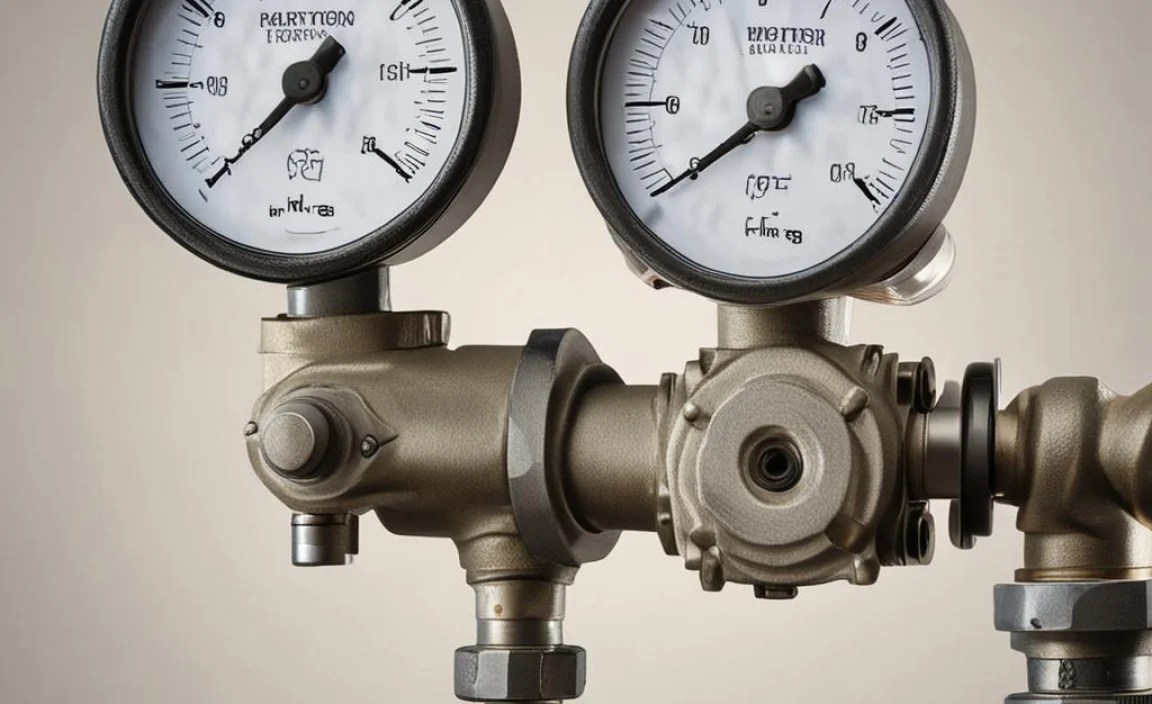
Every valve and gauge has a pressure rating. This tells you how much pressure it can handle. It’s like knowing how much weight a bridge can hold. If you put too much weight on the bridge, it could collapse. If you put too much pressure on a valve or gauge, it could break. Always check the pressure rating before you use a valve or gauge. Make sure the pressure you are using is below the rating. This will help you avoid damage. It’s a crucial step in {how to avoid damaging valve with gauge}. By staying within the safe limits, you prolong their lifespan and ensure safe operation.
- Find the pressure rating.
- Do not exceed the limit.
- Check the unit of measure.
- Consider temperature effects.
- Consult the manual.
- Inspect regularly for wear.
Imagine you are blowing up a balloon. The package says it can hold 10 PSI (pounds per square inch). That’s the pressure rating. If you keep blowing past that, the balloon will pop. Valves and gauges are the same. They have a limit. You need to know what that limit is. You can usually find the pressure rating on the valve or gauge itself. It might be stamped on the side. Or, it might be in the instruction manual. Always take a look before you start using it. This simple step can save you a lot of trouble. It’s a key aspect of {how to avoid damaging valve with gauge}.
What is a Pressure Rating?
A pressure rating is like a safety label. It tells you the maximum pressure a device can handle. This is often measured in PSI or another unit. Knowing this number helps you avoid over-pressurizing the system. Over-pressurizing can lead to breaks, leaks, or even explosions. This is why manufacturers provide pressure ratings. It helps ensure safety and proper function. Think of it like the speed limit on a road. It tells you the safe maximum speed. Exceeding the limit puts you at risk. The same is true for pressure ratings.
Finding the Correct Rating
Where do you find the pressure rating? Usually, it’s marked directly on the device. Look for numbers followed by PSI, bar, or kPa. If you can’t find it there, check the device’s manual. The manual should list all important specifications. This includes the pressure rating. Sometimes, the rating is on a sticker. Be sure to read it carefully. If you still can’t find it, contact the manufacturer. They can provide the information you need. Always confirm the rating before using the valve or gauge.
Effects of Exceeding the Limit
What happens if you ignore the pressure rating? Bad things! Exceeding the limit can cause the valve or gauge to fail. This can lead to leaks or bursts. In some cases, it can even cause an explosion. This is why it’s so important to pay attention. Imagine trying to lift something that is too heavy. You might strain your back. Exceeding the pressure rating is like straining the device. It can cause lasting damage. Always stay within the safe limits. This protects both the equipment and yourself. Remember {how to avoid damaging valve with gauge} is paramount for safety.
Fun Fact or Stat: Pressure is measured in different units, like PSI (pounds per square inch), bar, and Pascals (Pa).
Using the Right Tools
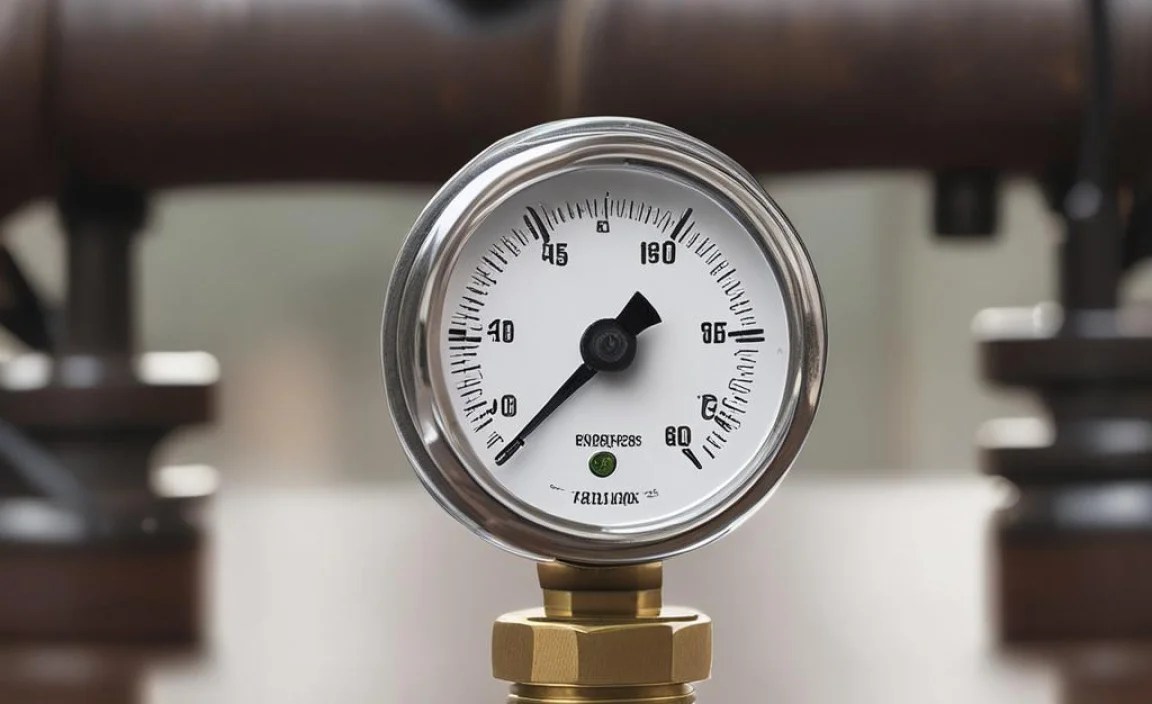
Using the right tools is very important. It’s like using the right key for a lock. If you use the wrong key, you can damage the lock. The same is true for valves and gauges. Using the wrong tool can strip the threads. It can also break the valve handle. Always use the right size wrench. Make sure it fits snugly. Don’t use pliers unless you have to. Pliers can scratch and damage the valve. Taking the time to use the right tools will save you trouble later. It’s a critical step in {how to avoid damaging valve with gauge}.
| Tool | Use | Why It’s Important |
|---|---|---|
| Wrench | Tightening and loosening valves | Provides proper grip and prevents damage |
| Screwdriver | Adjusting screws on gauges | Fits correctly and avoids stripping screws |
| Pipe Tape | Sealing threaded connections | Prevents leaks and protects threads |
| Socket Set | Working with different bolt sizes | Ensures the right fit and prevents rounding |
| Gloves | Protecting hands from chemicals | Keeps hands safe during maintenance |
- Use the correct wrench size.
- Avoid using pliers if possible.
- Use pipe tape on threads.
- Clean tools before use.
- Do not overtighten fittings.
Think of building with LEGOs. You wouldn’t use a hammer to put them together, right? You use your fingers. Valves and gauges are similar. They need the right tools. A wrench that’s too big can slip. This can round off the edges of the valve. A screwdriver that’s too small can strip the screw. Always take a moment to find the right tool. It will make the job easier. It will also prevent damage. Remember, using the right tool is part of {how to avoid damaging valve with gauge}. It’s like wearing the right shoes for a sport. You need the right gear for the best results.
Why Correct Tools Matter
Why can’t you just use any old tool? Because the wrong tool can cause damage. It can also make the job harder. Imagine using a butter knife to cut a piece of wood. It wouldn’t work very well. You need a saw. The same is true for valves and gauges. The right tool fits properly. It provides the right amount of leverage. This prevents slipping and stripping. It also makes the job safer. Using the correct tools shows that you care about the equipment. It also shows that you know what you are doing.
Common Tool Mistakes
What are some common tool mistakes? One mistake is using pliers instead of a wrench. Pliers can scratch and dent the valve. Another mistake is overtightening. Overtightening can damage the threads. It can also break the valve handle. Another mistake is using rusty or dirty tools. These can contaminate the system. Always clean your tools before using them. Make sure they are in good condition. Using the right tools the right way is essential for {how to avoid damaging valve with gauge}.
Tool Maintenance Tips
How do you keep your tools in good shape? Clean them after each use. Store them in a dry place. Oil them regularly. Replace them when they are worn out. A well-maintained tool is a safe tool. It is also a more effective tool. Think of it like taking care of your bicycle. You need to oil the chain and pump the tires. This keeps it running smoothly. The same is true for your tools. Regular maintenance will extend their life. It will also help you avoid accidents and damage. Keep your tools in top condition.
Fun Fact or Stat: The wrench was invented in the 1800s to tighten nuts and bolts on trains!
Avoiding Over-Tightening
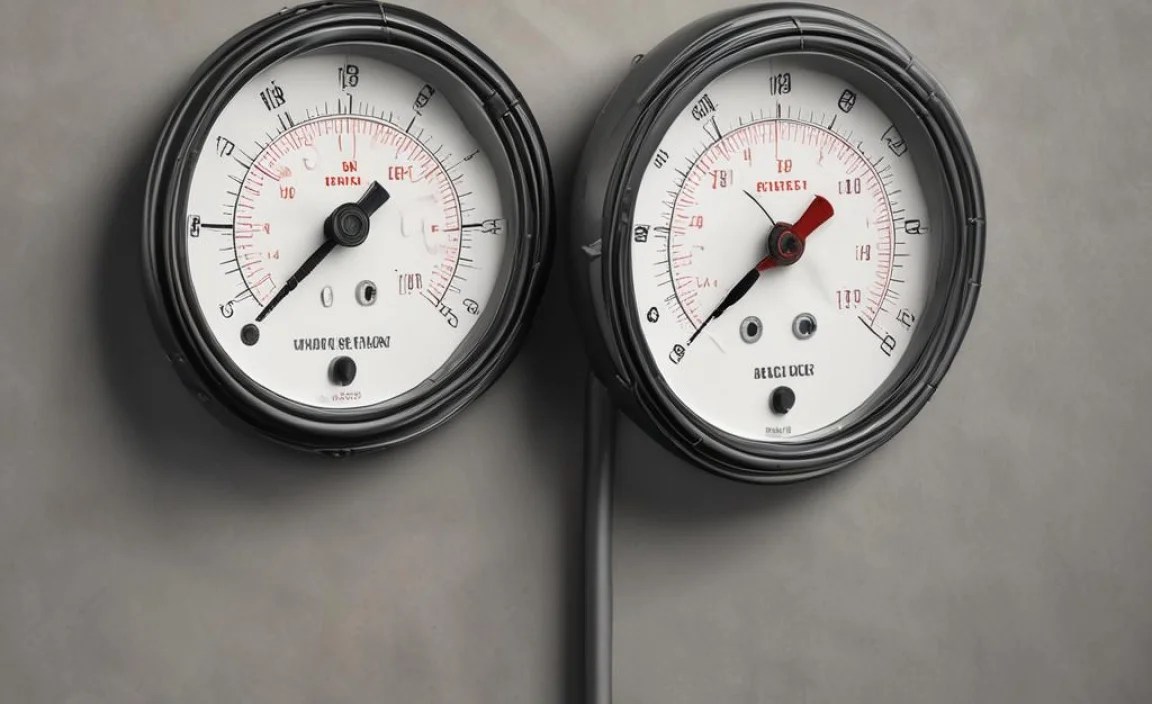
Over-tightening is a common mistake. It can damage valves and gauges. It’s like screwing a lid on a jar too tight. You might crack the lid. Or you might make it impossible to open. When you over-tighten a valve, you can strip the threads. This can cause leaks. It can also break the valve handle. When you over-tighten a gauge, you can damage the internal parts. Always tighten valves and gauges gently. Use just enough force to make them snug. This will prevent damage. It’s an important part of {how to avoid damaging valve with gauge}.
- Tighten gently.
- Use the right tool.
- Check for leaks.
- Avoid using excessive force.
- Know when it is snug.
- Listen for sounds.
Imagine you are tightening a screw. You turn it until it’s snug. Then you stop. You don’t keep turning it until it breaks. Valves and gauges are the same. You want them to be tight enough to seal. But you don’t want to overdo it. Over-tightening can actually loosen the connection over time. It can also damage the threads. A good rule of thumb is to tighten until you feel resistance. Then give it just a little bit more. Always check for leaks after tightening. This will tell you if you have tightened it enough. Remember, gentle is better when it comes to {how to avoid damaging valve with gauge}.
Why Over-Tightening is Bad
Why is over-tightening so bad? Because it puts too much stress on the parts. This can cause them to break or wear out. It can also damage the threads. Threads are like the grooves on a screw. They help it grip. If you strip the threads, the screw won’t hold. Over-tightening can also damage the seals. Seals are like gaskets. They prevent leaks. If you damage the seal, it will leak. Over-tightening is a common cause of valve and gauge failure.
How to Know When to Stop
How do you know when to stop tightening? The key is to feel for resistance. When you start to feel the valve or gauge getting snug, slow down. Give it just a little bit more turn. Then stop. You should also listen for sounds. If you hear a creaking or cracking sound, you are probably over-tightening. Stop immediately. Back off the fitting slightly. Then tighten it again gently. Practice makes perfect. With experience, you will develop a feel for how much to tighten.
Checking for Leaks After Tightening
After you tighten a valve or gauge, always check for leaks. You can use a soapy water solution. Brush it on the connection. If you see bubbles, it means there is a leak. If there is a leak, try tightening the connection a little more. If that doesn’t work, you may need to replace the seal or the fitting. Checking for leaks is an important step. It helps you catch problems early. This prevents further damage. It ensures that everything is working properly. This is how to avoid damaging valve with gauge}.
Fun Fact or Stat: Over-tightening is one of the most common causes of leaks in plumbing systems.
Protecting From Physical Damage

Physical damage can ruin valves and gauges. It’s like dropping your phone on the sidewalk. It might crack the screen. Valves and gauges can be damaged by bumps, drops, and impacts. Protect them from these dangers. Use protective covers. Store them in a safe place. Be careful when moving them. Avoid dropping them. This will help them last longer. It’s also important for {how to avoid damaging valve with gauge}. Keeping them safe ensures they work when you need them.
- Use protective covers.
- Store them carefully.
- Avoid dropping them.
- Pad exposed valves.
- Secure gauges in place.
- Regularly inspect for damage.
Think of your favorite toy. You wouldn’t throw it around, would you? You would take care of it. Valves and gauges are the same. They need to be treated with care. If you are working in a crowded area, use protective covers. These covers will protect the valves and gauges from bumps. When you are storing them, put them in a safe place. A toolbox or a shelf is a good choice. Avoid leaving them on the floor where someone might step on them. Remember, protecting them from physical damage is a key part of {how to avoid damaging valve with gauge}.
Why Physical Protection is Needed
Why do valves and gauges need protection? Because they are often made of delicate materials. Gauges have glass faces that can break. Valves have internal parts that can be damaged. Even a small bump can cause problems. Protecting them from physical damage prevents these problems. It also extends their life. Think of it like wearing a helmet when you ride a bike. The helmet protects your head from injury. Protective covers and careful handling protect valves and gauges.
Types of Protective Measures
What are some ways to protect valves and gauges? Use protective covers made of rubber or plastic. These covers absorb impacts. Store them in padded cases. This prevents them from bouncing around. Secure them in place with straps or clamps. This prevents them from falling. Pad exposed valves with foam or cloth. This cushions them from bumps. Regularly inspect them for signs of damage. Catching problems early can prevent further damage. These are some of the best ways for {how to avoid damaging valve with gauge}.
Handling and Storage Tips
How should you handle and store valves and gauges? Always carry them carefully. Use both hands. Avoid dropping them. When storing them, choose a dry, safe place. Avoid extreme temperatures. Extreme temperatures can damage the seals. Keep them away from chemicals. Chemicals can corrode the metal. Label them clearly. This prevents confusion. Follow these tips to keep your valves and gauges in good condition. Proper handling and storage are key to {how to avoid damaging valve with gauge}.
Fun Fact or Stat: Some gauges are filled with liquid to dampen vibrations and protect the internal mechanism.
Regular Inspection and Maintenance
Regular inspection and maintenance are crucial. It’s like taking your car in for an oil change. You need to check it regularly to keep it running smoothly. Valves and gauges need the same care. Check them for leaks, cracks, and wear. Clean them regularly. Lubricate moving parts. Replace worn parts. This will help them last longer. It will also prevent problems. It’s a key part of {how to avoid damaging valve with gauge}. Keeping them in good shape ensures they work when you need them.
- Check for leaks regularly.
- Clean them often.
- Lubricate moving parts.
- Replace worn parts.
- Keep records of maintenance.
- Follow manufacturer’s advice.
Imagine you have a bicycle. You need to check the tires regularly. You need to oil the chain. You need to adjust the brakes. Valves and gauges are the same. They need regular attention. Look for signs of wear and tear. Are there any cracks? Are there any leaks? Are the readings accurate? If you find any problems, fix them right away. Don’t wait until it’s too late. Regular maintenance will keep your valves and gauges working well for years to come. It’s a vital aspect of {how to avoid damaging valve with gauge}.
Why Regular Checks Are Important
Why should you bother with regular checks? Because it helps you catch problems early. Early detection can prevent major damage. It can also save you money. Think of it like going to the doctor for a checkup. The doctor can find problems before they become serious. Regular checks of valves and gauges do the same thing. They help you keep your equipment in good condition. This ensures safety and reliability. Regular checks are a key part of {how to avoid damaging valve with gauge}.
What to Look For During Inspection
What should you look for during an inspection? Check for leaks around the connections. Look for cracks in the valve body or gauge face. Check for corrosion or rust. Make sure the gauge readings are accurate. Listen for unusual noises. These could indicate a problem. Check the moving parts. Make sure they move freely. If you find anything unusual, investigate further. Don’t ignore potential problems. Addressing them promptly can prevent more significant issues.
Maintenance Procedures to Follow
What are some maintenance procedures you should follow? Clean the valves and gauges regularly. Use a soft cloth and a mild cleaner. Lubricate the moving parts. Use a lubricant recommended by the manufacturer. Replace worn parts. This includes seals, gaskets, and O-rings. Keep records of all maintenance. This helps you track when maintenance was performed. It also helps you identify trends. Follow the manufacturer’s recommendations. This ensures that you are performing the correct maintenance procedures. This is essential for {how to avoid damaging valve with gauge}.
Fun Fact or Stat: Some companies use vibration analysis to detect problems in valves and gauges before they fail.
Proper Storage Techniques
Proper storage is key to long life. It’s like putting your toys away after playing. You want to keep them safe and clean. Valves and gauges need the same treatment. Store them in a dry place. Protect them from extreme temperatures. Keep them away from chemicals. Use protective covers. This will prevent damage. It’s an important part of {how to avoid damaging valve with gauge}. Storing them properly ensures they are ready when you need them.
- Store in a dry place.
- Protect from heat and cold.
- Keep away from chemicals.
- Use protective covers.
- Organize storage area.
- Label storage containers.
Imagine you are storing your winter clothes. You wouldn’t just throw them in a pile, would you? You would fold them neatly. You would put them in a container. You would store them in a dry place. Valves and gauges need the same care. Store them in a toolbox or a shelf. Keep them away from moisture and chemicals. Use protective covers to prevent scratches. Label the storage containers so you know what’s inside. Proper storage will keep your valves and gauges in good condition for years to come. This is essential for {how to avoid damaging valve with gauge}.
Why Storage Matters
Why is proper storage so important? Because it protects valves and gauges from damage. Moisture can cause rust and corrosion. Extreme temperatures can damage seals and gaskets. Chemicals can corrode metal parts. Dust and dirt can clog moving parts. Proper storage prevents these problems. It also extends the life of your valves and gauges. Think of it like storing food in the refrigerator. The refrigerator keeps the food fresh and prevents it from spoiling. Proper storage does the same for valves and gauges.
Best Storage Practices
What are the best storage practices? Choose a dry, cool, and clean place. Avoid storing them in direct sunlight. Direct sunlight can damage plastic parts. Keep them away from chemicals and solvents. Store them in a container with a lid. This protects them from dust and dirt. Use protective covers to prevent scratches. Organize the storage area so you can easily find what you need. Label the containers clearly. This prevents confusion. These are some of the best practices for {how to avoid damaging valve with gauge}.
Avoiding Common Storage Mistakes
What are some common storage mistakes? Storing valves and gauges in a damp place. Storing them in direct sunlight. Storing them near chemicals. Storing them without protective covers. Storing them in a disorganized way. These mistakes can damage your valves and gauges. Avoid these mistakes by following the best storage practices. Proper storage is a simple way to extend the life of your equipment. Proper storage is an integral part of {how to avoid damaging valve with gauge}.
Fun Fact or Stat: Some museums use special storage techniques to preserve artifacts for hundreds of years!
Summary
Valves and gauges are essential tools. They help control and measure pressure. Knowing {how to avoid damaging valve with gauge} is very important. Always check the pressure ratings. Use the right tools for the job. Avoid over-tightening connections. Protect them from physical damage. Inspect and maintain them regularly. Store them properly. These steps will help extend their life. Taking care of valves and gauges saves time and money. It also ensures safe operation. Remember, a little care goes a long way. Treat your tools well, and they will serve you well.
Conclusion
Taking care of valves and gauges is easy. It just takes a little knowledge. Always be gentle. Use the right tools. Check them regularly. Store them properly. By following these simple steps, you can prevent damage. Learning {how to avoid damaging valve with gauge} will help you keep your tools working well for a long time. This saves you money and keeps things safe.
Frequently Asked Questions
Question No 1: What is the most common way to damage a valve?
Answer: The most common way to damage a valve is by over-tightening it. When you over-tighten a valve, you can strip the threads. This causes leaks. It can also break the valve handle. Always tighten valves gently. Use just enough force to make them snug. Using the right tool helps. Make sure it fits well. This prevents damage. Remember, gentle is always better. It’s a key part of {how to avoid damaging valve with gauge}.
Question No 2: How often should I inspect my valves and gauges?
Answer: You should inspect your valves and gauges regularly. How often depends on how often you use them. If you use them every day, inspect them weekly. If you use them less often, inspect them monthly. Look for leaks, cracks, and wear. Clean them regularly. Lubricate moving parts. Replace worn parts. Regular inspection helps you catch problems early. Early detection can prevent major damage. This is an important step in {how to avoid damaging valve with gauge}.
Question No 3: What should I do if I accidentally over-tighten a valve?
Answer: If you accidentally over-tighten a valve, stop immediately. Do not force it any further. Back off the fitting slightly. Then, tighten it again gently. Check for leaks. If there is a leak, you may have damaged the threads. You may need to replace the valve. Be careful when tightening. Gentle is better than forceful. Always use the right tool. This can help you avoid over-tightening. Knowing {how to avoid damaging valve with gauge} will ensure safe use.
Question No 4: How can I protect my valves and gauges from physical damage?
Answer: You can protect your valves and gauges from physical damage in several ways. Use protective covers. Store them in a safe place. Avoid dropping them. Pad exposed valves. Secure gauges in place. Regularly inspect for damage. Physical damage can cause leaks or breaks. Protecting them will extend their life. It will also prevent problems. Taking precautions helps with {how to avoid damaging valve with gauge}.
Question No 5: What is the best way to store valves and gauges?
Answer: The best way to store valves and gauges is in a dry place. Protect them from extreme temperatures. Keep them away from chemicals. Use protective covers. Organize your storage area. Label your storage containers. Proper storage prevents damage. It also extends their life. Storing them well is important for {how to avoid damaging valve with gauge}. This ensures they are ready for use when needed.
Question No 6: Can temperature affect the performance of valves and gauges?
Answer: Yes, temperature can affect the performance of valves and gauges. Extreme heat can damage seals. Extreme cold can make the metal brittle. Always check the temperature rating of your valves and gauges. Make sure they are suitable for the environment. If the temperature is too high or too low, they may not work properly. This could lead to inaccurate readings or leaks. Knowing the limits is important for {how to avoid damaging valve with gauge}.


