
Top Imported Chucks for Road Bikes: Ultimate Guide

Quick Summary
Looking for the best imported chucks (tires) for your road bike? Consider Continental Grand Prix 5000 for all-around performance, Pirelli P Zero Race for speed, and Vittoria Corsa N.EXT for durability. These tires offer great grip, low rolling resistance, and long-lasting quality, making them perfect for various road conditions. Choose based on your priority: speed, comfort, or longevity, and enjoy a smoother, faster ride!
Choosing the right tires for your road bike can feel like a game-changer. Are you tired of sluggish rides or worrying about flats? Upgrading to high-quality, imported tires can significantly improve your bike’s performance and your overall riding experience. Many cyclists find that premium tires enhance speed, comfort, and reliability, but with so many options, it’s hard to know where to start.
In this guide, we’ll walk you through some of the top imported chucks for road bikes, breaking down their key features, benefits, and ideal uses. By the end, you’ll have a clear understanding of which tires will best suit your riding style and needs. Let’s get rolling!
Understanding Road Bike Tire Basics

Before diving into specific tire recommendations, let’s cover some essential basics. Understanding these concepts will help you make an informed decision.
Key Tire Components
Road bike tires are made up of several components, each playing a crucial role:
- Casing: The tire’s foundation, usually made of nylon or cotton threads. A higher thread count (TPI) generally means a more supple and comfortable ride.
- Bead: The edge of the tire that sits inside the rim. Beads can be made of steel (wire bead) or Kevlar (folding bead). Kevlar beads are lighter and allow the tire to be folded for easier storage.
- Tread: The rubber compound on the tire’s surface that contacts the road. Tread patterns and rubber compounds affect grip, rolling resistance, and durability.
- Puncture Protection: Layers of material (like Kevlar or Vectran) under the tread to resist punctures.
Tire Size and Compatibility
Road bike tires typically come in 700c diameter, but widths vary. Common widths range from 23mm to 32mm. Wider tires offer more comfort and lower rolling resistance on rough roads. Check your bike frame and rim specifications to ensure compatibility.
You can find the tire size printed on the sidewall of your current tires. It usually looks something like “700x25c,” where 700 is the diameter in millimeters, and 25 is the width in millimeters.
Tire Pressure
Proper tire pressure is crucial for performance and comfort. Too little pressure can lead to pinch flats and increased rolling resistance, while too much pressure can make the ride harsh and decrease grip. Tire pressure is measured in PSI (pounds per square inch) or BAR (metric unit). Always stay within the recommended pressure range printed on the tire sidewall.
Use a reliable bike pump with a pressure gauge to inflate your tires. A floor pump is ideal for home use, while a mini-pump is great for on-the-road adjustments.
Top Imported Chucks for Road Bikes: Our Recommendations

Now, let’s explore some of the best imported road bike tires, highlighting their strengths and weaknesses.
1. Continental Grand Prix 5000
The Continental Grand Prix 5000 is widely regarded as one of the best all-around road bike tires. It offers an excellent balance of grip, rolling resistance, and durability.
Key Features:
- BlackChili Compound: Provides exceptional grip and low rolling resistance.
- Vectran Breaker: Offers superior puncture protection without sacrificing suppleness.
- Lazer Grip: Lasered micro profile on the tire’s shoulder for enhanced cornering grip.
- Active Comfort Technology: Absorbs vibrations for a smoother ride.
Pros:
- Excellent grip in various conditions
- Low rolling resistance for faster speeds
- Good puncture protection
- Comfortable ride quality
Cons:
- Can be slightly more expensive than some competitors
Ideal For:
Riders who want a high-performance tire for everyday riding, racing, and long-distance cycling.
2. Pirelli P Zero Race
The Pirelli P Zero Race is designed for speed and performance. It’s a favorite among racers and cyclists who prioritize low rolling resistance.
Key Features:
- SmartEVO Compound: Delivers excellent grip and low rolling resistance.
- TechBELT Road: Provides puncture protection without compromising weight or suppleness.
- Optimized Tread Pattern: Enhances grip and handling in both wet and dry conditions.
Pros:
- Very low rolling resistance for maximum speed
- Excellent grip
- Lightweight
Cons:
- Puncture protection is good, but not as robust as some other tires
- May wear faster than more durable options
Ideal For:
Racers, competitive cyclists, and riders who prioritize speed and performance.
3. Vittoria Corsa N.EXT
The Vittoria Corsa N.EXT is a nylon tire designed to bridge the gap between performance and durability. It’s a great choice for riders who want a high-quality tire that can handle everyday use.
Key Features:
- Nylon Casing: Offers a balance of suppleness and durability.
- Graphene Compound: Enhances grip, rolling resistance, and wear resistance.
- Puncture Protection Belt: Provides reliable puncture protection.
Pros:
- Good balance of performance and durability
- Excellent grip
- Comfortable ride quality
Cons:
- Not as light as some high-performance options
Ideal For:
Everyday riders, commuters, and cyclists who want a durable and reliable tire.
4. Michelin Power Road
The Michelin Power Road tire is designed for efficiency and longevity, making it a solid choice for riders who want a tire that lasts.
Key Features:
- X-Race Compound: Provides a good balance of grip and durability.
- Aramid Protek+ Puncture Protection: Offers excellent puncture resistance.
- Optimized Tread Pattern: Enhances rolling efficiency and grip.
Pros:
- High durability and long lifespan
- Good puncture protection
- Efficient rolling performance
Cons:
- Not as supple or comfortable as some other high-end options
Ideal For:
Endurance riders, commuters, and cyclists who prioritize durability and puncture protection.
5. Schwalbe Pro One
The Schwalbe Pro One is a tubeless-ready tire known for its supple ride quality and excellent grip. It’s a great choice for riders who want a comfortable and fast tire.
Key Features:
- Addix Race Compound: Provides excellent grip and low rolling resistance.
- V-Guard Puncture Protection: Offers reliable puncture protection.
- Tubeless Easy Technology: Allows for easy tubeless setup.
Pros:
- Excellent grip
- Low rolling resistance
- Comfortable ride quality
- Easy to set up tubeless
Cons:
- Can be more expensive than some other options
Ideal For:
Riders who want a high-performance tubeless tire for racing, training, and everyday riding.
Comparing Tire Specifications
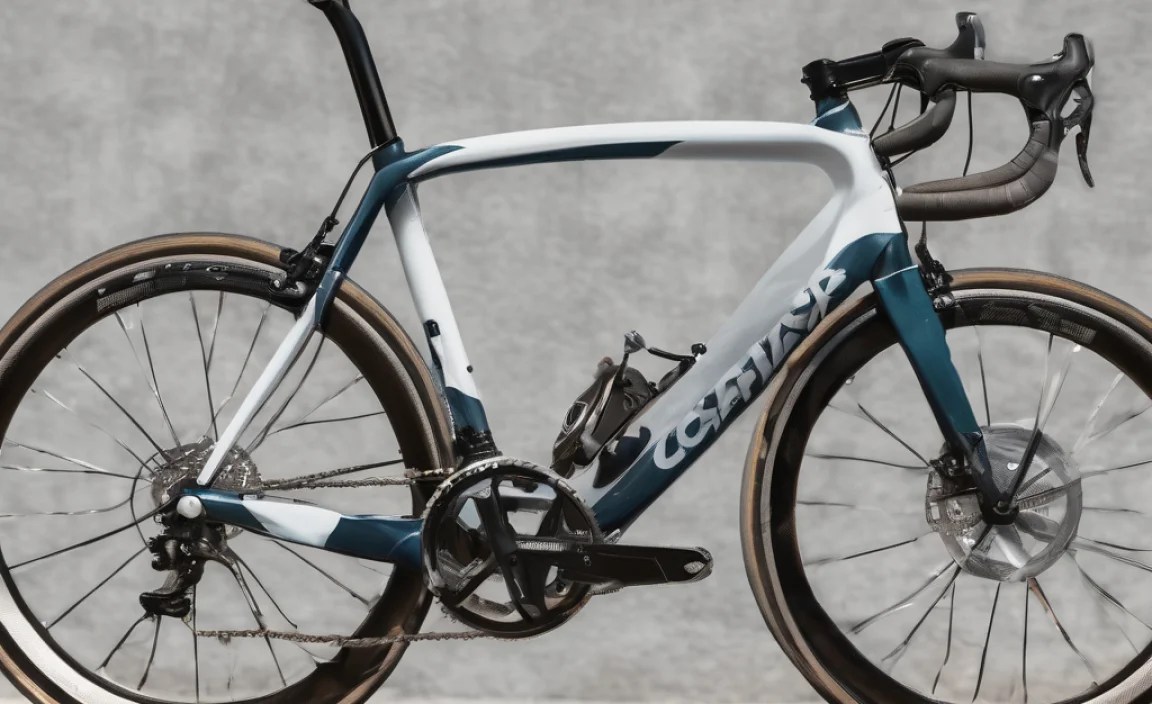
To help you make a more informed decision, here’s a comparison table of the key specifications of these top imported tires:
| Tire Model | Compound | Puncture Protection | Rolling Resistance | Grip | Durability |
|---|---|---|---|---|---|
| Continental Grand Prix 5000 | BlackChili | Vectran Breaker | Excellent | Excellent | Good |
| Pirelli P Zero Race | SmartEVO | TechBELT Road | Excellent | Excellent | Average |
| Vittoria Corsa N.EXT | Graphene | Puncture Protection Belt | Good | Excellent | Good |
| Michelin Power Road | X-Race | Aramid Protek+ | Good | Good | Excellent |
| Schwalbe Pro One | Addix Race | V-Guard | Excellent | Excellent | Good |
Factors to Consider When Choosing Tires

When selecting the right tires for your road bike, consider the following factors:
Riding Style
Are you a racer, a long-distance cyclist, a commuter, or a recreational rider? Your riding style will influence the type of tire that best suits your needs. Racers often prioritize low rolling resistance, while commuters may value durability and puncture protection.
Road Conditions
Consider the typical road conditions you’ll be riding on. Smooth roads allow for narrower, faster tires, while rough roads may benefit from wider, more comfortable tires.
Weather Conditions
If you frequently ride in wet conditions, look for tires with a tread pattern and compound designed for enhanced grip in the wet.
Budget
Tire prices can vary widely. Set a budget and look for tires that offer the best value for your money. Keep in mind that investing in high-quality tires can improve your riding experience and save you money in the long run by reducing punctures and increasing durability.
How to Install Road Bike Tires

Installing road bike tires is a straightforward process. Here’s a step-by-step guide:
Tools You’ll Need:
- Tire levers
- Bike pump
Steps:
- Remove the old tire: Deflate the tire completely. Use tire levers to pry one side of the tire off the rim. Work your way around the rim until one side of the tire is completely removed. Then, remove the inner tube.
- Inspect the rim and rim tape: Check the rim for any damage or sharp edges. Make sure the rim tape is properly aligned and in good condition. Replace if necessary.
- Install one side of the new tire: Place one side of the new tire onto the rim. Work your way around the rim, ensuring the tire bead is seated properly.
- Insert the inner tube: Inflate the inner tube slightly to give it some shape. Insert the valve into the valve hole in the rim. Carefully tuck the inner tube inside the tire, making sure it’s not twisted or pinched.
- Install the second side of the tire: Starting opposite the valve, use your thumbs to push the second side of the tire onto the rim. If it’s too tight, use tire levers, being careful not to pinch the inner tube.
- Check the tire seating: Inspect the tire to ensure it’s evenly seated around the rim. Look for a line on the tire sidewall that should be an equal distance from the rim all the way around.
- Inflate the tire: Inflate the tire to the recommended pressure printed on the sidewall. Use a bike pump with a pressure gauge to ensure accurate inflation.
- Final check: Double-check the tire seating and pressure. Spin the wheel to make sure the tire runs true.
For a visual guide, check out Park Tool’s comprehensive tutorial on tire and tube replacement: Park Tool Tire and Tube Replacement.
Tips for Maintaining Your Road Bike Tires
Proper maintenance can extend the life of your road bike tires and improve their performance.
Regularly Check Tire Pressure
Check and adjust your tire pressure before each ride. Use a reliable bike pump with a pressure gauge. Maintaining the correct pressure will improve rolling efficiency, comfort, and puncture resistance.
Inspect for Wear and Damage
Regularly inspect your tires for cuts, abrasions, and embedded debris. Remove any sharp objects from the tire to prevent punctures. Replace tires when the tread is worn or the sidewalls show signs of damage.
Clean Your Tires
Keep your tires clean by wiping them down with a damp cloth after each ride. This will remove dirt and debris that can degrade the rubber compound and increase the risk of punctures.
Store Your Bike Properly
Store your bike in a cool, dry place away from direct sunlight. UV rays can damage the rubber compound and cause the tires to deteriorate. If you’re storing your bike for an extended period, consider deflating the tires slightly to prevent them from developing flat spots.
FAQ: Top Imported Chucks for Road Bikes
What does TPI mean for road bike tires?
TPI stands for Threads Per Inch. It refers to the number of threads in the tire’s casing. A higher TPI generally means a more supple and comfortable ride because the tire can conform better to the road surface.
How do I know what size tire my road bike needs?
Check the sidewall of your current tires. The size is usually printed as “700x[width]c,” where the width is in millimeters (e.g., 700x25c). Also, check your bike’s frame and rim specifications to ensure compatibility.
What’s the difference between wire bead and folding bead tires?
Wire bead tires have a steel wire in the bead, making them more affordable but less portable. Folding bead tires use Kevlar, making them lighter and foldable for easy storage and transport.
How often should I replace my road bike tires?
It depends on how often you ride and the conditions you ride in. Regularly inspect your tires for wear and damage. Replace them when the tread is worn, the sidewalls show signs of cracking, or you experience frequent punctures.
Can I use tubeless tires on any road bike rim?
No, you need rims that are specifically designed for tubeless tires. These rims have a special shape that helps to create an airtight seal with the tire. Check your rim manufacturer’s specifications to ensure compatibility.
What tire pressure should I use for my road bike tires?
The recommended tire pressure is usually printed on the tire sidewall. It depends on your weight, riding conditions, and tire width. Use a bike pump with a pressure gauge to inflate your tires to the correct pressure.
Are more expensive road bike tires worth the cost?
Often, yes. More expensive tires typically use higher-quality materials and advanced technologies that can improve grip, rolling resistance, and puncture protection. However, consider your riding style and budget to determine if the benefits justify the cost.
Conclusion
Choosing the right imported chucks (tires) for your road bike can significantly enhance your riding experience. Whether you prioritize speed, comfort, or durability, there’s a tire out there to meet your needs. The Continental Grand Prix 5000 stands out as an excellent all-around choice, while the Pirelli P Zero Race is perfect for speed enthusiasts. The Vittoria Corsa N.EXT offers a great balance of performance and durability.
Remember to consider your riding style, road conditions, and budget when making your decision. With the right tires, you’ll enjoy a smoother, faster, and more confident ride. Happy cycling!


