
How to Remove Corrosion Inside Metal Chuck: Easy Fix

Quick Summary: Removing corrosion from a metal chuck involves disassembly, cleaning with a rust-dissolving solution (like vinegar or a commercial rust remover), scrubbing with a wire brush, rinsing, drying thoroughly, and applying a protective lubricant. Regular maintenance prevents future corrosion and ensures smooth operation.
Hey there, Raymond Ammons from BicyclePumper.com here. Ever struggled with a sticky, hard-to-turn chuck on your bike pump or other tools? Chances are, corrosion is the culprit. It’s a common problem, especially if you live in a humid area or don’t use your tools regularly. That stubborn rust can make even the simplest tasks a real pain. But don’t worry, it’s totally fixable!
In this guide, I’ll walk you through a simple, step-by-step process to remove that pesky corrosion and get your chuck working like new again. We’ll cover everything from the tools you’ll need to preventative measures to keep corrosion at bay. Let’s get started and breathe new life into your trusty tools!
Understanding Corrosion in Metal Chucks

Corrosion, often seen as rust on iron or steel, is the deterioration of a material due to chemical reactions with its environment. In metal chucks, this typically happens because of moisture and oxygen reacting with the metal surface. Understanding why corrosion happens is the first step in preventing it.
Why Metal Chucks Corrode
- Exposure to Moisture: Water is a catalyst for rust. Whether it’s rain, humidity, or condensation, moisture accelerates corrosion.
- Oxygen: Oxygen in the air reacts with the metal, forming oxides (rust).
- Electrolytes: Salt, acids, and other electrolytes speed up the corrosion process. This is especially relevant if you live near the coast where salt spray is common.
- Lack of Maintenance: Infrequent cleaning and lubrication allow corrosion to take hold and worsen over time.
Types of Corrosion Commonly Found
- Surface Rust: This is the most common type, appearing as a reddish or brownish layer on the surface of the metal.
- Pitting Corrosion: Small pits or holes form on the surface, weakening the metal over time.
- Galvanic Corrosion: Occurs when two different metals are in contact in the presence of an electrolyte, leading to one metal corroding faster than the other.
Tools and Materials You’ll Need

Before diving into the cleaning process, gather all the necessary tools and materials. Having everything at hand will make the job smoother and more efficient.
- Wrench or Pliers: For disassembling the chuck.
- Screwdrivers: Various sizes for removing screws.
- Rust Remover: Options include vinegar, lemon juice, or a commercial rust remover like Evapo-Rust.
- Wire Brush: For scrubbing away the corrosion. A small, stiff brush works best.
- Soft Cloths or Rags: For cleaning and drying.
- Lubricant: Such as WD-40, silicone spray, or a specialized tool lubricant.
- Safety Glasses: To protect your eyes from debris and chemicals.
- Gloves: To protect your hands from rust and cleaning solutions.
- Small Container: For soaking parts in the rust remover.
Step-by-Step Guide to Removing Corrosion
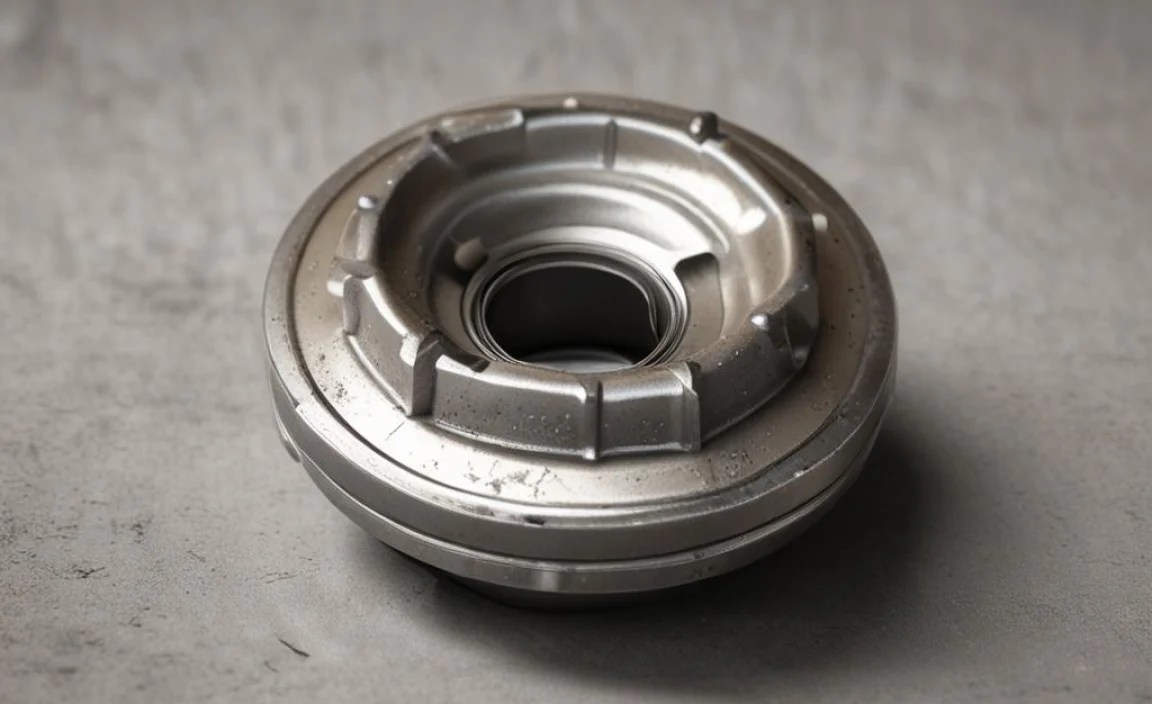
Now, let’s get into the nitty-gritty of removing corrosion from your metal chuck. Follow these steps carefully for the best results.
Step 1: Disassemble the Chuck
Carefully take apart the chuck using wrenches, pliers, and screwdrivers. Keep track of all the small parts to ensure you can reassemble it correctly. Taking pictures during disassembly can be very helpful.
- Identify Fasteners: Look for screws, nuts, or pins holding the chuck together.
- Loosen and Remove: Use the appropriate tools to loosen and remove these fasteners.
- Separate Components: Gently separate the different parts of the chuck, laying them out in an organized manner.
Step 2: Prepare the Rust Removal Solution
Choose your rust removal method and prepare the solution. Here are a few options:
- Vinegar: A common household acid that dissolves rust. Submerge the parts in white vinegar for several hours or overnight.
- Lemon Juice: Similar to vinegar, lemon juice contains citric acid, which is effective at removing rust.
- Commercial Rust Remover: Products like Evapo-Rust are specifically designed to dissolve rust quickly and effectively. Follow the instructions on the product label.
Safety Note: When using commercial rust removers, always wear gloves and safety glasses to protect your skin and eyes.
Step 3: Soak the Corroded Parts
Place the disassembled parts into the rust removal solution. Make sure all corroded areas are fully submerged. The soaking time will vary depending on the severity of the corrosion and the type of solution used.
- Vinegar/Lemon Juice: Soak for several hours or overnight.
- Commercial Rust Remover: Follow the manufacturer’s instructions, typically ranging from 30 minutes to a few hours.
Step 4: Scrub Away the Rust
After soaking, use a wire brush to scrub away the loosened rust. For tight spots, a small brush or even an old toothbrush can be useful. Apply firm, consistent pressure to remove the corrosion.
- Wire Brush Technique: Use short, overlapping strokes to scrub away the rust.
- Stubborn Spots: For particularly stubborn areas, you may need to repeat the soaking and scrubbing process.
Step 5: Rinse and Dry Thoroughly
Once you’ve removed the rust, rinse the parts thoroughly with clean water to remove any remaining rust remover and debris. Dry the parts completely using a soft cloth or compressed air. Make sure there is no moisture left, as this can lead to new corrosion.
- Rinsing: Rinse until all traces of the rust removal solution are gone.
- Drying: Use a clean, dry cloth to wipe down each part. Compressed air can be used to remove water from hard-to-reach areas.
Step 6: Apply a Protective Lubricant
After drying, apply a thin layer of lubricant to all the parts. This will help prevent future corrosion and ensure smooth operation. Good options include WD-40, silicone spray, or a specialized tool lubricant. Lubricating the parts is crucial for long-term protection.
- Lubricant Application: Apply a light, even coat of lubricant to all surfaces.
- Avoid Excess: Too much lubricant can attract dirt and grime, so use it sparingly.
Step 7: Reassemble the Chuck
Carefully reassemble the chuck, following the reverse order of disassembly. Make sure all parts are properly aligned and securely fastened. Refer to the pictures you took during disassembly to ensure everything goes back together correctly.
- Alignment: Ensure all parts are aligned correctly before tightening any fasteners.
- Tightening: Tighten screws and nuts securely, but avoid over-tightening, which can damage the parts.
Alternative Corrosion Removal Methods
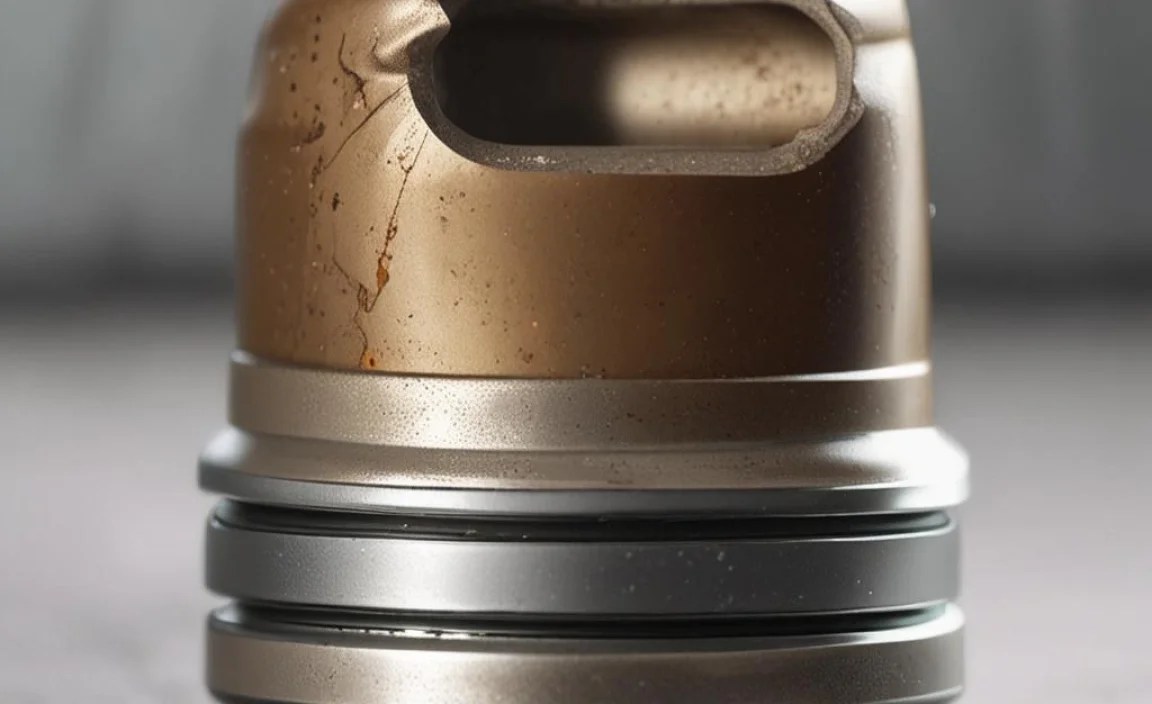
Besides the method described above, here are some alternative approaches to removing corrosion from metal chucks.
Electrolysis
Electrolysis uses an electric current to remove rust. It involves setting up an electrolytic cell with the corroded part as the cathode (negative electrode) and a sacrificial anode (usually steel) in an electrolyte solution (like washing soda). As current flows, the rust is converted back to iron and deposits on the anode. This method is effective for heavily rusted parts but requires more setup.
Ultrasonic Cleaning
Ultrasonic cleaners use high-frequency sound waves to create cavitation bubbles in a cleaning solution. These bubbles implode and dislodge contaminants, including rust, from the surface of the metal. This method is particularly effective for intricate parts with hard-to-reach areas. While ultrasonic cleaners can be an investment, they provide a thorough and efficient cleaning solution.
Baking Soda Paste
A simple paste of baking soda and water can be an effective abrasive cleaner for light surface rust. Apply the paste to the corroded area, let it sit for a few minutes, and then scrub with a brush or cloth. Rinse thoroughly and dry. This method is gentle and non-toxic, making it a good option for minor corrosion.
Preventing Future Corrosion
Prevention is always better than cure. Here are some tips to prevent corrosion in your metal chucks and other tools.
- Regular Cleaning: Clean your tools after each use to remove dirt, moisture, and other contaminants.
- Proper Storage: Store your tools in a dry, cool place. Avoid storing them in damp environments or where they are exposed to temperature fluctuations.
- Lubrication: Regularly lubricate your tools with a protective oil or spray. This creates a barrier against moisture and prevents rust from forming.
- Desiccant Packs: Place desiccant packs (silica gel) in your toolbox to absorb moisture.
- Protective Coatings: Consider applying a rust-inhibiting coating to your tools, especially if they are used in harsh environments.
Choosing the Right Lubricant
Selecting the right lubricant is crucial for protecting your metal chucks and ensuring smooth operation. Here’s a comparison of common lubricants:
| Lubricant | Pros | Cons | Best Use |
|---|---|---|---|
| WD-40 | Displaces moisture, prevents rust, readily available | Short-lasting, can attract dirt | General-purpose lubrication, short-term rust prevention |
| Silicone Spray | Waterproof, safe for rubber and plastic, non-staining | Less effective on heavy rust | Lubricating parts with rubber or plastic components |
| Tool Lubricant | Specifically formulated for tools, long-lasting protection | May be more expensive | Heavy-duty rust prevention and lubrication |
| Grease | Long-lasting, excellent water resistance | Can be messy, attracts dirt | High-friction areas, bearings |
Safety Precautions
When working with tools and chemicals, safety should always be your top priority. Here are some essential safety precautions to keep in mind:
- Wear Safety Glasses: Protect your eyes from debris and chemical splashes.
- Wear Gloves: Protect your hands from rust, sharp edges, and cleaning solutions.
- Work in a Well-Ventilated Area: Avoid inhaling fumes from rust removers and lubricants.
- Dispose of Chemicals Properly: Follow local regulations for disposing of used rust removers and cleaning solutions.
- Keep Out of Reach of Children: Store tools and chemicals in a secure location where children cannot access them.
Cost-Benefit Analysis
Removing corrosion from your metal chucks is not only about restoring functionality but also about saving money in the long run. Here’s a quick cost-benefit analysis:
| Benefit | Description | Cost Savings |
|---|---|---|
| Extending Tool Life | Removing corrosion prevents further damage and extends the life of your tools. | Avoids the cost of replacing expensive tools. |
| Improved Performance | Clean, lubricated tools operate more efficiently and effectively. | Reduces the need for rework and improves overall productivity. |
| Preventing Accidents | Corroded tools can be unsafe to use. Removing corrosion reduces the risk of accidents and injuries. | Avoids potential medical expenses and downtime due to injuries. |
| Maintaining Value | Well-maintained tools retain their value over time. | Increases resale value and reduces depreciation. |
FAQ: Removing Corrosion from Metal Chucks
Here are some frequently asked questions about removing corrosion from metal chucks.
Can I use sandpaper to remove rust?
Yes, sandpaper can be used for light surface rust. Start with a coarse grit to remove the bulk of the rust, then move to a finer grit to smooth the surface. Be careful not to scratch the metal excessively.
How often should I clean and lubricate my metal chucks?
Ideally, you should clean and lubricate your metal chucks after each use, especially if they are exposed to moisture or harsh environments. At a minimum, do it every few months to prevent corrosion buildup.
Is vinegar safe to use on all types of metal?
Vinegar is generally safe to use on most metals, but it can cause discoloration on some sensitive metals like aluminum. Always test a small, inconspicuous area first before applying vinegar to the entire surface.
Can I use WD-40 to remove rust?
WD-40 is more effective as a lubricant and rust preventer than a rust remover. While it can help loosen light surface rust, it may not be sufficient for heavy corrosion. It’s best used after you’ve removed the bulk of the rust with a more effective method.
What is the best way to store my tools to prevent corrosion?
Store your tools in a dry, cool place, away from moisture and temperature fluctuations. Use a toolbox with desiccant packs to absorb moisture, and consider applying a rust-inhibiting coating to your tools for added protection.
Can I use a dishwasher to clean metal chucks?
While it might seem convenient, using a dishwasher is not recommended. The high heat and harsh detergents can damage the metal and remove protective coatings. It’s better to clean the parts manually.
What should I do if the corrosion is too severe?
If the corrosion is too severe, the metal may be weakened beyond repair. In this case, it’s best to replace the chuck. However, for moderately severe corrosion, consider using more aggressive rust removal methods like electrolysis or professional rust removal services.
Conclusion
Removing corrosion from a metal chuck might seem daunting at first, but with the right tools and a bit of patience, it’s a task anyone can tackle. By following the steps outlined in this guide, you can restore your chucks to their former glory, extend the life of your tools, and ensure smooth, reliable performance. Remember, prevention is key – regular cleaning, proper storage, and consistent lubrication will go a long way in keeping corrosion at bay. So, roll up your sleeves, grab your tools, and give your metal chucks the TLC they deserve. Happy cycling!


