
Why Isn’t My Pool Pump Cycling On and Off? Troubleshooting Guide

Quick Summary: A pool pump that won’t cycle on and off usually suffers from electrical issues, timer malfunctions, a clogged filter, or a faulty pressure switch. Check the power supply, inspect the timer settings, clean or replace the filter, and test the pressure switch. If problems persist, consult a professional electrician or pool technician.
Is your pool pump stubbornly refusing to cycle on and off as it should? It’s a common headache for pool owners! A pump that runs constantly wastes energy and can overheat, while one that doesn’t run enough leads to cloudy, algae-filled water. Don’t worry, fixing this issue is often straightforward. This guide will walk you through the most common causes and provide simple steps to diagnose and resolve the problem, saving you time and money.
Understanding Pool Pump Cycling
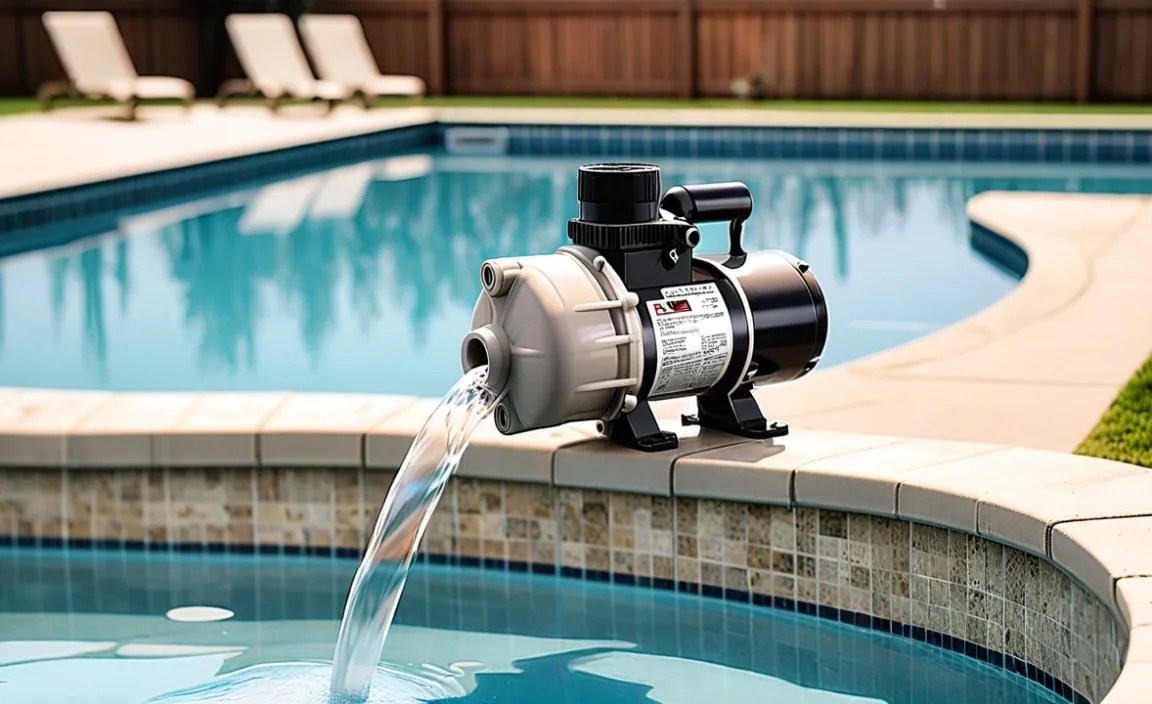
Before diving into troubleshooting, let’s clarify what “cycling” means for your pool pump. Ideally, your pump should turn on and off at set intervals throughout the day. This allows for proper water circulation, filtration, and chemical distribution without running the pump 24/7.
Proper cycling helps:
- Save energy: Reduces electricity consumption and lowers your energy bill.
- Extend pump life: Prevents unnecessary wear and tear on the motor.
- Maintain water quality: Ensures adequate filtration and chemical distribution to keep your pool clean and healthy.
Common Reasons Why Your Pool Pump Won’t Cycle

Several factors can prevent your pool pump from cycling correctly. Let’s explore the most common culprits:
1. Electrical Issues
A faulty electrical connection is a prime suspect when your pump won’t cycle. Here’s what to check:
- Power Supply: Verify that the pump is receiving power. Check the circuit breaker to ensure it hasn’t tripped. Reset it if necessary.
- Wiring: Inspect the wiring connections at the pump motor and the timer or control panel. Look for loose wires, corrosion, or damage. Tighten any loose connections and replace damaged wiring.
- Voltage: Use a multimeter to check the voltage at the pump motor. Ensure it matches the pump’s voltage requirements (usually 115V or 230V). If the voltage is too low, it could prevent the pump from starting or cycling properly. Consider getting help from an electrician if you aren’t comfortable using a multimeter.
2. Timer Malfunctions
If your pool pump is controlled by a timer, a malfunction in the timer can disrupt the cycling schedule:
- Timer Settings: Double-check the timer settings to ensure they are programmed correctly. Verify the on and off times and the duration of each cycle.
- Timer Clock: Make sure the timer clock is accurate. If it’s running slow or fast, it will throw off the cycling schedule. Adjust the clock as needed.
- Timer Mechanism: Inspect the timer mechanism for any signs of damage or wear. If the timer is old or faulty, consider replacing it with a new one. Digital timers are more accurate.
3. Clogged Filter
A dirty or clogged filter restricts water flow, which can cause the pump to run continuously or not cycle properly:
- Filter Pressure: Check the filter pressure gauge. If the pressure is significantly higher than normal, it indicates a clogged filter.
- Filter Cleaning: Clean or backwash the filter according to the manufacturer’s instructions. Remove any debris, dirt, or algae buildup.
- Filter Replacement: If the filter is old or damaged, replace it with a new one. A clean filter ensures optimal water flow and pump performance.
4. Faulty Pressure Switch
Some pool pumps have a pressure switch that monitors water pressure and controls the pump’s operation. A faulty pressure switch can prevent the pump from cycling correctly:
- Switch Testing: Use a multimeter to test the pressure switch for continuity. If the switch is not working properly, replace it with a new one.
- Switch Adjustment: Some pressure switches are adjustable. Consult the manufacturer’s instructions to adjust the switch settings as needed.
5. Variable Speed Pump Programming Issues
If you have a variable speed pump, incorrect programming can lead to cycling problems:
- Speed Settings: Check the pump’s speed settings. Ensure they are appropriate for your pool’s size and filtration needs.
- Schedule: Review the pump’s programmed schedule. Make sure the on and off times are set correctly.
- Override Modes: Ensure the pump is not in an override mode that forces it to run continuously.
6. Plumbing Problems
Leaks or blockages in the plumbing can also affect pump cycling:
- Leaks: Inspect all plumbing connections for leaks. Repair any leaks to maintain proper water pressure and flow.
- Blockages: Check for blockages in the skimmer, pump strainer basket, and plumbing lines. Remove any debris or obstructions.
Step-by-Step Troubleshooting Guide
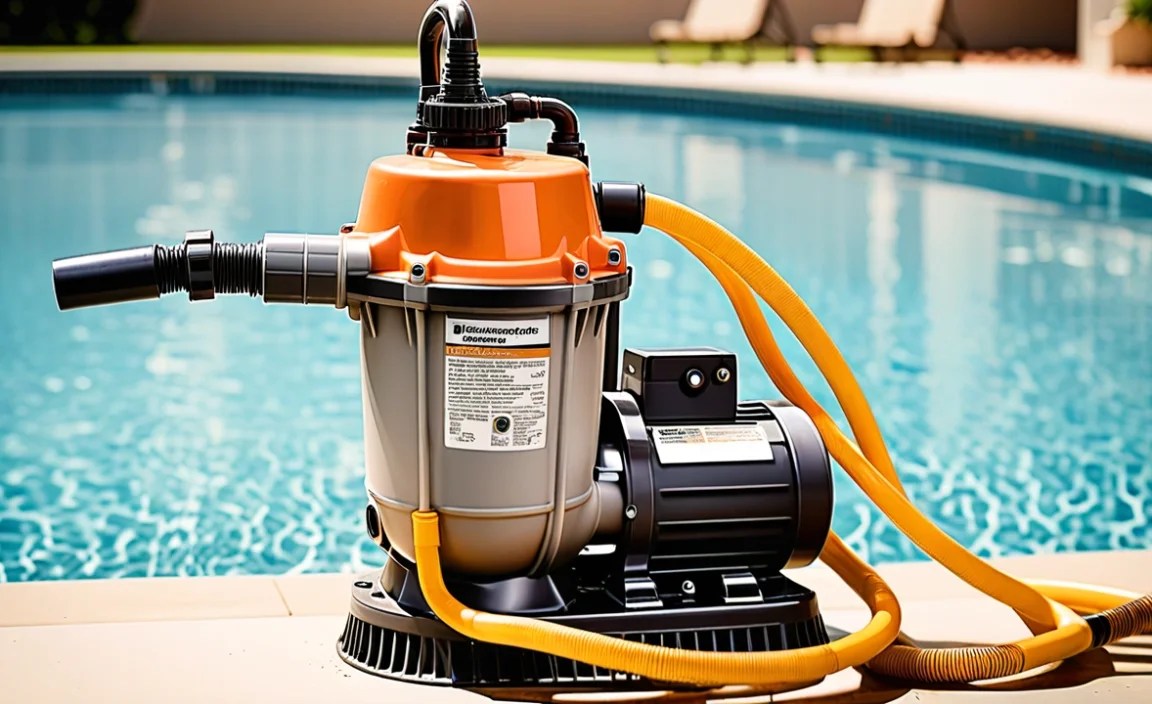
Follow these steps to diagnose and fix your pool pump cycling problem:
- Check the Circuit Breaker: Ensure the circuit breaker for the pool pump is on and has not tripped. Reset it if necessary.
- Inspect the Wiring: Examine the wiring connections at the pump motor, timer, and control panel. Look for loose wires, corrosion, or damage.
- Verify Timer Settings: Double-check the timer settings to ensure they are programmed correctly. Adjust the on and off times as needed.
- Clean the Filter: Clean or backwash the filter to remove any debris or dirt buildup.
- Test the Pressure Switch: Use a multimeter to test the pressure switch for continuity. Replace it if it’s faulty.
- Check for Plumbing Leaks: Inspect all plumbing connections for leaks. Repair any leaks to maintain proper water pressure and flow.
- Inspect the Pump Strainer Basket: Make sure the pump strainer basket is clear of debris.
- Consult a Professional: If you’ve checked all of the above and the pump still won’t cycle, consult a qualified electrician or pool technician.
Tools You Might Need
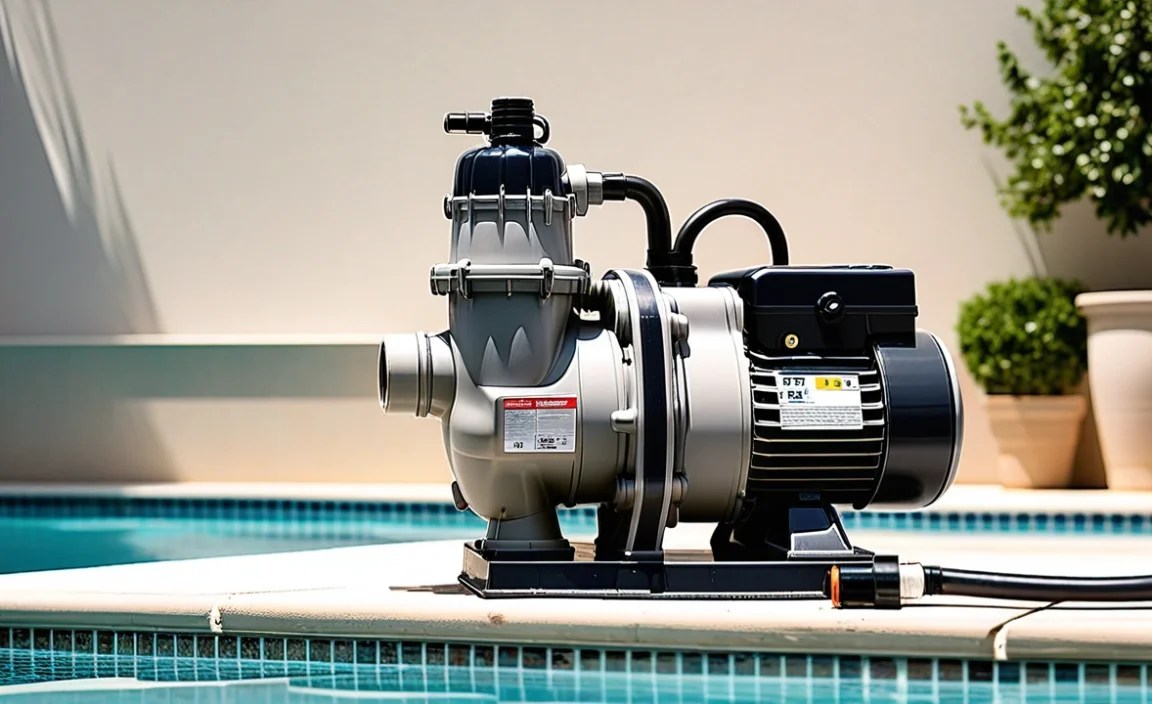
Here are some tools that can help you troubleshoot your pool pump:
- Screwdrivers: For tightening loose connections and removing access panels.
- Multimeter: For testing voltage and continuity.
- Wire Strippers/Crimpers: For repairing or replacing wiring.
- Wrench Set: For tightening plumbing connections.
- Filter Wrench: For removing and cleaning the filter.
- Voltmeter For checking the power
Troubleshooting Chart
Use this chart to quickly identify potential issues and solutions:
| Symptom | Possible Cause | Solution |
|---|---|---|
| Pump won’t turn on | Tripped circuit breaker | Reset the circuit breaker |
| Pump won’t turn on | Loose or damaged wiring | Inspect and repair wiring |
| Pump runs constantly | Timer malfunction | Check and adjust timer settings or replace timer |
| Pump runs constantly | Clogged filter | Clean or backwash the filter |
| Pump runs constantly | Faulty pressure switch | Test and replace the pressure switch |
| Pump cycles too frequently | Low water level | Add water to the pool |
| Pump cycles too frequently | Air leak in suction line | Inspect and repair suction line |
Preventative Maintenance
Regular maintenance can prevent many of the issues that cause pump cycling problems. Here’s a simple schedule:
- Weekly: Clean the skimmer and pump strainer baskets.
- Monthly: Clean or backwash the filter.
- Seasonally: Inspect wiring connections and plumbing for leaks.
- Annually: Have a professional inspect the pump motor and other components.
When to Call a Professional
While many pool pump issues can be resolved with DIY troubleshooting, some situations require professional help:
- Electrical Problems: If you’re not comfortable working with electricity, call a qualified electrician.
- Motor Issues: If the pump motor is making strange noises or overheating, it may need to be repaired or replaced by a professional.
- Complex Plumbing Problems: If you’re unable to locate or repair plumbing leaks, consult a pool technician.
Cost Considerations
Here’s a breakdown of potential costs associated with fixing pool pump cycling issues:
| Repair | Estimated Cost |
|---|---|
| Replacing a timer | $50 – $150 |
| Replacing a pressure switch | $30 – $100 |
| Replacing a filter | $100 – $500 |
| Electrical repairs | $75 – $200 per hour |
| Plumbing repairs | $75 – $150 per hour |
FAQ
Why is my pool pump turning on and off rapidly?
Rapid cycling, also known as short cycling, can be caused by low water level, an air leak in the suction line, or a faulty pressure switch. Check the water level, inspect the suction line for leaks, and test the pressure switch.
How often should my pool pump cycle on and off?
The ideal cycling frequency depends on your pool’s size, usage, and environmental factors. A general guideline is to run the pump for 8-12 hours per day, typically divided into one or two cycles.
Can a dirty filter cause my pump to cycle improperly?
Yes, a dirty or clogged filter restricts water flow, which can cause the pump to run continuously or not cycle properly. Clean or backwash the filter regularly to maintain optimal performance.
What does a faulty pressure switch do?
A faulty pressure switch can prevent the pump from cycling correctly by either not turning on or continuously running. It’s responsible for monitoring water pressure and controlling the pump’s operation.
How do I test the pressure switch?
You can test the pressure switch using a multimeter to check for continuity. If the switch is not working properly, it will need to be replaced.
What if the voltage to my pool pump is too low?
Low voltage can prevent the pump from starting or cycling properly. Have an electrician check the wiring and power supply to ensure the pump is receiving the correct voltage.
Can plumbing leaks cause cycling issues?
Yes, leaks in the plumbing can cause the pump to cycle improperly due to changes in water pressure and flow. Inspect all plumbing connections for leaks and repair them promptly.
Conclusion
A pool pump that won’t cycle correctly can be frustrating, but with a systematic approach, you can often diagnose and fix the problem yourself. Start by checking the electrical supply, timer settings, and filter condition. If these steps don’t resolve the issue, investigate the pressure switch and plumbing for leaks or blockages. Remember, when dealing with electrical components, safety is paramount. If you’re unsure about any step, don’t hesitate to call a qualified professional. Keeping your pool pump running smoothly will ensure clean, enjoyable water all season long!
“`


